Author: user

  • Classic Chocolate Cake (Rich, Moist & Perfectly Decadent)

    Classic Chocolate Cake (Rich, Moist & Perfectly Decadent)

    Every baker needs a signature chocolate cake recipe—the one you turn to for birthdays, celebrations, and those days when only chocolate will do. This is mine, and after today, it might just become yours too.

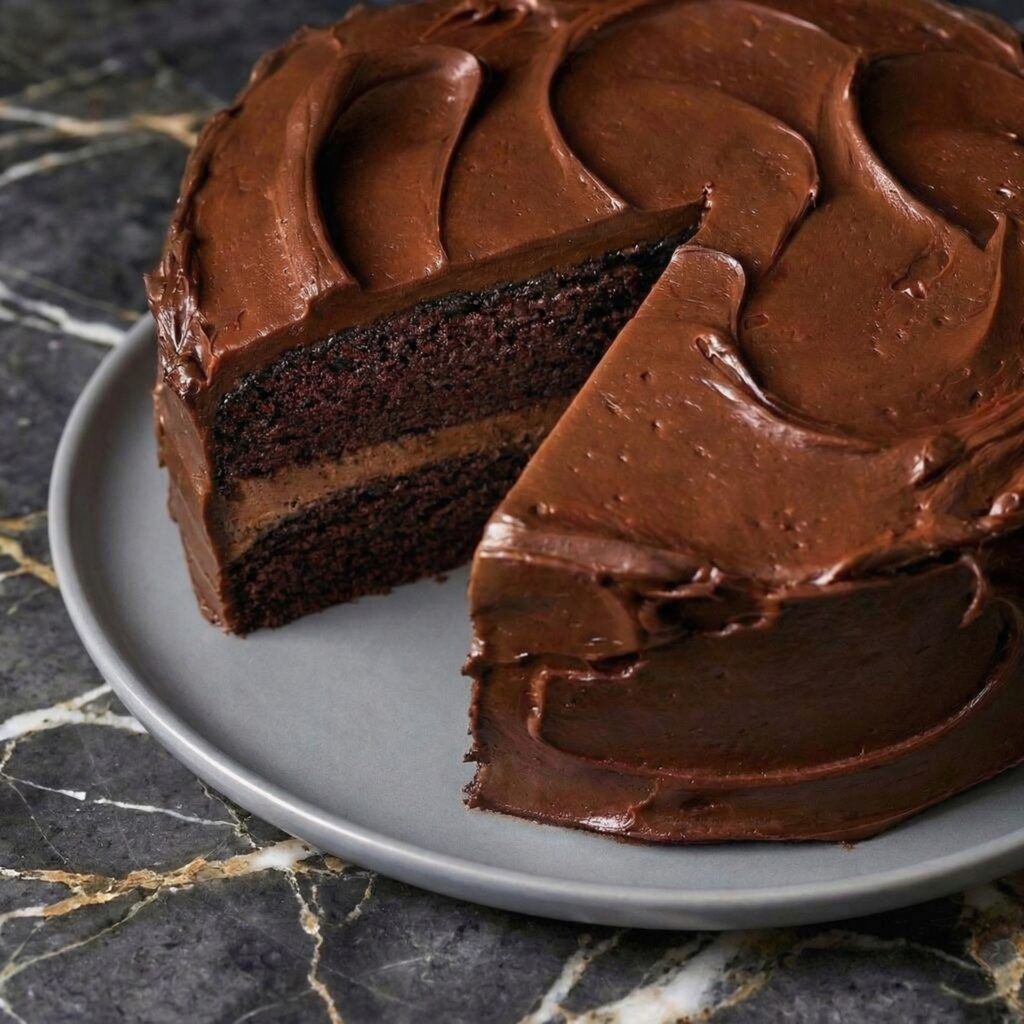
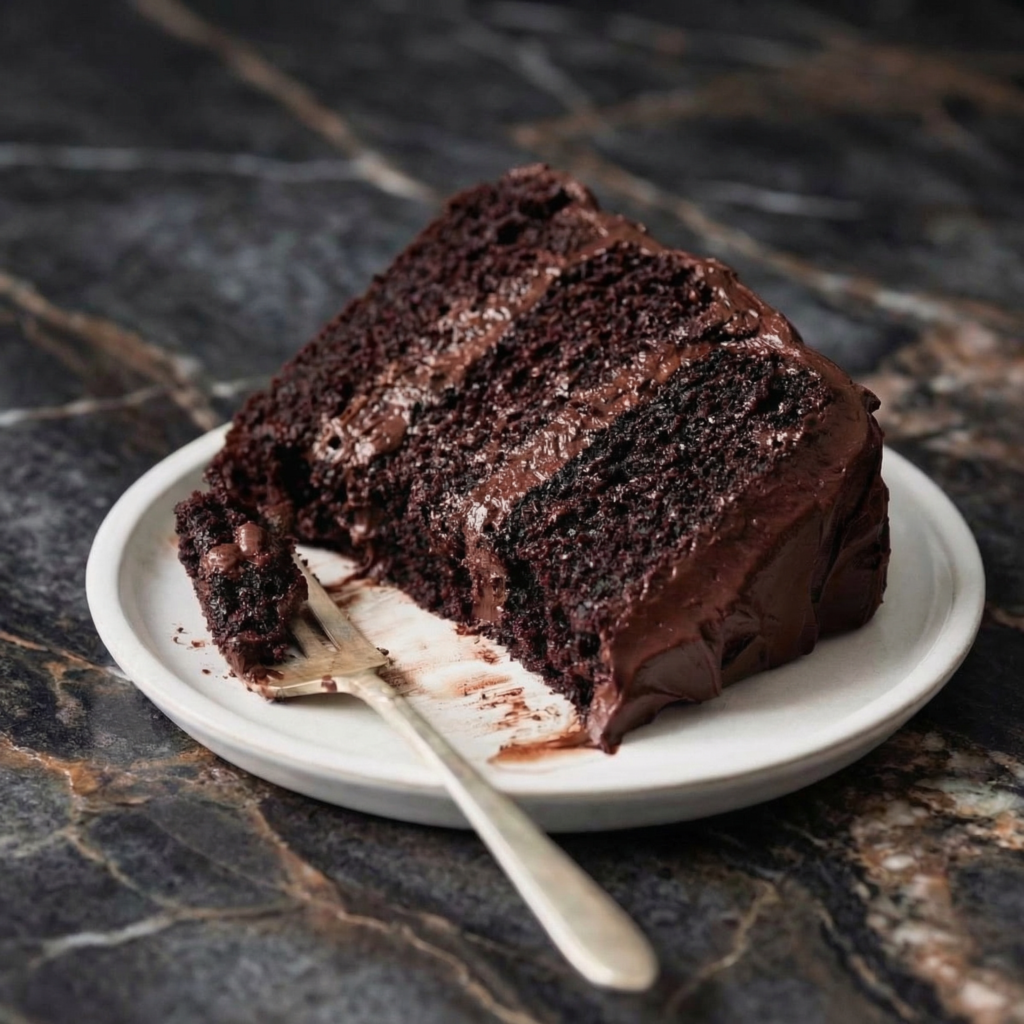
    This classic chocolate cake is everything you want it to be. The layers are incredibly moist and tender with a deep, rich chocolate flavor. The frosting is silky, smooth, and perfectly balanced between sweet and chocolatey.

    Together, they create a cake that looks impressive but is surprisingly simple to make. Whether you’re a beginner baking your first layer cake or a seasoned pro looking for a reliable go-to, this recipe delivers every single time. Let’s bake something beautiful.

    Ingredients
    Makes one 8-inch or 9-inch cake (8-10 servings).

    For the Chocolate Cake:

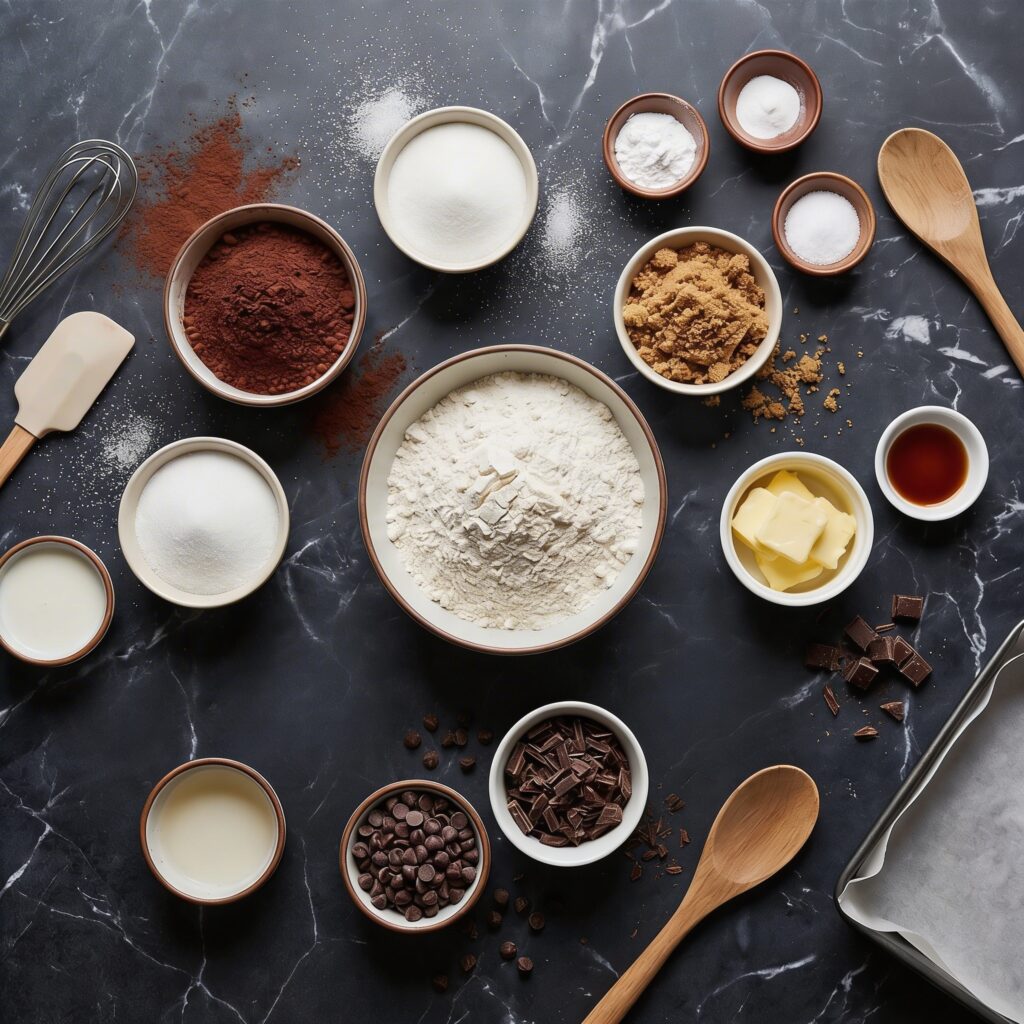
    • 1 ¾ cups (220g) all-purpose flour
    • 2 cups (400g) granulated sugar
    • ¾ cup (75g) unsweetened cocoa powder (Dutch-process or natural)
    • 2 teaspoons baking soda
    • 1 teaspoon baking powder
    • 1 teaspoon salt
    • 2 large eggs, at room temperature
    • 1 cup (240ml) buttermilk, at room temperature
    • ½ cup (120ml) vegetable oil
    • 2 teaspoons vanilla extract
    • 1 cup (240ml) hot coffee or hot water

    For the Chocolate Frosting:

    • 1 ½ cups (340g) unsalted butter, softened
    • 4 cups (480g) powdered sugar, sifted
    • ¾ cup (75g) unsweetened cocoa powder, sifted
    • ½ teaspoon salt
    • 2 teaspoons vanilla extract
    • ¼ cup (60ml) heavy cream or milk, plus more as needed

    Optional:

    • Chocolate sprinkles or shavings for decoration
    • Fresh berries for serving

    Step-by-Step Instructions

    1. Preheat and Prepare:

    1. Preheat your oven to 350°F (175°C). Grease two 8-inch or 9-inch round cake pans, line the bottoms with parchment paper, then grease the parchment. Dust with cocoa powder or flour, tapping out the excess.

    2. Combine Dry Ingredients:

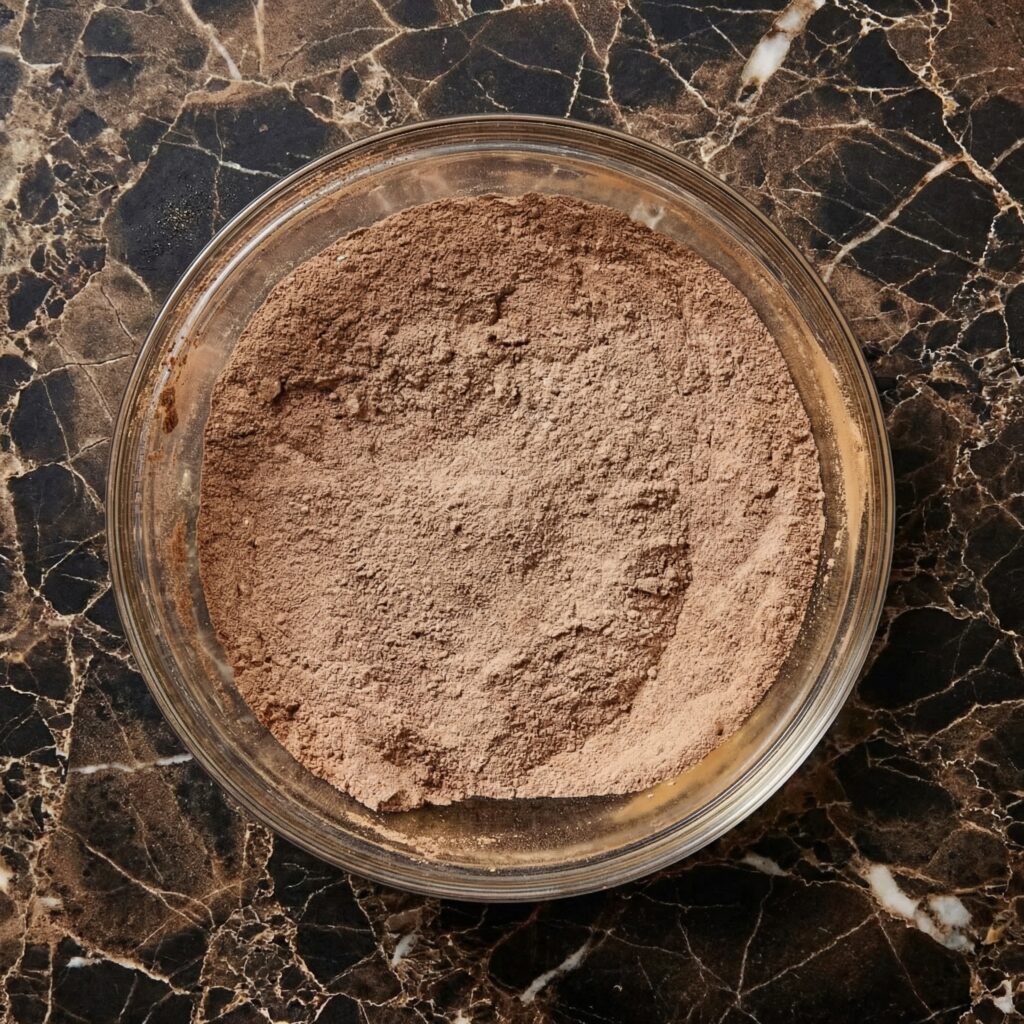
    1. In a large bowl or the bowl of a stand mixer, sift or whisk together the flour, sugar, cocoa powder, baking soda, baking powder, and salt until well combined.
    3. Add Wet Ingredients:

    1. Add the eggs, buttermilk, vegetable oil, and vanilla extract to the dry ingredients. Beat on medium speed for 2 minutes, scraping down the sides as needed. The batter will be thick.

    4. Add Hot Coffee:

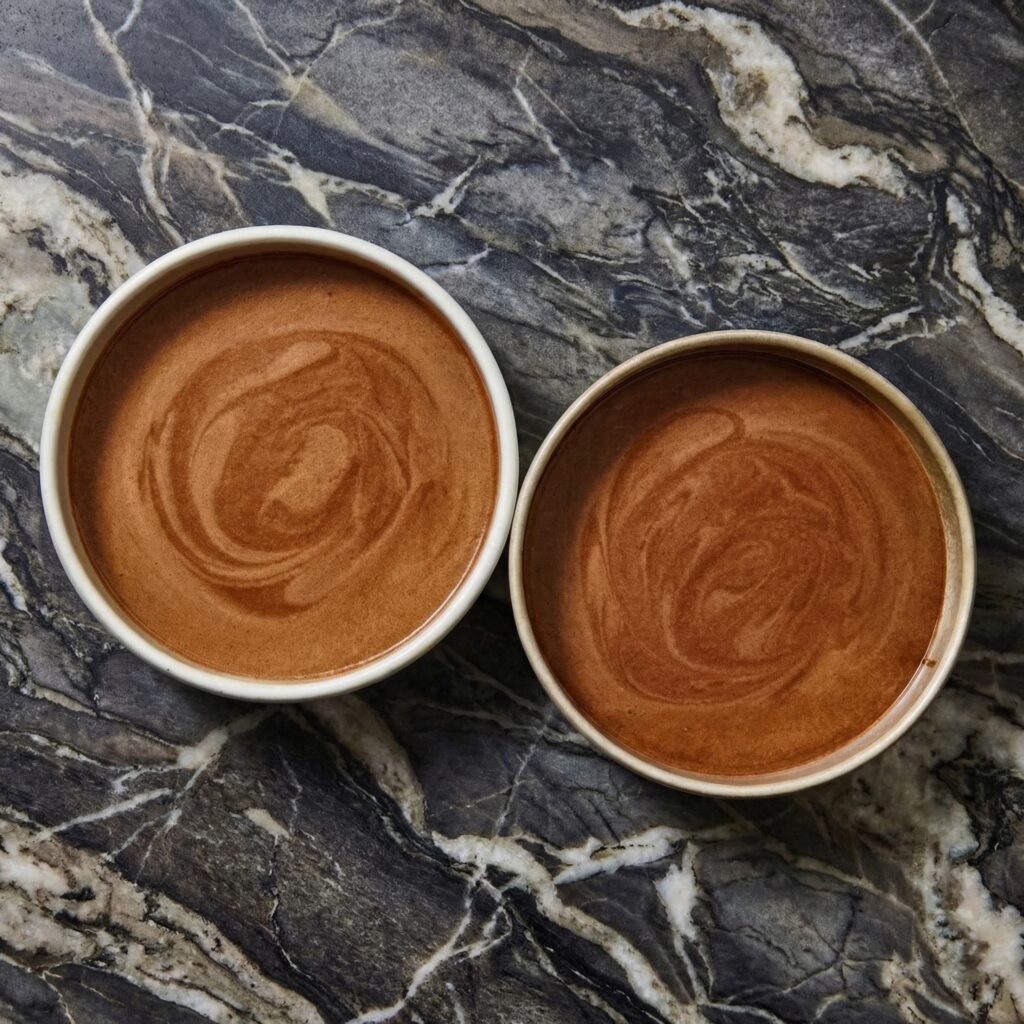
    1. With the mixer on low speed, carefully pour in the hot coffee (or hot water). Beat until just combined—the batter will be very thin. This is normal and creates an incredibly moist cake.

    5. Bake:

    1. Divide the batter evenly between the prepared pans.
    2. Bake for 30-35 minutes, until a toothpick inserted into the center comes out clean or with a few moist crumbs.
    3. Let the cakes cool in the pans for 15-20 minutes, then turn out onto wire racks to cool completely. The cakes must be completely cool before frosting.
    6. Make the Frosting:

    1. In a large bowl, beat the softened butter with an electric mixer until creamy and smooth, about 2 minutes.
    2. Gradually add the sifted powdered sugar and cocoa powder, beating on low speed until combined. Scrape down the sides as needed.
    3. Add the salt, vanilla extract, and heavy cream. Beat on medium-high speed for 3-5 minutes until light, fluffy, and spreadable. If the frosting is too thick, add more cream 1 tablespoon at a time. If too thin, add more powdered sugar.

    7. Assemble the Cake:

    1. If the cake layers have domed tops, use a serrated knife to level them for even stacking.
    2. Place one layer on a cake stand or plate. Spread about 1 cup of frosting evenly over the top.
    3. Place the second layer on top, upside down for a flat surface. Apply a thin crumb coat (a thin layer of frosting) all over the cake to seal in crumbs. Refrigerate for 20-30 minutes to set.
    4. Frost the entire cake with the remaining frosting, creating swirls or smooth edges as desired. Decorate with chocolate sprinkles or shavings if desired.

    8. Serve:

    1. Slice and serve at room temperature for the best texture and flavor. Store leftovers in an airtight container.

    Summary

    Prep Time: 25 minutes | Bake Time: 30-35 minutes | Cooling/Frosting Time: 1 hour | Total Time: 2 hours

    Yield: One 8-inch or 9-inch双层 cake (8-10 servings)

    Difficulty: Intermediate

    Storage and Make-Ahead Tips

    How to Store:

    Store frosted cake in an airtight container at room temperature for up to 3 days, or in the refrigerator for up to 5 days. Bring to room temperature before serving for the best flavor and texture.

    Can You Freeze Cake Layers?

    Absolutely! This is a great make-ahead strategy. Wrap completely cooled cake layers tightly in plastic wrap, then in foil. Freeze for up to 3 months. Thaw at room temperature before frosting.

    Freezing Frosted Cake:

    You can freeze a fully frosted cake! Place it in the freezer uncovered for 1-2 hours until the frosting is firm, then wrap tightly in plastic wrap and foil. Freeze for up to 3 months. Thaw overnight in the refrigerator.

    Make-Ahead Frosting:

    The frosting can be made up to 3 days ahead and stored in the refrigerator. Let it come to room temperature, then re-whip for a few minutes before using.

    Cupcakes:

    This recipe makes about 24-30 cupcakes. Bake at 350°F for 18-22 minutes. Frost as desired.
  • Crispy, Cheesy, and Packed with Flavor: How to Make the Perfect Chicken Quesadillas

    Crispy, Cheesy, and Packed with Flavor: How to Make the Perfect Chicken Quesadillas

    Few meals are as satisfying, quick, and crowd-pleasing as chicken quesadillas. With crispy golden tortillas, juicy seasoned chicken, and layers of gooey melted cheese, this classic dish delivers bold flavor with minimal effort.

    Whether you’re preparing a quick weeknight dinner, a game-day snack, or a casual lunch, chicken quesadillas are always a reliable favorite.

    Originating from Mexican cuisine, quesadillas traditionally consist of tortillas filled with cheese and other ingredients, then cooked until the exterior is crisp and the filling is hot and melty.

    Adding seasoned chicken turns them into a hearty and protein-packed meal that’s both comforting and versatile.

    In this step-by-step guide, you’ll learn exactly how to make restaurant-quality chicken quesadillas at home, complete with tips for achieving perfectly crisp tortillas and flavorful fillings.


    Why Chicken Quesadillas Are So Popular

    Chicken quesadillas have become a staple in kitchens around the world for several reasons:

    • Quick cooking time
    • Simple ingredients
    • Customizable fillings
    • Perfect balance of crunchy and cheesy textures

    With just a few ingredients and one skillet, you can create a meal that tastes like it came from your favorite Mexican restaurant.


    Ingredients

    For four quesadillas, you will need:

    • 2 cups cooked chicken, shredded or diced
    • 4 large flour tortillas
    • 1 ½ cups shredded cheese (cheddar, Monterey Jack, or Mexican blend)
    • ½ small onion, finely chopped
    • ½ bell pepper, thinly sliced
    • 1 tablespoon olive oil
    • 1 teaspoon chili powder
    • ½ teaspoon paprika
    • ½ teaspoon cumin
    • ½ teaspoon garlic powder
    • Salt and pepper to taste
    • 2 tablespoons butter or oil for cooking

    Optional toppings:

    • Sour cream
    • Salsa
    • Guacamole
    • Chopped cilantro

    Step 1: Prepare the Chicken

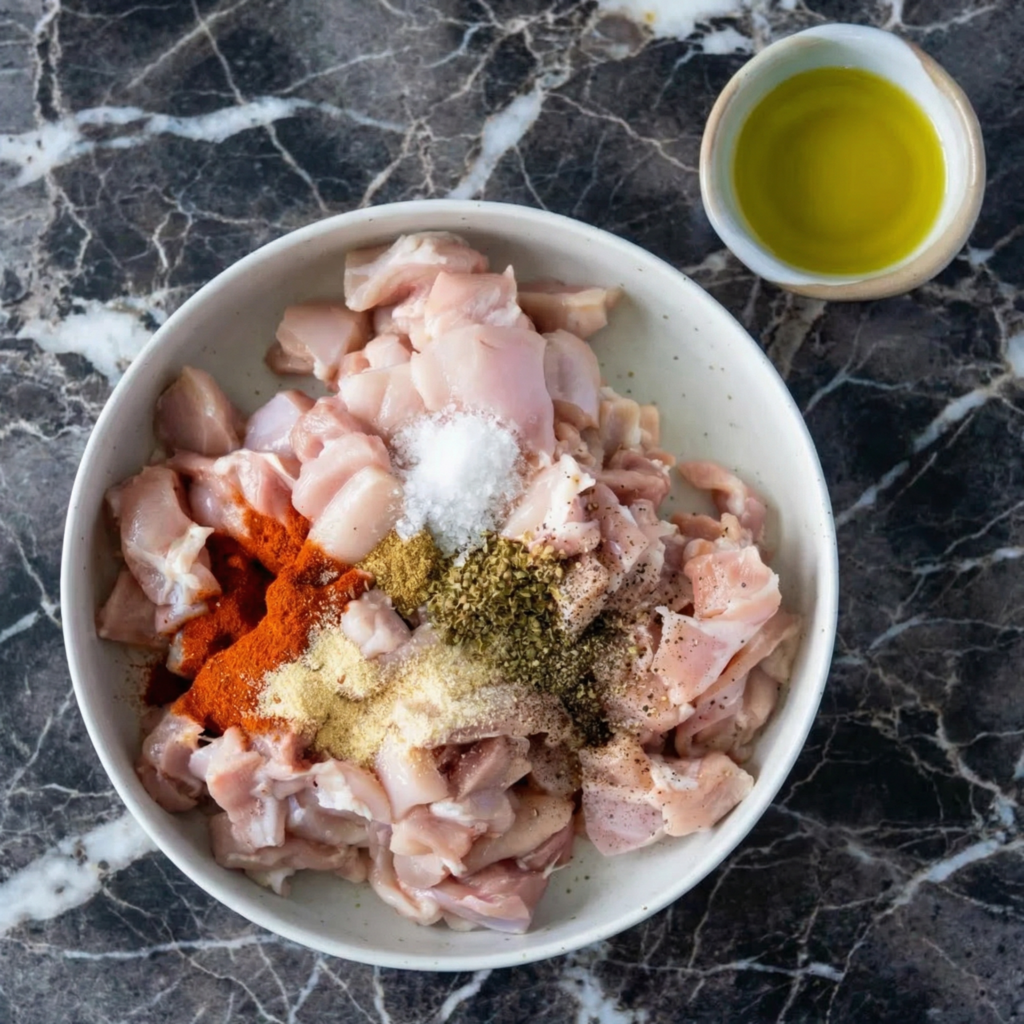
    If you don’t already have cooked chicken, start by seasoning chicken breast or thighs with chili powder, cumin, paprika, garlic powder, salt, and pepper.

    Cook the chicken in a skillet with a little olive oil over medium heat for about 6–8 minutes per side, or until fully cooked.

    Once done, allow it to cool slightly, then shred or dice the meat into bite-sized pieces.

    Using leftover roasted or rotisserie chicken also works perfectly and saves time.


    Step 2: Cook the Vegetables

    Heat 1 tablespoon of olive oil in a skillet over medium heat.

    Add the chopped onion and sliced bell pepper, cooking for about 3–4 minutes until softened and slightly caramelized.

    This step enhances the flavor and adds a little sweetness that complements the savory chicken and cheese.

    Once cooked, remove the vegetables from the pan and set aside.


    Step 3: Combine the Filling

    In a mixing bowl, combine the shredded chicken with the cooked onions and peppers.

    Taste the mixture and adjust seasoning with a pinch of salt or extra spices if desired.

    Mixing the filling beforehand ensures each quesadilla has evenly distributed flavor.


    Step 4: Prepare the Tortillas

    Lay the tortillas flat on a clean surface.

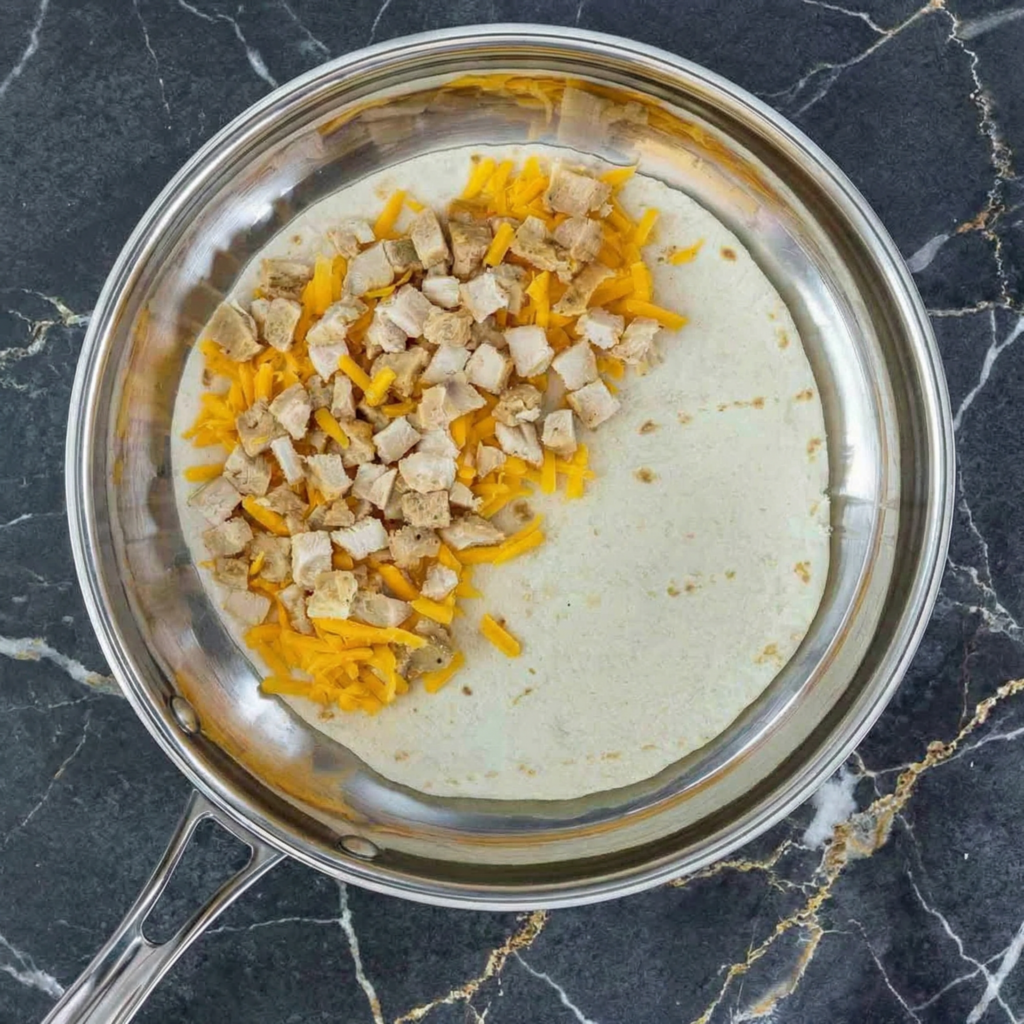
    Sprinkle a layer of shredded cheese over half of each tortilla. The cheese acts as a “glue” that holds the filling together once melted.

    Next, add a generous scoop of the chicken mixture over the cheese.

    Top with another layer of shredded cheese before folding the tortilla in half.

    The double layer of cheese helps ensure every bite is deliciously gooey.


    Step 5: Heat the Skillet

    Place a large skillet or griddle over medium heat.

    Add a small amount of butter or oil and allow it to melt completely.

    The fat helps the tortilla crisp up while adding rich flavor.


    Step 6: Cook the Quesadillas

    Place one or two folded quesadillas into the skillet, depending on its size.

    Cook for about 3–4 minutes on the first side until the tortilla becomes golden brown and crispy.

    Carefully flip the quesadilla and cook the other side for another 2–3 minutes until the cheese melts and the tortilla is evenly toasted.

    Press gently with a spatula while cooking to help the filling heat evenly.


    Step 7: Rest and Slice

    Transfer the cooked quesadilla to a cutting board and let it rest for about one minute.

    This short resting period allows the melted cheese to settle slightly so the filling doesn’t spill out when sliced.

    Use a pizza cutter or sharp knife to slice each quesadilla into wedges.


    Step 8: Prepare the Remaining Quesadillas

    Repeat the cooking process with the remaining tortillas and filling.

    Add more butter or oil to the skillet if needed to maintain a crispy texture.

    Work in batches to avoid overcrowding the pan.


    Step 9: Serve with Toppings

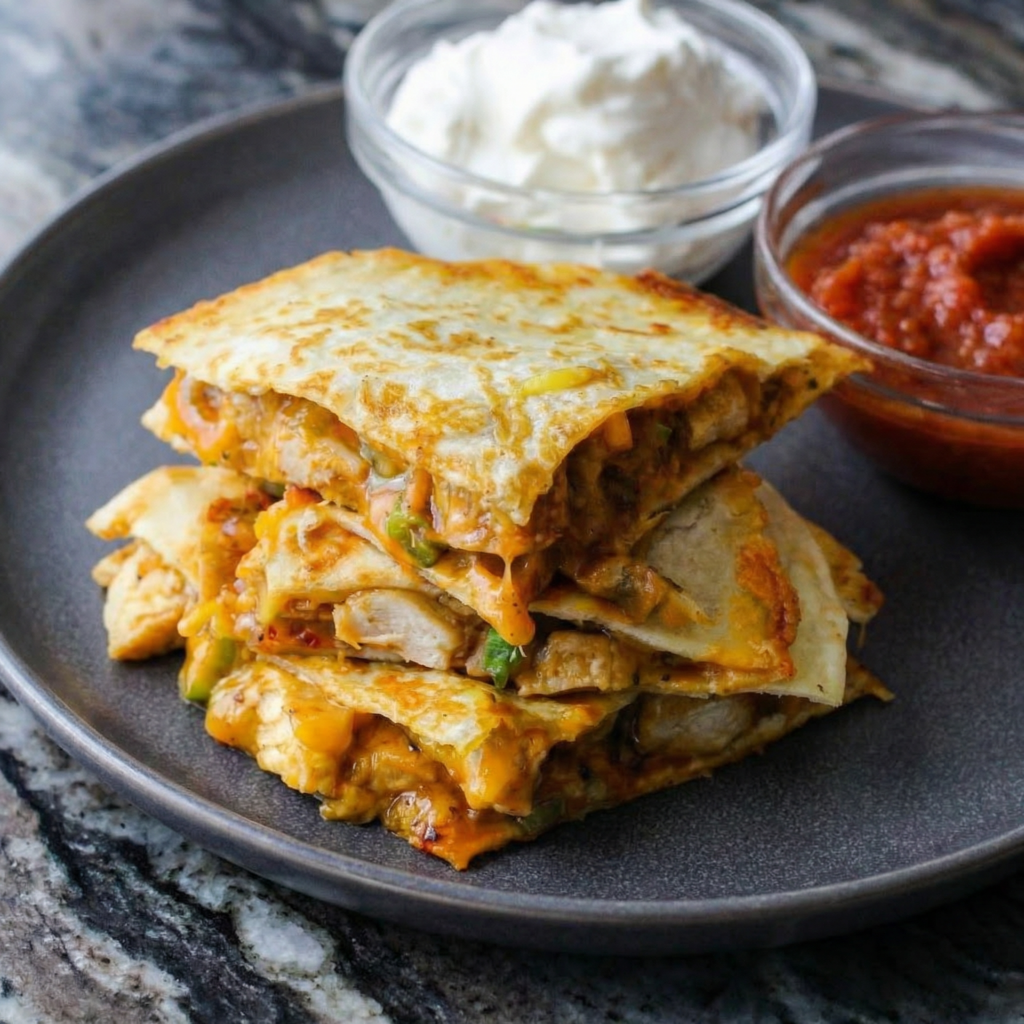
    Arrange the sliced quesadillas on a serving plate.

    Serve them with your favorite toppings such as sour cream, salsa, guacamole, or fresh cilantro.

    The creamy and tangy toppings complement the cheesy filling perfectly.


    Tips for the Best Chicken Quesadillas

    For the most delicious results, keep these tips in mind:

    Use good melting cheese. Monterey Jack, cheddar, Oaxaca, or a Mexican cheese blend melt beautifully.

    Don’t overfill. Too much filling can cause the quesadilla to fall apart while cooking.

    Cook over medium heat. This allows the cheese to melt fully without burning the tortilla.

    Crisp both sides. A golden, crunchy exterior makes all the difference.


    Flavor Variations

    Once you master the basic recipe, you can experiment with different flavors.

    Try adding:

    • Corn or black beans for extra texture
    • Jalapeños for heat
    • Mushrooms for a savory twist
    • Chipotle sauce for smoky flavor
    • Avocado slices for creaminess

    Chicken quesadillas are incredibly flexible, making them perfect for using up leftovers or trying new combinations.


    Final Thoughts

    Chicken quesadillas are the ultimate combination of simplicity and flavor. With crispy tortillas, seasoned chicken, sautéed vegetables, and melted cheese, every bite delivers satisfying textures and bold taste.

    Best of all, they come together quickly with everyday ingredients, making them perfect for busy weeknights or relaxed weekend meals. Once you master this recipe, you’ll have a go-to dish that everyone will love.

    Serve them hot, add your favorite toppings, and enjoy a plate of homemade chicken quesadillas that taste every bit as good as restaurant versions—maybe even better.

  • Crispy, Golden, and Loaded: The Ultimate Chicken Chimichangas You Can Make at Home

    Crispy, Golden, and Loaded: The Ultimate Chicken Chimichangas You Can Make at Home

    If you love burritos but crave something crispy, indulgent, and packed with bold flavor, Chicken Chimichangas are about to become your new obsession.

    These deep-fried (or baked!) burritos are stuffed with seasoned shredded chicken, melty cheese, and savory fillings, then cooked until perfectly golden and crunchy on the outside.

    Every bite delivers a satisfying crunch followed by warm, flavorful filling that’s pure comfort food.

    The best part?

    They’re surprisingly easy to make at home. Follow this step-by-step guide and you’ll have restaurant-style chimichangas fresh from your own kitchen.


    Ingredients You’ll Need

    For the Chicken Filling:

    • 2 cups cooked shredded chicken (rotisserie works great)
    • 1 tablespoon olive oil
    • ½ small onion, finely diced
    • 2 cloves garlic, minced
    • 1 teaspoon chili powder
    • 1 teaspoon ground cumin
    • ½ teaspoon smoked paprika
    • ½ teaspoon salt
    • ¼ teaspoon black pepper
    • ½ cup salsa
    • 1 cup shredded Mexican blend or cheddar cheese

    For Assembling:

    • 4 large flour tortillas
    • Vegetable oil (for frying)

    Optional Toppings:

    • Sour cream
    • Guacamole
    • Shredded lettuce
    • Diced tomatoes
    • Chopped cilantro
    • Salsa

    Step 1: Prepare the Chicken Filling

    Heat olive oil in a skillet over medium heat. Add the diced onion and cook for 3–4 minutes until softened. Stir in the minced garlic and cook for another 30 seconds until fragrant.

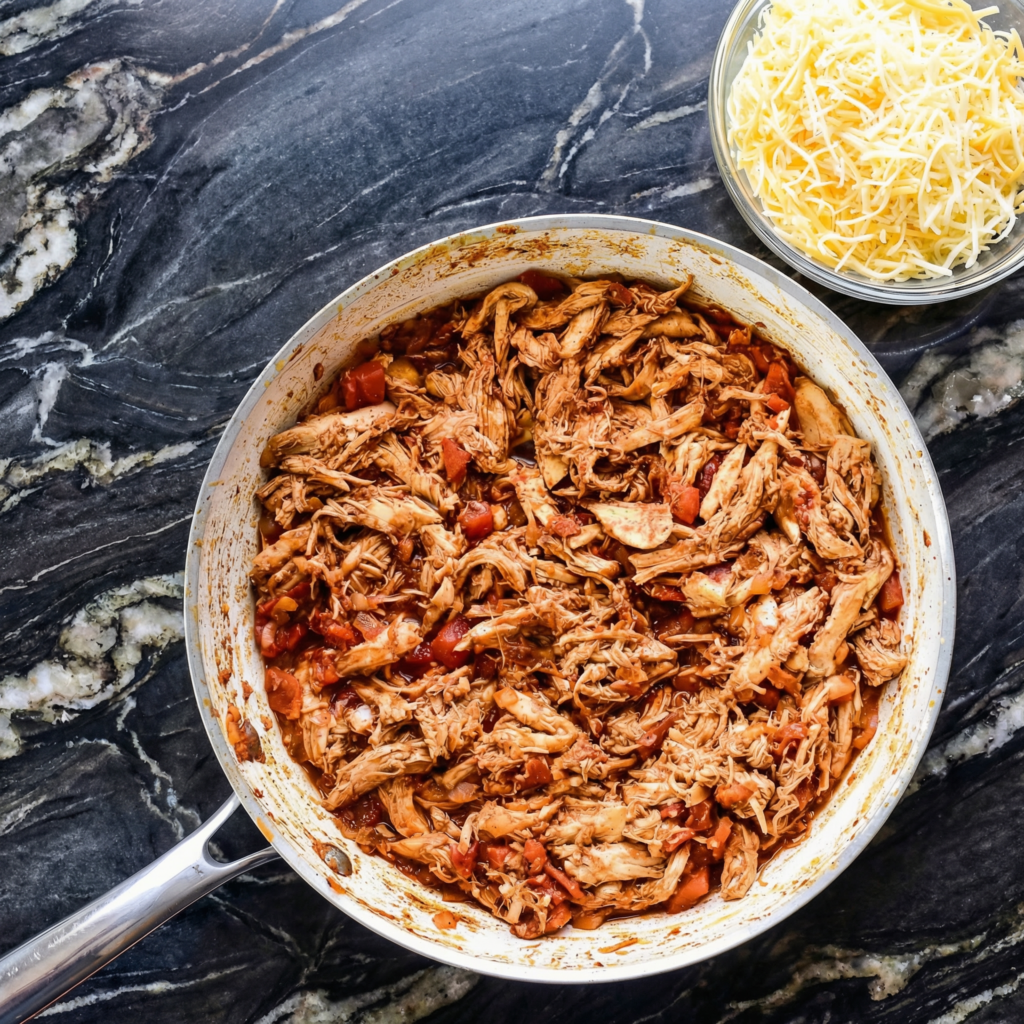
    Add the shredded chicken to the skillet. Sprinkle in the chili powder, cumin, smoked paprika, salt, and black pepper. Stir well to coat the chicken evenly with the spices.

    Pour in the salsa and cook for 2–3 minutes, allowing everything to heat through and the flavors to blend. Remove from heat and stir in the shredded cheese while the mixture is still warm. The cheese should begin to melt slightly, creating a creamy filling.


    Step 2: Warm the Tortillas

    Warm the flour tortillas in the microwave for about 20–30 seconds. This makes them more pliable and less likely to tear when folding.

    Lay them flat on a clean surface, ready for assembly.


    Step 3: Assemble the Chimichangas

    Spoon about ½ to ¾ cup of the chicken mixture into the center of each tortilla. Be careful not to overfill, as this can make rolling difficult.

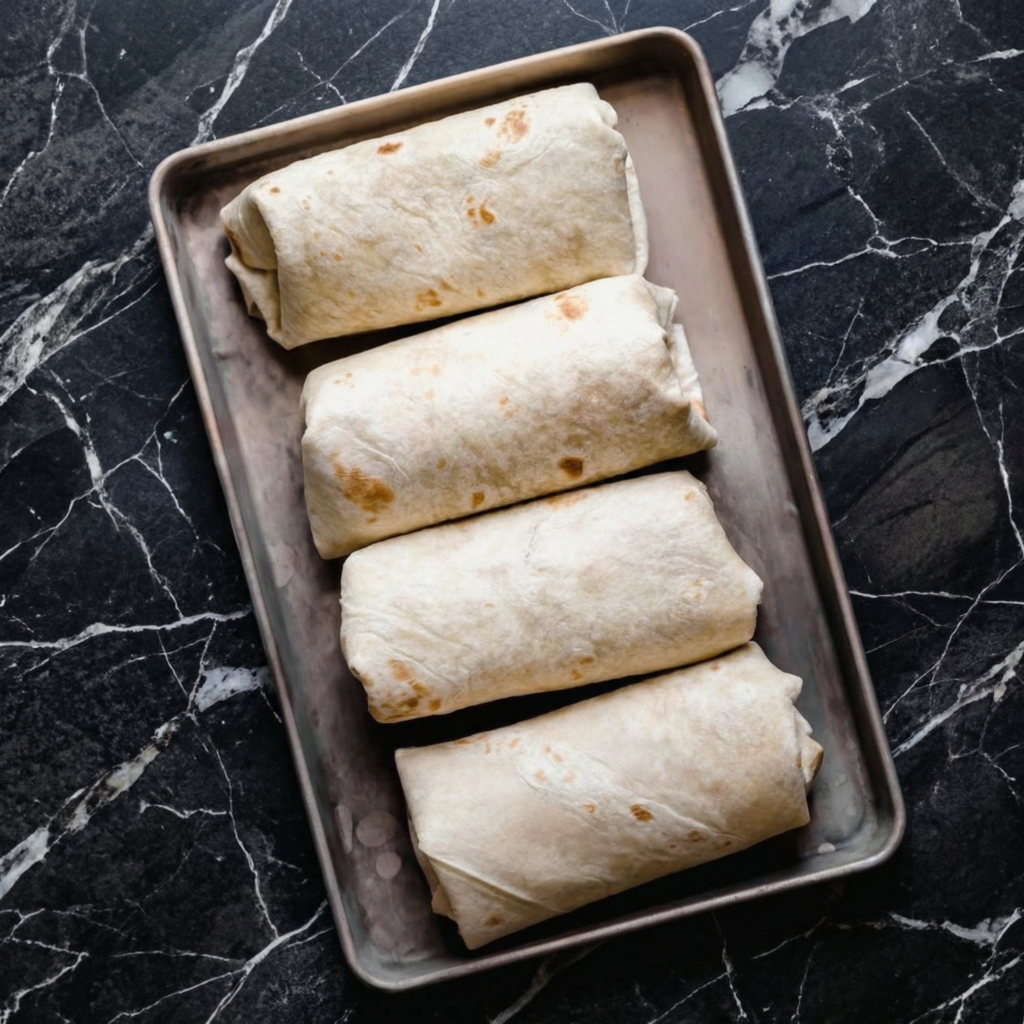
    Fold the sides inward first, then roll the tortilla tightly from the bottom up, burrito-style. The filling should be fully enclosed.

    Place each rolled chimichanga seam-side down on a plate while you finish assembling the rest.


    Step 4: Heat the Oil

    Pour about 1–2 inches of vegetable oil into a deep skillet or heavy-bottomed pot.

    Heat over medium heat until the oil reaches about 350°F (175°C). If you don’t have a thermometer, drop in a small piece of tortilla—if it sizzles immediately, the oil is ready.


    Step 5: Fry Until Golden

    Carefully place one or two chimichangas seam-side down into the hot oil. Do not overcrowd the pan.

    Fry for 2–3 minutes per side, turning carefully with tongs, until golden brown and crispy all over.

    Remove and place on a plate lined with paper towels to drain excess oil. Repeat with remaining chimichangas.


    Step 6: Alternative Baking Method

    If you prefer a lighter option, brush each chimichanga lightly with oil and place seam-side down on a baking sheet.

    Bake at 400°F (200°C) for 20–25 minutes, flipping halfway through, until crispy and golden.

    While not as deeply crispy as fried, the baked version is still delicious and satisfying.


    Step 7: Add Toppings and Serve

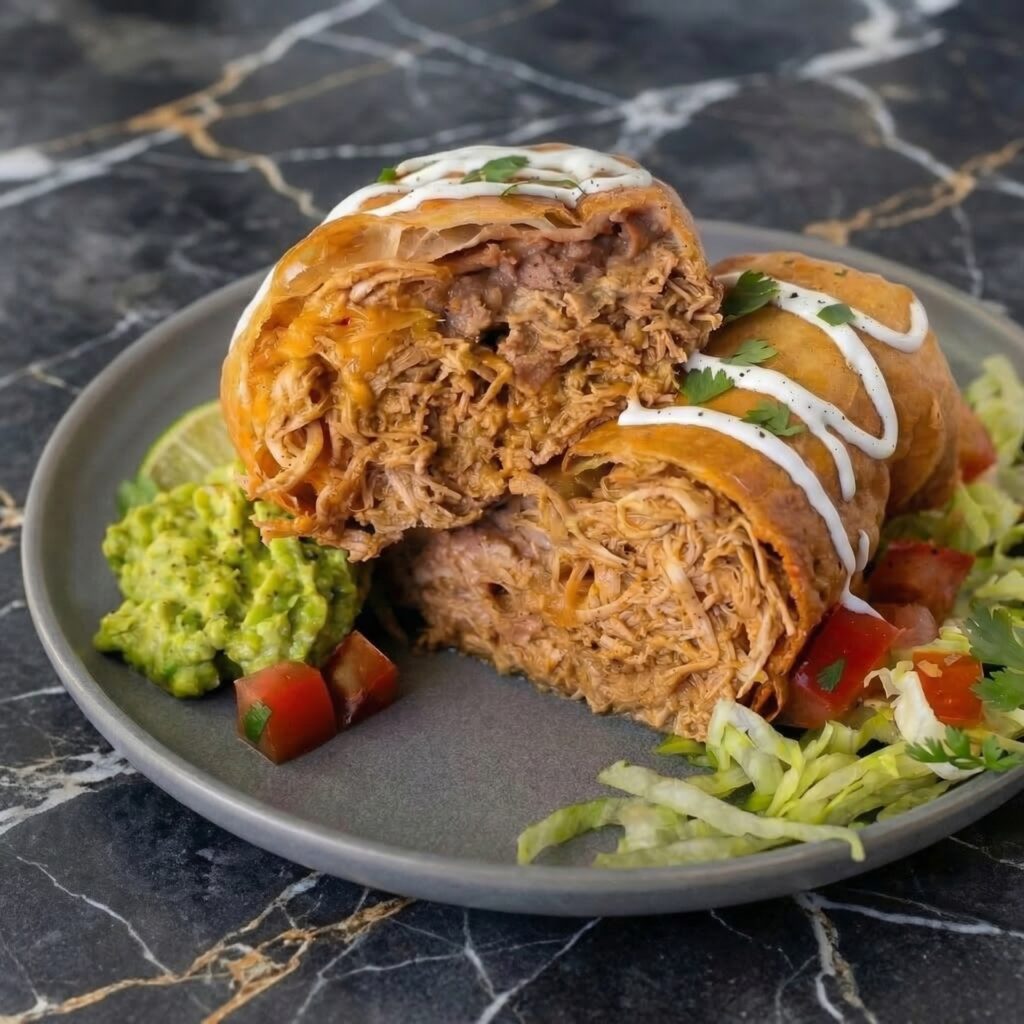
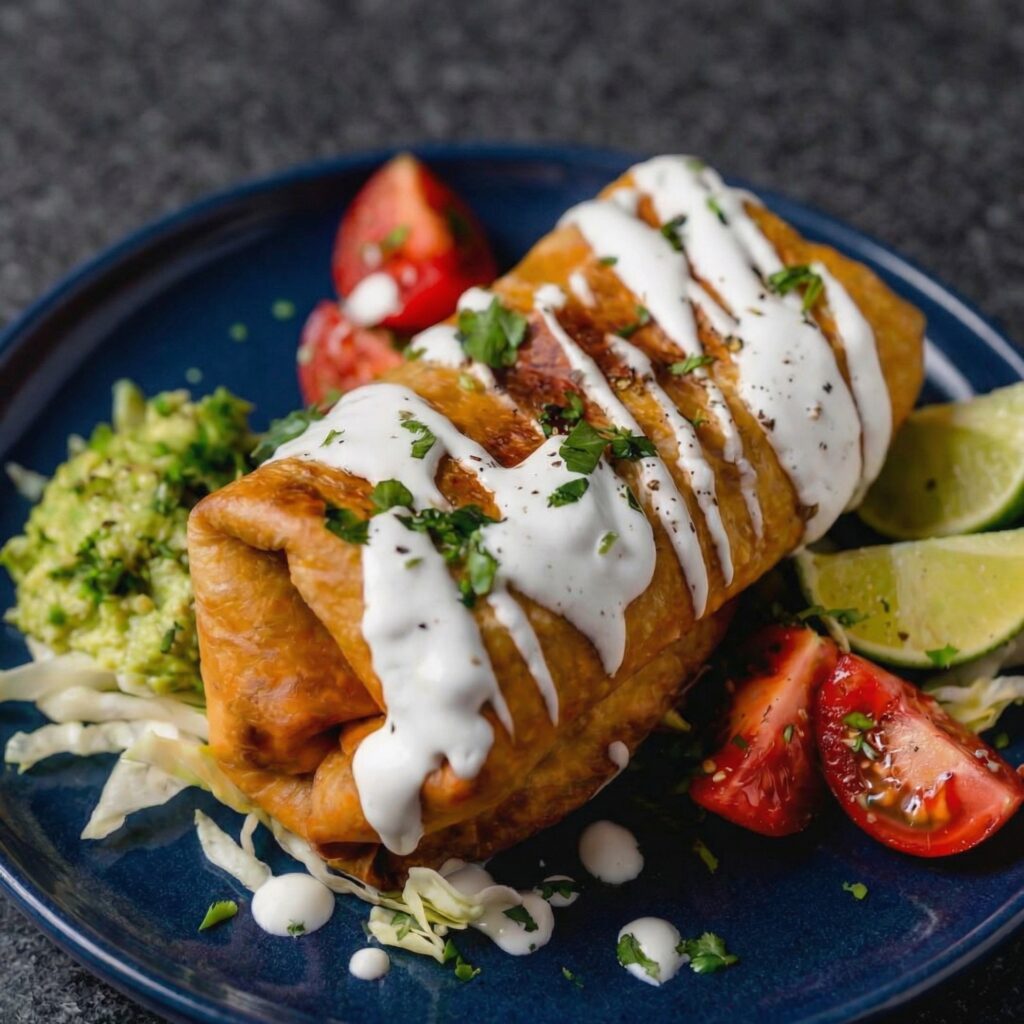
    Place the hot chimichangas on serving plates. Top with sour cream, guacamole, shredded lettuce, diced tomatoes, or extra salsa.

    For an extra indulgent touch, drizzle with warm queso or enchilada sauce before serving.

    Serve immediately while crispy and hot.


    Pro Tips for Perfect Chimichangas

    • Don’t overfill the tortillas to prevent bursting during frying.
    • Secure tightly when rolling to keep everything sealed.
    • Maintain oil temperature for even browning and crispiness.
    • Drain properly on paper towels to avoid sogginess.
    • Use rotisserie chicken for quick prep and extra flavor.

    Flavor Variations

    Once you master the classic chicken version, try these creative ideas:

    • Spicy Jalapeño Chicken: Add diced jalapeños to the filling.
    • Creamy Version: Stir in a few tablespoons of cream cheese for extra richness.
    • Bean & Rice Add-In: Add seasoned rice or refried beans for a heartier filling.
    • Buffalo Chicken Twist: Mix shredded chicken with buffalo sauce and mozzarella.

    Make-Ahead and Storage

    Chimichangas can be assembled ahead of time and stored in the refrigerator for up to 24 hours before cooking.

    Cooked chimichangas can be stored in an airtight container for up to 3 days. Reheat in the oven at 375°F until warmed through and crispy again.

    They also freeze well—wrap tightly in foil and freeze for up to 2 months.


    Why This Recipe Works

    Chicken chimichangas combine contrasting textures and bold flavors.

    The seasoned chicken filling is savory and slightly saucy, while the melted cheese binds everything together. Frying creates that irresistible crispy shell that makes chimichangas stand apart from regular burritos.

    They’re customizable, crowd-pleasing, and perfect for weeknight dinners or festive gatherings.


    Final Thoughts

    Chicken Chimichangas are comfort food at its finest—crispy on the outside, cheesy and flavorful on the inside.

    With just a handful of ingredients and simple techniques, you can recreate this restaurant favorite in your own kitchen.

    Whether you fry them for maximum crunch or bake them for a lighter option, these chimichangas deliver big flavor and satisfying texture every time.

    Serve them with your favorite toppings, gather around the table, and enjoy every golden, crunchy bite.

  • Brownie Cookies (Fudgy, Crackly & So Easy!)

    Brownie Cookies (Fudgy, Crackly & So Easy!)

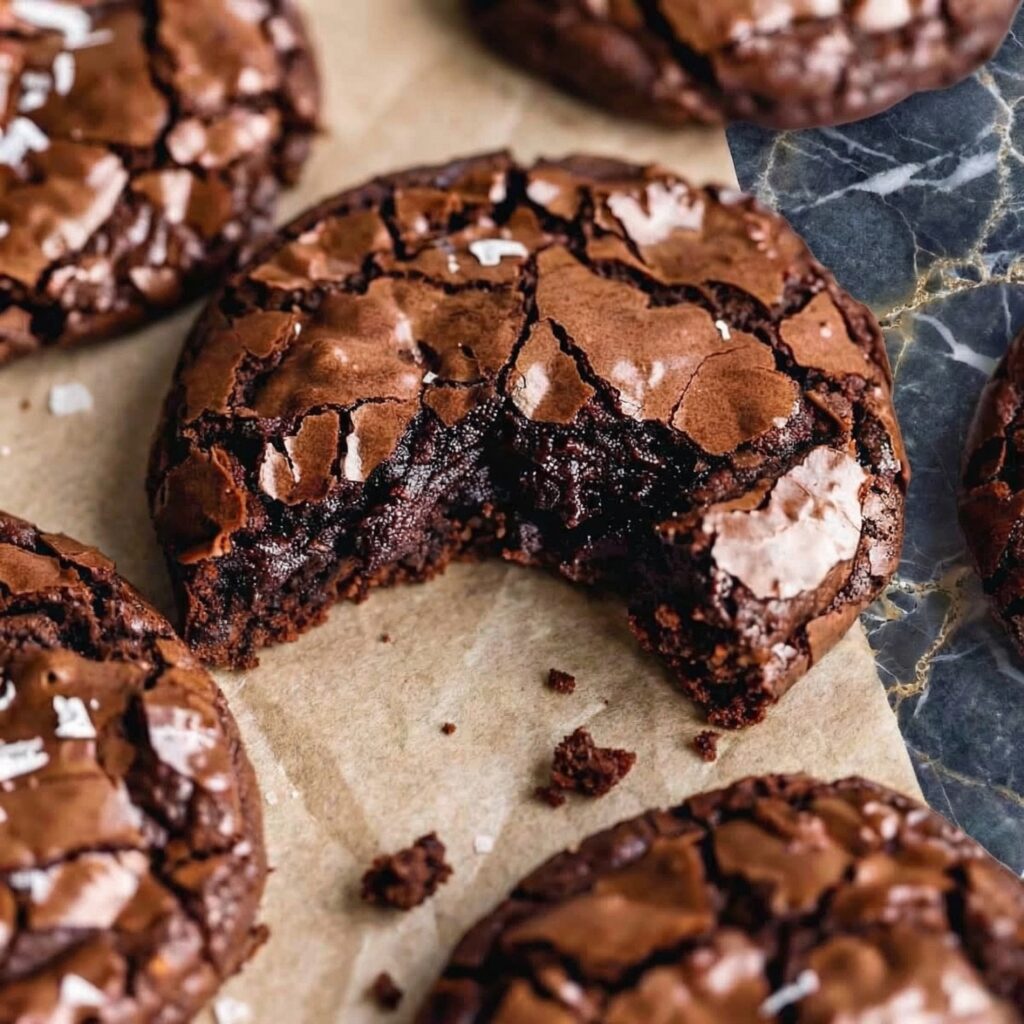
    Let’s settle this once and for all: brownies or cookies? With this recipe, you never have to choose again. These Brownie Cookies deliver the best of both worlds—that fudgy, dense, almost melt-in-your-mouth texture of a perfect brownie, shaped into a portable, shareable cookie with that iconic crackly, glossy top.

    What makes this recipe truly dangerous is how simple it is. There’s no mixer required, no chilling time (unless you want it!), and everything comes together in a single bowl. In about 20 minutes, you can be pulling a tray of these deeply chocolatey beauties out of the oven. They’re like the sophisticated, ultra-chocolatey cousin of your favorite childhood cookie. Prepare to fall in love.

    Ingredients

    Yields about 12-14 cookies.

    For the Brownie Cookies:

    • ½ cup (115g) unsalted butter
    • 1 ¼ cups (250g) granulated sugar
    • ¾ cup (65g) unsweetened cocoa powder (Dutch-process recommended for deep color)
    • ¼ teaspoon salt
    • 2 large eggs, cold straight from the fridge
    • 1 teaspoon vanilla extract
    • ¾ cup (95g) all-purpose flour
    • ½ teaspoon baking powder

    Optional Mix-Ins:

    • ½ cup (85g) semi-sweet chocolate chips or chunks
    • ½ cup chopped walnuts or pecans
    • Flaky sea salt for sprinkling

    Step-by-Step Instructions

    1. Preheat and Prepare:

    1. Preheat your oven to 350°F (175°C). Line two large baking sheets with parchment paper or silicone baking mats.

    2. Melt the Butter:

    1. In a medium-large saucepan or a microwave-safe bowl, melt the butter completely. If using a saucepan, remove it from the heat once melted.
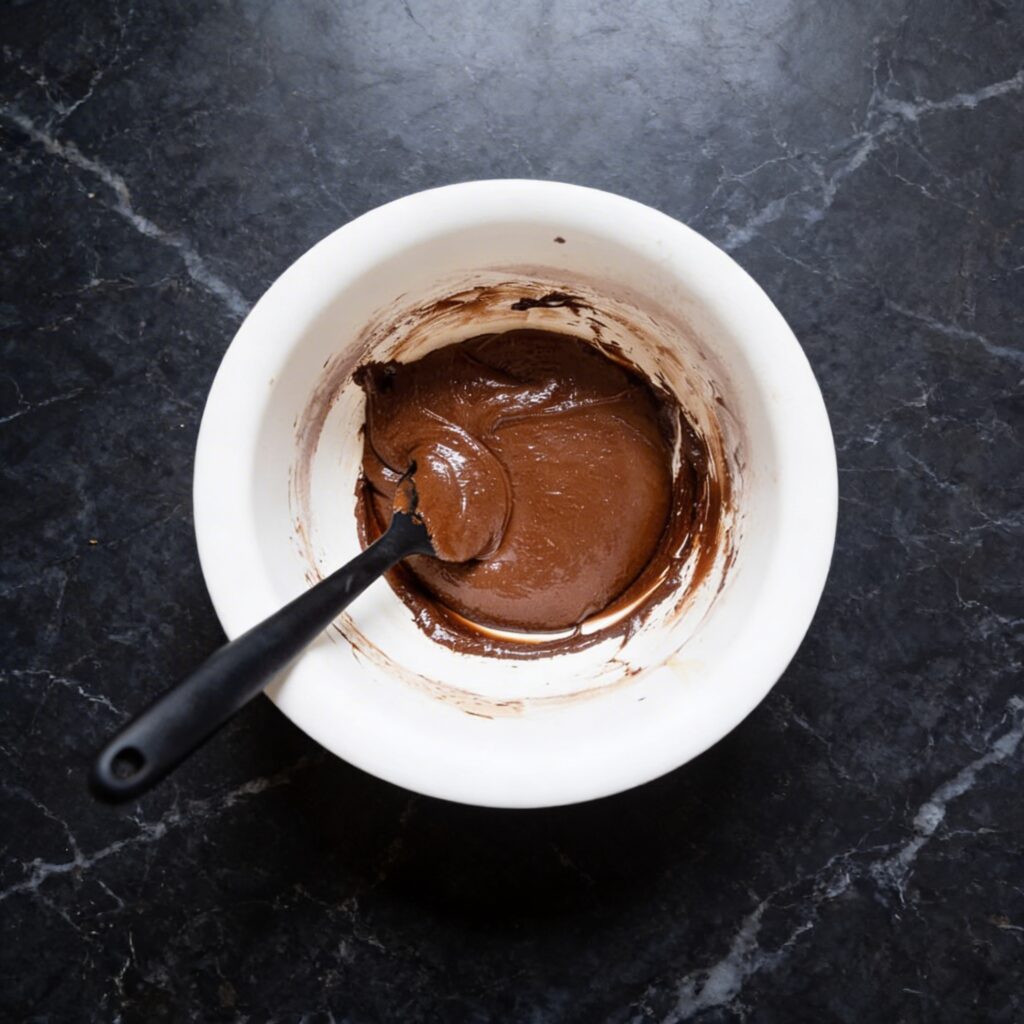
    2. Add the granulated sugar, cocoa powder, and salt to the warm melted butter. Whisk vigorously until everything is combined and the mixture looks like a thick, grainy paste. It will be quite thick—this is normal!
    3. Let the mixture cool for 2-3 minutes. It should be warm but not hot to the touch. This is important so you don’t scramble the eggs in the next step.

    3. Add the Eggs and Vanilla:

    1. Add the cold eggs one at a time, whisking vigorously after each addition. The mixture will go from thick and pasty to smooth, glossy, and beautifully fudgy. This is where that crackly top magic starts to happen!
    2. Whisk in the vanilla extract.

    4. Add the Dry Ingredients:

    1. Sprinkle the flour and baking powder over the chocolate mixture.
    2. Fold gently with a spatula until just combined. Be careful not to overmix. If you’re adding chocolate chips or nuts, fold them in now.
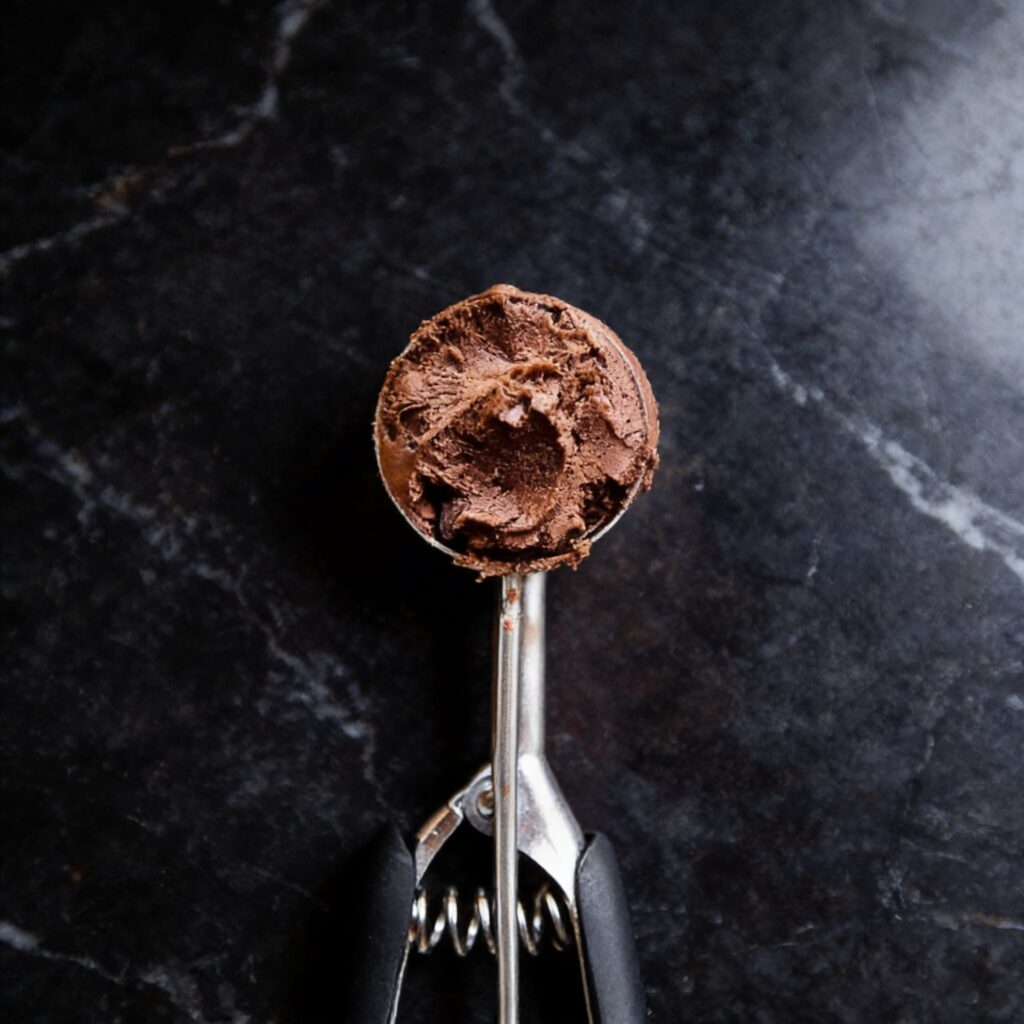
    3. The batter will be soft, sticky, and fudgy—more like a thick brownie batter than a typical cookie dough. This is exactly what you want!

    5. Scoop and Bake:

    1. Using a cookie scoop or two tablespoons, drop rounded scoops of dough onto the prepared baking sheets, spacing them about 2 inches apart. The cookies will spread, so give them room.
    2. For that perfect crackly top, bake immediately. Do not flatten the dough balls—they will spread on their own.
    3. Bake for 10-12 minutes. The cookies will look puffed, crackly, and the edges should look set while the centers still appear slightly soft and underdone.
    4. Let the cookies cool on the baking sheet for 5-10 minutes. They are very fragile when hot! As they cool, they will set up and develop that perfect fudgy texture.
    5. Transfer to a wire rack to cool completely, or enjoy warm with a glass of cold milk!

    Baker’s Tips for Perfect Brownie Cookies

    • Cold Eggs Are Key: Unlike most baking recipes where eggs should be room temperature, this recipe calls for cold eggs. They help the mixture thicken properly and contribute to that shiny, crackly crust.
    • Whisk Vigorously: When you add the eggs, really give it some elbow grease. This incorporates air and helps dissolve the sugar, which is essential for creating that beautiful crackly top.
    • Don’t Overbake: The secret to fudgy brownie cookies is pulling them out when they still look slightly underdone in the center. They will continue to bake and set up on the hot baking sheet as they cool.
    • Dutch-Process Cocoa: For the deepest, darkest color and richest flavor, Dutch-process cocoa is your best friend here. Natural cocoa works too, but the color will be lighter and the flavor slightly different.
    • Let Them Cool: I cannot stress this enough—these cookies are incredibly soft and fragile straight out of the oven. Let them rest on the pan for at least 5-10 minutes before attempting to move them.

    Summary

    Prep Time: 10 minutes | Cook Time: 12 minutes | Cooling Time: 10 minutes | Total Time: 32 minutes

    Yield: 12-14 cookies

    Difficulty: Easy

    Storage and Make-Ahead Tips

    How to Store:

    Store brownie cookies in an airtight container at room temperature for up to 5 days. Place a piece of parchment paper between layers to prevent sticking. They actually get even fudgier the next day!

    Can You Freeze the Dough?

    Absolutely! Scoop the dough into balls and place them on a parchment-lined baking sheet. Freeze until solid, then transfer the frozen dough balls to a freezer bag. Bake from frozen, adding 1-2 minutes to the baking time.

    Freezing Baked Cookies:

    Baked brownie cookies freeze beautifully. Place them in a single layer in a freezer-safe container with parchment between layers. Freeze for up to 3 months. Thaw at room temperature or warm gently in the microwave for a few seconds.

  • 3-Ingredient Chocolate Crispy Squares (No-Bake!)

    3-Ingredient Chocolate Crispy Squares (No-Bake!)

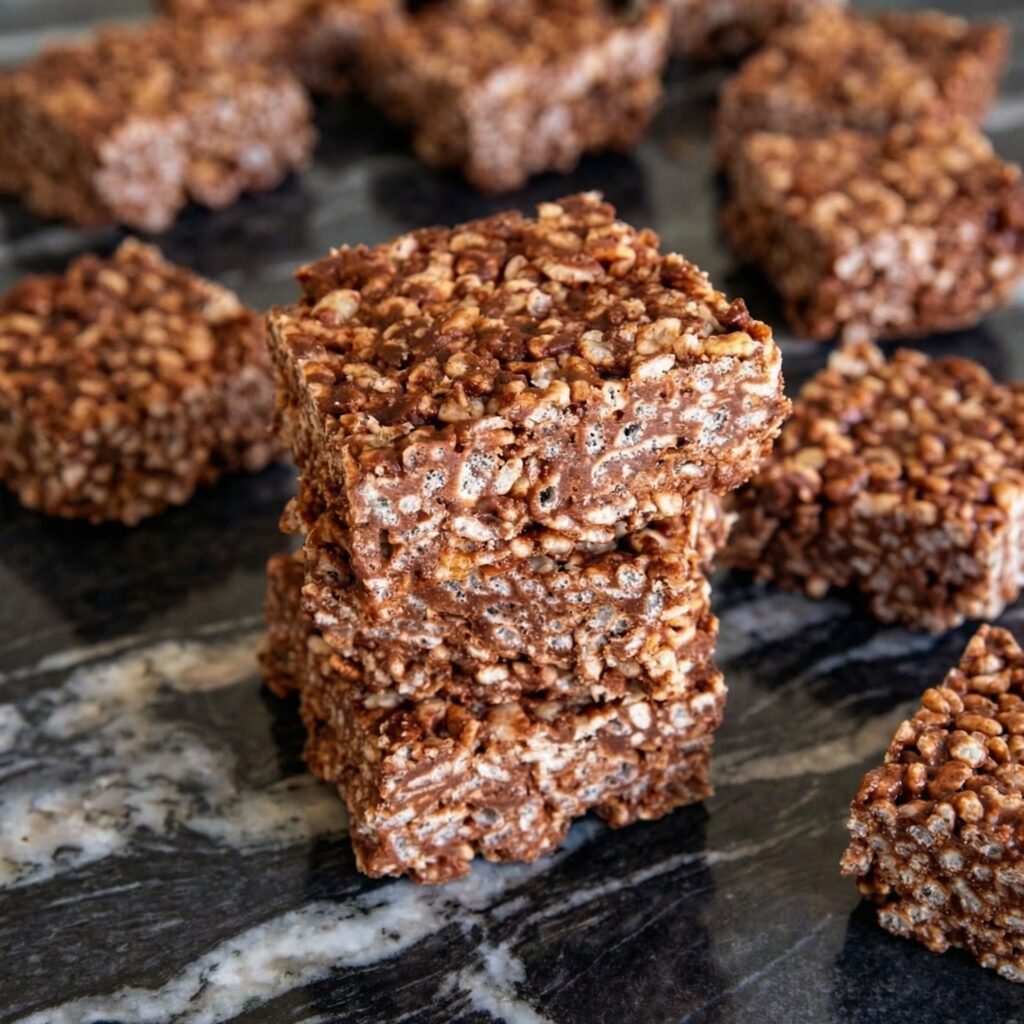
    Sometimes the best recipes are the simplest ones. These Chocolate Crispy Squares are proof that you don’t need fancy ingredients or hours in the kitchen to create something absolutely irresistible. With just a handful of pantry staples, you can whip up a batch of these chewy, crunchy, chocolatey treats in less than 15 minutes.

    I don’t know about you, but these take me straight back to childhood birthday parties and school bake sales. They’re nostalgic, they’re foolproof, and they’re dangerously easy to eat by the handful. Whether you’re making them with little ones (no oven required!) or need a last-minute dessert for a potluck, these crispy squares always deliver. Let’s get stirring!

    Ingredients

    Makes 16 squares (8×8 inch pan).

    For the Crispy Squares:

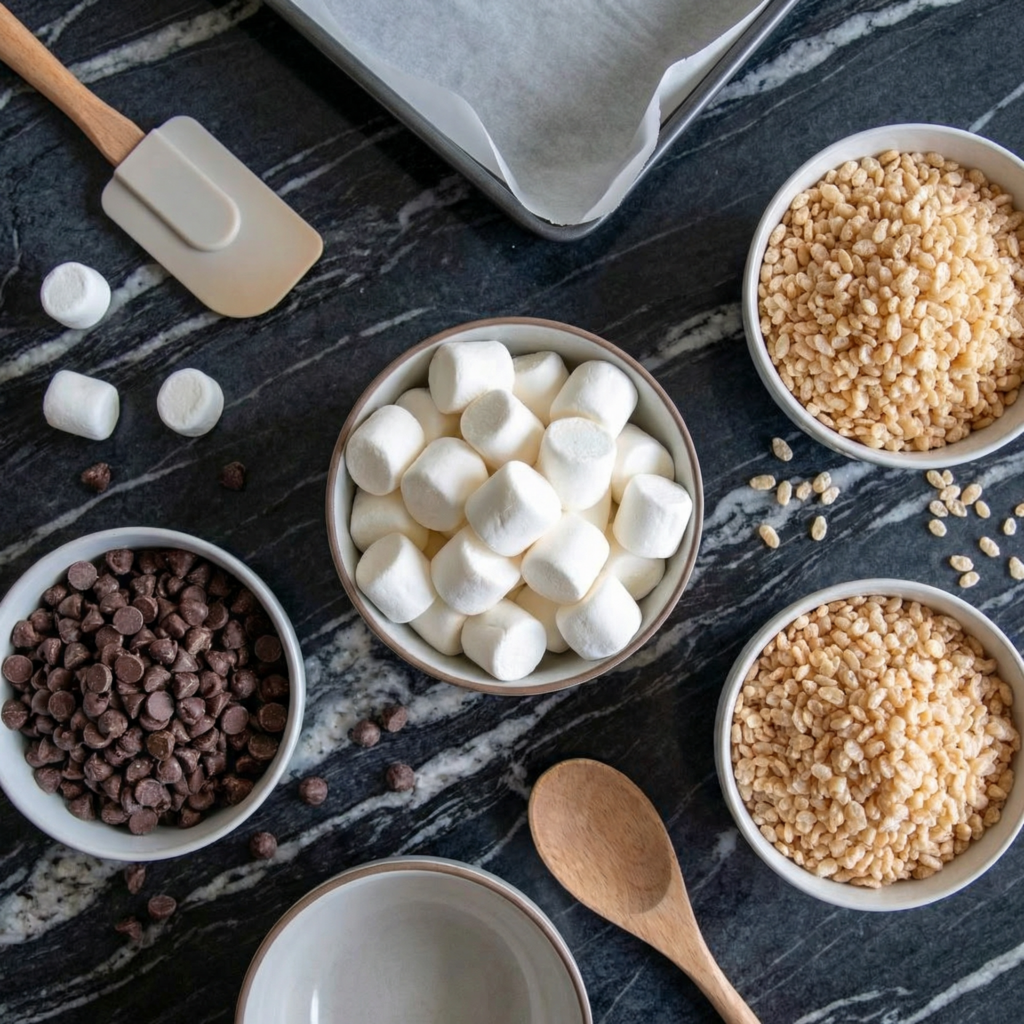
    • 4 tablespoons (60g) unsalted butter
    • 1 package (10 oz or about 280g) mini marshmallows (regular size works too, but mini melt faster)
    • 6 cups (about 170g) crispy rice cereal (such as Rice Krispies)

    For the Chocolate Version (Choose Your Adventure):

    Option A: Cocoa Powder

    • ¼ cup (25g) unsweetened cocoa powder, sifted (added with the marshmallows)

    Option B: Melted Chocolate

    • 1 cup (175g) milk or semi-sweet chocolate chips (melted and mixed in)

    Optional Toppings:

    • Flaky sea salt
    • Sprinkles for holidays
    • Drizzled white chocolate
    • Mini chocolate chips

    Step-by-Step Instructions

    1. Prepare Your Pan:

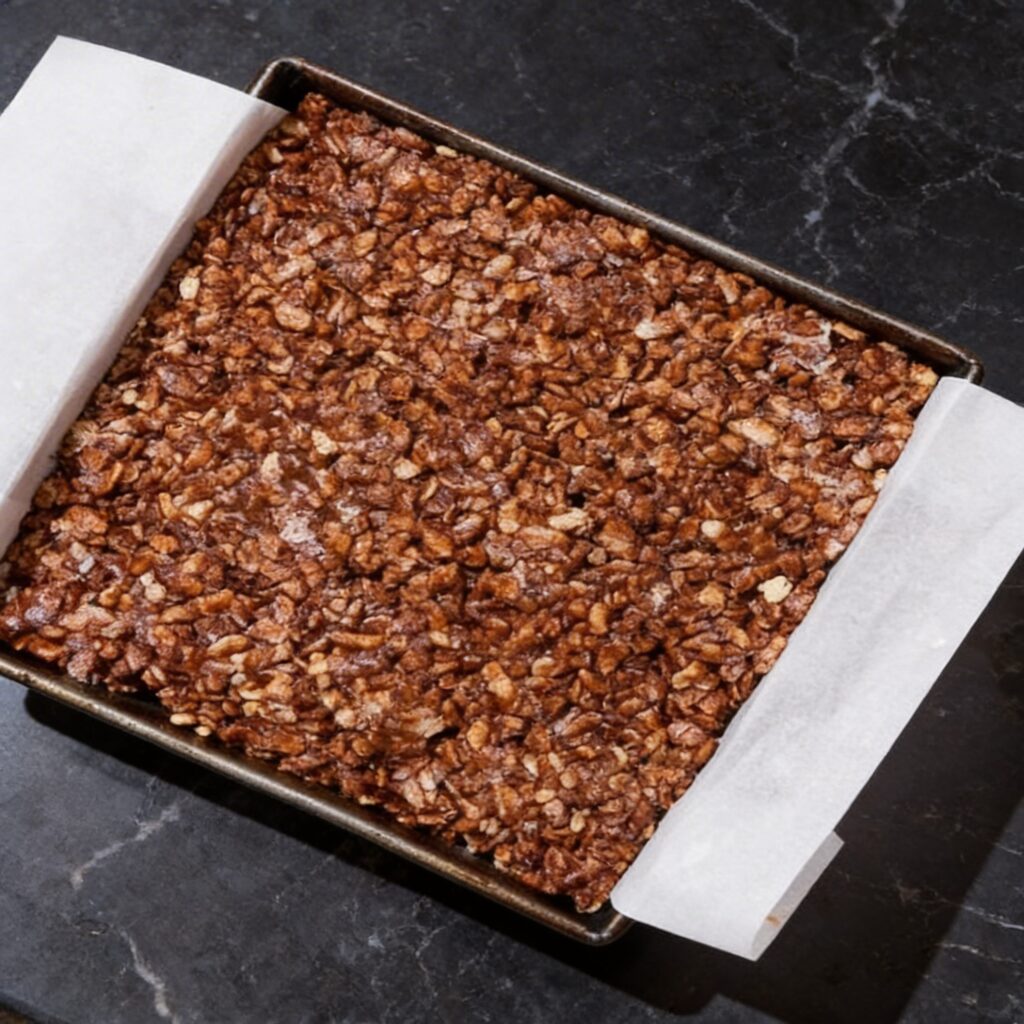
    1. Line an 8×8 inch square baking pan with parchment paper, leaving an overhang on two opposite sides. This will act as handles to lift the squares out later. Lightly grease the parchment with butter or non-stick spray.

    2. Melt the Butter and Marshmallows:

    1. In a large pot (really large—you’ll need room for the cereal!), melt the butter over low heat.
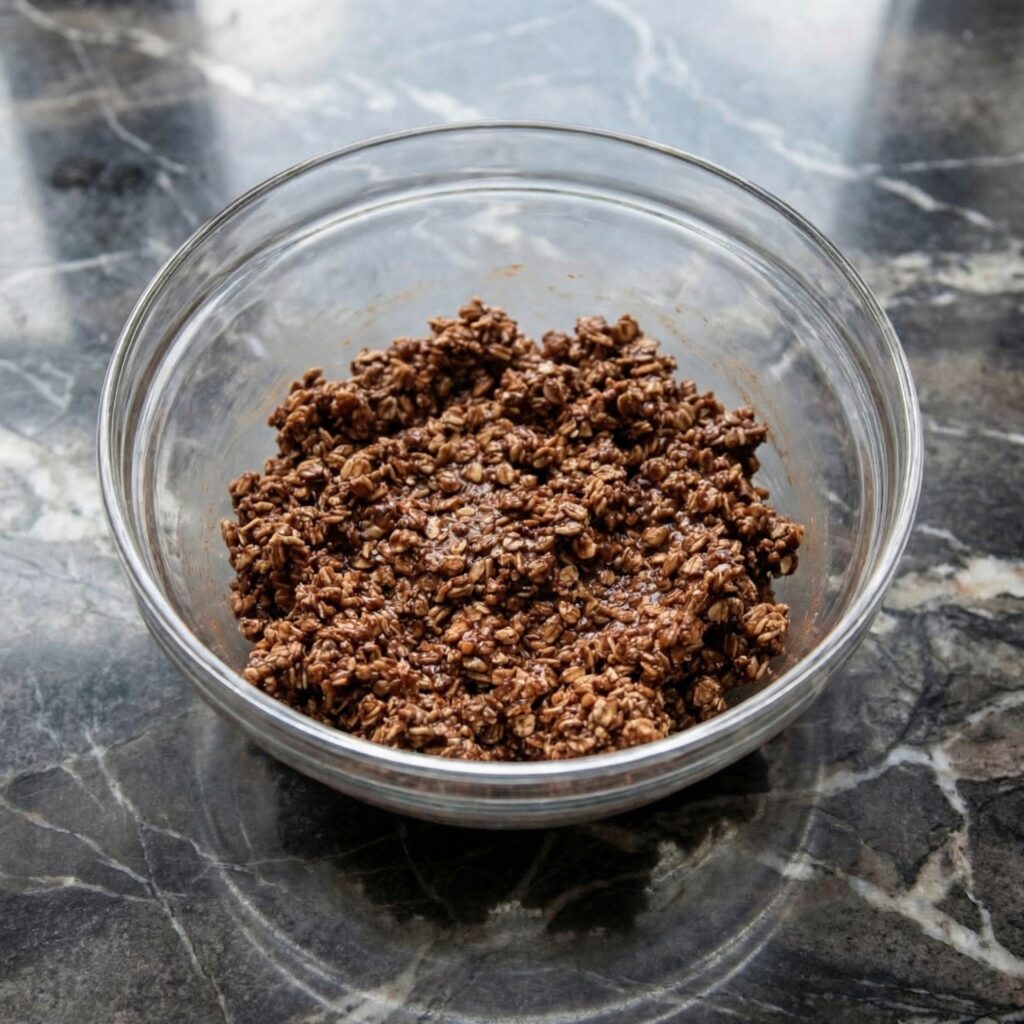
    2. Add the mini marshmallows and stir continuously with a silicone spatula or wooden spoon until the marshmallows are completely melted and smooth.
    3. If using cocoa powder: Sift the cocoa powder into the pot and stir vigorously until fully incorporated and no streaks remain.
    4. Remove the pot from the heat immediately. Overheating can make the squares tough.

    3. Add the Cereal:

    1. Pour the crispy rice cereal into the pot.
    2. Fold gently until all the cereal is evenly coated in the marshmallow mixture. Be careful not to crush the cereal—you want those crispy clusters!
    3. If using melted chocolate: If you’re adding melted chocolate instead of cocoa, gently fold it in now until just combined.

    4. Press Into Pan:

    1. Transfer the mixture to your prepared pan.
    2. Here’s the trick: lightly grease your hands or the back of a spatula with butter or non-stick spray. Gently press the mixture evenly into the pan. Don’t press too hard, or the squares will be rock hard—just firm enough to hold together.

    5. Cool and Set:

    1. Let the squares sit at room temperature for about 30-60 minutes until completely set.
    2. If you’re in a hurry, you can pop them in the refrigerator for 15-20 minutes to speed up the process.

    6. Slice and Serve:

    1. Use the parchment overhang to lift the whole block out of the pan.
    2. Place on a cutting board and slice into 16 squares (or larger bars if you prefer!). A sharp knife works best—wipe it clean between cuts for neat edges.

    Fun Variations to Try

    Peanut Butter Chocolate: Stir ⅓ cup of creamy peanut butter into the marshmallow mixture before adding the cereal. Use chocolate cereal for double the chocolate!

    Salted Caramel: Drizzle caramel sauce over the pressed squares and sprinkle with flaky sea salt before they set.

    Mint Chocolate: Use chocolate-flavored crispy cereal and add ½ teaspoon peppermint extract to the marshmallow mixture. Top with crushed candy canes for the holidays.

    S’mores Squares: Mix in ½ cup mini marshmallows and ½ cup crushed graham crackers after folding in the cereal. Press and top with more mini marshmallows.

    Birthday Sprinkle: Use white chocolate or vanilla marshmallows and fold in ¼ cup rainbow sprinkles at the end. Top with more sprinkles!

    Summary

    Prep Time: 5 minutes | Cook Time: 5 minutes | Set Time: 30 minutes | Total Time: 40 minutes

    Yield: 16 squares

    Difficulty: Super Easy (Kid-Friendly!)

    Storage and Make-Ahead Tips

    How to Store:

    Store chocolate crispy squares in an airtight container at room temperature for up to 5 days. Place parchment paper between layers to prevent sticking.

    Can You Freeze Them?

    Absolutely! Wrap individual squares tightly in plastic wrap, then place them in a freezer bag or container. Freeze for up to 6 weeks. Thaw at room temperature for about 15-20 minutes before enjoying.

    Making Ahead for Parties:

    These are the perfect make-ahead treat! They actually hold their shape better after sitting overnight. Make them a day or two in advance and store in an airtight container until ready to serve.

  • Creamy & Comforting: The Ultimate Mushroom Risotto With Peas (Step-by-Step Guide)

    Creamy & Comforting: The Ultimate Mushroom Risotto With Peas (Step-by-Step Guide)

    There’s something deeply comforting about a bowl of Mushroom Risotto with Peas. It’s creamy without heavy cream, rich without being overwhelming, and filled with earthy mushrooms and sweet bursts of green peas.

    This classic Italian-inspired dish transforms simple pantry staples into a luxurious meal that feels restaurant-worthy but is absolutely achievable at home.

    Risotto has a reputation for being fussy, but once you understand the technique, it becomes a relaxing and rewarding cooking experience. With patience, warm broth, and steady stirring, you’ll create a silky, flavorful dish that’s perfect for both weeknight dinners and elegant gatherings.

    Let’s walk through it step by step.


    Why You’ll Love This Mushroom Risotto

    • Creamy texture without cream
    • Deep, savory mushroom flavor
    • Bright sweetness from peas
    • Naturally gluten-free
    • Elegant yet comforting

    This dish is all about balance—earthy, sweet, rich, and fresh in every bite.


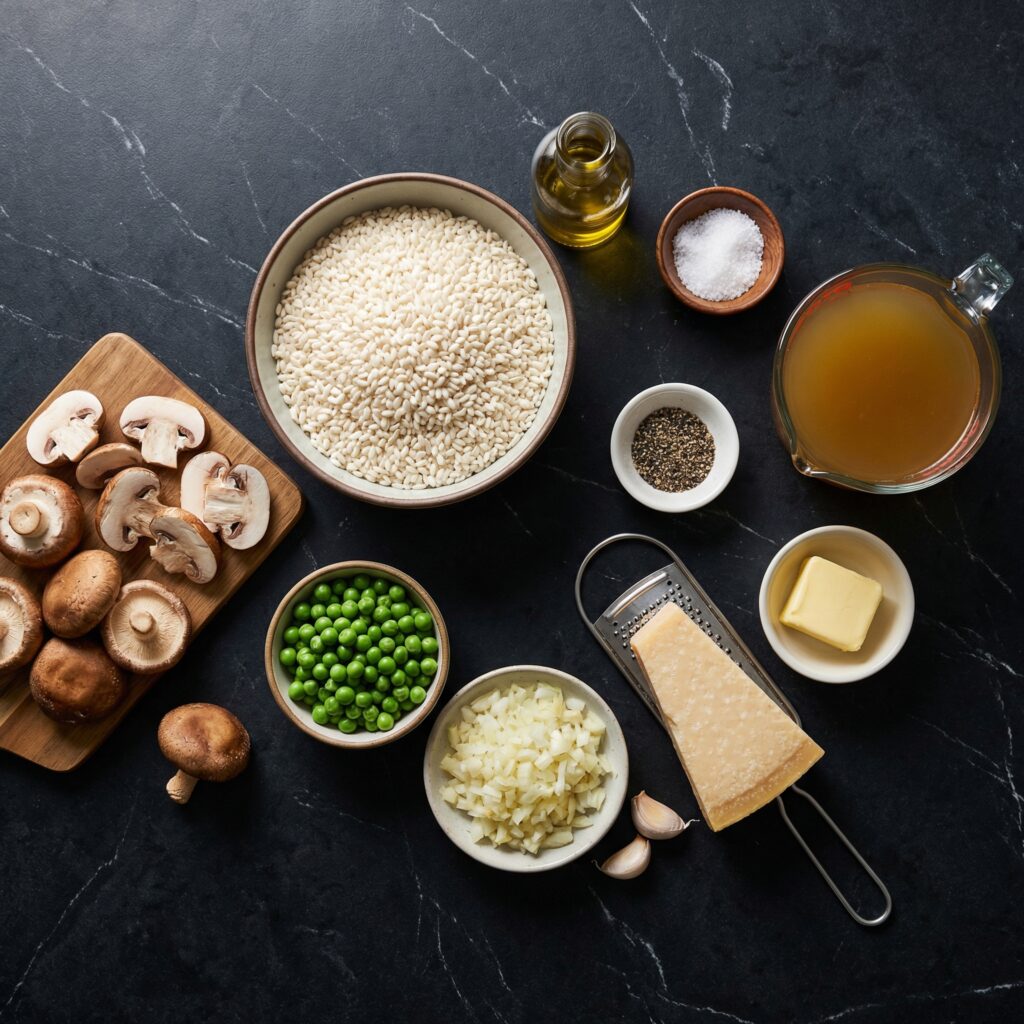
    Ingredients You’ll Need

    For the Risotto Base:

    • 1 ½ cups Arborio rice
    • 4–5 cups vegetable or chicken broth (kept warm)
    • 2 tablespoons olive oil
    • 2 tablespoons unsalted butter

    For the Vegetables:

    • 8 ounces mushrooms (cremini, button, or a mix), sliced
    • 1 small onion or 2 shallots, finely diced
    • 2 cloves garlic, minced
    • 1 cup frozen peas

    For Finishing:

    • ½ cup dry white wine
    • ½ cup freshly grated Parmesan cheese
    • Salt and freshly cracked black pepper

    Optional Garnish:

    • Fresh parsley
    • Extra Parmesan
    • Lemon zest

    Step 1: Warm the Broth

    Pour your broth into a saucepan and keep it gently simmering over low heat.

    Adding warm broth to risotto is essential—it allows the rice to cook evenly and release starch properly. Cold broth slows the cooking process and affects texture.


    Step 2: Sauté the Mushrooms

    Heat 1 tablespoon olive oil and 1 tablespoon butter in a large, heavy-bottomed skillet or saucepan over medium heat.

    Add the sliced mushrooms in a single layer. Cook for 5–7 minutes, stirring occasionally, until they release their moisture and turn golden brown.

    Season lightly with salt and pepper.

    Remove the mushrooms from the pan and set aside. Cooking them separately ensures they stay tender and flavorful rather than watery.


    Step 3: Cook the Aromatics

    In the same pan, add the remaining olive oil.

    Add diced onion or shallots and cook for 3–4 minutes until soft and translucent.

    Stir in the minced garlic and cook for 30 seconds, just until fragrant.

    These aromatics create a flavorful base that supports the creamy rice.


    Step 4: Toast the Rice

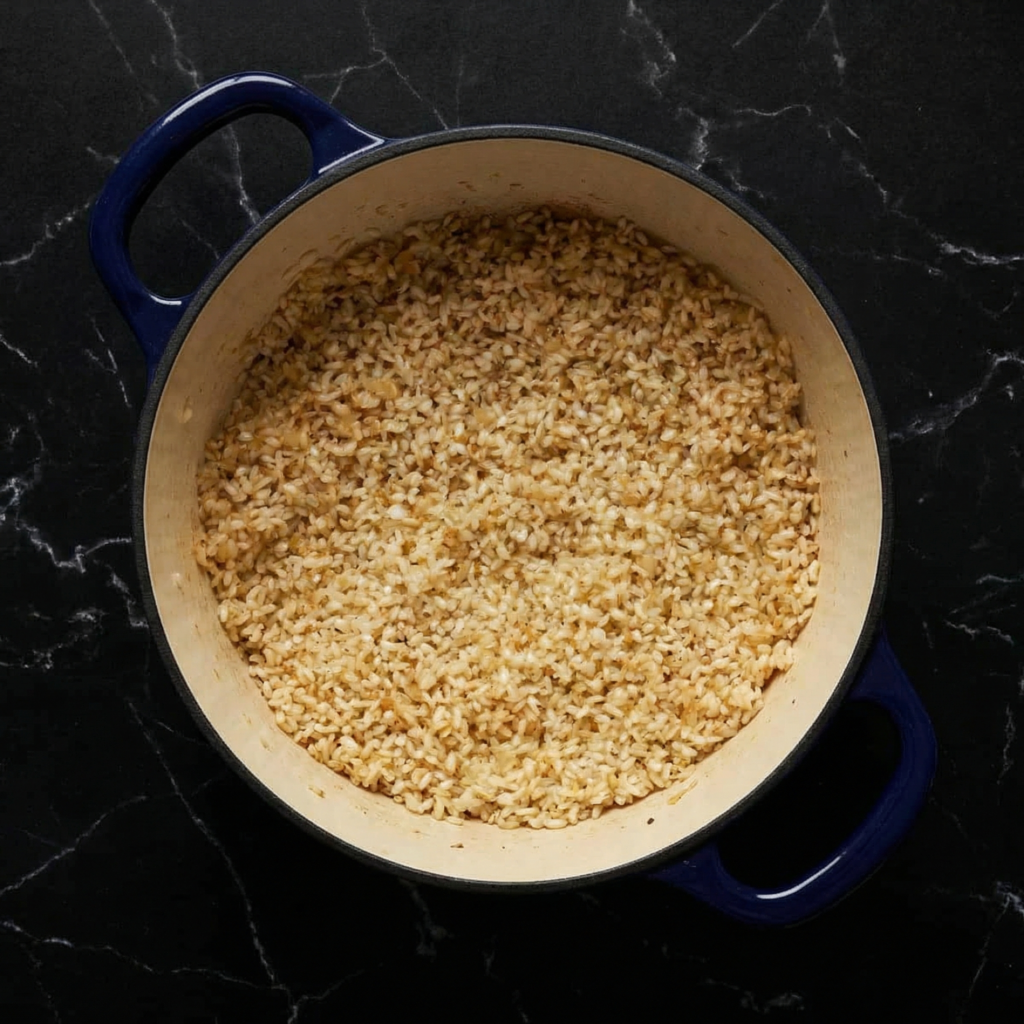
    Add the Arborio rice directly into the pan.

    Stir continuously for 1–2 minutes, coating each grain in oil. The edges will become slightly translucent while the center remains opaque.

    Toasting enhances the rice’s nutty flavor and helps maintain structure during cooking.


    Step 5: Deglaze with Wine

    Pour in the white wine and stir constantly.

    Allow it to simmer until most of the liquid evaporates. This adds acidity and depth, balancing the richness of the final dish.

    If you prefer not to use wine, substitute with a splash of broth and a squeeze of lemon.


    Step 6: Add Broth Gradually

    Add one ladle (about ½ cup) of warm broth to the rice.

    Stir gently and frequently until the liquid is mostly absorbed.

    Repeat this process—adding broth one ladle at a time—waiting for each addition to absorb before adding the next.

    This gradual addition is the key to creamy risotto. It encourages the rice to release starch slowly, creating that signature silky texture.


    Step 7: Stir with Patience

    Continue adding broth and stirring for 18–22 minutes.

    Taste as you go. The rice should be tender but still slightly firm in the center—al dente.

    Adjust the heat as needed to maintain a gentle simmer.

    Risotto isn’t about constant frantic stirring but steady, attentive movement.


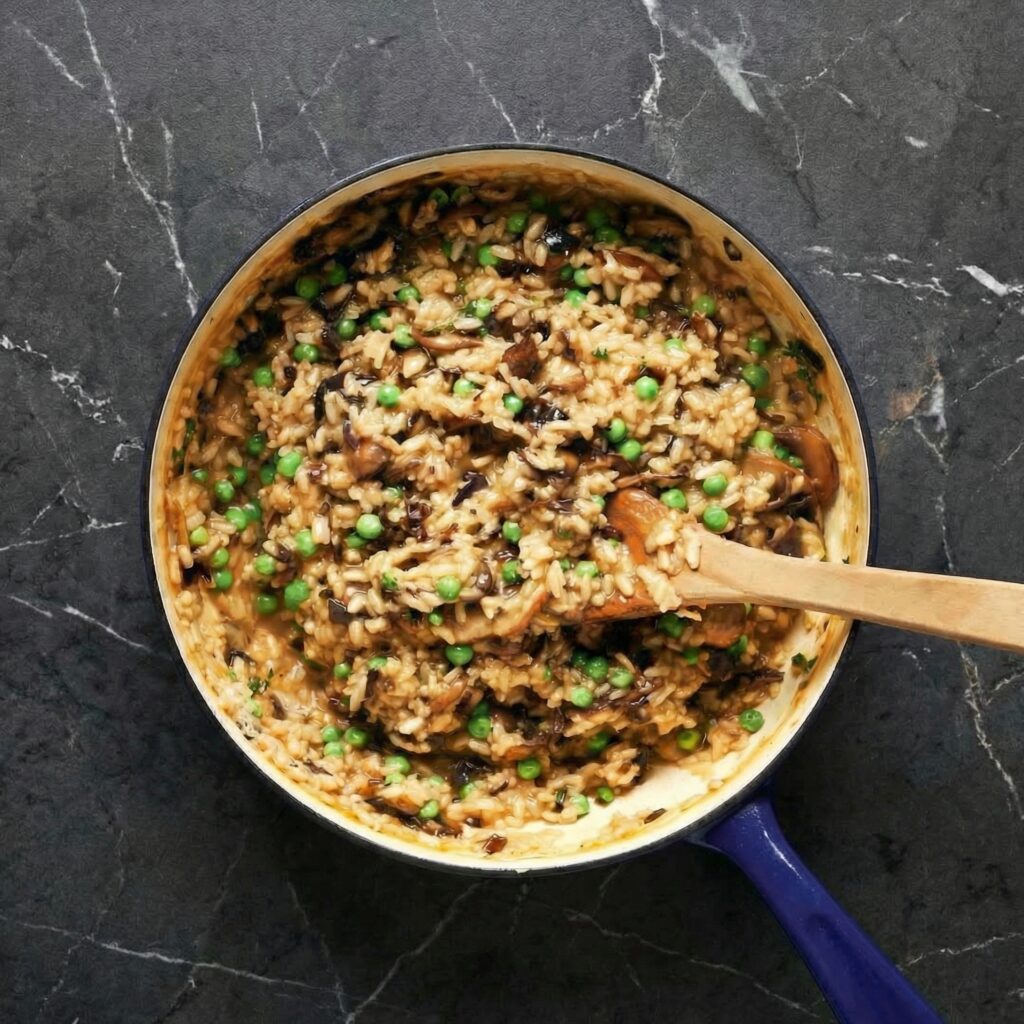
    Step 8: Add Mushrooms and Peas

    When the rice is nearly done, stir the sautéed mushrooms back into the pan.

    Add the peas and cook for 2–3 minutes until heated through and bright green.

    The peas add a pop of sweetness and color, complementing the earthy mushrooms.


    Step 9: Finish with Butter and Parmesan

    Remove the pan from the heat.

    Stir in the remaining tablespoon of butter and the grated Parmesan cheese.

    This step, called mantecatura, gives risotto its luxurious, glossy finish.

    Taste and adjust seasoning with salt and freshly cracked black pepper.


    Step 10: Rest and Serve

    Let the risotto rest for 1–2 minutes before serving.

    It should flow slightly when spooned onto a plate—not stiff or dry.

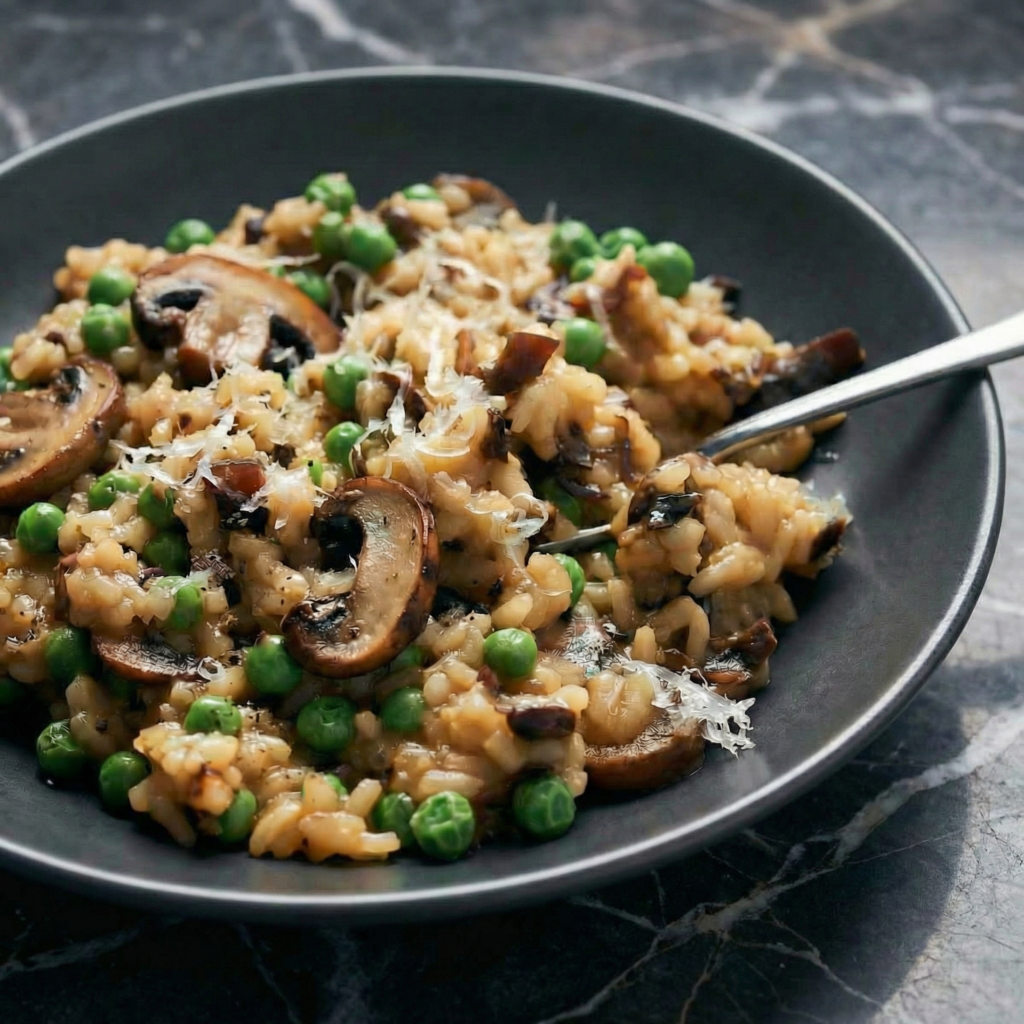
    Garnish with fresh parsley, extra Parmesan, and a touch of lemon zest if desired.
    Serve immediately while warm and creamy.


    Texture and Flavor Highlights

    • Silky, creamy consistency
    • Tender rice with slight bite
    • Rich umami from mushrooms
    • Sweet bursts of peas
    • Savory, cheesy finish

    The combination creates a beautifully balanced dish that feels indulgent yet fresh.


    Pro Tips for Perfect Risotto

    Use Arborio rice. Its high starch content is essential.

    Keep broth warm. It ensures even cooking.

    Don’t rush the process. Gradual broth addition is key.

    Taste frequently. Texture matters as much as flavor.

    Serve immediately. Risotto thickens as it cools.


    Optional Variations

    • Vegan Version: Use olive oil instead of butter and plant-based Parmesan.
    • Protein Boost: Top with grilled chicken or shrimp.
    • Herb Forward: Add thyme or rosemary.
    • Extra Creamy: Stir in a spoonful of mascarpone at the end.
    • Lemon Brightness: Add extra lemon zest for freshness.

    Storage and Reheating

    Risotto is best enjoyed fresh, but leftovers can be stored in the refrigerator for up to 2 days.

    Reheat gently on the stovetop with a splash of broth or water to restore creaminess.

    Avoid high heat to prevent drying out the rice.


    Why This Recipe Works

    Mushroom Risotto with Peas works because it relies on technique rather than complicated ingredients. Slow stirring and gradual broth addition allow the rice’s natural starch to create creaminess.

    Sautéed mushrooms add depth and umami, while peas bring brightness and contrast.

    The finishing touch of butter and Parmesan ties everything together into a glossy, cohesive dish that feels comforting yet elegant.


    Creamy, savory, and beautifully balanced, Mushroom Risotto with Peas is a dish that rewards patience and simple technique.

    Once you master it, you’ll have a timeless recipe that delivers comfort, elegance, and incredible flavor every single time.

  • Crispy-Seared Scallops with Bread-Crumb Salsa Verde: A Restaurant-Worthy Dinner at Home

    Crispy-Seared Scallops with Bread-Crumb Salsa Verde: A Restaurant-Worthy Dinner at Home

    If you’ve ever ordered perfectly golden scallops at a restaurant and wondered how they achieved that caramelized crust and buttery center, you’re in for a treat.

    Scallops are surprisingly simple to cook at home, and when paired with a vibrant bread-crumb salsa verde, they transform into a dish that feels elegant yet approachable. This recipe walks you through every step, from selecting the scallops to plating like a pro.

    Let’s get started.


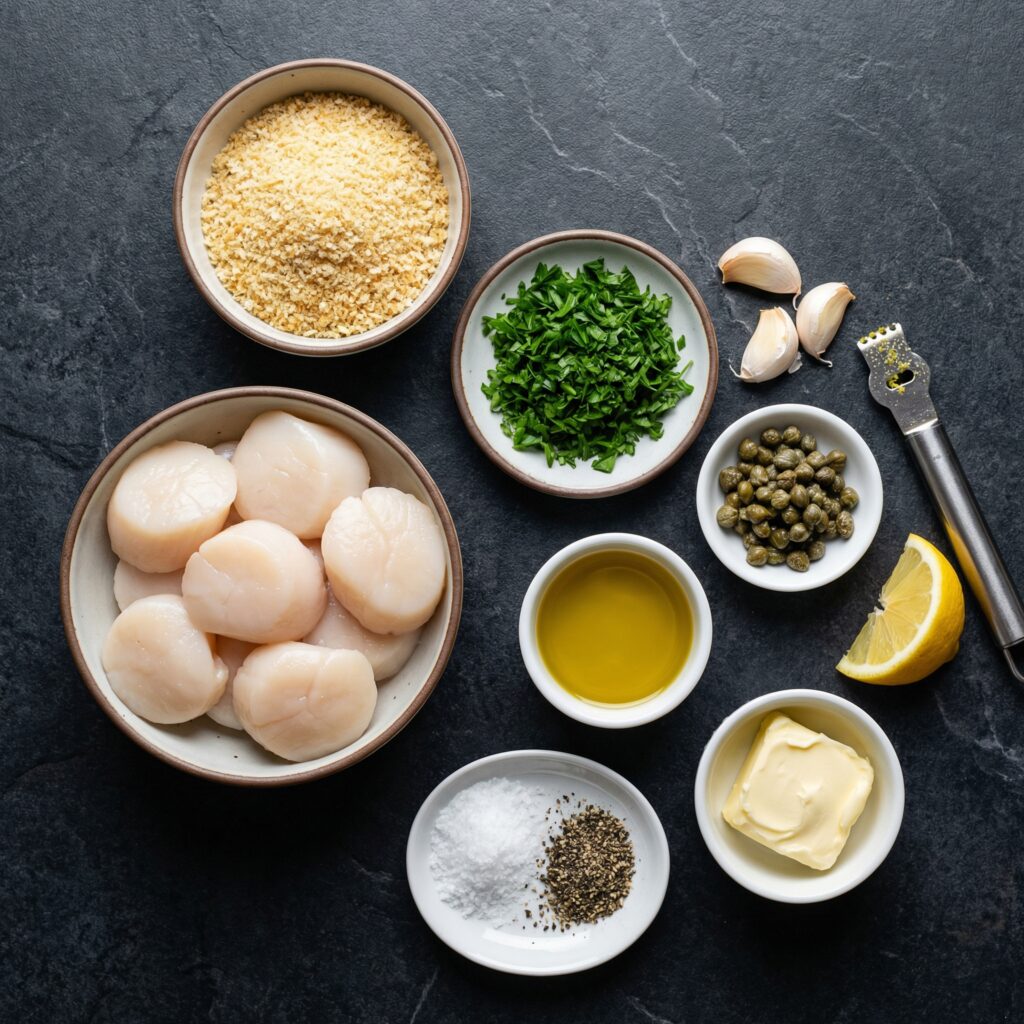
    Ingredients

    For the scallops:

    • 1 pound large sea scallops (about 12–16), side muscle removed
    • Salt and freshly ground black pepper
    • 2 tablespoons neutral oil (such as avocado or vegetable oil)
    • 1 tablespoon unsalted butter

    For the bread-crumb salsa verde:

    • 1 cup fresh parsley leaves, finely chopped
    • 2 tablespoons capers, drained and finely chopped
    • 1 small garlic clove, minced
    • Zest of 1 lemon
    • 2 tablespoons fresh lemon juice
    • ½ teaspoon red pepper flakes (optional)
    • ½ cup toasted fresh bread crumbs
    • ⅓ cup extra virgin olive oil
    • Salt and black pepper to taste

    Step 1: Prep the Scallops Properly

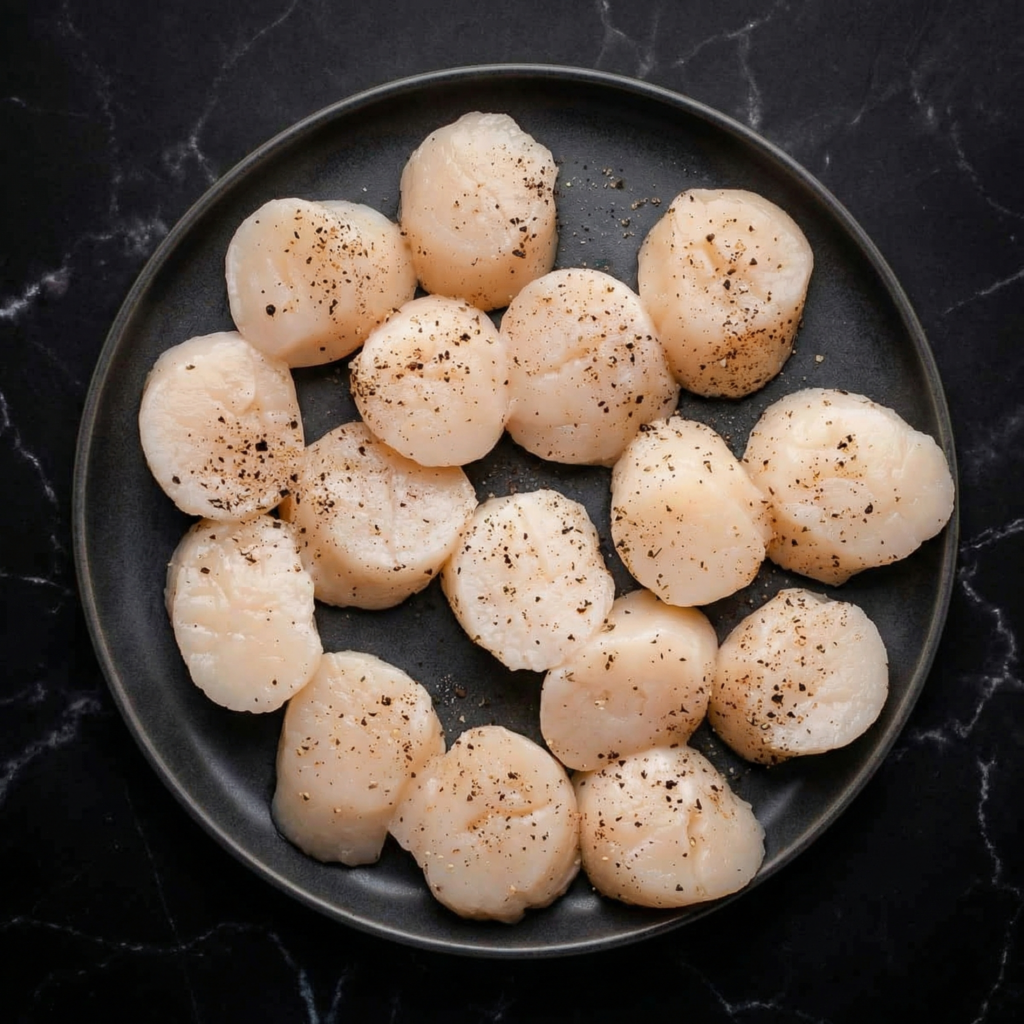
    Start by patting your scallops completely dry with paper towels. This is one of the most important steps. Moisture is the enemy of a golden crust, and any excess water will cause the scallops to steam rather than sear.

    If the small, tough side muscle is still attached, gently peel it off and discard. Season both sides of the scallops generously with salt and freshly ground black pepper. Let them sit at room temperature for about 10–15 minutes while you prepare the salsa verde.


    Step 2: Toast the Bread Crumbs

    For maximum flavor and texture, use fresh bread crumbs rather than store-bought dry ones. Pulse a slice or two of day-old crusty bread in a food processor until coarse.

    Heat a small skillet over medium heat. Add a drizzle of olive oil and toss in the bread crumbs. Stir constantly for 3–5 minutes, until they are golden brown and crisp. Transfer to a bowl and let cool completely. This step adds a nutty crunch that makes the salsa verde truly special.


    Step 3: Make the Bread-Crumb Salsa Verde

    In a medium bowl, combine the chopped parsley, capers, minced garlic, lemon zest, lemon juice, and red pepper flakes. Stir to combine.

    Add the cooled toasted bread crumbs and pour in the extra virgin olive oil. Mix until everything is evenly coated and vibrant. Taste and adjust seasoning with salt and black pepper as needed. The mixture should be bright, slightly tangy, and richly herbaceous, with a pleasant crunch from the crumbs.

    Set aside while you cook the scallops.


    Step 4: Heat the Pan Until Very Hot

    Place a large stainless steel or cast-iron skillet over medium-high heat. Let it heat for several minutes until very hot. Add the neutral oil and swirl to coat the bottom.

    You’ll know the pan is ready when the oil shimmers and just begins to smoke lightly. This high heat is essential for achieving that golden-brown crust.


    Step 5: Sear the Scallops

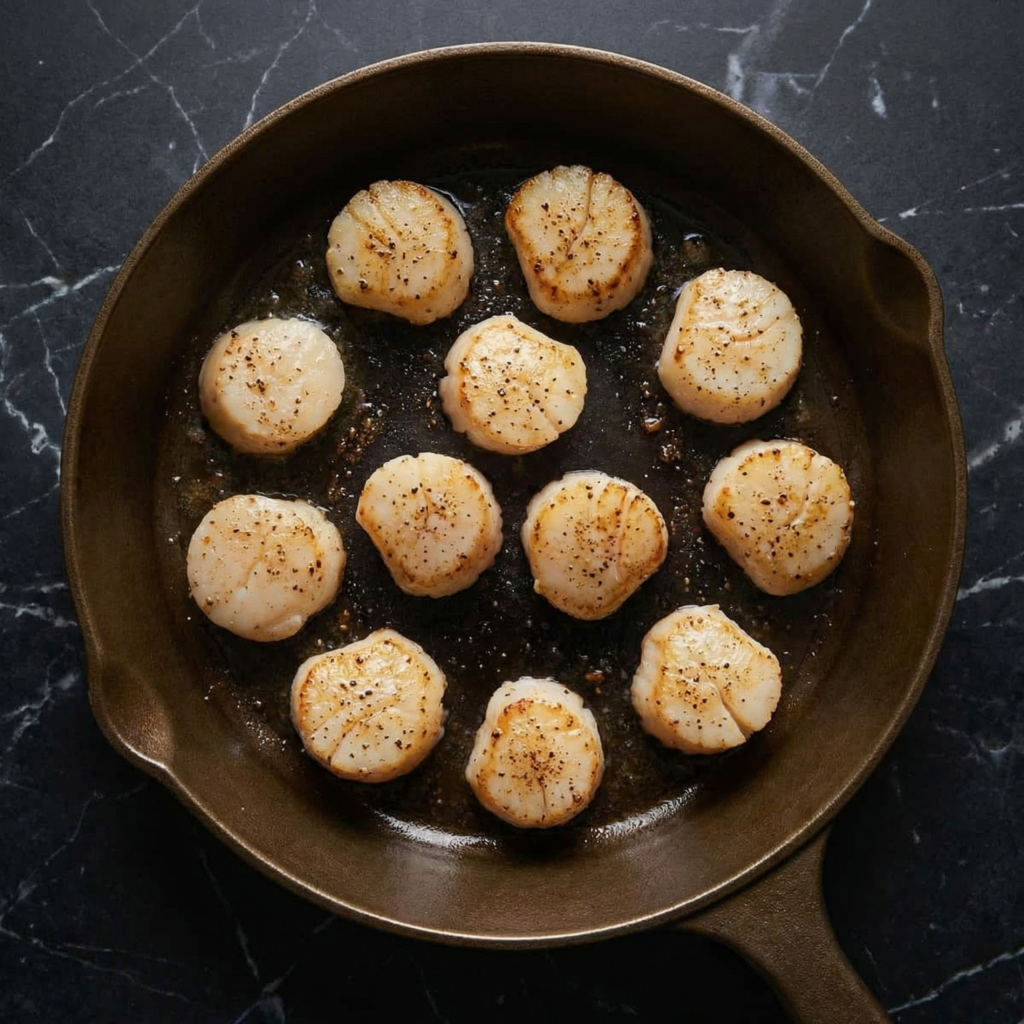
    Carefully place the scallops in the hot pan, flat-side down, leaving space between each one. Do not overcrowd the pan. If necessary, cook in batches.

    Resist the urge to move them. Let the scallops sear undisturbed for about 2–3 minutes. They should develop a deep golden crust.

    Once the bottom is beautifully browned, add the tablespoon of butter to the pan. Flip the scallops and spoon the melted butter over them as they cook for another 1–2 minutes. The centers should be just opaque and slightly translucent in the very middle.

    Remove immediately from the pan. Overcooked scallops become rubbery, so timing is key.


    Step 6: Plate Like a Pro

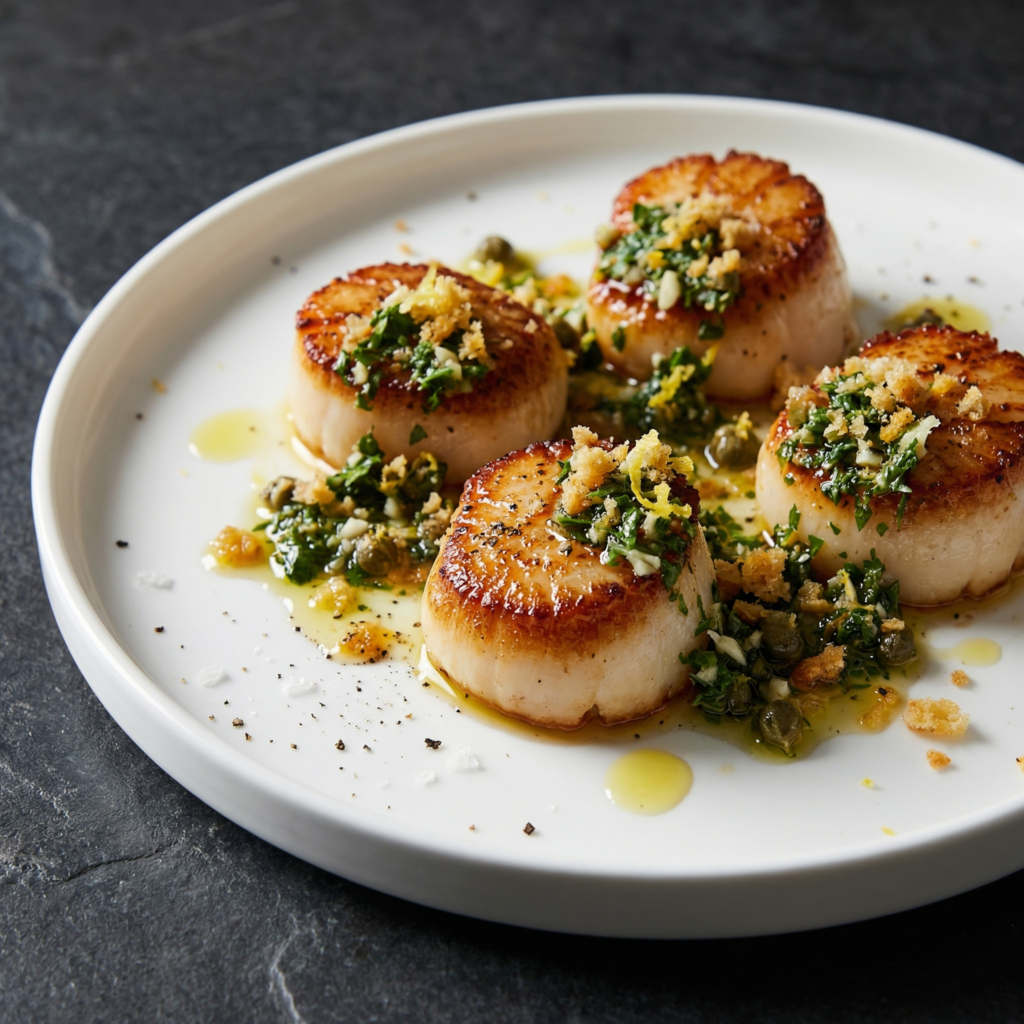
    Arrange the scallops on a serving platter or individual plates. Spoon a generous amount of bread-crumb salsa verde over the top or alongside each scallop.

    For an elegant touch, finish with an extra squeeze of fresh lemon juice and a drizzle of olive oil. A sprinkle of flaky sea salt can elevate the flavor even more.


    Serving Suggestions

    These scallops pair beautifully with creamy risotto, mashed potatoes, or a simple bed of lemony arugula. You can also serve them over a light pasta or alongside roasted vegetables for a complete meal.

    If you’re entertaining, consider serving them as an appetizer with small forks and a crisp white wine. The bright herbal salsa verde complements the sweet, delicate scallops perfectly.


    Pro Tips for Perfect Scallops

    • Always buy “dry” scallops rather than “wet” ones treated with preservatives. Dry scallops caramelize better.
    • Make sure the pan is hot before adding scallops.
    • Do not overcrowd the pan, as this lowers the temperature and prevents browning.
    • Let the scallops form a crust before flipping. If they stick, they’re not ready yet.

    Why This Dish Works

    The magic of this recipe lies in contrast. The scallops are tender and buttery with a crisp exterior, while the bread-crumb salsa verde is fresh, bright, and slightly crunchy. The acidity from the lemon and capers cuts through the richness of the scallops, creating a perfectly balanced bite.

    This dish feels sophisticated but relies on straightforward techniques. With just a handful of quality ingredients and attention to timing, you can create a meal that rivals your favorite seafood restaurant.

    Once you master this method, you’ll find yourself returning to it again and again for special occasions—or simply when you want to treat yourself to something extraordinary.

  • Bright, Buttery & Bold: The Ultimate Homemade Chicken Piccata

    Bright, Buttery & Bold: The Ultimate Homemade Chicken Piccata

    If you’re craving something comforting yet elegant, Chicken Piccata is the answer.

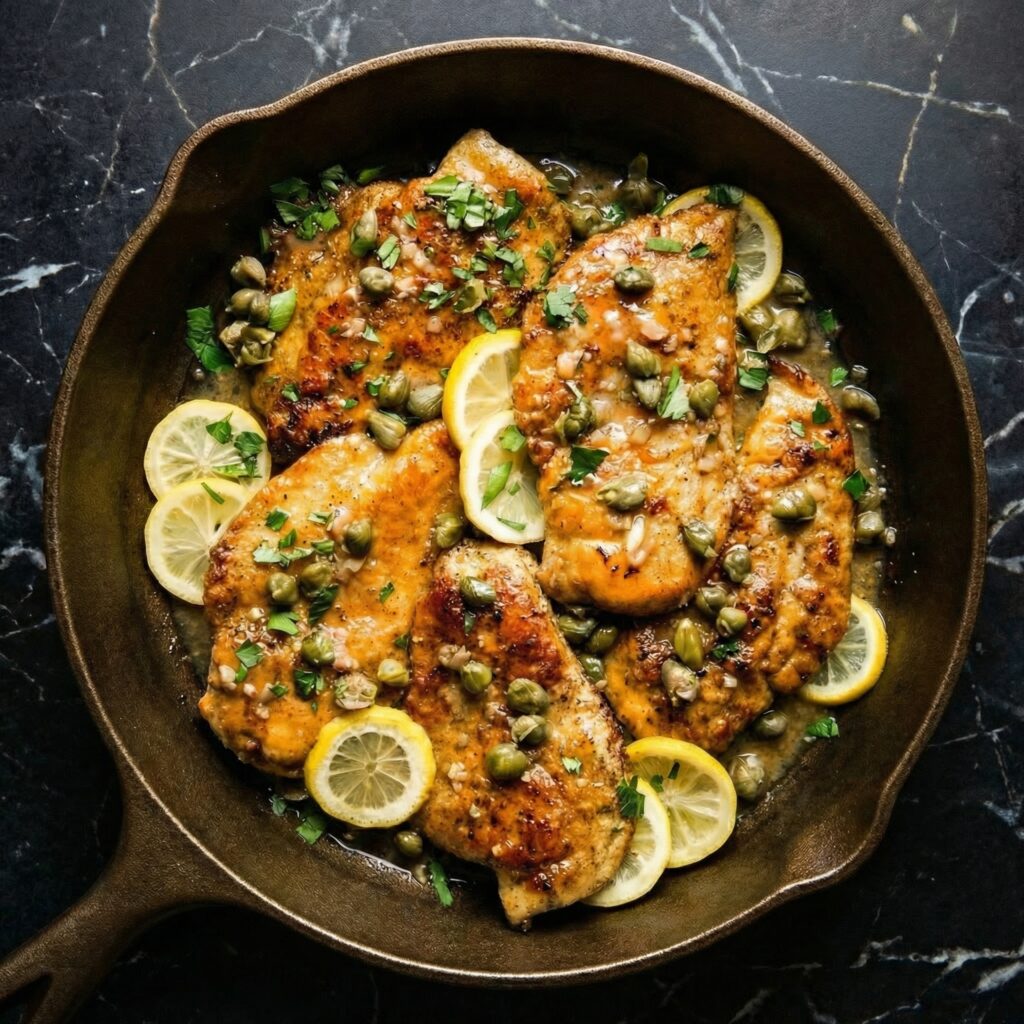
    This Italian-American classic delivers golden pan-seared chicken cutlets bathed in a silky lemon-butter sauce dotted with briny capers. It’s simple enough for a weeknight dinner, yet impressive enough for guests.

    The magic lies in balancing bright citrus with rich butter and savory chicken—creating a dish that tastes far more complex than the effort required.

    Let’s walk step by step through how to make perfect Chicken Piccata at home.


    Ingredients

    For the chicken:

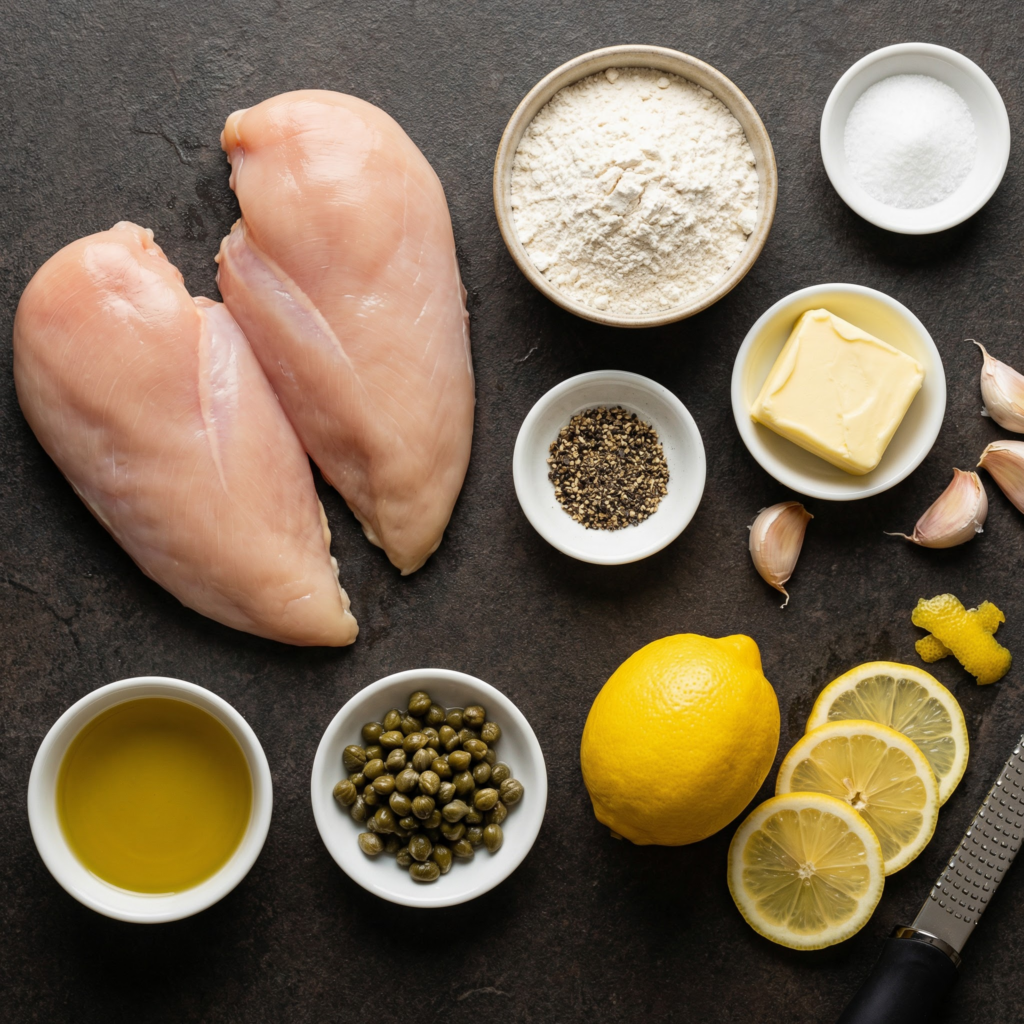
    • 2 large boneless, skinless chicken breasts
    • Salt and freshly ground black pepper
    • ½ cup all-purpose flour
    • 3 tablespoons olive oil
    • 2 tablespoons unsalted butter

    For the sauce:

    • ¾ cup chicken broth
    • ⅓ cup freshly squeezed lemon juice (about 2 lemons)
    • 2 tablespoons capers, drained
    • 3 tablespoons unsalted butter, cut into pieces
    • 2 tablespoons fresh parsley, finely chopped
    • Lemon slices, for garnish (optional)

    Step 1: Prepare the Chicken Cutlets

    Place the chicken breasts on a cutting board. Carefully slice each one in half horizontally to create four thinner cutlets. If needed, gently pound them between sheets of plastic wrap to an even thickness—about ½ inch thick. Even thickness ensures they cook quickly and evenly.

    Pat the chicken dry with paper towels. Season both sides generously with salt and freshly ground black pepper.


    Step 2: Dredge in Flour

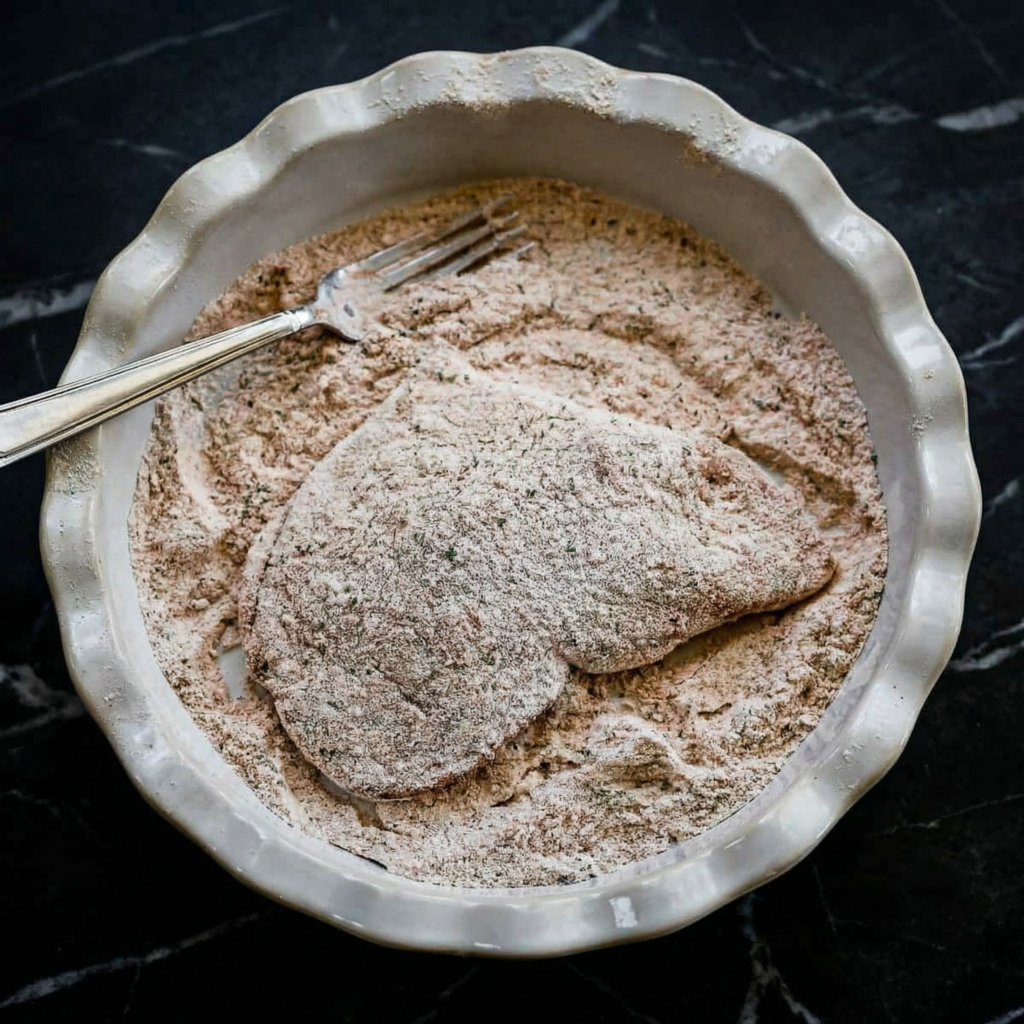
    Spread the flour on a shallow plate. Lightly dredge each chicken cutlet in flour, shaking off any excess. The flour creates a delicate crust and helps thicken the sauce later.

    Set the coated cutlets aside on a plate while you heat the pan.


    Step 3: Sear the Chicken

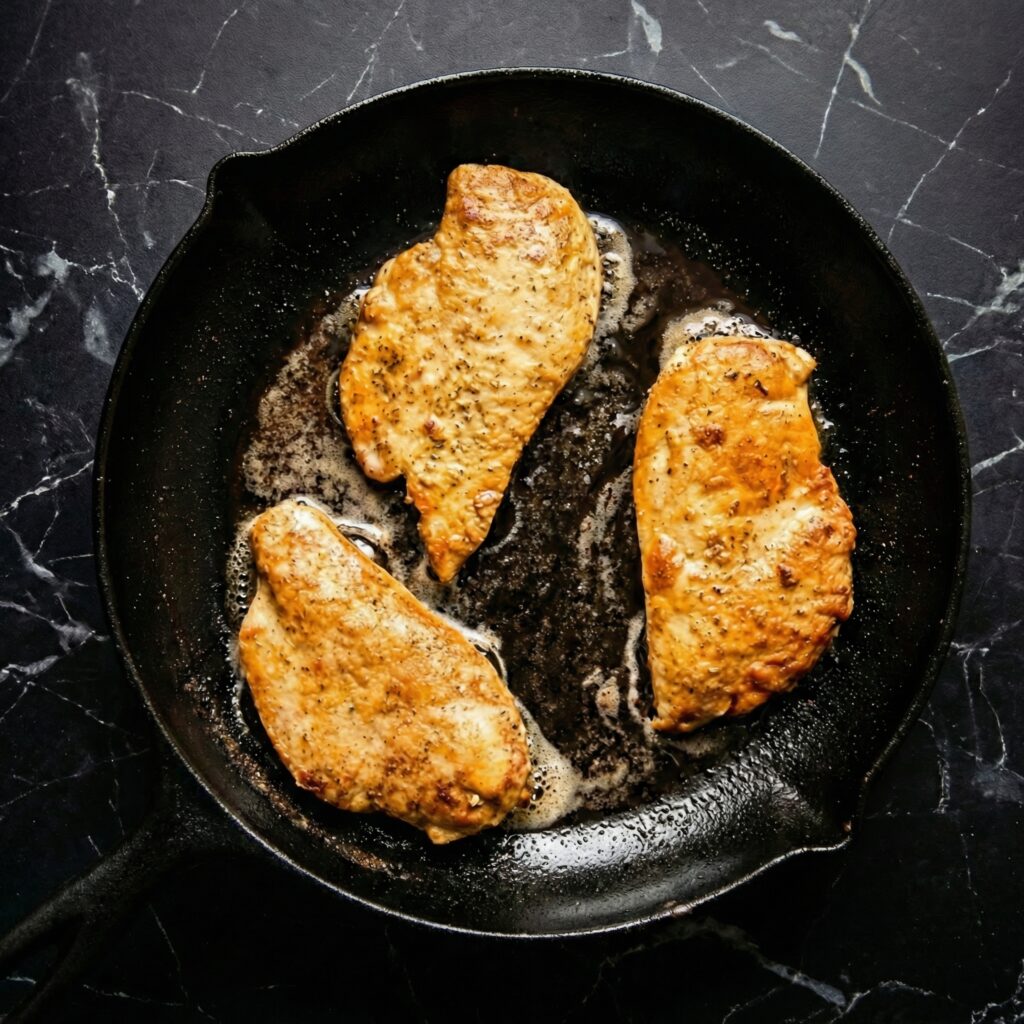
    Heat a large skillet over medium-high heat. Add the olive oil and 2 tablespoons of butter. Once the butter is melted and foamy, carefully place the chicken cutlets in the pan in a single layer. Avoid overcrowding; cook in batches if necessary.

    Cook for about 3–4 minutes on the first side without moving them. You’re looking for a golden-brown crust. Flip and cook for another 2–3 minutes until fully cooked through and no longer pink in the center.

    Transfer the cooked chicken to a plate and tent loosely with foil to keep warm.


    Step 4: Build the Lemon-Caper Sauce

    With the pan still over medium heat, pour in the chicken broth to deglaze. Use a wooden spoon to scrape up the browned bits from the bottom of the pan—this is pure flavor.

    Let the broth simmer for 2–3 minutes, allowing it to reduce slightly. Stir in the freshly squeezed lemon juice and capers. Continue simmering for another 2–3 minutes until the sauce reduces and thickens slightly.


    Step 5: Finish with Butter

    Reduce the heat to low. Add the remaining 3 tablespoons of butter, one piece at a time, stirring continuously until melted and incorporated. This technique—called “mounting with butter”—creates a silky, glossy sauce.

    Taste and adjust seasoning if needed. If the sauce is too tart, a small pinch of salt can help balance it. If you prefer more brightness, add an extra squeeze of lemon.


    Step 6: Return the Chicken to the Pan

    Place the chicken cutlets back into the skillet, spooning the sauce over the top. Let everything simmer together for 2–3 minutes so the chicken absorbs the flavors.

    The sauce should lightly coat the chicken without being too thick or too watery.


    Step 7: Garnish and Serve

    Sprinkle freshly chopped parsley over the chicken. Garnish with thin lemon slices if desired. Serve immediately while the sauce is glossy and warm.

    Serving Suggestions

    Chicken Piccata pairs beautifully with angel hair pasta, mashed potatoes, or fluffy rice to soak up the luscious sauce. For a lighter option, serve it alongside sautéed spinach or roasted asparagus. A simple green salad with a light vinaigrette complements the rich, buttery flavors.

    If entertaining, consider serving with crusty bread for dipping into the lemony sauce.


    Pro Tips for Success

    • Use fresh lemon juice for the brightest flavor. Bottled juice won’t give the same fresh zing.
    • Keep the heat steady when making the sauce. Too high, and it may reduce too quickly; too low, and it won’t thicken properly.
    • Don’t skip scraping up the browned bits after searing. They add incredible depth.
    • Thin, evenly pounded chicken cooks faster and stays tender.

    Why This Recipe Works

    Chicken Piccata is a masterclass in balance. The flour creates a light crust and helps thicken the sauce naturally. The lemon juice cuts through the richness of the butter, while capers bring salty bursts of flavor that keep every bite interesting.

    The key is restraint—just enough lemon to brighten, just enough butter to enrich. When done correctly, the sauce clings gently to the chicken without overpowering it.


    Make It Your Own

    You can add a splash of dry white wine before the broth for extra depth. Some cooks like to incorporate a bit of cream for a richer sauce, though traditional versions keep it light and lemon-forward. You can even substitute thin veal cutlets for a classic variation.


    Chicken Piccata proves that a handful of simple ingredients can create something extraordinary. With crisp golden chicken and a vibrant lemon-caper sauce, this dish brings restaurant-quality flavor straight to your kitchen. Once you make it from scratch, it’s bound to become a regular in your dinner rotation.

  • Rich, Fudgy & Ultra-Moist: The Ultimate Double Chocolate Banana Bread

    Rich, Fudgy & Ultra-Moist: The Ultimate Double Chocolate Banana Bread

    If you love classic banana bread but crave something more indulgent, Double Chocolate Banana Bread is about to become your new obsession.

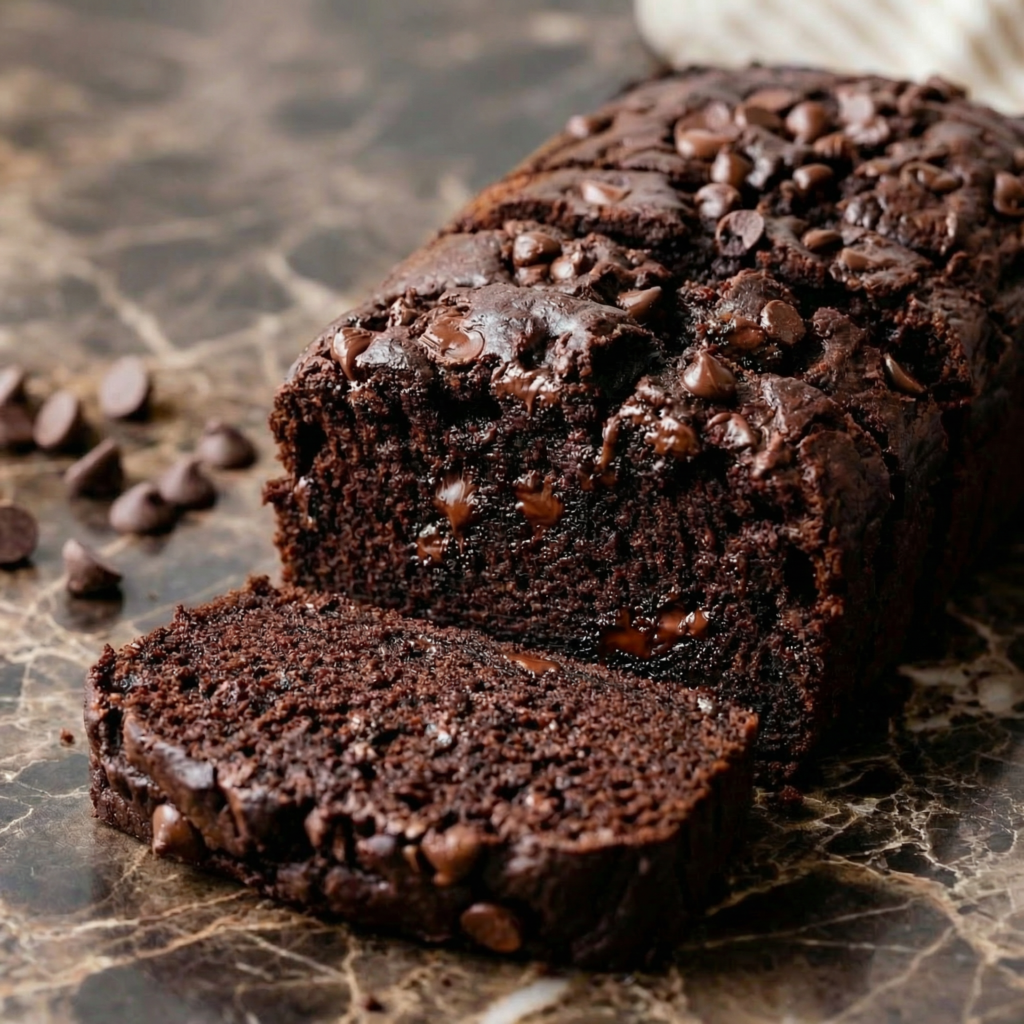
    This recipe combines sweet, ripe bananas with deep cocoa flavor and melty chocolate chips for a loaf that’s incredibly moist, tender, and decadently rich. It’s the perfect balance of comforting and chocolatey—ideal for breakfast, dessert, or an afternoon treat with coffee.

    Let’s walk step by step through making bakery-style double chocolate banana bread right in your own kitchen.


    Why You’ll Love This Recipe

    • Extra moist and tender texture
    • Deep chocolate flavor from cocoa and chocolate chips
    • Perfect way to use overripe bananas
    • Simple, pantry-friendly ingredients
    • Freezer-friendly and great for meal prep

    This isn’t just banana bread—it’s a chocolate lover’s dream.


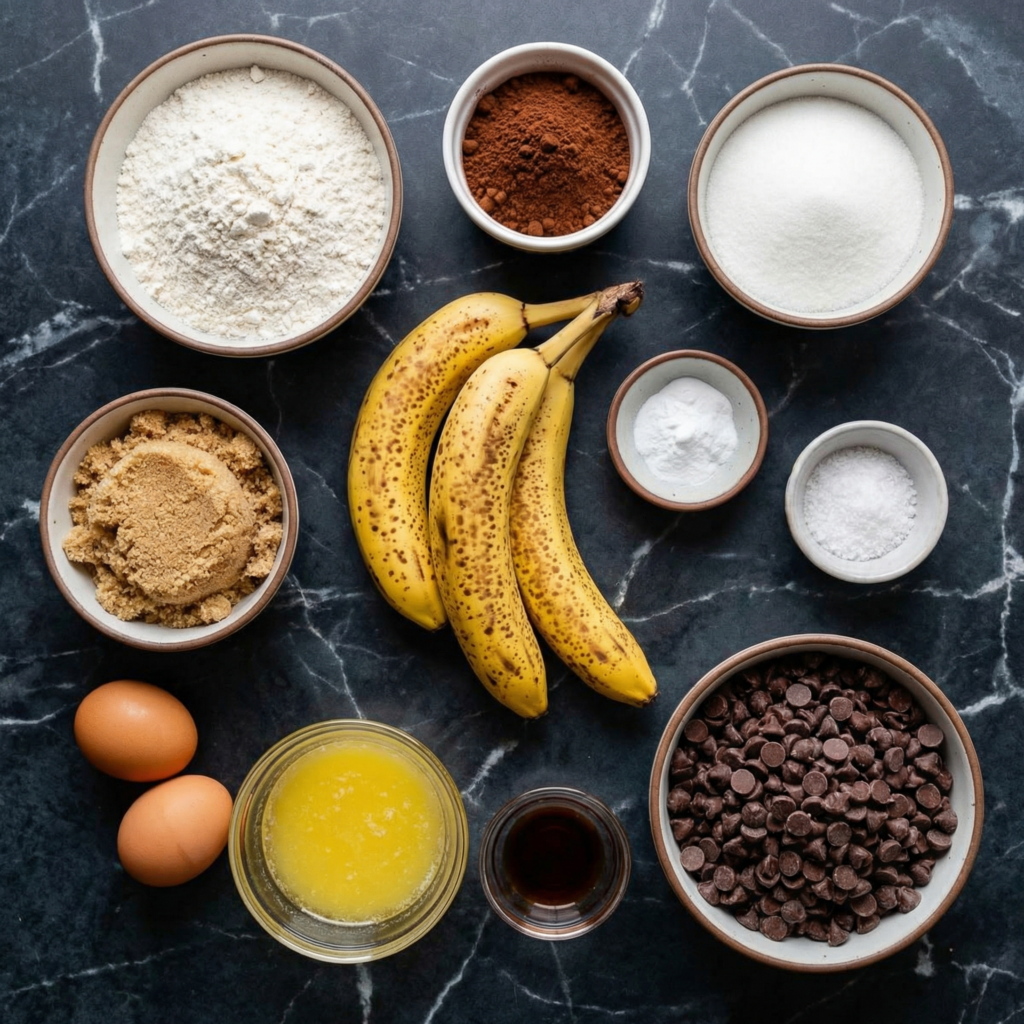
    Ingredients You’ll Need

    Wet Ingredients:

    • 3 very ripe bananas (mashed)
    • ½ cup unsalted butter, melted (or vegetable oil)
    • ¾ cup granulated sugar
    • ¼ cup brown sugar
    • 2 large eggs
    • 1 teaspoon vanilla extract

    Dry Ingredients:

    • 1 ½ cups all-purpose flour
    • ½ cup unsweetened cocoa powder
    • 1 teaspoon baking soda
    • ½ teaspoon salt

    Chocolate Add-Ins:

    • 1 cup semi-sweet chocolate chips
    • ½ cup dark chocolate chunks (optional but recommended)

    Step 1: Preheat and Prepare Your Pan

    Preheat your oven to 350°F (175°C).

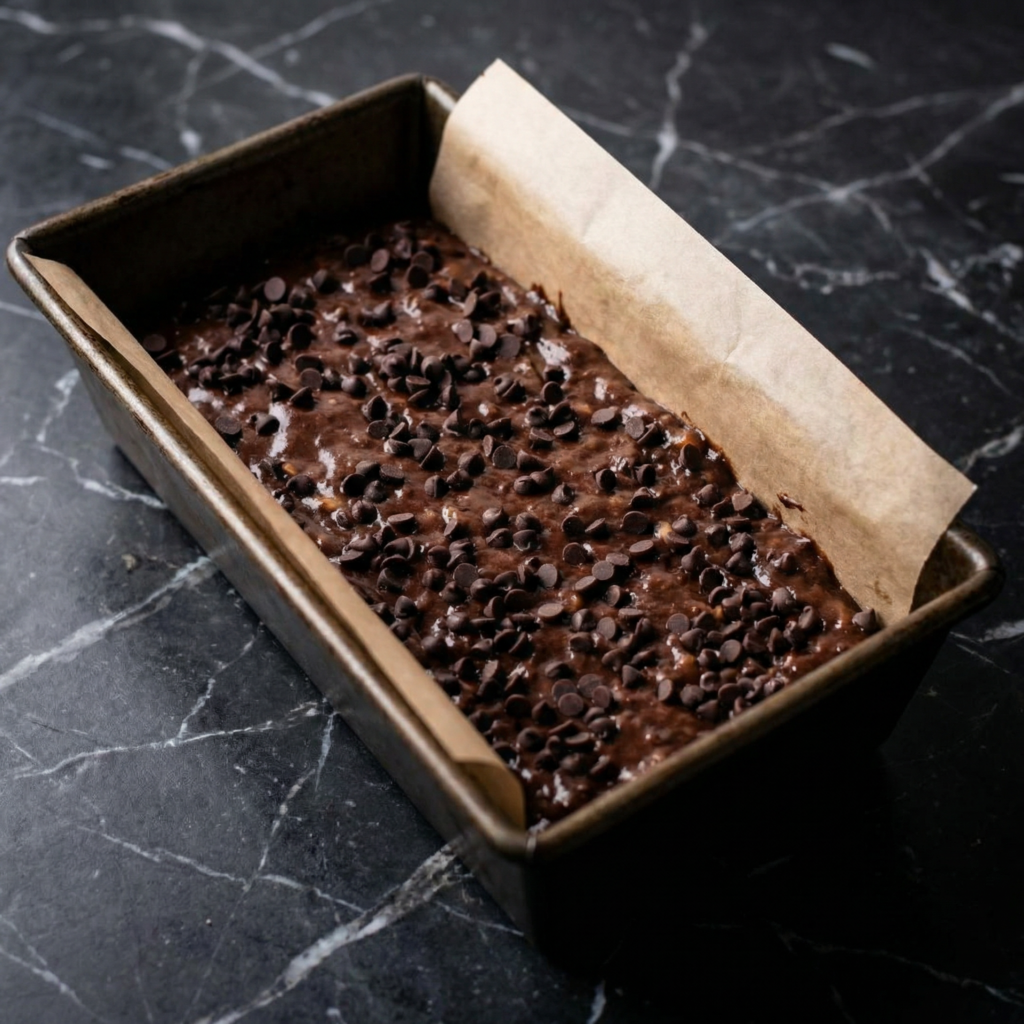
    Grease a 9×5-inch loaf pan and line it with parchment paper, leaving an overhang for easy removal. Proper preparation ensures clean slices and prevents sticking.


    Step 2: Mash the Bananas

    In a large mixing bowl, mash the ripe bananas until mostly smooth with a few small lumps remaining.

    The riper the bananas, the sweeter and more flavorful your bread will be. Overripe bananas with brown spots are perfect.


    Step 3: Combine Wet Ingredients

    Add melted butter (cooled slightly) to the mashed bananas. Stir to combine.

    Mix in granulated sugar and brown sugar until smooth.

    Add the eggs one at a time, whisking well after each addition.

    Stir in vanilla extract.

    The mixture should look glossy and well blended.

    Step 4: Mix Dry Ingredients

    In a separate bowl, whisk together:

    • Flour
    • Cocoa powder
    • Baking soda
    • Salt

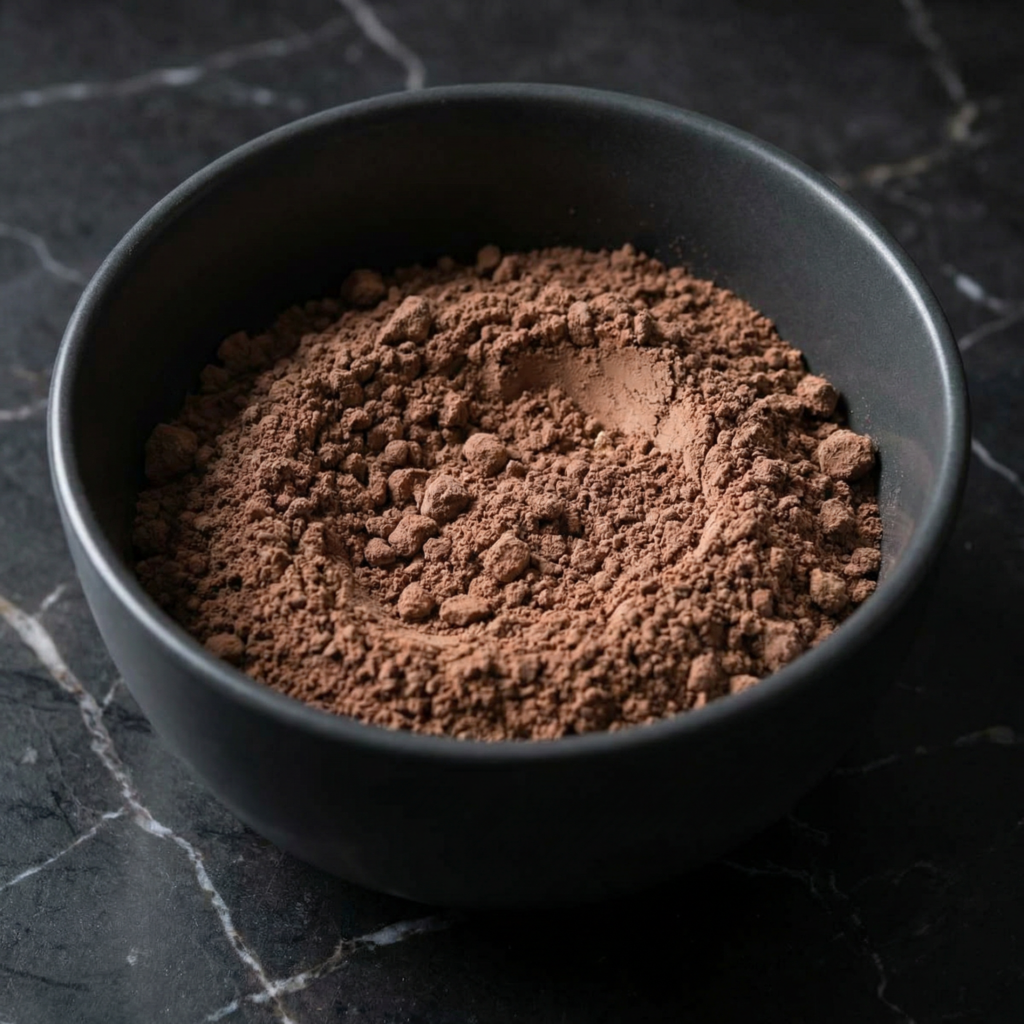
    Sifting the cocoa powder helps eliminate lumps and ensures even chocolate flavor throughout.


    Step 5: Combine Wet and Dry Mixtures

    Gradually add the dry ingredients into the wet mixture.

    Use a spatula to fold gently until just combined. Avoid overmixing—this keeps the bread soft and tender rather than dense.
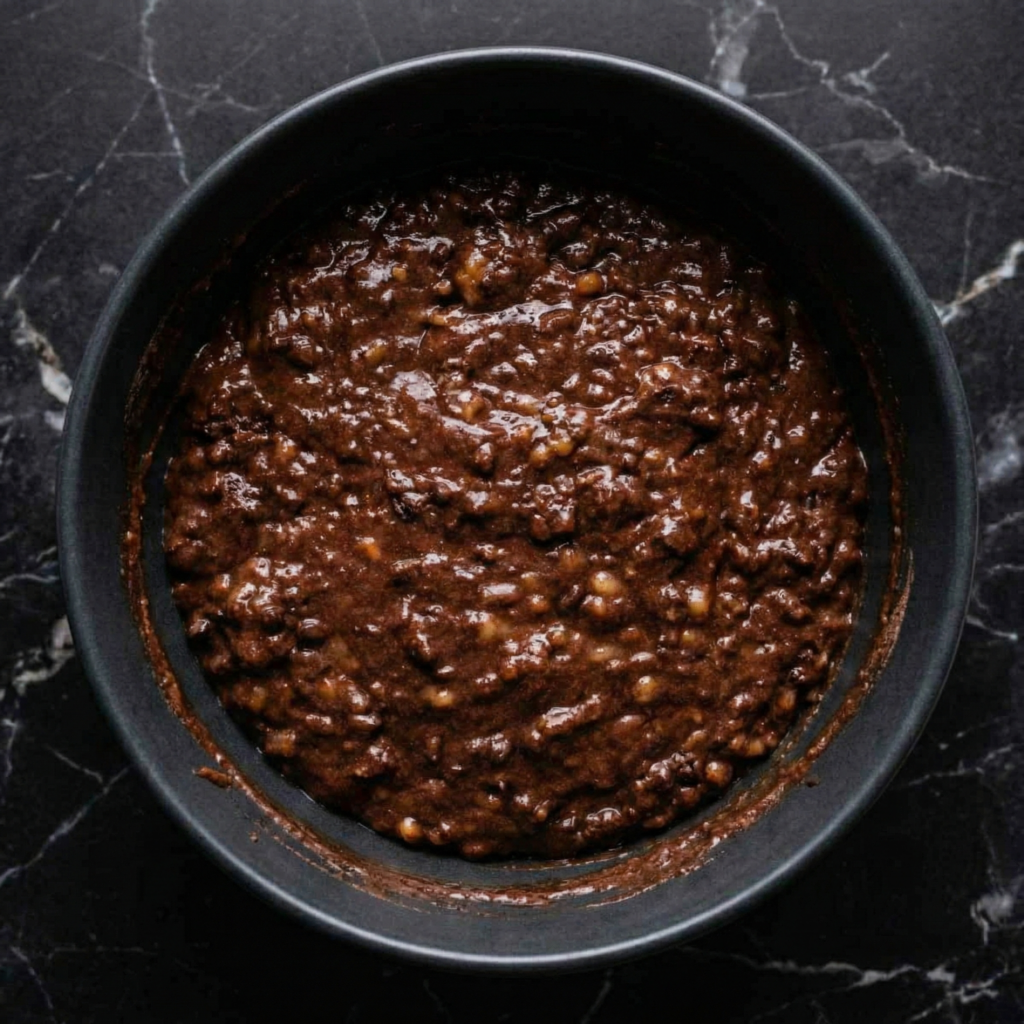
    The batter will be thick and rich.


    Step 6: Fold in Chocolate Chips

    Gently fold in the chocolate chips and chocolate chunks.

    Reserve a small handful to sprinkle on top for a bakery-style finish.

    This step creates that irresistible double chocolate effect—cocoa in the batter plus pockets of melted chocolate.


    Step 7: Transfer to Pan

    Pour the batter into the prepared loaf pan.

    Smooth the top evenly with a spatula.

    Sprinkle remaining chocolate chips on top.

    For a decorative touch, slice a banana lengthwise and place it cut-side up on top before baking (optional).


    Step 8: Bake to Perfection

    Bake for 55–65 minutes, or until a toothpick inserted into the center comes out with moist crumbs but no raw batter.

    If the top begins browning too quickly, loosely tent with foil during the last 15 minutes.

    Avoid overbaking—slightly underbaked ensures a fudgy texture.


    Step 9: Cool Properly

    Remove from the oven and let the bread cool in the pan for 10–15 minutes.

    Then lift it out using the parchment overhang and transfer to a wire rack to cool completely.

    Cooling allows the crumb to set and makes slicing easier.


    Step 10: Slice and Enjoy

    Once cooled, slice using a sharp serrated knife.

    Serve plain, warm with butter, or slightly toasted for an even richer experience.


    Texture and Flavor Highlights

    • Deep chocolate intensity
    • Ultra-moist banana base
    • Melty chocolate pockets
    • Soft, tender crumb
    • Slightly crisp top edges

    Every bite delivers rich cocoa flavor balanced by natural banana sweetness.


    Pro Tips for Perfect Double Chocolate Banana Bread

    Use very ripe bananas. The darker, the better.

    Don’t overmix. Gentle folding keeps the bread tender.

    Measure flour correctly. Spoon and level for accuracy.

    Add espresso powder. A teaspoon enhances chocolate flavor without tasting like coffee.

    Check early. Ovens vary—start checking at 50 minutes.


    Optional Variations

    Nutty Crunch: Add ½ cup chopped walnuts or pecans.

    Healthier Swap: Replace half the butter with Greek yogurt.

    Extra Fudgy: Add ¼ cup melted dark chocolate to the batter.

    Mini Loaves: Divide batter into mini pans and bake 25–30 minutes.

    Chocolate Swirl: Swirl Nutella into the top before baking.


    Storage Instructions

    Store at room temperature in an airtight container for up to 4 days.

    Refrigerate for up to 1 week.

    To freeze, wrap slices individually in plastic wrap and store in a freezer-safe bag for up to 3 months.

    Thaw at room temperature or microwave for 15–20 seconds.


    Why This Recipe Works

    Double Chocolate Banana Bread succeeds because it balances moisture and structure perfectly. Bananas provide natural sweetness and tenderness, while cocoa powder delivers concentrated chocolate flavor.

    The combination of granulated and brown sugar adds depth and helps maintain moisture.

    Chocolate chips create melty pockets that elevate every slice, while careful mixing prevents toughness. Baking at a moderate temperature ensures even cooking without drying out the loaf.


    If you’re craving something comforting yet indulgent, this Double Chocolate Banana Bread checks every box. It’s rich, moist, packed with chocolate, and wonderfully simple to make.

    Whether served as a sweet breakfast, afternoon snack, or dessert, it’s guaranteed to satisfy chocolate lovers and banana bread fans alike.

    Once you try it, plain banana bread may never be enough again.

  • Fudgy, Decadent & Loaded with Crunch: The Ultimate Oreo Brownies Recipe

    Fudgy, Decadent & Loaded with Crunch: The Ultimate Oreo Brownies Recipe

    If you love rich, chocolatey brownies and can’t resist the classic cookies-and-cream flavor of Oreos, then Oreo Brownies are about to become your new favorite dessert.

    These brownies are intensely fudgy, layered with whole Oreo cookies, and topped with even more crunchy chocolate goodness. Each bite delivers deep cocoa flavor, creamy filling, and a satisfying cookie crunch.

    The best part?

    They’re surprisingly easy to make. Let’s walk step by step through creating bakery-style Oreo brownies right in your own kitchen.


    Why You’ll Love These Oreo Brownies

    • Ultra-fudgy texture
    • Layers of whole Oreo cookies
    • Crackly brownie top
    • Rich chocolate flavor
    • Simple, pantry-friendly ingredients

    They’re perfect for parties, bake sales, or when you simply need a serious chocolate fix.


    Ingredients You’ll Need

    For the Brownie Batter:

    • 1 cup (226g) unsalted butter
    • 1 ½ cups granulated sugar
    • ½ cup brown sugar
    • 3 large eggs
    • 1 tablespoon vanilla extract
    • 1 cup all-purpose flour
    • ¾ cup unsweetened cocoa powder
    • ½ teaspoon salt
    • ½ teaspoon baking powder
    • 1 cup semi-sweet chocolate chips

    For the Oreo Layer:

    • 16–20 Oreo cookies (regular or double stuffed)

    Step 1: Preheat and Prepare Your Pan

    Preheat your oven to 350°F (175°C).

    Line a 9×9-inch baking pan with parchment paper, leaving some overhang for easy removal. Lightly grease the paper to prevent sticking.

    Proper preparation ensures clean slices and easy removal later.


    Step 2: Melt the Butter

    In a microwave-safe bowl or saucepan, melt the butter completely.

    Allow it to cool slightly before mixing. Hot butter can cook the eggs if added immediately.

    Melted butter helps create that signature dense, fudgy brownie texture.


    Step 3: Mix the Sugars

    Add granulated sugar and brown sugar to the melted butter.

    Whisk thoroughly until smooth and glossy. This step dissolves the sugars slightly and contributes to a shiny, crackly top.


    Step 4: Add Eggs and Vanilla

    Add the eggs one at a time, whisking well after each addition.

    Stir in the vanilla extract.

    The mixture should become thick, smooth, and slightly lighter in color. Properly incorporating the eggs helps build structure and gives brownies their chewy texture.


    Step 5: Combine Dry Ingredients

    In a separate bowl, whisk together:

    • Flour
    • Cocoa powder
    • Salt
    • Baking powder

    Sifting the cocoa powder can help avoid lumps.


    Step 6: Combine Wet and Dry

    Gradually fold the dry ingredients into the wet mixture using a spatula.

    Mix just until combined. Overmixing can make brownies cakey instead of fudgy.

    Fold in the chocolate chips for extra richness.

    The batter should be thick and glossy.


    Step 7: Layer the Oreos

    Spread half of the brownie batter evenly into the prepared pan.

    Place Oreo cookies in a single layer on top of the batter. You can arrange them in rows to ensure even distribution.

    Gently press them down slightly.

    Spread the remaining brownie batter over the Oreo layer, covering the cookies as evenly as possible.

    For an extra touch, press a few broken Oreo pieces on top of the batter.


    Step 8: Bake to Perfection

    Place the pan in the preheated oven.

    Bake for 30–35 minutes.

    The edges should look set, and the center should still appear slightly soft. A toothpick inserted into the center should come out with moist crumbs—not wet batter.

    Be careful not to overbake. Slight underbaking keeps the brownies fudgy.


    Step 9: Cool Completely

    Remove from the oven and allow the brownies to cool in the pan for at least 30 minutes.

    For clean slices, let them cool completely or refrigerate for 1 hour before cutting.

    Using the parchment overhang, lift the brownies out of the pan and place on a cutting board.


    Step 10: Slice and Serve

    Use a sharp knife to cut into squares.

    Wipe the knife clean between cuts for neat edges.

    Serve as is, or elevate them with:

    • A scoop of vanilla ice cream
    • A drizzle of chocolate sauce
    • A dusting of powdered sugar

    Texture and Flavor Highlights

    • Deep chocolate intensity
    • Dense, fudgy interior
    • Crunchy Oreo layer
    • Creamy cookie filling surprise
    • Slightly crisp edges

    Every bite combines gooey brownie richness with the familiar cookies-and-cream crunch.


    Pro Tips for Perfect Oreo Brownies

    Use room temperature eggs. They mix more evenly.

    Don’t overmix. Stir until just combined.

    Underbake slightly. The brownies continue cooking as they cool.

    Line with parchment. Makes removal effortless.

    Chill before slicing. This helps maintain sharp layers.


    Optional Variations

    Double Chocolate: Add white chocolate chips for contrast.

    Stuffed Center: Add a layer of sweetened cream cheese between the brownie and Oreo layers.

    Mint Twist: Use mint-flavored Oreos for a refreshing change.

    Peanut Butter Swirl: Drop spoonfuls of peanut butter on top and swirl before baking.

    Extra Crunch: Crush additional Oreos into the batter itself.


    Storage Instructions

    Store Oreo brownies in an airtight container at room temperature for up to 4 days.

    For longer storage, refrigerate up to 1 week or freeze for up to 3 months.

    To freeze, wrap individual slices tightly in plastic wrap and place in a freezer-safe container.


    Why This Recipe Works

    The combination of melted butter and balanced sugars creates a moist, dense base. Cocoa powder delivers deep chocolate flavor without making the brownies too sweet. The Oreo layer adds texture contrast and a creamy center that transforms ordinary brownies into something special.

    Layering the cookies instead of mixing them into the batter keeps the structure defined and ensures every slice has that iconic Oreo surprise.


    Oreo Brownies are indulgent, chocolate-packed, and impossible to resist. With their fudgy interior, crunchy cookie layer, and crackly top, they’re everything you want in a dessert bar.

    Whether you’re baking for a celebration or simply treating yourself, this recipe delivers rich flavor and bakery-quality results every single time. Once you try them, plain brownies may never be enough again.