Category: quick_meals

  • Sweet, Savory, and Silky: The Ultimate Miso Glazed Salmon You’ll Crave Weekly

    Sweet, Savory, and Silky: The Ultimate Miso Glazed Salmon You’ll Crave Weekly

    If you’re looking for a dish that feels elegant yet comes together effortlessly, Miso Glazed Salmon is the answer.

    This Japanese-inspired favorite balances sweet, salty, and umami flavors in a glossy glaze that caramelizes beautifully in the oven.

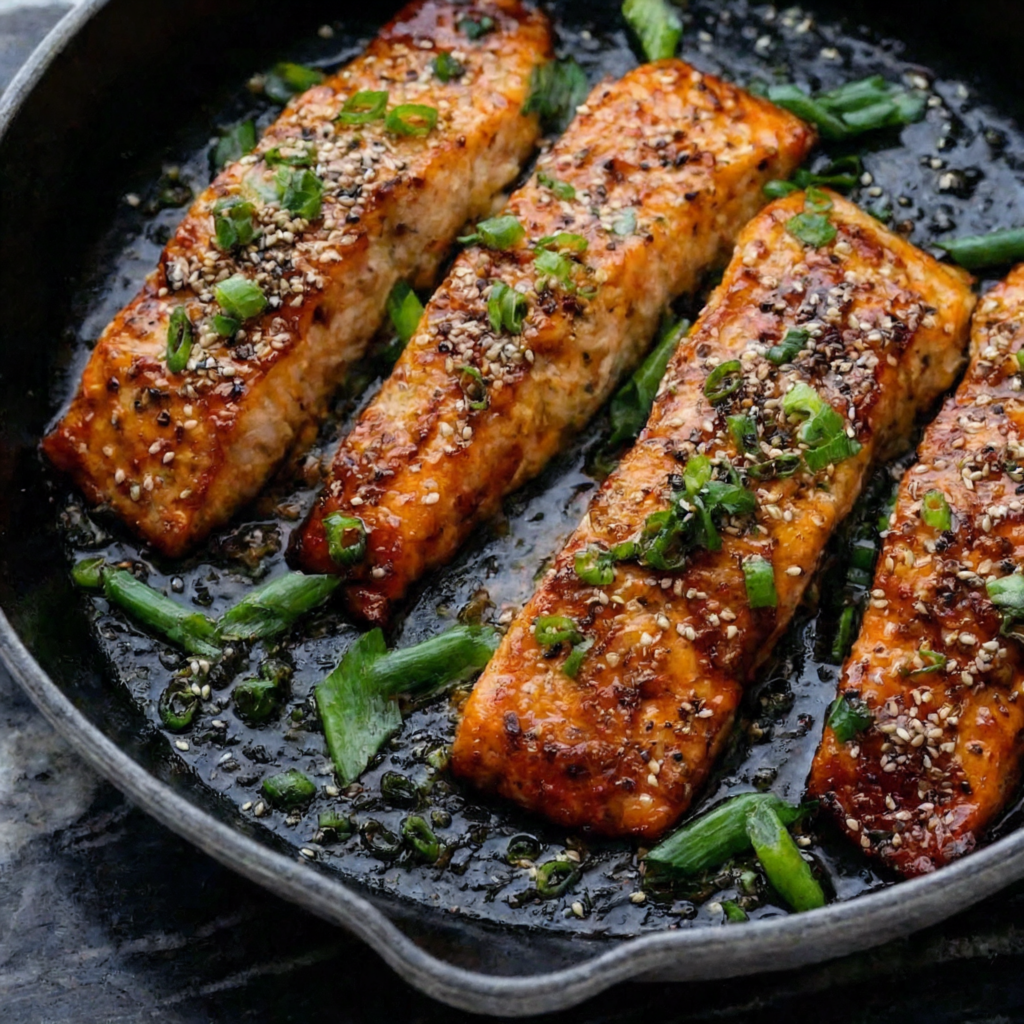
    The salmon turns tender and flaky, while the miso glaze forms a slightly sticky, deeply flavorful coating that tastes like it came from a high-end restaurant.

    The best part?

    It takes minimal prep and cooks quickly, making it perfect for both busy weeknights and special dinners.

    Let’s walk through the process step by step so you can achieve perfectly glazed, melt-in-your-mouth salmon every time.


    Ingredients You’ll Need

    • 4 salmon fillets (about 6 oz each), skin-on or skinless
    • 3 tablespoons white miso paste
    • 2 tablespoons mirin
    • 1 tablespoon soy sauce
    • 1 tablespoon honey (or brown sugar)
    • 1 tablespoon rice vinegar
    • 1 teaspoon sesame oil
    • 2 cloves garlic, finely minced
    • 1 teaspoon freshly grated ginger
    • 1 tablespoon olive oil (for the pan)
    • Optional garnish: sliced green onions, sesame seeds, lime wedges

    Step 1: Prepare the Miso Glaze

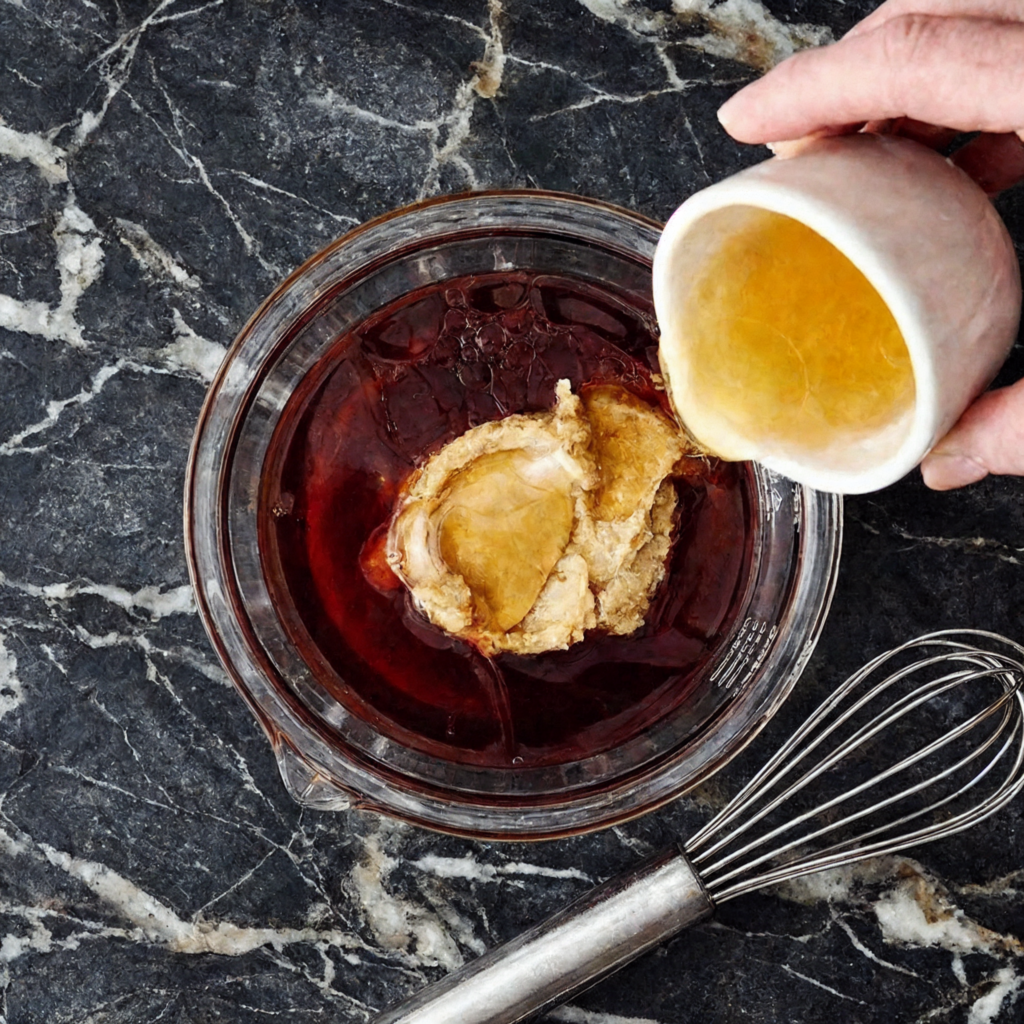
    In a medium bowl, whisk together the white miso paste, mirin, soy sauce, honey, rice vinegar, sesame oil, minced garlic, and grated ginger. Mix until smooth and fully combined.

    The glaze should be thick but spreadable. If it feels too thick, add a teaspoon of water to loosen it slightly. This mixture is the heart of the dish—it delivers sweet depth, savory umami, and a subtle tang.

    Step 2: Pat the Salmon Dry

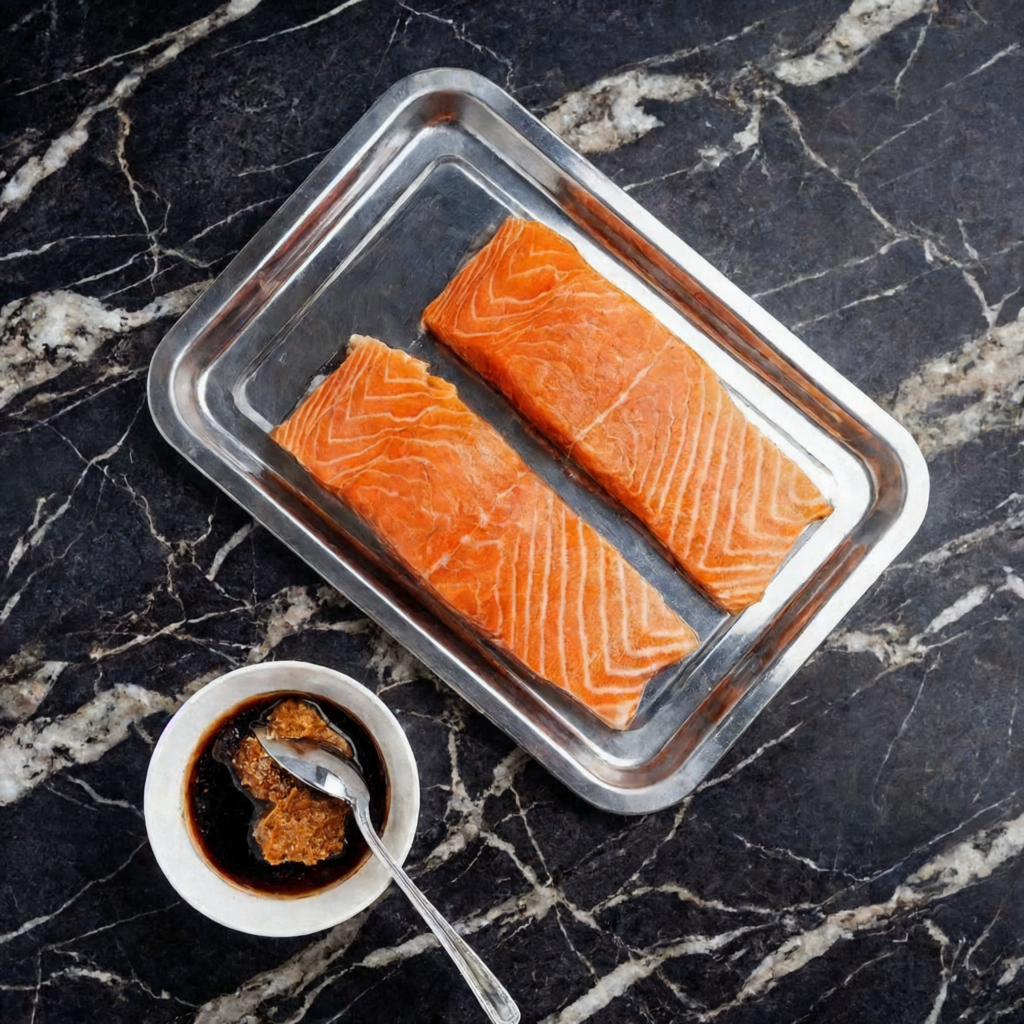
    Use paper towels to gently pat the salmon fillets dry. Removing excess moisture helps the glaze adhere better and promotes caramelization.

    If your fillets have skin, check for any stray scales and remove them before cooking.

    Step 3: Marinate Briefly

    Place the salmon in a shallow dish and spoon about half of the glaze over the top. Spread evenly to coat each fillet.

    Let the salmon marinate for 20–30 minutes in the refrigerator. Because miso is salty, avoid marinating much longer than 30 minutes to prevent overpowering flavor.

    Reserve the remaining glaze for brushing during cooking.


    Step 4: Preheat the Oven

    Preheat your oven to 400°F (200°C). Line a baking sheet with parchment paper or lightly oil a baking dish to prevent sticking.

    You can also cook this under the broiler, but baking first ensures even cooking before caramelizing the top.


    Step 5: Bake the Salmon

    Place the marinated salmon fillets on the prepared baking sheet, skin-side down if applicable. Bake for 10–12 minutes, depending on thickness.

    Salmon is done when it flakes easily with a fork and reaches an internal temperature of 125–130°F (52–54°C) for medium. Avoid overcooking, as salmon can dry out quickly.


    Step 6: Broil for Caramelization

    Switch the oven to broil for the final 1–2 minutes. Brush the tops of the salmon with the reserved glaze and broil until the surface becomes bubbly and slightly caramelized.

    Watch closely during this step—the sugars in the glaze can burn quickly. You’re looking for golden edges and a glossy finish.


    Step 7: Rest Before Serving

    Remove the salmon from the oven and let it rest for 3–5 minutes. This allows the juices to redistribute and ensures tender, moist fish.


    Step 8: Garnish and Serve

    Sprinkle sliced green onions and sesame seeds over the salmon for color and texture. Serve with lime wedges for a bright finishing touch.

    Miso glazed salmon pairs beautifully with:

    • Steamed jasmine rice
    • Stir-fried vegetables
    • Sautéed bok choy
    • Cucumber salad
    • Rice noodles

    Pro Tips for Perfect Miso Glazed Salmon

    • Use white miso paste for a milder, slightly sweet flavor.
    • Don’t over-marinate—miso is concentrated and can overpower the fish.
    • Pat the salmon dry to help the glaze stick.
    • Broil carefully for caramelization without burning.
    • Choose center-cut fillets for even thickness and consistent cooking.

    Flavor Variations

    Once you master the base recipe, try these delicious variations:

    • Spicy Miso: Add 1 teaspoon sriracha or chili paste to the glaze.
    • Maple Miso: Swap honey for pure maple syrup for deeper sweetness.
    • Citrus Twist: Add a teaspoon of orange zest to the glaze.
    • Grilled Version: Cook salmon on a grill over medium heat and brush with glaze during the final minutes.

    Storage and Reheating

    Store leftover salmon in an airtight container in the refrigerator for up to 3 days.

    To reheat, warm gently in a 300°F oven for 8–10 minutes. Avoid microwaving at high heat, as it can dry out the fish.

    Cold leftover miso salmon also works wonderfully flaked into salads or rice bowls.


    Why This Recipe Works

    Miso paste delivers deep umami flavor that pairs naturally with rich salmon.

    The sweetness from honey balances the saltiness, while ginger and garlic add aromatic warmth. High heat allows the glaze to caramelize, creating contrast between the crispy exterior and tender interior.

    The simplicity of the ingredients lets the salmon shine while still offering bold, layered flavor.


    Final Thoughts

    Miso Glazed Salmon is proof that impressive meals don’t have to be complicated. With a handful of pantry staples and under 30 minutes of active cooking time, you can create a dish that feels refined, balanced, and deeply satisfying.

    The glossy, caramelized glaze and flaky salmon make every bite memorable. Whether you’re cooking for family, entertaining guests, or simply upgrading your weeknight dinner routine, this recipe delivers consistent, delicious results.

    Once you try it, don’t be surprised if it becomes a weekly favorite. Sweet, savory, tender, and vibrant—this miso glazed salmon checks every box.
  • Decadent, Creamy, and Seafood-Forward: Lobster Risotto You Can Make at Home

    Decadent, Creamy, and Seafood-Forward: Lobster Risotto You Can Make at Home

    Few dishes scream indulgence quite like Lobster Risotto. Silky, creamy, and infused with the delicate sweetness of lobster, this Italian classic is a showstopper for special dinners, romantic evenings, or celebratory occasions.

    While risotto may seem intimidating, it’s more approachable than you think when broken down step by step.

    With patience, quality ingredients, and careful attention, you can create a restaurant-worthy lobster risotto that’s both comforting and luxurious.

    Let’s dive into the ultimate guide for crafting this indulgent dish.


    Ingredients

    For the lobster:

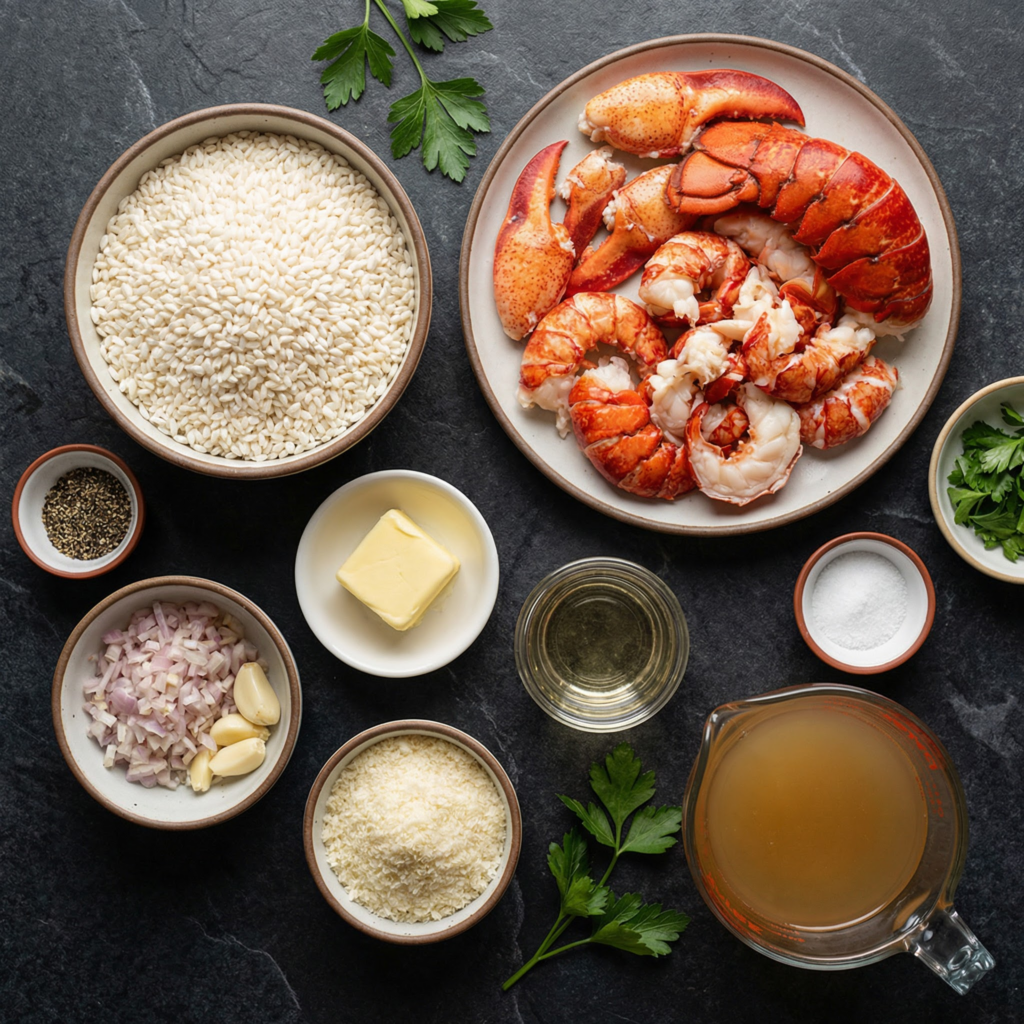
    • 1–1 ½ pounds lobster tails or whole lobster (cooked and shelled)
    • 2 tablespoons unsalted butter
    • Salt and pepper, to taste

    For the risotto:

    • 1 ½ cups Arborio rice
    • 1 small onion, finely chopped
    • 2 cloves garlic, minced
    • 4 tablespoons unsalted butter
    • 2 tablespoons olive oil
    • ½ cup dry white wine
    • 5–6 cups lobster or seafood stock, kept warm
    • ½ cup freshly grated Parmesan cheese
    • 2 tablespoons heavy cream (optional, for extra creaminess)
    • Salt and freshly ground black pepper, to taste
    • Fresh parsley or chives, chopped, for garnish

    Step 1: Prepare the Lobster

    If using live lobster, cook it in boiling water for 8–10 minutes for tails, or 10–12 minutes for whole lobster. Remove the meat from shells, chop into bite-sized pieces, and set aside.

    For pre-cooked lobster, simply chop the meat into chunks and set aside.

    In a small skillet over medium heat, melt 2 tablespoons butter and lightly sauté the lobster pieces for 1–2 minutes, seasoning with salt and pepper. This step enhances the lobster’s flavor and prevents it from tasting cold or raw when added to the risotto later.


    Step 2: Heat the Stock

    Pour lobster or seafood stock into a saucepan and bring to a gentle simmer. Keep it warm over low heat—this ensures the rice cooks evenly without shocking the grains with cold liquid.

    Warm stock is a key secret to creamy risotto.


    Step 3: Sauté the Aromatics

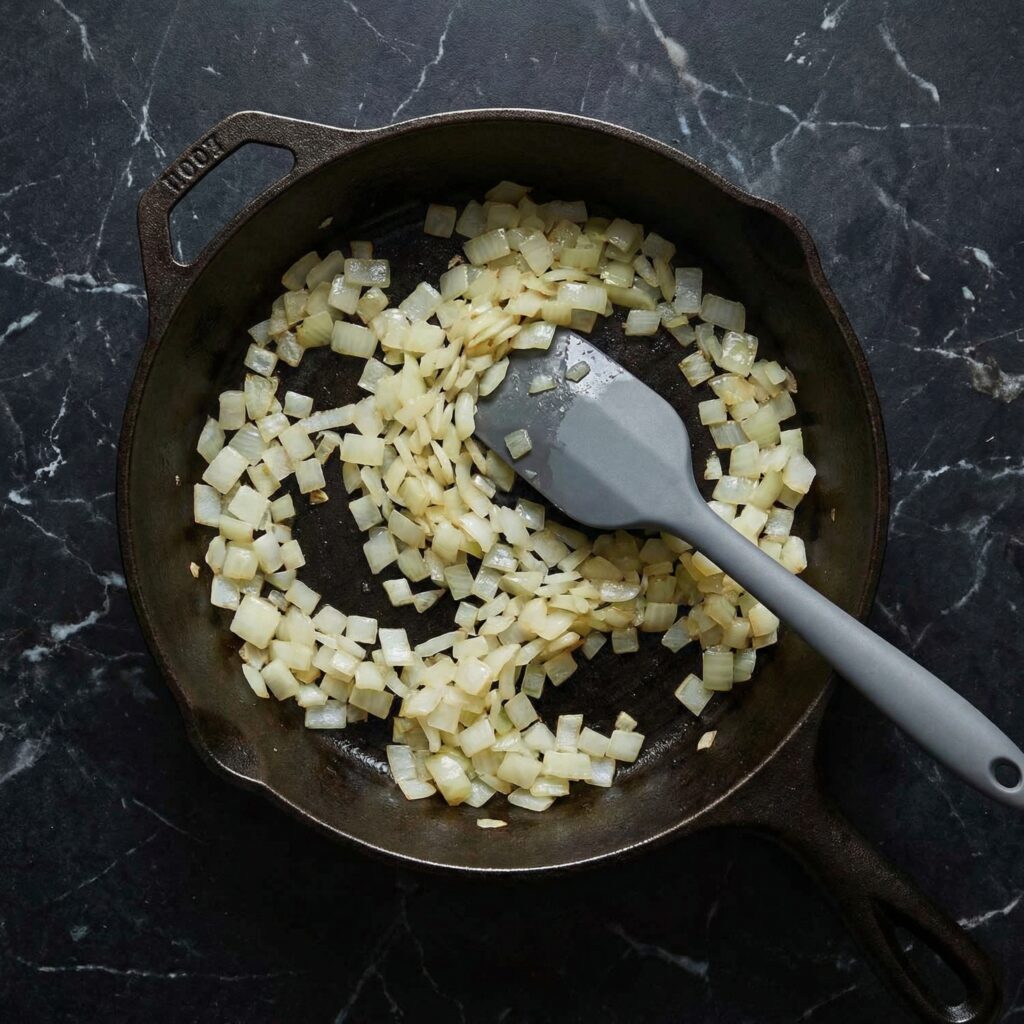
    In a large skillet or wide sauté pan, heat 2 tablespoons butter and 2 tablespoons olive oil over medium heat. Add the finely chopped onion and cook for 3–4 minutes until soft and translucent. Add the minced garlic and cook for an additional 30 seconds, stirring constantly to prevent burning.

    This forms a flavorful base for the risotto, ensuring each grain of rice is infused with subtle depth.


    Step 4: Toast the Rice

    Add the Arborio rice to the pan and stir for 1–2 minutes, allowing the grains to become lightly toasted and coated in butter and oil.

    This step enhances the nutty aroma and helps the rice absorb liquid gradually without becoming mushy.


    Step 5: Deglaze with Wine

    Pour in the dry white wine and stir until the liquid is mostly absorbed.

    The wine adds a delicate acidity that balances the richness of the butter and lobster.


    Step 6: Gradually Add Stock

    Add the warm lobster stock one ladleful at a time, stirring frequently. Wait until most of the liquid is absorbed before adding the next ladle.

    Continue this process for about 18–20 minutes. The rice should be tender yet slightly firm to the bite—what Italians call al dente.

    Frequent stirring releases the rice’s natural starch, creating that signature creamy texture.


    Step 7: Finish the Risotto

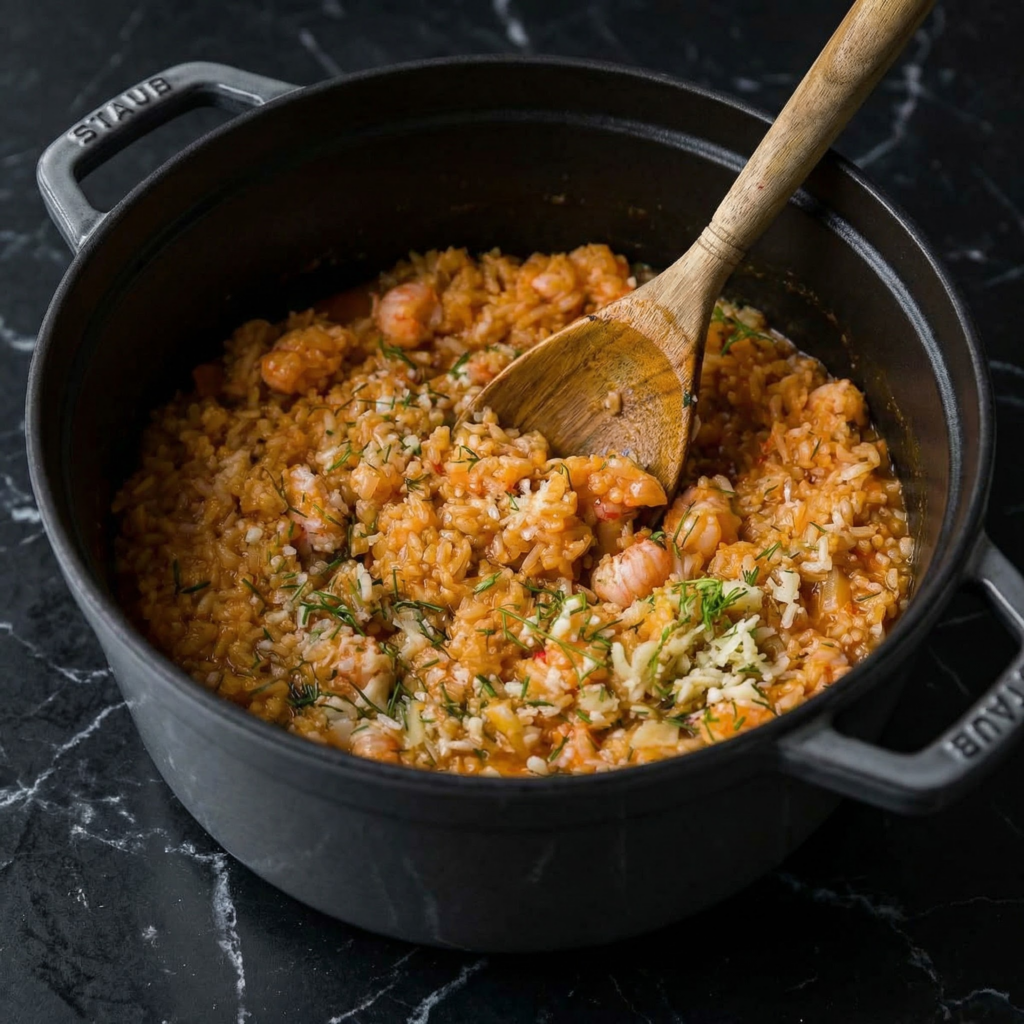
    Once the rice is cooked, remove the pan from heat. Stir in the sautéed lobster, Parmesan cheese, and heavy cream (if using). Taste and season with salt and freshly ground black pepper.

    Gently fold everything together, being careful not to break up the lobster chunks. The risotto should be luscious, creamy, and coat each grain beautifully.


    Step 8: Garnish and Serve

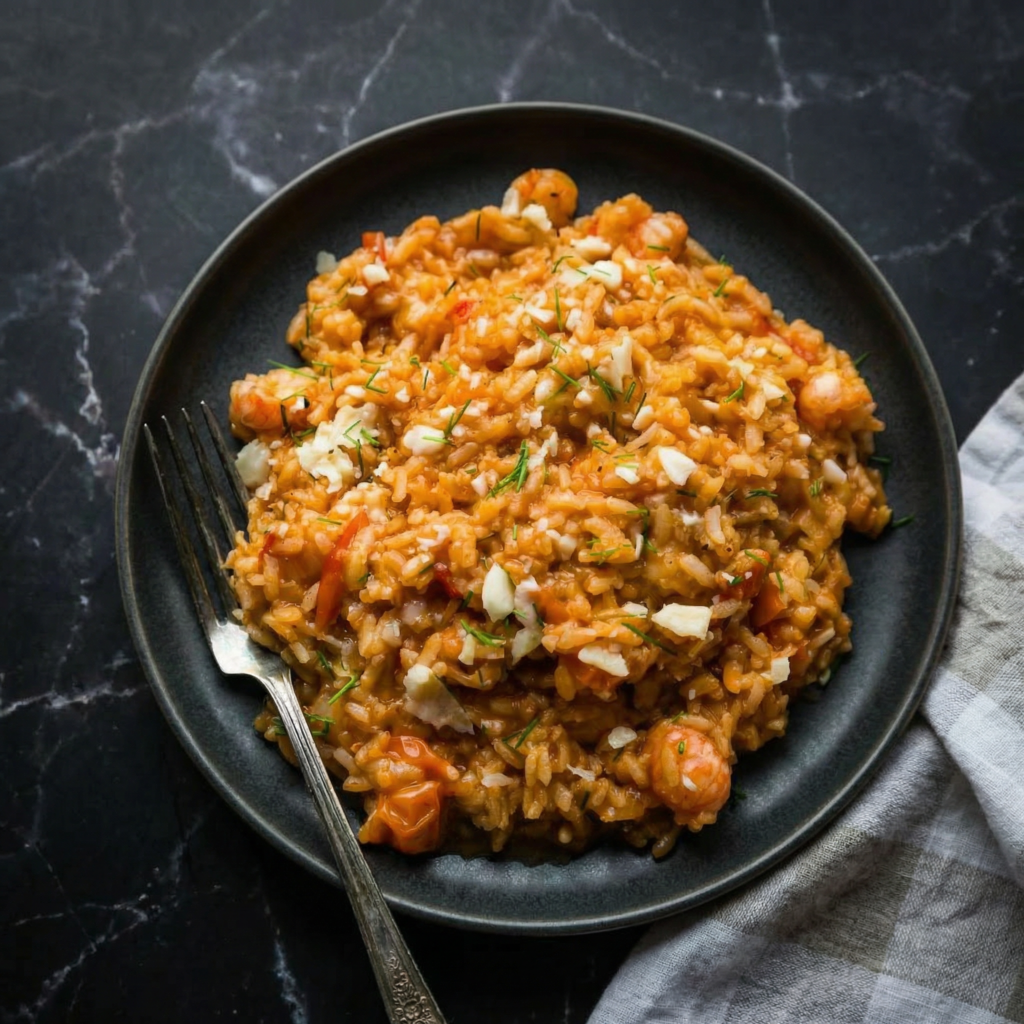
    Serve the risotto immediately while hot. Sprinkle freshly chopped parsley or chives over the top for color and freshness. For extra decadence, add a small pat of butter or an additional drizzle of cream.

    Pair with a crisp white wine like Sauvignon Blanc or Chardonnay for a truly elevated experience.


    Pro Tips for Perfect Lobster Risotto

    • Keep the stock warm: Cold stock can shock the rice and slow cooking.
    • Stir often: Stirring releases starches, producing a creamy texture without cream.
    • Timing matters: Cook the lobster separately to prevent overcooking. Add it at the end to keep it tender.
    • Use quality ingredients: Fresh lobster, good Parmesan, and high-quality Arborio rice make a huge difference.
    • Consistency check: Risotto should be creamy and slightly loose—not dry or stiff.

    Why This Recipe Works

    The magic of lobster risotto lies in layering flavors and textures. Toasting the rice adds nuttiness, the gradual absorption of stock ensures creamy consistency, and the final addition of lobster provides sweetness and luxury. Butter, Parmesan, and optional cream enrich the dish without overpowering the delicate seafood flavor.

    This balance of creamy, savory, and subtly sweet notes makes lobster risotto a comforting yet refined dish.


    Optional Variations

    • Truffle Twist: Add a drizzle of truffle oil for an earthy, sophisticated flavor.
    • Vegetable Boost: Fold in peas, asparagus tips, or sautéed mushrooms for color and texture.
    • Citrus Zest: A touch of lemon zest brightens the richness.
    • Shellstock Broth: Use lobster shells to make a homemade stock for deeper flavor.

    Storage and Leftovers

    Risotto is best served fresh, as reheating can change its creamy texture. If you have leftovers, store in an airtight container in the refrigerator for up to 2 days.

    Reheat gently over low heat, adding a splash of stock or cream to loosen the consistency.


    The Takeaway

    Lobster Risotto may seem luxurious, but it’s achievable with patience and attention to technique. By preparing the lobster, toasting the rice, gradually adding stock, and finishing with Parmesan and butter, you create a dish that’s rich, flavorful, and comforting.

    This indulgent meal is perfect for special occasions, romantic dinners, or any time you want to treat yourself. Each bite is a perfect balance of creamy, tender, and seafood-forward flavors, proving that homemade elegance is entirely possible—even from your own kitchen.

    Once you try this Lobster Risotto, you’ll understand why it’s a classic: simple ingredients transformed through care and technique into a truly unforgettable dish.

  • Creamy, Smoky, and Irresistible: The Ultimate Spaghetti alla Carbonara Recipe

    Creamy, Smoky, and Irresistible: The Ultimate Spaghetti alla Carbonara Recipe

    Few pasta dishes are as iconic—and as satisfying—as Spaghetti alla Carbonara. This classic Roman recipe combines silky pasta, crispy pancetta or guanciale, and a rich, creamy sauce made from eggs, Parmesan, and Pecorino Romano.

    Despite its indulgent flavor, authentic carbonara contains no cream—the magic comes from the emulsion of eggs and cheese with hot pasta.

    In this step-by-step guide, you’ll learn how to make authentic Spaghetti alla Carbonara that’s silky, flavorful, and perfect every time.


    Why You’ll Love This Recipe

    • Rich, creamy texture without using cream
    • Smoky, savory pancetta or guanciale
    • Quick and simple, ready in under 30 minutes
    • Classic Italian comfort food
    • Perfect for weeknight dinners or a special meal

    Spaghetti alla Carbonara is all about timing, technique, and balancing flavors to achieve that luxurious sauce that clings to every strand of pasta.


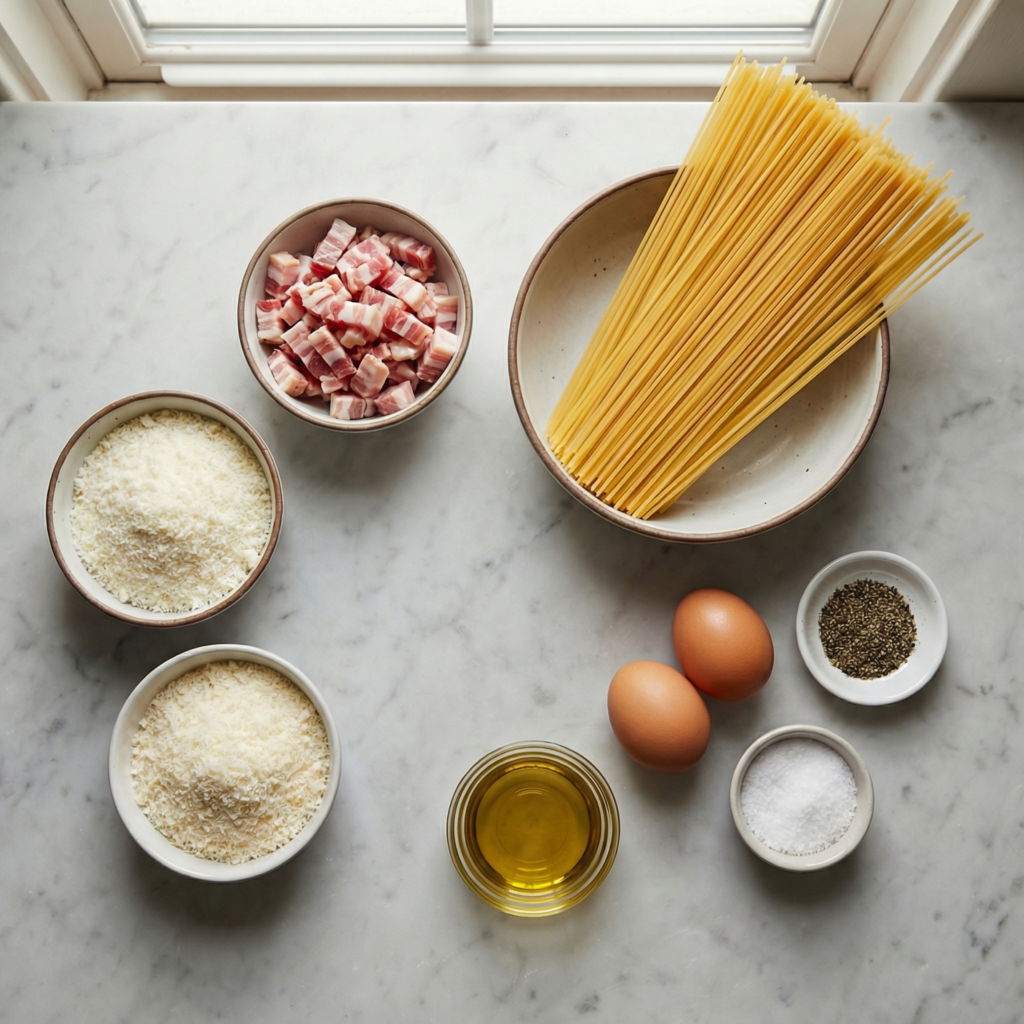
    Ingredients You’ll Need

    For the Pasta:

    • 12 ounces spaghetti
    • 2 tablespoons salt (for pasta water)

    For the Sauce:

    • 4 ounces guanciale or pancetta, diced
    • 3 large eggs
    • ½ cup finely grated Pecorino Romano (or ¼ cup Pecorino + ¼ cup Parmesan)
    • Freshly cracked black pepper, generous
    • Salt, to taste (be careful—the cheese is salty)

    Optional Garnish:

    • Extra Pecorino Romano
    • Extra black pepper

    Step 1: Bring Water to a Boil

    Fill a large pot with water and bring to a rolling boil. Add salt generously.

    Salting the water is crucial—it’s the first step in seasoning the pasta itself.


    Step 2: Cook the Spaghetti

    Add the spaghetti and cook according to package instructions until al dente—firm to the bite.

    Reserve about 1 cup of the starchy pasta water before draining. This liquid will help create the silky carbonara sauce.

    Do not rinse the pasta; you want it hot and starchy for emulsifying with the eggs.


    Step 3: Cook the Guanciale or Pancetta

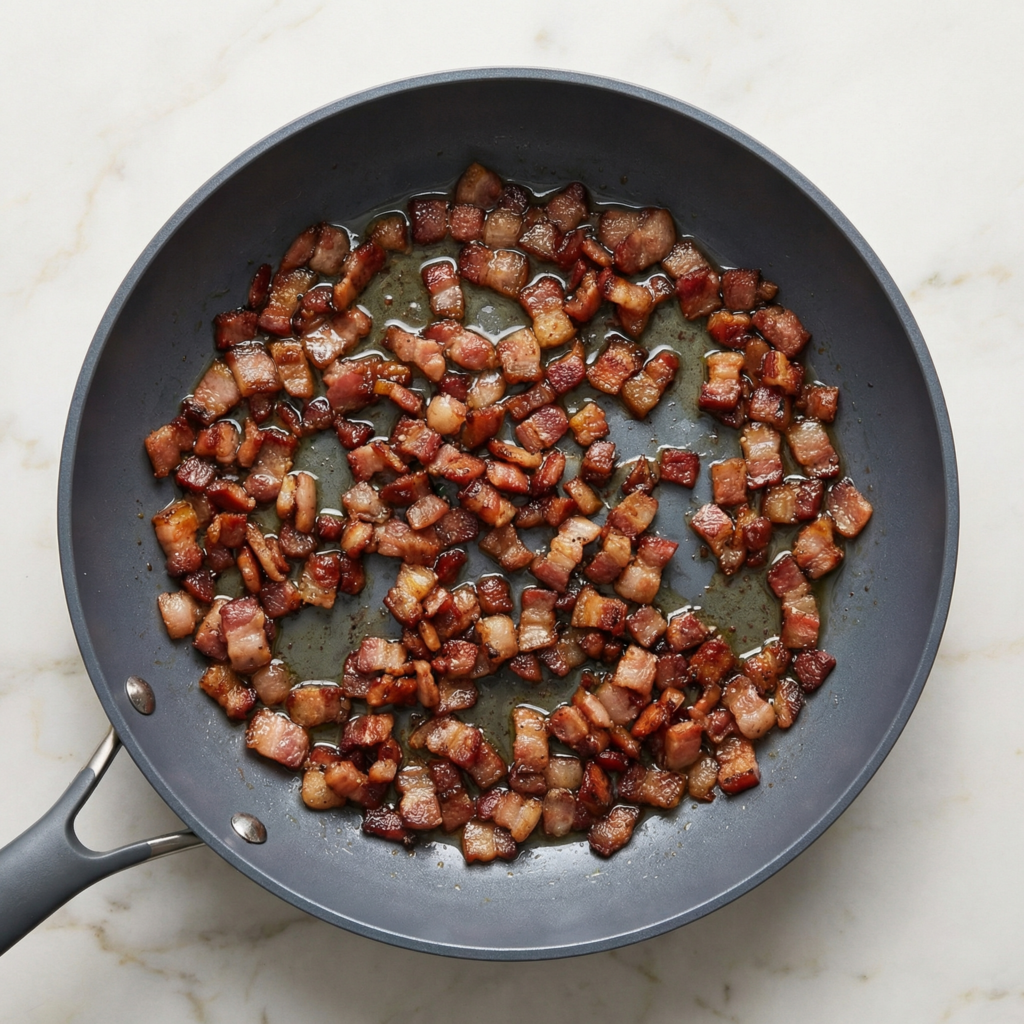
    While the pasta cooks, heat a large skillet over medium heat. Add the diced guanciale or pancetta.

    Cook for 4–6 minutes until golden brown and crispy, stirring occasionally. The rendered fat will become the flavorful base for the sauce.

    Remove from heat once crispy.


    Step 4: Prepare the Egg and Cheese Mixture

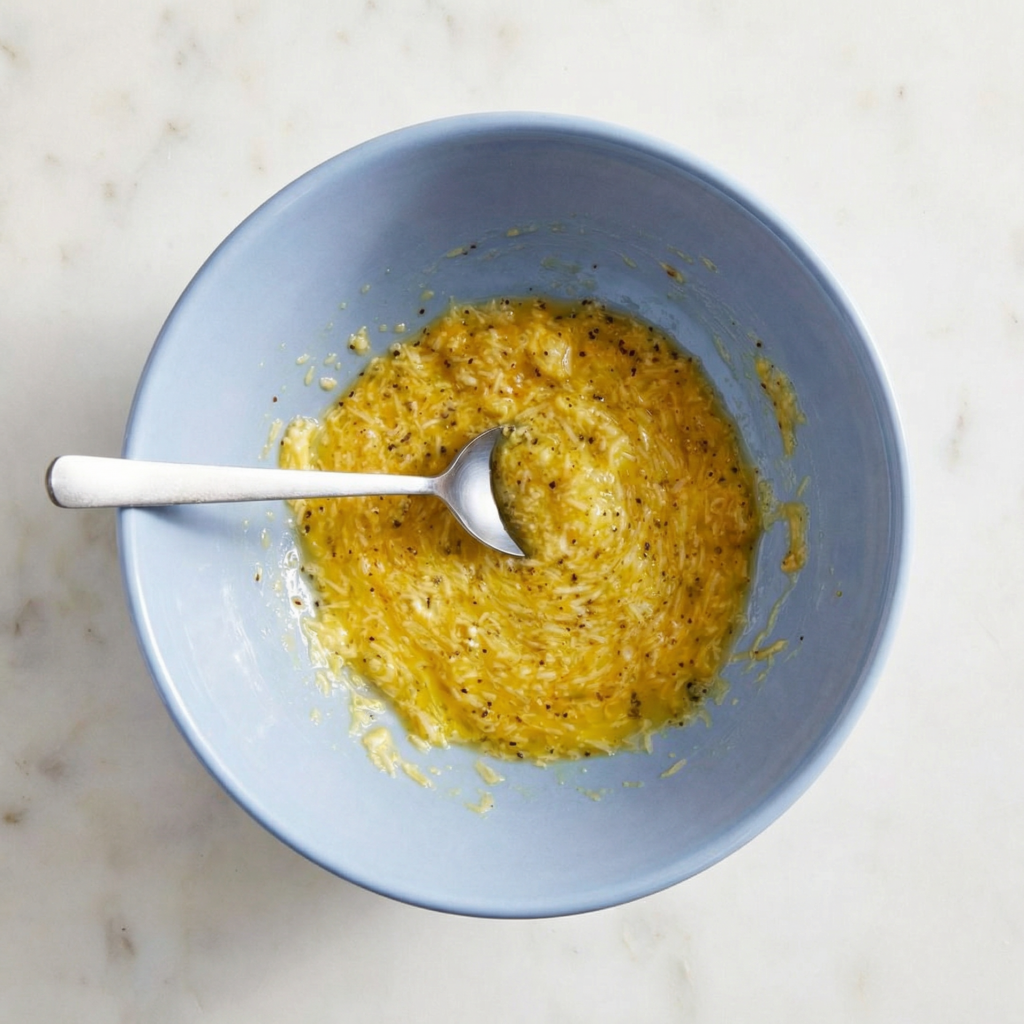
    In a medium bowl, whisk together eggs, Pecorino Romano, and a generous amount of freshly cracked black pepper.

    The eggs should be well combined, but don’t worry about the mixture being too thick—it will become creamy when combined with the hot pasta.


    Step 5: Combine Pasta and Guanciale

    Add the drained pasta directly to the skillet with the rendered guanciale and its fat. Toss well to coat each strand with the flavorful fat.

    If the skillet is still very hot, remove it from the heat before adding eggs to prevent scrambling.


    Step 6: Create the Creamy Carbonara Sauce

    Slowly pour the egg and cheese mixture over the hot pasta while tossing quickly.

    Use tongs or a large fork to continuously toss the pasta. The residual heat will cook the eggs gently, forming a silky, creamy sauce that clings to each strand.

    If the sauce seems too thick, add a little reserved pasta water, one tablespoon at a time, until you reach your desired consistency.


    Step 7: Season and Taste

    Taste your carbonara carefully. Add more black pepper as desired. You may not need extra salt because the guanciale and cheese provide plenty of seasoning.


    Step 8: Plate and Garnish

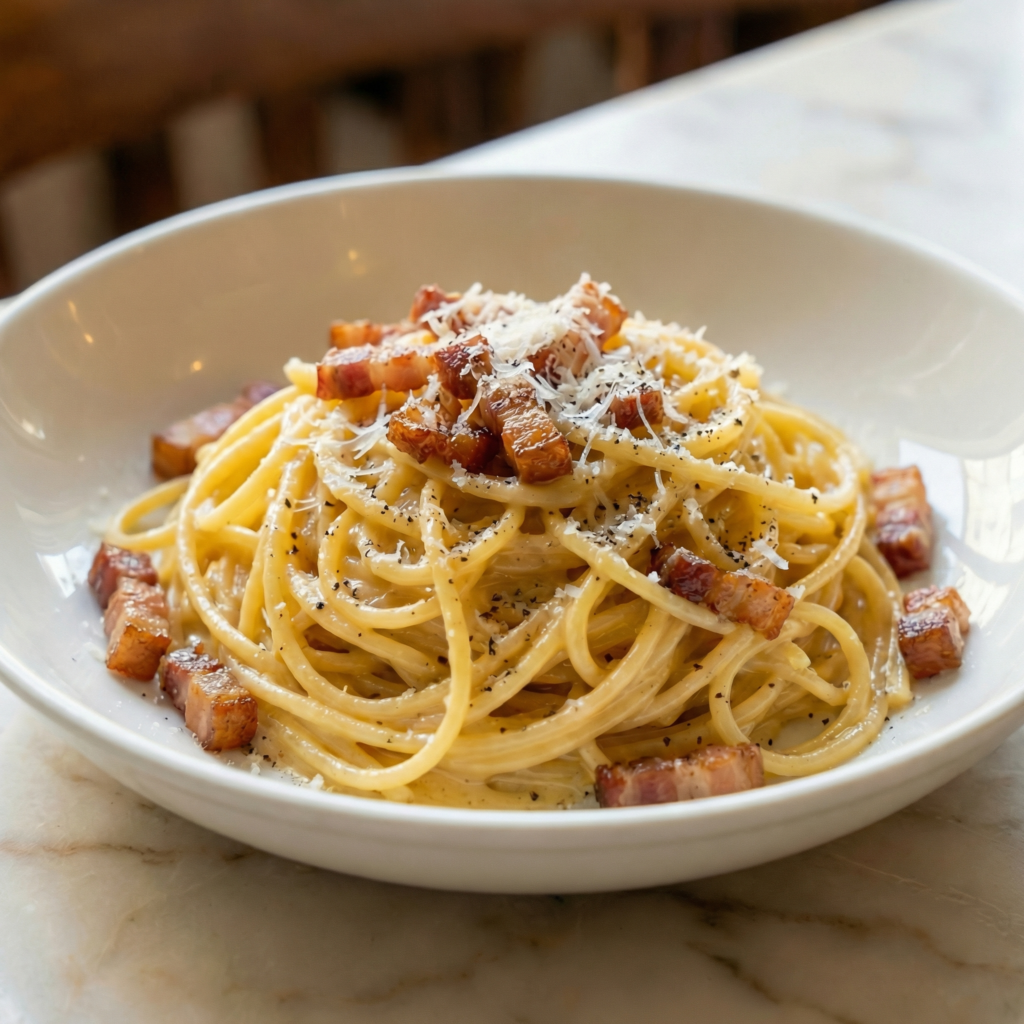
    Serve immediately on warm plates.

    Sprinkle extra Pecorino Romano and a few cracks of black pepper on top for added flavor and presentation.

    Carbonara is best enjoyed fresh and hot—its sauce thickens as it cools.


    Flavor and Texture Highlights

    • Silky, creamy egg-based sauce
    • Crispy, smoky pancetta
    • Rich, nutty Pecorino Romano
    • Al dente pasta for perfect bite
    • Simple but bold flavors

    Every forkful delivers a perfect balance of creamy, salty, and smoky notes.


    Tips for Perfect Spaghetti alla Carbonara

    Use guanciale if possible. It’s more authentic and flavorful than pancetta.

    Don’t add cream. True carbonara relies on eggs and pasta water for creaminess.

    Toss off the heat. Adding eggs over high heat will scramble them.

    Reserve pasta water. It’s essential for achieving a smooth, silky sauce.

    Serve immediately. Carbonara loses its texture as it cools.


    Optional Variations

    • Vegetarian: Substitute mushrooms for guanciale, lightly sautéed in olive oil.
    • Cheese Blend: Mix Parmesan and Pecorino for milder flavor.
    • Spicy: Add red pepper flakes for a subtle kick.
    • Protein Twist: Swap guanciale for crispy pancetta or bacon if unavailable.
    • Extra Creamy: Add a small splash of pasta water to loosen the sauce further.

    Storage and Reheating

    Spaghetti alla Carbonara is best enjoyed immediately.

    If you have leftovers, store in an airtight container in the refrigerator for up to 24 hours.

    Reheat gently over low heat in a skillet with a splash of milk or pasta water to restore creaminess. Avoid microwaving at high heat to prevent scrambling the eggs.


    Why This Recipe Works

    Spaghetti alla Carbonara works because it balances heat, timing, and technique. Crisp guanciale provides texture and flavor while hot pasta creates an emulsification with the egg and cheese mixture.

    The starch from pasta water binds everything together into a creamy, glossy sauce without using cream. Simple ingredients combine to create a complex and satisfying flavor profile, proving that authenticity and restraint can produce a decadent, comforting dish.


    Spaghetti alla Carbonara is more than just a pasta dish—it’s a lesson in flavor, technique, and indulgent simplicity. Silky sauce, smoky meat, and perfectly cooked spaghetti come together to create a classic Roman masterpiece.

    Once you master this recipe, you’ll have an elegant, comforting pasta dish ready anytime you want to impress without stress. Perfect for weeknights, date nights, or a special treat, this carbonara is creamy, comforting, and utterly irresistible.