Tag: Thai stir fry

  • Pad See Ew Perfection: A Step-by-Step Guide to Thailand’s Irresistible Stir-Fried Noodles

    Pad See Ew Perfection: A Step-by-Step Guide to Thailand’s Irresistible Stir-Fried Noodles

    If you’ve ever ordered Pad See Ew at a Thai restaurant and wondered how those glossy, smoky noodles come together so perfectly, you’re in the right place. This beloved street food classic is known for its wide rice noodles, savory-sweet soy sauce coating, tender protein, and slightly charred edges that deliver irresistible flavor in every bite.

    The good news? You don’t need a restaurant kitchen to make it. With the right technique and a hot pan, you can recreate that signature taste right at home.

    Let’s walk through it step by step.


    What Is Pad See Ew?

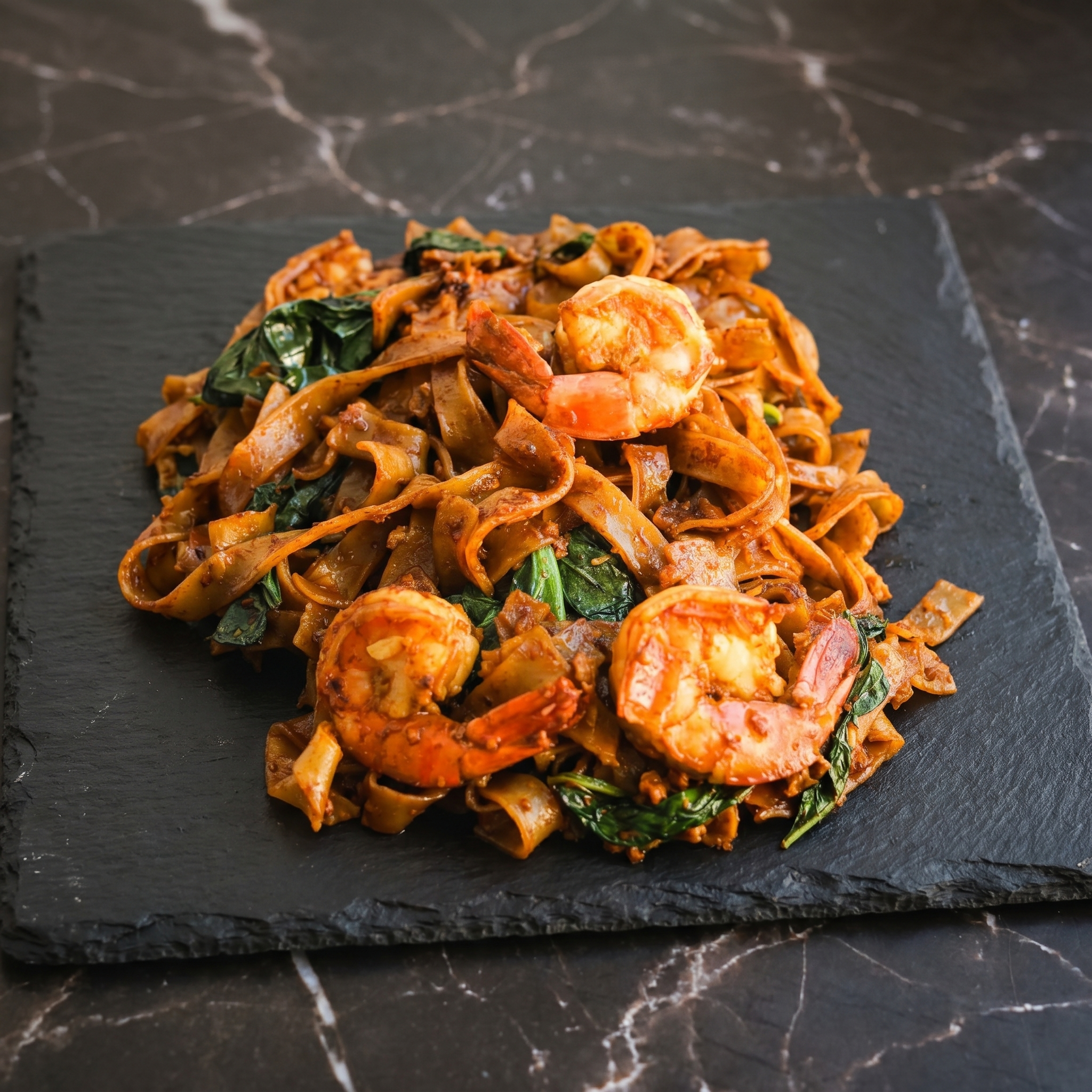
    Pad See Ew is a popular Thai stir-fried noodle dish made with wide rice noodles, dark soy sauce, Chinese broccoli (gai lan), egg, and a protein like chicken, beef, shrimp, or tofu. The name translates roughly to “stir-fried with soy sauce,” and that savory depth is exactly what defines the dish.

    Its flavor profile is savory, slightly sweet, and deeply umami, with subtle smokiness from high-heat cooking.


    Ingredients You’ll Need
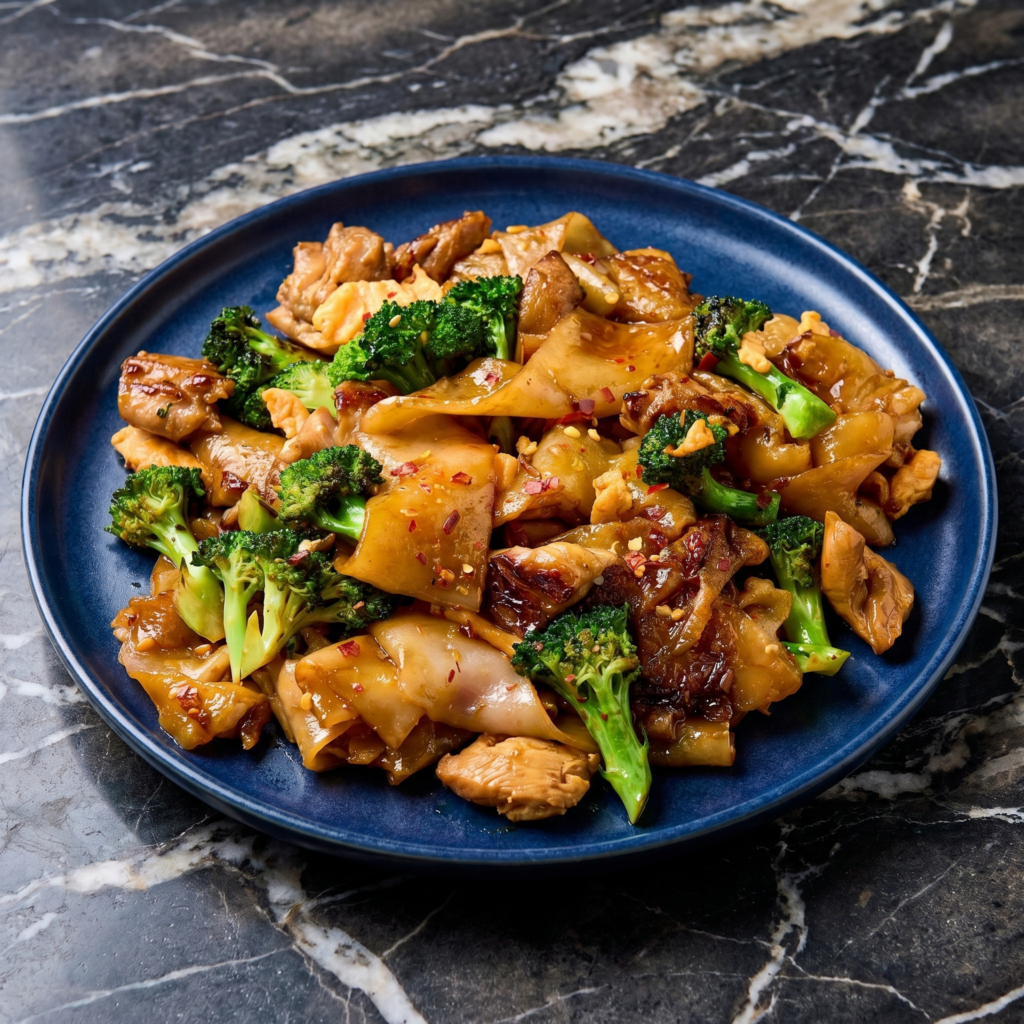
    Here’s everything to prepare before you start cooking:

    For the sauce:

    • 2 tablespoons light soy sauce
    • 1 tablespoon dark soy sauce
    • 1 tablespoon oyster sauce
    • 1–2 teaspoons sugar
    • 1 teaspoon rice vinegar

    For the stir-fry:

    • 12 ounces fresh wide rice noodles (or dried, soaked until pliable)
    • 2 tablespoons neutral oil (like avocado or vegetable oil)
    • 8 ounces chicken breast (thinly sliced), or your preferred protein
    • 2 cloves garlic, minced
    • 2 large eggs
    • 2 cups Chinese broccoli (gai lan), chopped into bite-sized pieces
    • Freshly ground white or black pepper

    Step 1: Prepare Everything First

    Pad See Ew cooks quickly, so have all ingredients measured and ready before turning on the heat.

    If using dried rice noodles, soak them in warm water for about 30 minutes until pliable but not mushy. Drain well.

    Mix all sauce ingredients together in a small bowl and set aside. This ensures even distribution once it hits the pan.

    Slice your protein thinly against the grain. Chop the Chinese broccoli, separating thick stems from leafy tops—they cook at different speeds.


    Step 2: Heat the Pan Properly

    Place a large wok or heavy skillet over high heat. Let it heat for at least 1–2 minutes before adding oil. High heat is essential for achieving that signature smoky flavor, often called “wok hei.”

    Add 1 tablespoon of oil and swirl to coat the pan.


    Step 3: Cook the Protein

    Add the sliced chicken (or chosen protein) in a single layer. Let it sear undisturbed for about 30 seconds to develop color.

    Stir-fry for 2–3 minutes until cooked through. Remove from the pan and set aside.

    Cooking the protein separately prevents overcrowding and keeps it tender.


    Step 4: Sauté the Garlic and Vegetables

    Add another tablespoon of oil if needed. Toss in the minced garlic and stir quickly—about 10 seconds—just until fragrant.

    Add the chopped Chinese broccoli stems first. Stir-fry for about 1 minute before adding the leafy parts. Continue cooking for another minute until bright green and slightly tender but still crisp.

    Push everything to one side of the pan.


    Step 5: Scramble the Eggs

    Crack the eggs into the empty side of the pan. Let them sit for a few seconds, then scramble gently.

    Once mostly cooked but still slightly soft, mix them with the vegetables.

    This layering method keeps textures distinct and prevents overcooking.


    Step 6: Add the Noodles

    Increase heat back to high. Add the rice noodles to the pan.

    If using fresh noodles that are stuck together, gently separate them with your hands before adding. Handle carefully—they can tear easily.

    Spread the noodles out and let them sit for 20–30 seconds without stirring. This allows slight caramelization and char.


    Step 7: Add Sauce and Combine

    Pour the prepared sauce evenly over the noodles.

    Using tongs or a spatula, gently toss everything together. Try to lift and fold rather than aggressively stir to keep noodles intact.

    Let sections of the noodles sit briefly against the hot surface to develop light charring. This step gives the dish its authentic depth.

    Return the cooked protein to the pan and toss until fully combined and heated through.


    Step 8: Final Seasoning

    Taste and adjust if needed. Add a pinch more sugar if it needs balance or a splash of soy sauce for saltiness.

    Finish with freshly ground white or black pepper for subtle heat.

    Turn off the heat immediately once everything is coated and glossy.


    Tips for Authentic Flavor

    Use dark soy sauce. It provides color and mild sweetness without overpowering saltiness.

    Cook on high heat. Proper heat creates the slightly smoky character that defines Pad See Ew.

    Don’t overcrowd the pan. If doubling the recipe, cook in batches.

    Avoid over-saucing. The noodles should be coated, not swimming.


    Make It Your Own

    Pad See Ew is flexible and easy to customize:

    • Swap chicken for thinly sliced beef or shrimp.
    • Use tofu for a vegetarian option.
    • Add mushrooms for extra umami.
    • Sprinkle chili flakes for heat.

    You can also serve it with a wedge of lime or a dash of chili vinegar for brightness.


    Storage and Reheating

    Pad See Ew is best enjoyed fresh, but leftovers can be stored in an airtight container in the refrigerator for up to 3 days.

    Reheat in a hot skillet with a small splash of water to loosen the noodles. Avoid microwaving too long, as it can make them rubbery.


    Final Thoughts

    Making Pad See Ew at home is easier than you might think. With a handful of pantry staples and the right high-heat technique, you can recreate that restaurant-quality flavor in under 30 minutes.

    Savory, slightly sweet, and satisfyingly smoky, this Thai classic proves that simple ingredients—treated with care—can create bold, unforgettable meals.

    Heat up your wok, embrace the sizzle, and enjoy every glossy, flavorful bite.
  • Thai Basil Chicken: 15-Minute Flavor Explosion

    Thai Basil Chicken: 15-Minute Flavor Explosion

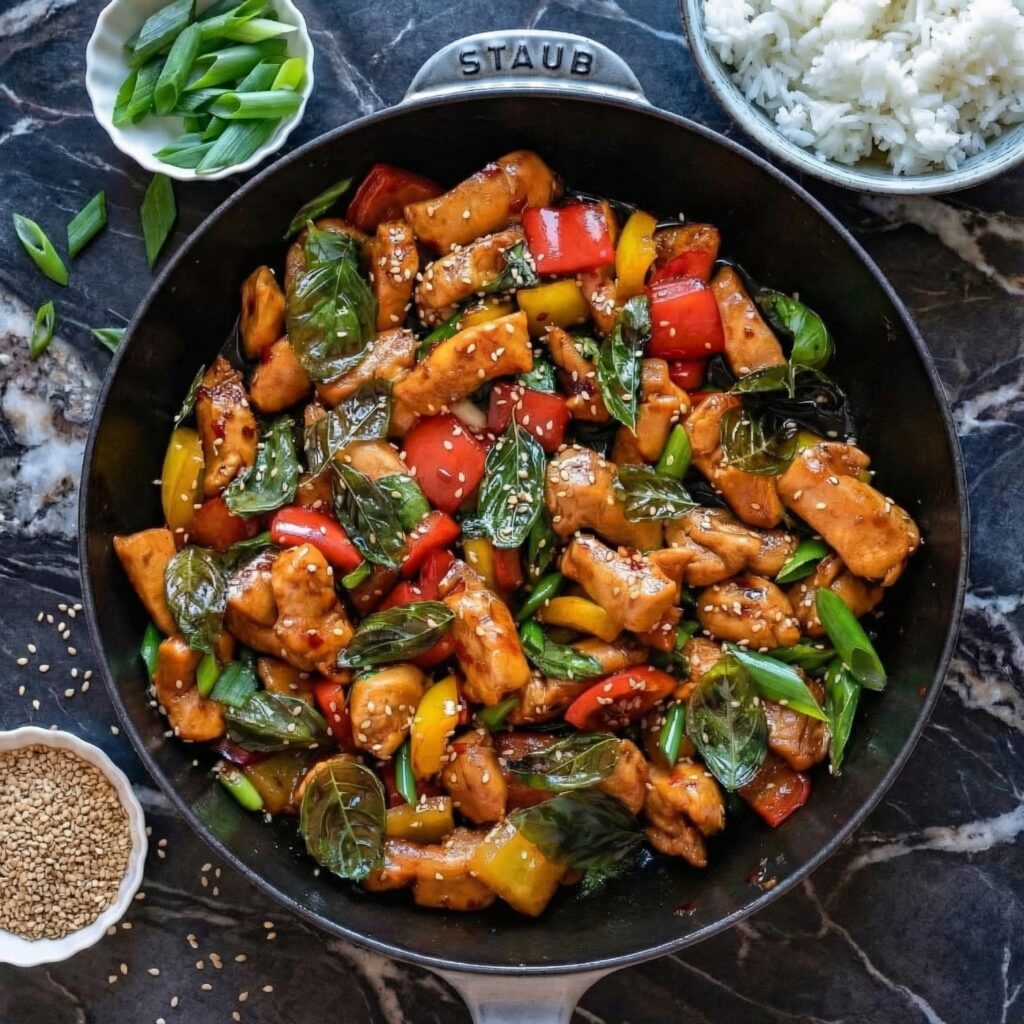
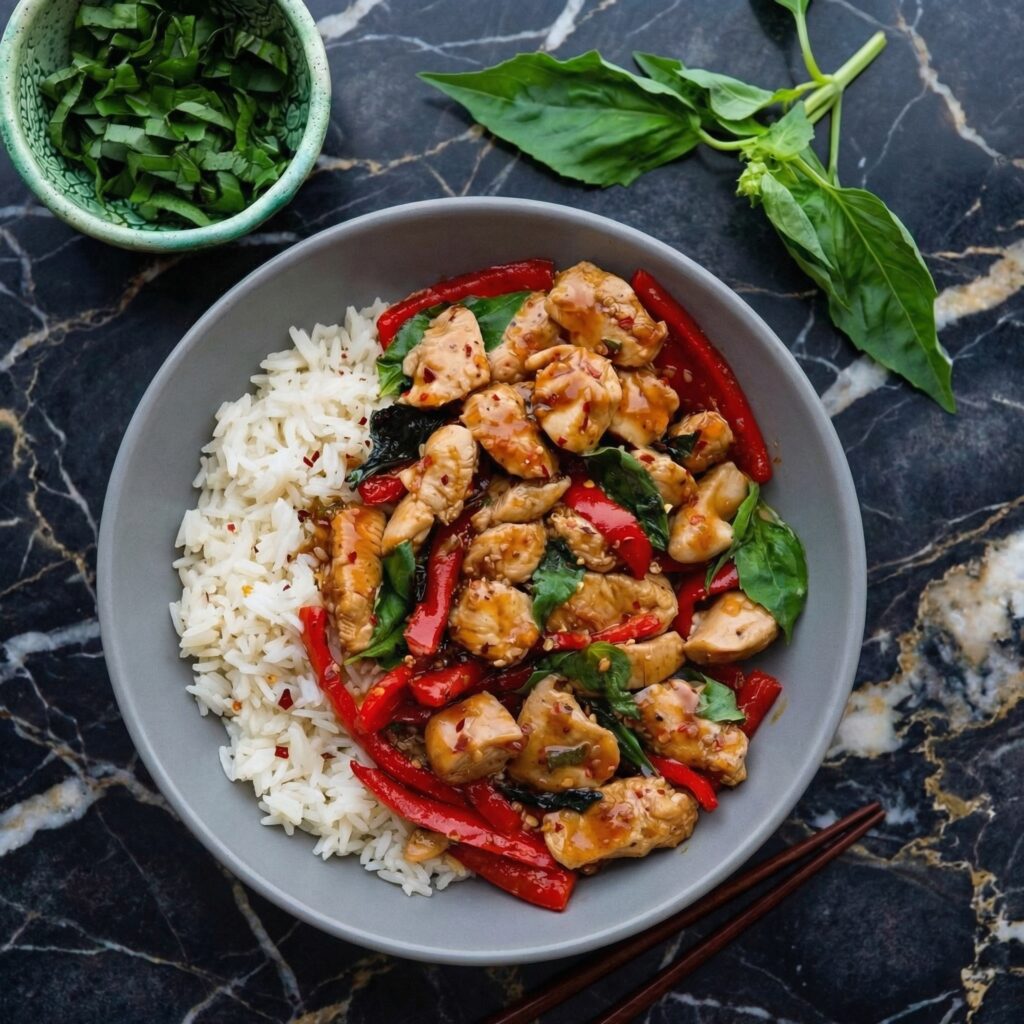
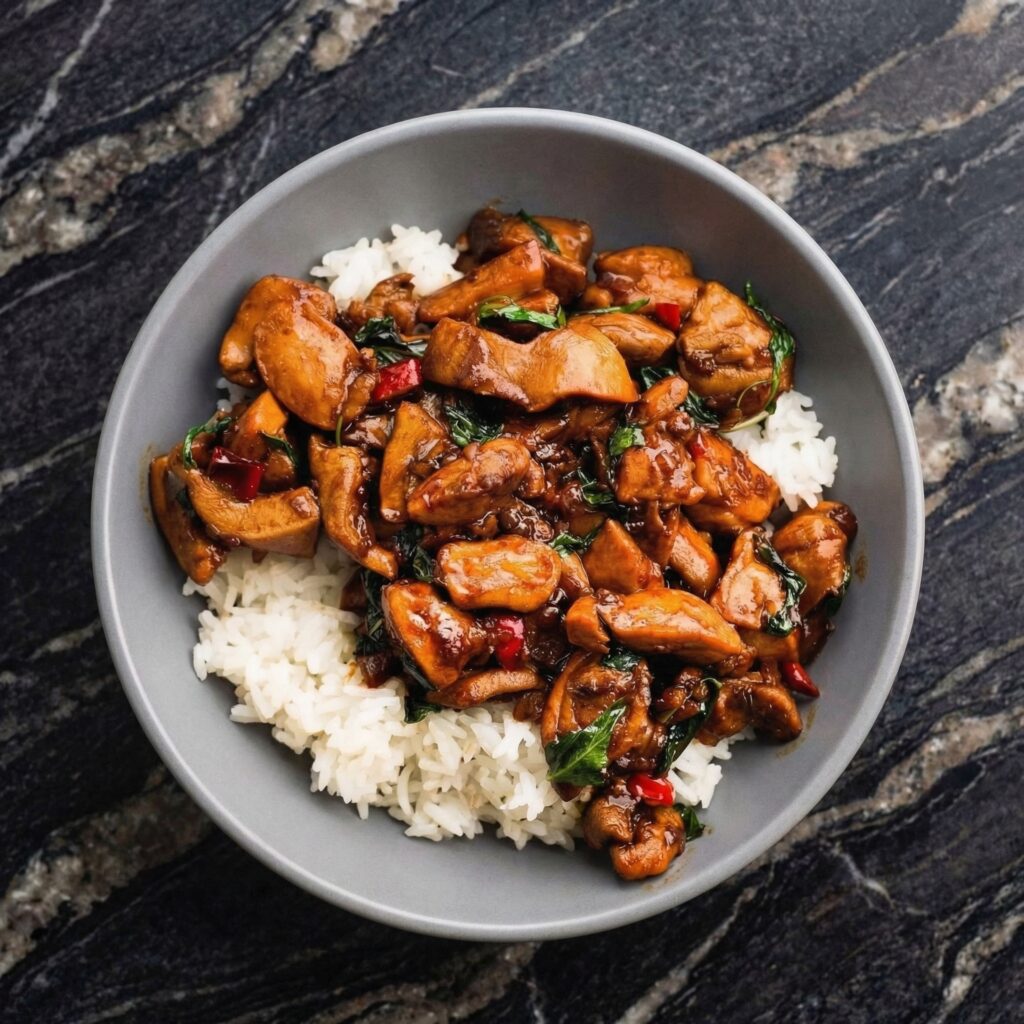
    If you’ve ever been to Thailand, you know pad kra pao. It’s the sizzling, fragrant, spicy stir-fry that vendors cook up on street corners, the smell of garlic and chilies hitting you before you even see the cart. Chicken wok-tossed with mountains of Thai basil, served over rice with a fried egg that has crispy, lacy edges and a runny yolk.

    This is the real deal. It’s fast, it’s fiery, and it’s deeply satisfying. The secret is the sauce—a balance of fish sauce, oyster sauce, and a touch of sugar—and the basil. Holy basil is traditional, but Thai basil works beautifully. Make it once, and you’ll understand why it’s Thailand’s national comfort food.

    Ingredients

    Serves 2-3.

    For the Stir Fry:

    • 1 lb chicken (or pork, beef, or tofu)
    • 6-8 Thai bird chilies, thinly sliced (adjust to your heat tolerance)
    • 5 cloves garlic, minced
    • 1 shallot, thinly sliced
    • 2 cups fresh holy basil or Thai basil leaves (packed—don’t skimp)
    • 2 tbsp neutral oil (vegetable or avocado)
    • Jasmine rice, for serving
    • 2-3 fried eggs, for topping (crispy edges, runny yolks)

    For the Sauce:

    • 2 tbsp fish sauce
    • 1 tbsp oyster sauce
    • 1 tbsp soy sauce (or dark soy for color)
    • 1 tsp sugar (palm sugar is traditional, but brown or white works)
    • 2 tbsp water

    For Serving:

    • Fresh cilantro, for garnish (optional)
    • Lime wedges
    • Extra fish sauce and chili flakes, on the side

    Step-by-Step Instructions

    Step 1: Make the Sauce

    1. In a small bowl, whisk together fish sauce, oyster sauce, soy sauce, sugar, and water. Set aside.

    Step 2: Prep the Aromatics

    1. Using a mortar and pestle (or just a knife), roughly pound or chop the chilies, garlic, and shallot together until they form a coarse paste. This releases more flavor than chopping separately.

    Step 3: Cook the Aromatics

    1. Heat oil in a wok or large skillet over high heat until smoking.
    2. Add the chili-garlic-shallot paste and stir-fry for 30 seconds until incredibly fragrant. Open a window—this is powerful stuff.

    Step 4: Brown the Chicken

    1. Add chicken to the wok. Break it up with a spatula and cook, without stirring too much, until it starts to brown and caramelize, about 3-4 minutes.
    2. Let it get crispy edges—this adds texture and flavor.

    Step 5: Add the Sauce

    1. Pour the sauce over the chicken. Stir-fry for 1-2 minutes until the sauce reduces and coats the meat.

    Step 6: Add the Basil

    1. Turn off the heat. Add all the basil leaves and stir until they wilt from the residual heat. The basil should be fragrant and slightly wilted, not completely cooked down.

    Step 7: Fry the Eggs

    1. In a separate pan, fry eggs in hot oil until the edges are crispy and lacy and the yolks are still runny. Season with a pinch of salt.

    Step 8: Assemble and Serve

    1. Scoop jasmine rice into bowls. Top with the Thai basil chicken.
    2. Place a fried egg on top of each bowl, letting that golden yolk get ready to spill.
    3. Garnish with fresh cilantro if desired and serve with lime wedges.
    4. Break the yolk. Let it run into the chicken and rice. Take a bite. Close your eyes. You’re on a Bangkok street corner now.

    Summary

    Prep Time: 5 minutes | Cook Time: 10 minutes | Total Time: 15 minutes

    Yield: 2-3 servings

    Difficulty: Street food easy

    Storage Notes

    Leftovers:

    Store in an airtight container in the fridge for up to 3 days. The flavors meld beautifully overnight. Store egg separately if possible—it’s best made fresh.

    Reheating:

    Skillet or wok (best): Reheat over medium-high heat with a splash of water to revive the sauce. Microwave: Works in a pinch—cover with a damp paper towel to prevent drying out. Make a fresh egg to top.

    Make Ahead:

    Mix the sauce up to a week ahead. Prep the chili-garlic paste up to 2 days ahead. The stir-fry itself is best made fresh—it takes 10 minutes!

    Pro Tips for Pad Kra Pao Greatness:

    • Holy basil is the real deal. If you can find it at an Asian market, use it. It has a peppery, slightly spicy flavor that’s irreplaceable. Thai basil (with purple stems) is a great substitute. Sweet Italian basil will work in a pinch but won’t have the same kick.
    • Don’t skimp on the basil. The recipe calls for 2 cups packed—that’s not a garnish, it’s a main ingredient.
    • High heat is essential. A screaming-hot wok gives you that smoky, caramelized flavor. Don’t be afraid of a little smoke.
    • Crispy egg is non-negotiable. The runny yolk becomes the sauce. Fry it in plenty of oil until the edges are lacy and crisp.
    • Adjust the heat. Thai bird chilies are no joke. Start with fewer if you’re sensitive, and serve with extra chili flakes on the side.
    • Pound the aromatics. Using a mortar and pestle (or a rough chop) releases more oils than a fine mince. It’s worth the extra minute.

    Variations:

    • Pad kra pao pork: Use ground pork instead of chicken—it’s the traditional version.
    • Pad kra pao beef: Use ground beef for a richer flavor.
    • Pad kra pao tofu: Use crumbled firm tofu for a vegetarian version. Add a splash more soy sauce to compensate for the missing fish sauce.
    • Seafood version: Use chopped shrimp or squid—cook quickly and don’t overcook.
    • Crispy pork version: Top with crispy fried pork belly (moo grob) for next-level indulgence.
    • Extra vegetables: Add green beans, bell peppers, or bamboo shoots for more texture.

    What to Serve With It:

    • Jasmine rice (essential)
    • Fried egg (essential)
    • Cucumber slices (for freshness)
    • Nam pla prik (fish sauce with fresh chilies) on the side
    • Ice-cold Thai iced tea or Singha beer

    Holy Basil vs. Thai Basil vs. Sweet Basil:

    Holy basil (kra pao): Peppery, slightly spicy, with purple-tinged leaves. The authentic choice. Thai basil: Anise-like flavor, purple stems. Great substitute. Sweet basil: Mild, slightly sweet. Works in a pinch but won’t have that signature kick.