Tag: noodle stir fry

  • Pad See Ew Perfection: A Step-by-Step Guide to Thailand’s Irresistible Stir-Fried Noodles

    Pad See Ew Perfection: A Step-by-Step Guide to Thailand’s Irresistible Stir-Fried Noodles

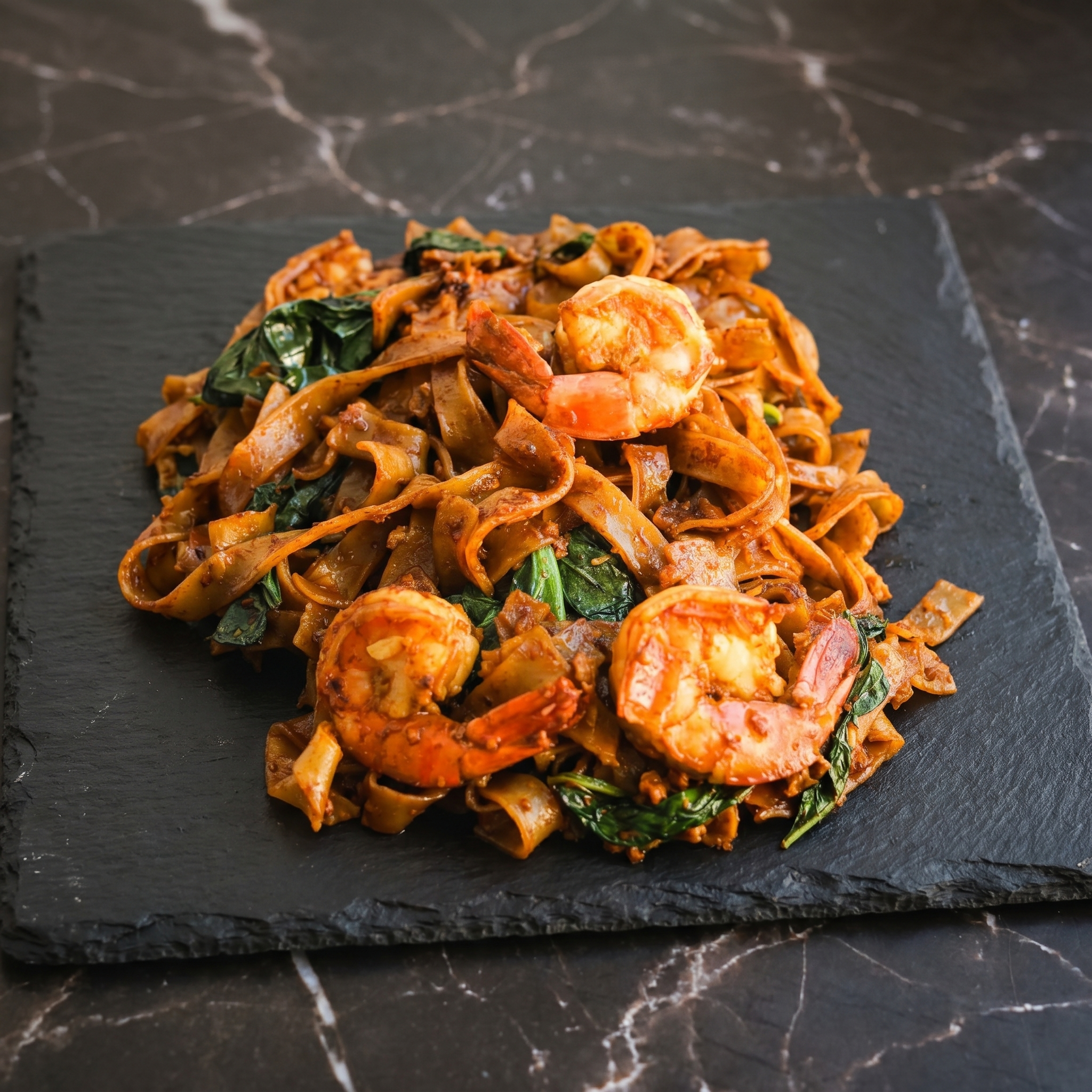
    If you’ve ever ordered Pad See Ew at a Thai restaurant and wondered how those glossy, smoky noodles come together so perfectly, you’re in the right place. This beloved street food classic is known for its wide rice noodles, savory-sweet soy sauce coating, tender protein, and slightly charred edges that deliver irresistible flavor in every bite.

    The good news? You don’t need a restaurant kitchen to make it. With the right technique and a hot pan, you can recreate that signature taste right at home.

    Let’s walk through it step by step.


    What Is Pad See Ew?

    Pad See Ew is a popular Thai stir-fried noodle dish made with wide rice noodles, dark soy sauce, Chinese broccoli (gai lan), egg, and a protein like chicken, beef, shrimp, or tofu. The name translates roughly to “stir-fried with soy sauce,” and that savory depth is exactly what defines the dish.

    Its flavor profile is savory, slightly sweet, and deeply umami, with subtle smokiness from high-heat cooking.


    Ingredients You’ll Need
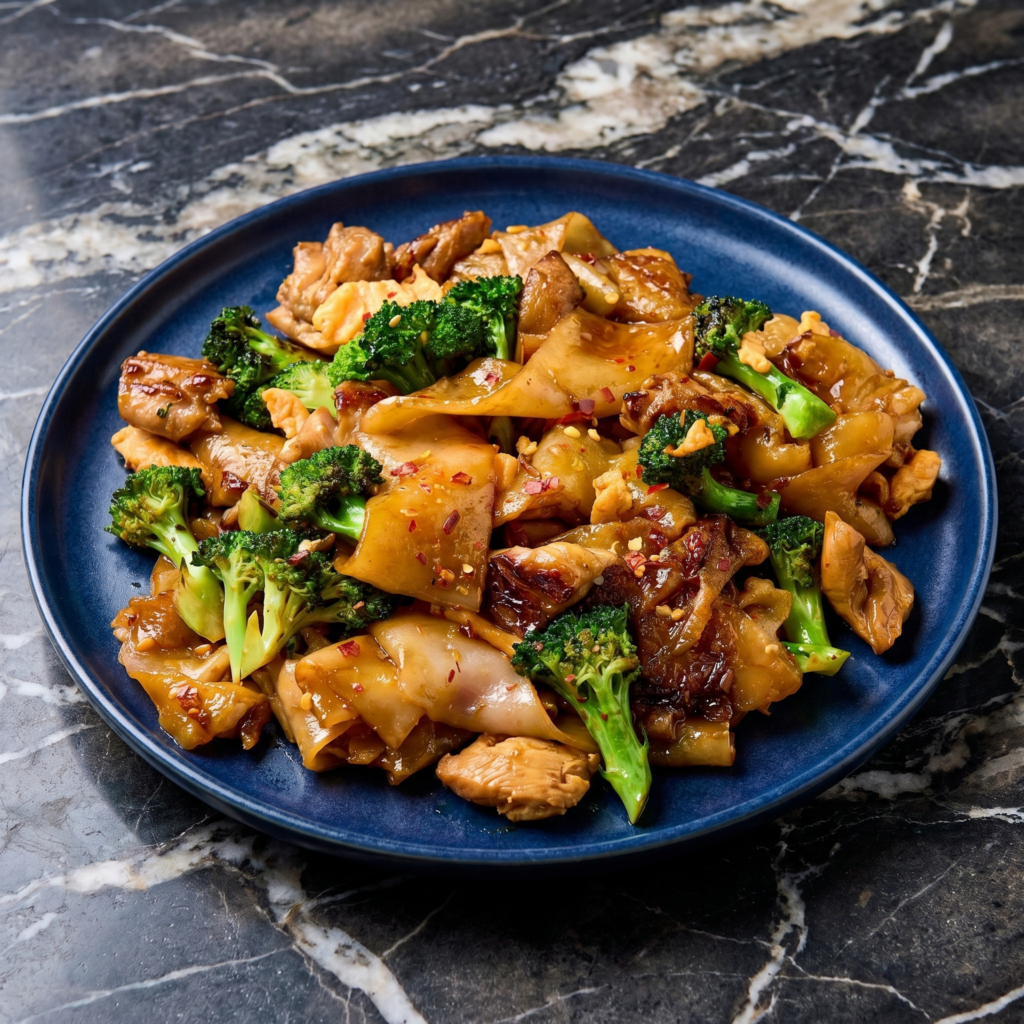
    Here’s everything to prepare before you start cooking:

    For the sauce:

    • 2 tablespoons light soy sauce
    • 1 tablespoon dark soy sauce
    • 1 tablespoon oyster sauce
    • 1–2 teaspoons sugar
    • 1 teaspoon rice vinegar

    For the stir-fry:

    • 12 ounces fresh wide rice noodles (or dried, soaked until pliable)
    • 2 tablespoons neutral oil (like avocado or vegetable oil)
    • 8 ounces chicken breast (thinly sliced), or your preferred protein
    • 2 cloves garlic, minced
    • 2 large eggs
    • 2 cups Chinese broccoli (gai lan), chopped into bite-sized pieces
    • Freshly ground white or black pepper

    Step 1: Prepare Everything First

    Pad See Ew cooks quickly, so have all ingredients measured and ready before turning on the heat.

    If using dried rice noodles, soak them in warm water for about 30 minutes until pliable but not mushy. Drain well.

    Mix all sauce ingredients together in a small bowl and set aside. This ensures even distribution once it hits the pan.

    Slice your protein thinly against the grain. Chop the Chinese broccoli, separating thick stems from leafy tops—they cook at different speeds.


    Step 2: Heat the Pan Properly

    Place a large wok or heavy skillet over high heat. Let it heat for at least 1–2 minutes before adding oil. High heat is essential for achieving that signature smoky flavor, often called “wok hei.”

    Add 1 tablespoon of oil and swirl to coat the pan.


    Step 3: Cook the Protein

    Add the sliced chicken (or chosen protein) in a single layer. Let it sear undisturbed for about 30 seconds to develop color.

    Stir-fry for 2–3 minutes until cooked through. Remove from the pan and set aside.

    Cooking the protein separately prevents overcrowding and keeps it tender.


    Step 4: Sauté the Garlic and Vegetables

    Add another tablespoon of oil if needed. Toss in the minced garlic and stir quickly—about 10 seconds—just until fragrant.

    Add the chopped Chinese broccoli stems first. Stir-fry for about 1 minute before adding the leafy parts. Continue cooking for another minute until bright green and slightly tender but still crisp.

    Push everything to one side of the pan.


    Step 5: Scramble the Eggs

    Crack the eggs into the empty side of the pan. Let them sit for a few seconds, then scramble gently.

    Once mostly cooked but still slightly soft, mix them with the vegetables.

    This layering method keeps textures distinct and prevents overcooking.


    Step 6: Add the Noodles

    Increase heat back to high. Add the rice noodles to the pan.

    If using fresh noodles that are stuck together, gently separate them with your hands before adding. Handle carefully—they can tear easily.

    Spread the noodles out and let them sit for 20–30 seconds without stirring. This allows slight caramelization and char.


    Step 7: Add Sauce and Combine

    Pour the prepared sauce evenly over the noodles.

    Using tongs or a spatula, gently toss everything together. Try to lift and fold rather than aggressively stir to keep noodles intact.

    Let sections of the noodles sit briefly against the hot surface to develop light charring. This step gives the dish its authentic depth.

    Return the cooked protein to the pan and toss until fully combined and heated through.


    Step 8: Final Seasoning

    Taste and adjust if needed. Add a pinch more sugar if it needs balance or a splash of soy sauce for saltiness.

    Finish with freshly ground white or black pepper for subtle heat.

    Turn off the heat immediately once everything is coated and glossy.


    Tips for Authentic Flavor

    Use dark soy sauce. It provides color and mild sweetness without overpowering saltiness.

    Cook on high heat. Proper heat creates the slightly smoky character that defines Pad See Ew.

    Don’t overcrowd the pan. If doubling the recipe, cook in batches.

    Avoid over-saucing. The noodles should be coated, not swimming.


    Make It Your Own

    Pad See Ew is flexible and easy to customize:

    • Swap chicken for thinly sliced beef or shrimp.
    • Use tofu for a vegetarian option.
    • Add mushrooms for extra umami.
    • Sprinkle chili flakes for heat.

    You can also serve it with a wedge of lime or a dash of chili vinegar for brightness.


    Storage and Reheating

    Pad See Ew is best enjoyed fresh, but leftovers can be stored in an airtight container in the refrigerator for up to 3 days.

    Reheat in a hot skillet with a small splash of water to loosen the noodles. Avoid microwaving too long, as it can make them rubbery.


    Final Thoughts

    Making Pad See Ew at home is easier than you might think. With a handful of pantry staples and the right high-heat technique, you can recreate that restaurant-quality flavor in under 30 minutes.

    Savory, slightly sweet, and satisfyingly smoky, this Thai classic proves that simple ingredients—treated with care—can create bold, unforgettable meals.

    Heat up your wok, embrace the sizzle, and enjoy every glossy, flavorful bite.
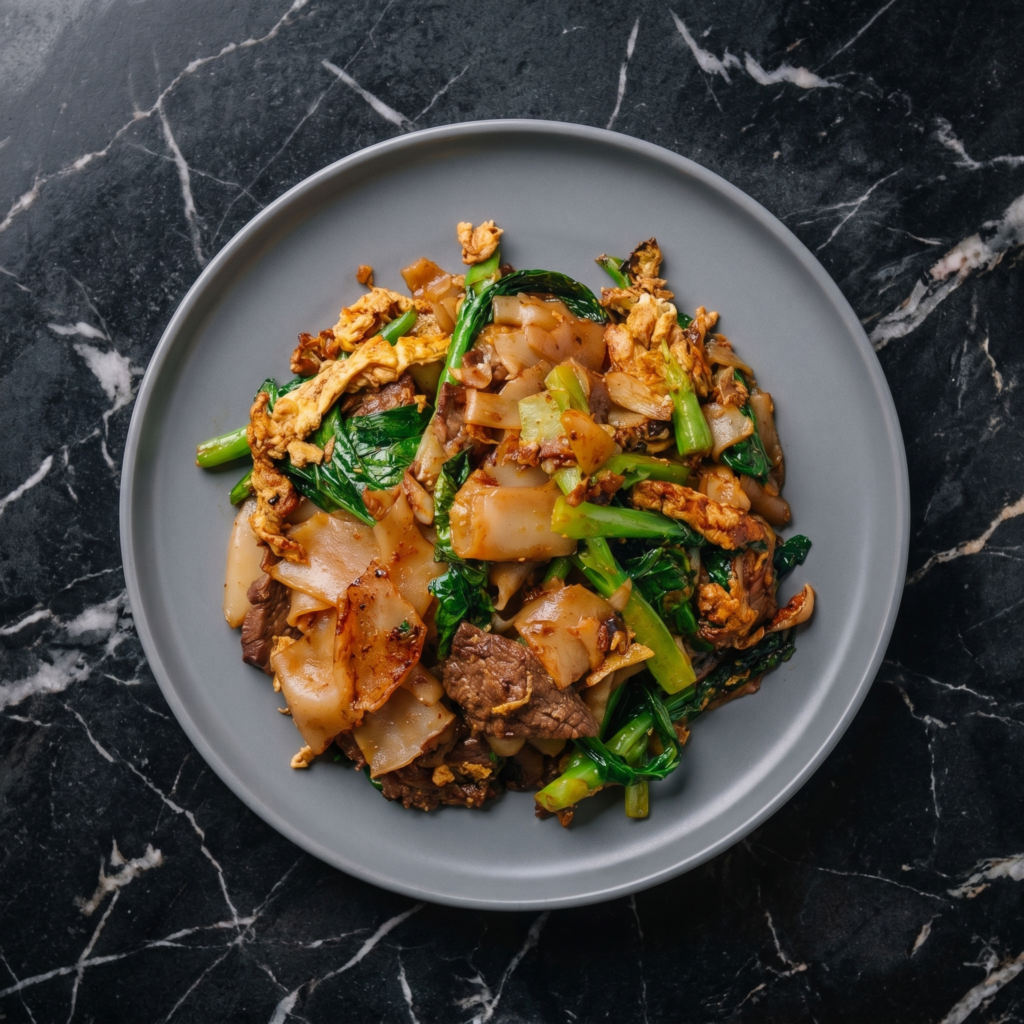
  • Udon Stir Fry: Chewy Noodles and Bold Sauce

    Udon Stir Fry: Chewy Noodles and Bold Sauce

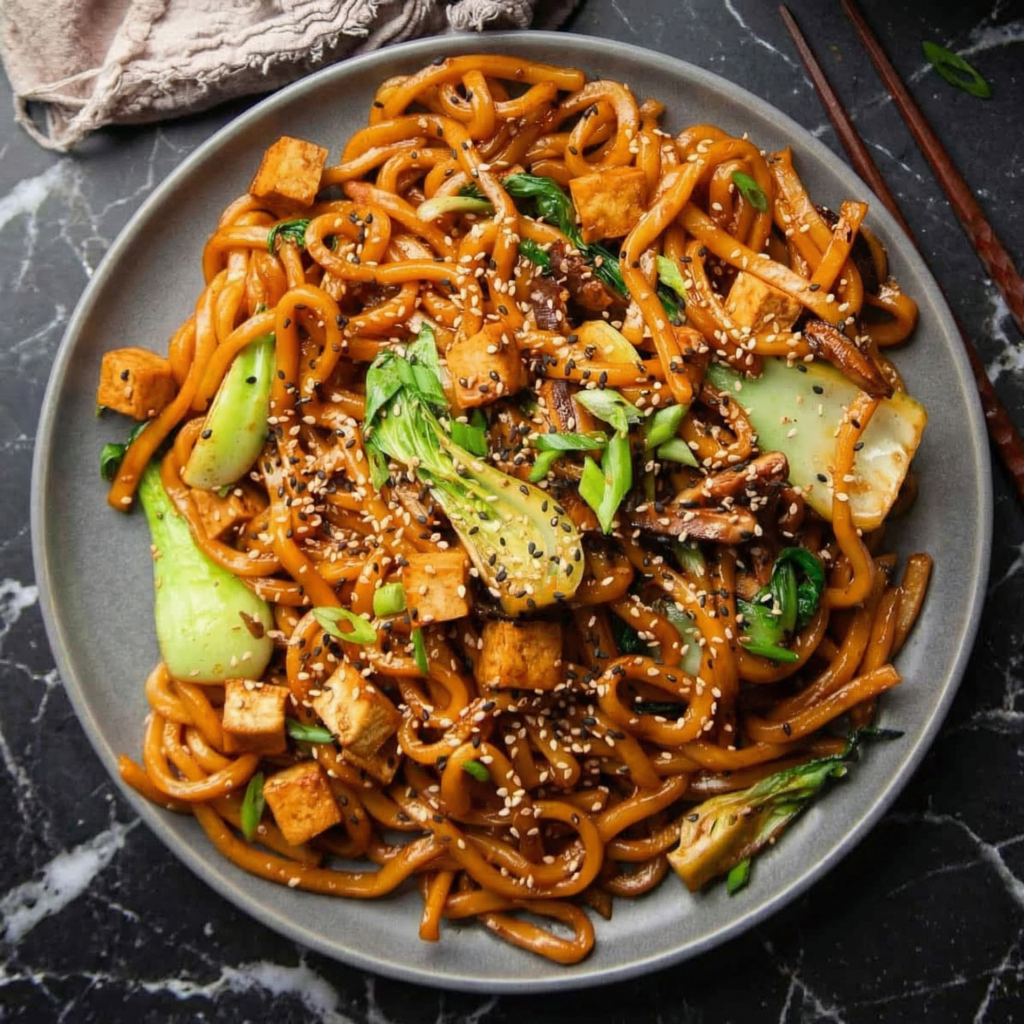
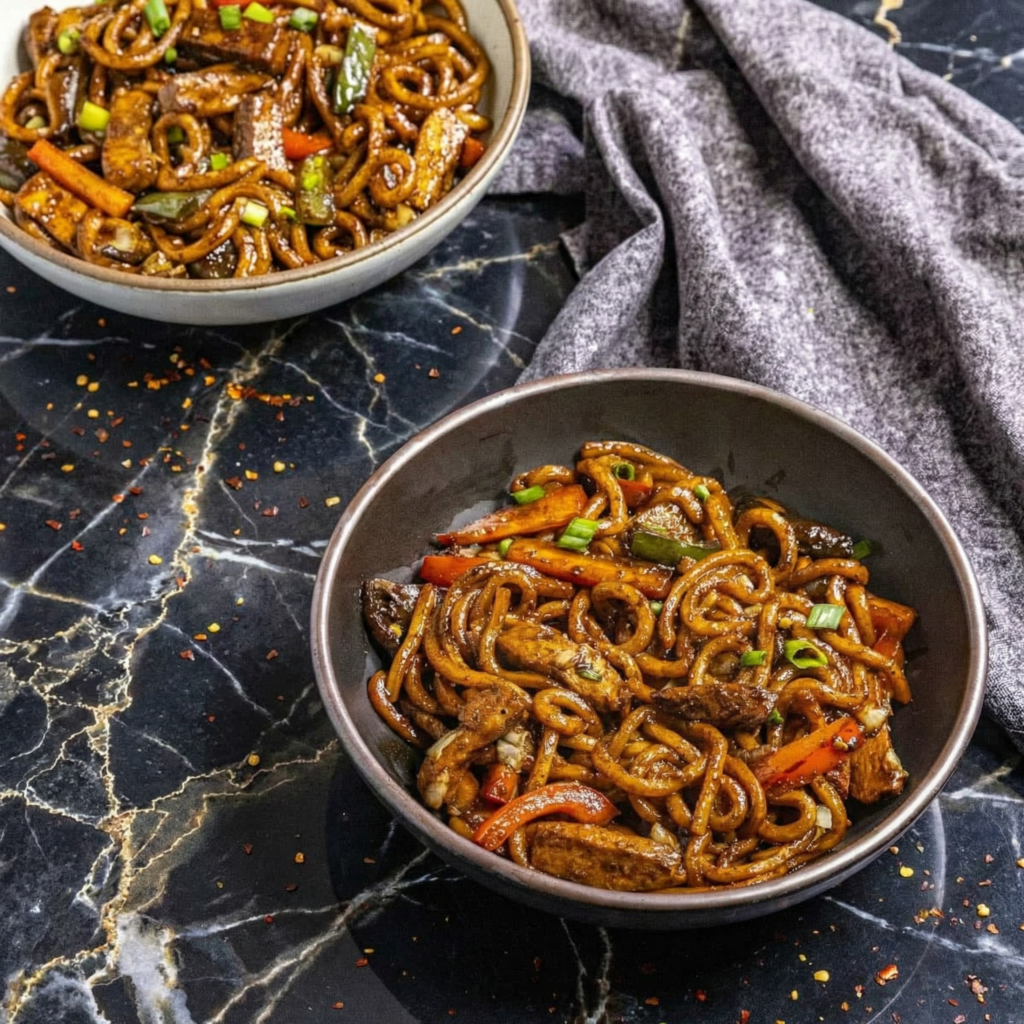
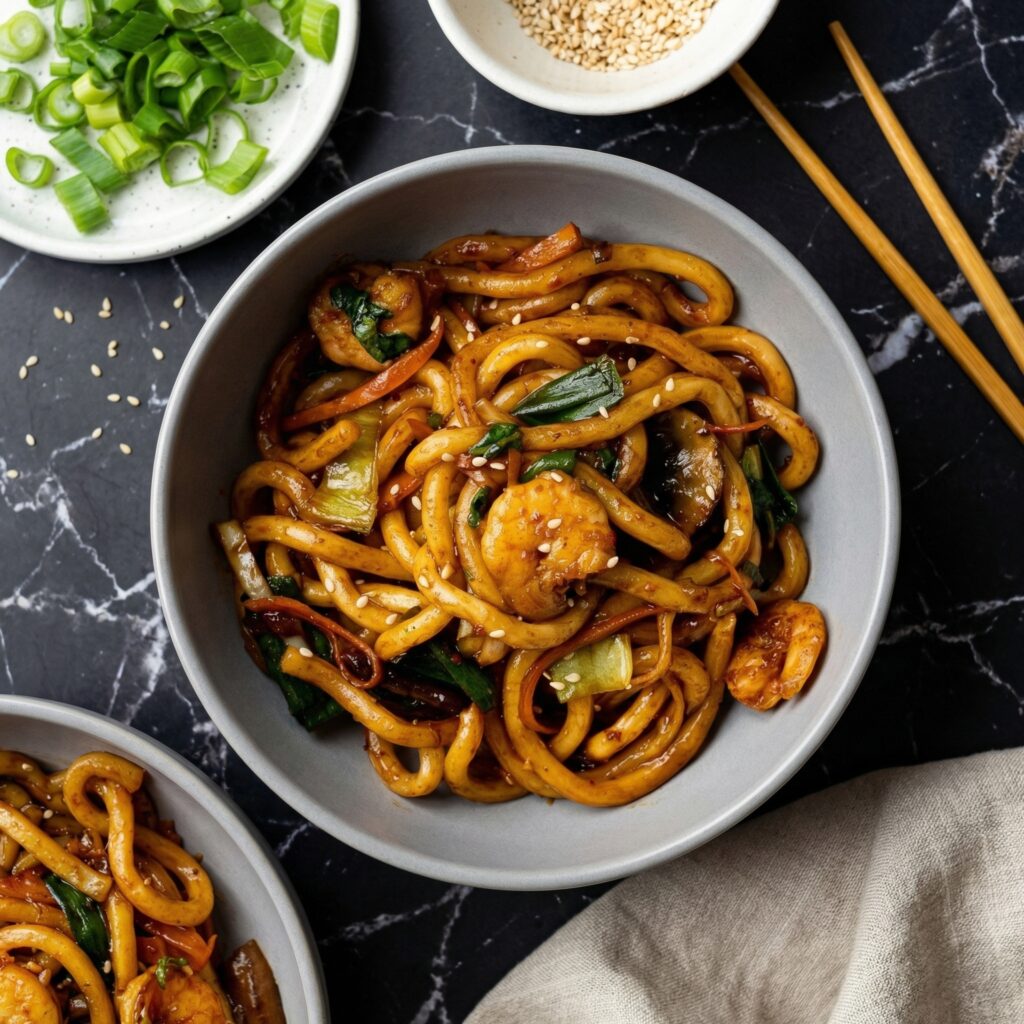
    Udon noodles are comfort in carbohydrate form—thick, bouncy, and impossibly satisfying. When you toss them in a hot wok with crisp vegetables, a punchy stir-fry sauce, and whatever protein you have on hand, magic happens. Fast, flavorful, and deeply slurpable.

    This stir fry comes together in the time it takes to order delivery. The sauce is a perfect balance of savory, sweet, and umami. The noodles soak up every drop. And it’s endlessly adaptable—chicken, shrimp, tofu, or just vegetables. Make it once, and it’ll be in your weeknight rotation forever.

    Ingredients

    Serves 2-3.

    For the Noodles and Stir Fry:

    • 2 packs (about 14 oz) fresh or frozen udon noodles (or dried)
    • 2 tbsp neutral oil (vegetable, avocado, or canola)
    • 1 lb chicken breast or thighs, thinly sliced (or shrimp, beef, or tofu)
    • 1 bell pepper, thinly sliced
    • 1 carrot, julienned or thinly sliced
    • 1 cup snap peas or broccoli florets
    • 2 green onions, sliced (white and green parts separated)
    • 2 cloves garlic, minced
    • 1 tbsp ginger, grated
    • Sesame seeds, for garnish

    For the Stir Fry Sauce:

    • ¼ cup soy sauce (low sodium preferred)
    • 2 tbsp oyster sauce
    • 1 tbsp mirin (or honey)
    • 1 tbsp sesame oil
    • 1 tsp brown sugar
    • ½ tsp red pepper flakes (optional, for heat)
    • ¼ cup water or chicken broth
    • 1 tbsp cornstarch (for thickening)

    Step-by-Step Instructions

    Step 1: Prep the Noodles

    1. If using fresh or frozen udon, cook according to package directions (usually 1-2 minutes in boiling water). Drain, rinse with cold water to stop cooking, and toss with a tiny bit of oil to prevent sticking. Set aside.
    2. If using dried udon, cook until al dente, then drain and rinse.

    Step 2: Make the Sauce

    1. In a small bowl, whisk together soy sauce, oyster sauce, mirin, sesame oil, brown sugar, red pepper flakes, water, and cornstarch until smooth. Set aside.

    Step 3: Cook the Protein

    1. Heat 1 tbsp oil in a wok or large skillet over high heat. Add chicken (or your protein) in a single layer. Cook undisturbed for 2-3 minutes until browned, then flip and cook another 2-3 minutes until cooked through.
    2. Remove chicken to a plate and set aside.

    Step 4: Stir Fry the Vegetables

    1. Add remaining oil to the wok. Toss in garlic, ginger, and white parts of green onions. Stir-fry for 30 seconds until fragrant.
    2. Add bell pepper, carrot, and snap peas. Stir-fry for 2-3 minutes until vegetables are crisp-tender.

    Step 5: Combine Everything

    1. Return chicken to the wok. Add the cooked udon noodles.
    2. Pour the sauce over everything and toss vigorously to combine. Cook for 1-2 minutes until the sauce thickens and coats every strand of noodle.

    Step 6: Garnish and Serve

    1. Stir in the green parts of the green onions.
    2. Transfer to bowls. Sprinkle with sesame seeds and an extra drizzle of sesame oil if desired.
    3. Serve immediately. Slurp loudly. It’s a compliment to the chef.

    Summary

    Prep Time: 10 minutes | Cook Time: 10 minutes | Total Time: 20 minutes

    Yield: 2-3 servings

    Difficulty: Faster than takeout

    Storage Notes

    Leftovers:

    Store in an airtight container in the fridge for up to 3 days. The noodles will absorb sauce overnight, making leftovers even more flavorful.

    Reheating:

    Skillet or wok (best): Reheat over medium-high heat with a splash of water or soy sauce to loosen the sauce. Microwave: Works in a pinch—cover with a damp paper towel to prevent drying out.

    Make Ahead:

    Prep all vegetables and sauce up to 2 days ahead. Cook noodles just before stir-frying for best texture. The whole dish comes together in minutes when everything is ready to go.

    Pro Tips for Udon Greatness:

    • High heat is non-negotiable. A screaming-hot wok gives you that smoky “wok hei” flavor. Don’t crowd the pan—work in batches if needed.
    • Prep everything first. Stir-frying moves fast. Have all ingredients measured and ready before you turn on the heat.
    • Don’t overcook the noodles. They’ll continue cooking in the wok. Slightly undercook them if boiling separately.
    • Cornstarch is the secret. It thickens the sauce so it clings to the noodles instead of pooling at the bottom.
    • Fresh udon is best. If you can find fresh or frozen udon in the refrigerated section, grab it. Dried works, but the texture won’t be as bouncy.

    Variations:

    • Vegetarian: Skip the chicken, use tofu or mushrooms, and substitute oyster sauce with vegetarian mushroom sauce or extra soy sauce.
    • Spicy udon: Add extra red pepper flakes, sriracha, or gochujang to the sauce.
    • Shrimp udon: Substitute chicken with shrimp—add during the last minute of vegetable stir-fry.
    • Beef udon: Use thinly sliced beef (like shabu-shabu or ribeye). Sear quickly and remove before vegetables.
    • Mushroom udon: Add shiitake or king oyster mushrooms for extra umami.
    • Curry udon: Add a teaspoon of curry powder to the sauce for Japanese curry flavor.

    Quick Sauce Swaps:

    • Teriyaki style: Use teriyaki sauce instead of the stir-fry sauce.
    • Peanut style: Add 2 tbsp peanut butter and a splash of rice vinegar to the sauce.
    • Garlic sesame: Double the garlic and add an extra drizzle of sesame oil at the end.