Tag: Easy Recipes

  • Sizzle & Smoke: The Ultimate Carne Asada You’ll Want Every Weekend

    Sizzle & Smoke: The Ultimate Carne Asada You’ll Want Every Weekend

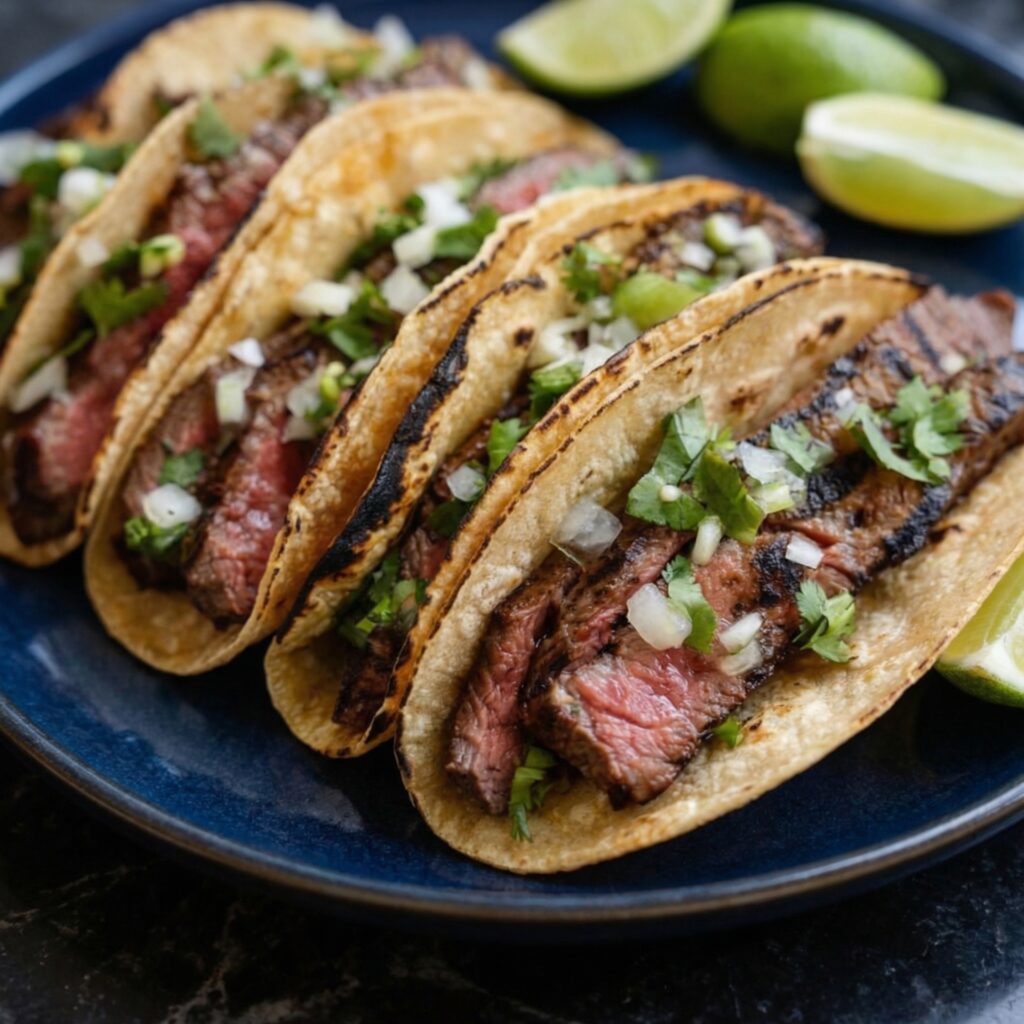
    Few dishes deliver bold, vibrant flavor quite like Carne Asada. Juicy grilled steak infused with citrus, garlic, and herbs is a staple in Mexican cuisine and a guaranteed crowd-pleaser.

    Whether tucked into warm tortillas, piled onto rice bowls, or served straight off the grill with fresh salsa, carne asada is all about simple ingredients transformed through fire and marinade into something unforgettable.

    If you’ve ever wondered how to get that perfectly tender, smoky, flavor-packed steak at home, this step-by-step guide will walk you through everything you need to know.


    What Cut of Meat Is Best?

    Traditionally, carne asada is made with flank steak or skirt steak. Both cuts are lean, flavorful, and perfect for quick, high-heat grilling.

    Skirt steak tends to have a slightly beefier flavor and more tenderness when cooked properly, while flank steak is easier to find and slices beautifully when cut against the grain.

    For this recipe, you’ll need about 2 pounds of flank or skirt steak.

    Ingredients You’ll Need

    For the Marinade:

    • 2 pounds flank or skirt steak
    • ½ cup fresh orange juice
    • ¼ cup fresh lime juice
    • ¼ cup olive oil
    • 4 cloves garlic, minced
    • 1 jalapeño, finely minced (optional for heat)
    • ½ cup chopped fresh cilantro
    • 1 teaspoon ground cumin
    • 1 teaspoon chili powder
    • 1 teaspoon salt
    • ½ teaspoon black pepper

    For Serving (Optional):

    • Warm corn or flour tortillas
    • Diced white onion
    • Fresh cilantro
    • Lime wedges
    • Salsa or guacamole

    Step 1: Prepare the Marinade

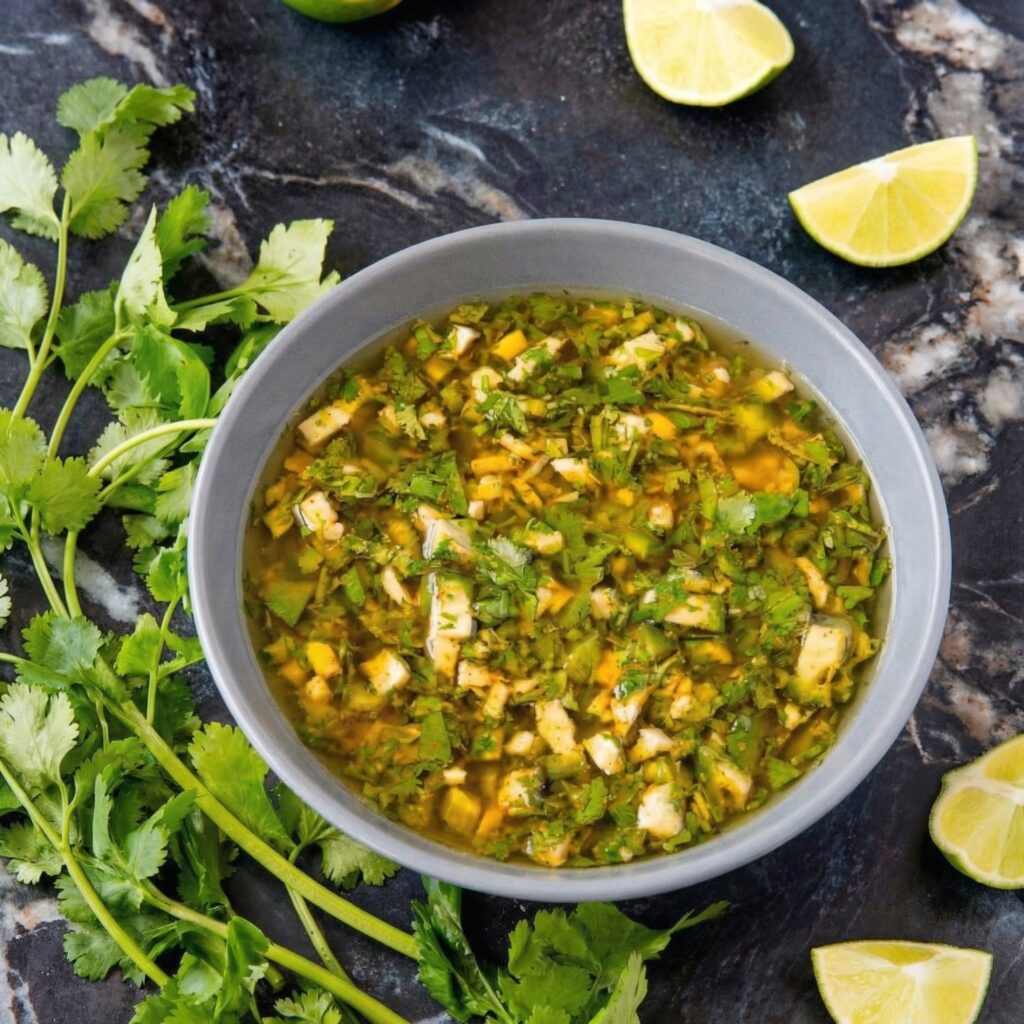
    In a large bowl, whisk together the orange juice, lime juice, olive oil, minced garlic, jalapeño, cilantro, cumin, chili powder, salt, and black pepper.

    The citrus juices help tenderize the meat while infusing it with bright flavor.

    Olive oil carries the spices evenly across the surface of the steak.

    Step 2: Marinate the Steak

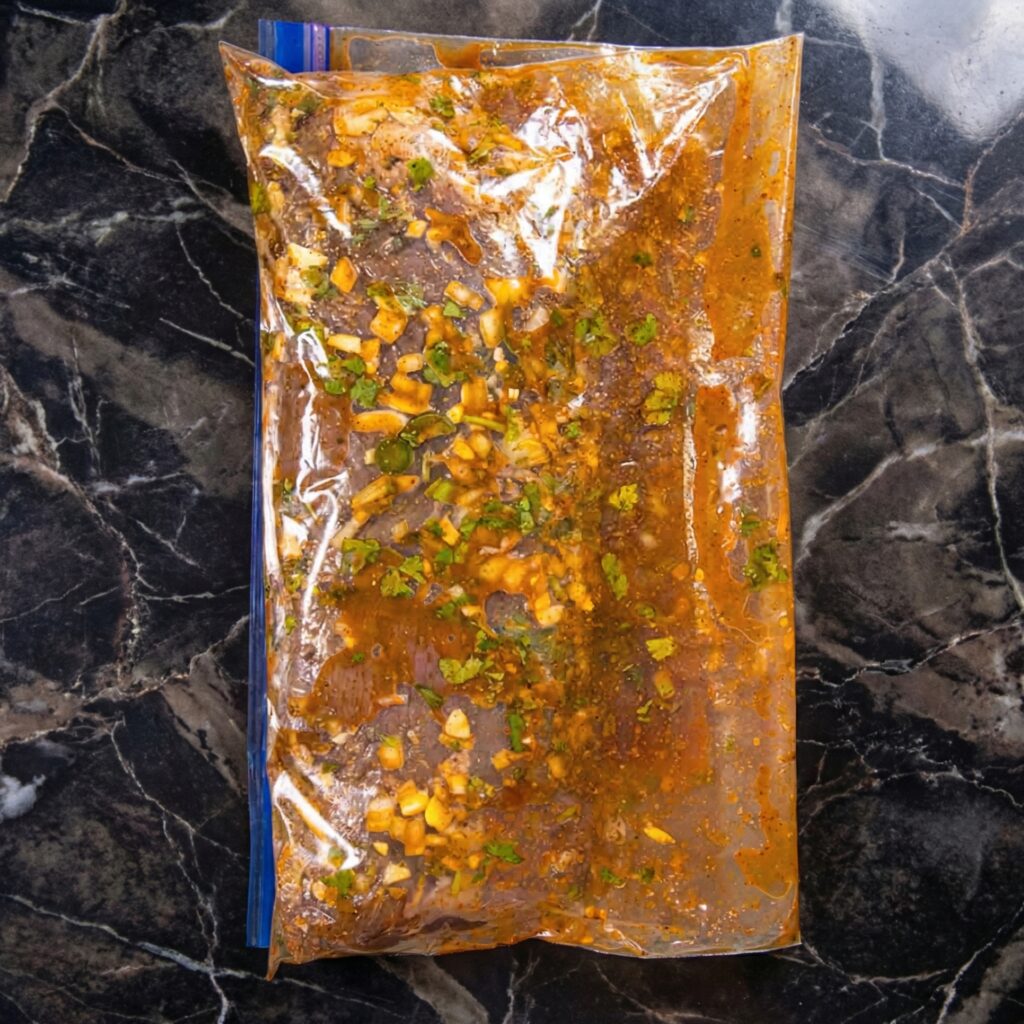
    Place the steak in a large resealable plastic bag or shallow dish. Pour the marinade over the meat, ensuring it is fully coated.

    Seal or cover and refrigerate for at least 2 hours, but ideally 4–8 hours for deeper flavor.

    Avoid marinating longer than 12 hours, as the citrus can begin to break down the meat too much and affect texture.

    Step 3: Bring the Meat to Room Temperature

    Remove the steak from the refrigerator about 30 minutes before cooking.

    Allowing the meat to come to room temperature promotes even cooking and a better sear.

    Meanwhile, preheat your grill to high heat (about 450–500°F).

    If using a stovetop, heat a cast iron skillet over high heat until very hot.


    Step 4: Grill the Carne Asada

    Remove the steak from the marinade and let any excess drip off. Discard the remaining marinade.

    Place the steak directly on the hot grill.

    Cook for 3–5 minutes per side, depending on thickness and desired doneness.

    Carne asada is best served medium-rare to medium for maximum tenderness.

    Avoid moving the steak too much—let it develop a deep, caramelized crust before flipping.


    Step 5: Rest the Steak

    Once cooked, transfer the steak to a cutting board and tent loosely with foil.

    Let it rest for 10 minutes. Resting allows the juices to redistribute throughout the meat, ensuring every slice is juicy and flavorful.

    Skipping this step can result in dry steak, as the juices will run out when cut too soon.


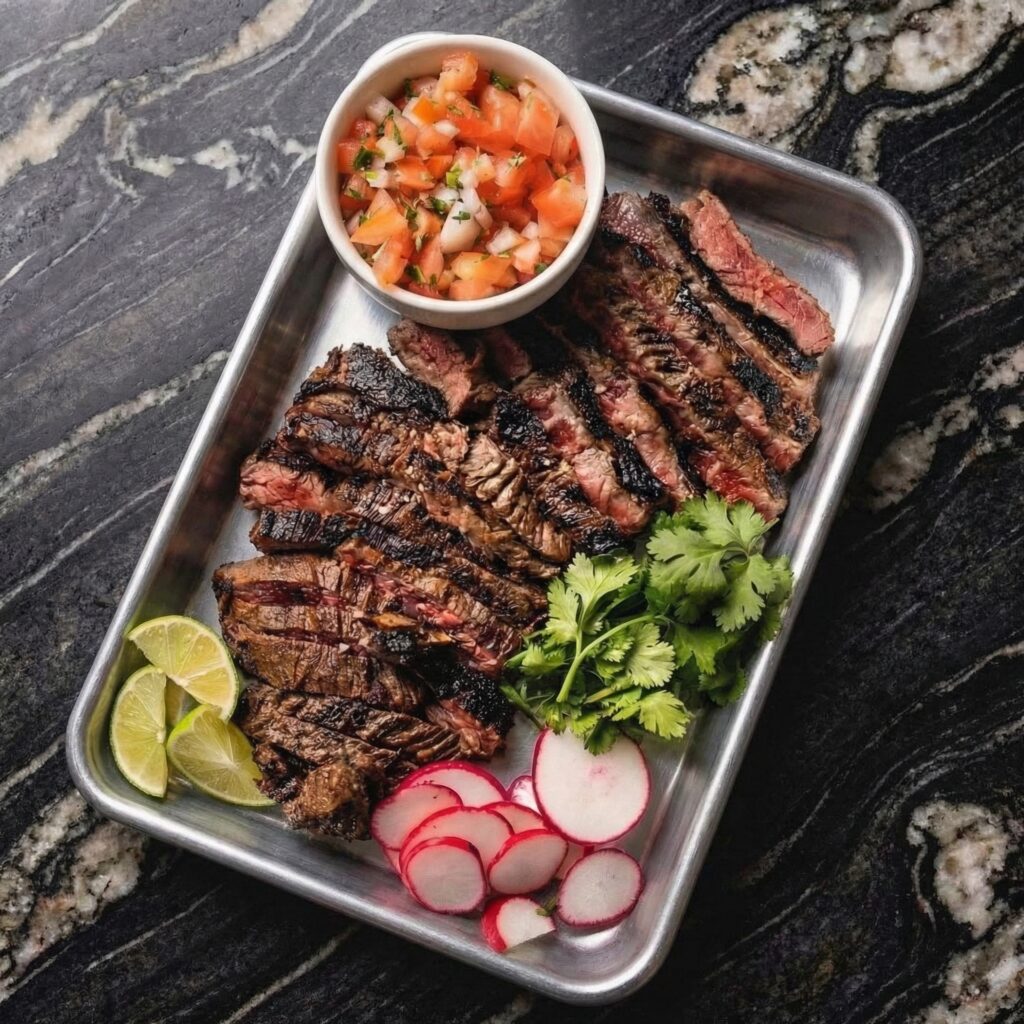
    Step 6: Slice Against the Grain

    This step is crucial. Identify the direction of the muscle fibers (the “grain”) and slice thinly across it.

    Cutting against the grain shortens the muscle fibers, making each bite significantly more tender.

    Use a sharp knife and slice at a slight angle for beautiful, restaurant-style pieces.


    Step 7: Serve and Enjoy

    Carne asada is incredibly versatile. Serve it:

    • In warm tortillas topped with diced onion and cilantro
    • Over rice with black beans and grilled vegetables
    • On a salad with avocado and fresh lime dressing
    • Alongside grilled corn and salsa

    A squeeze of fresh lime over the top brightens everything beautifully.


    Pro Tips for Perfect Carne Asada

    • High heat is key. You want a quick sear that locks in juices.
    • Don’t overcook. Lean cuts can become tough if cooked past medium.
    • Marinate properly. Even a few hours makes a big difference in flavor.
    • Slice thinly. Thin slices enhance tenderness and texture.
    • Use charcoal if possible. It adds authentic smoky flavor.

    Flavor Variations

    Once you master the classic version, try these creative twists:

    • Smoky Chipotle: Add minced chipotle peppers in adobo sauce to the marinade.
    • Beer Marinade: Replace some orange juice with Mexican lager for depth.
    • Garlic Lover’s Version: Double the garlic for bold flavor.
    • Spicy Kick: Add crushed red pepper flakes or extra jalapeño.

    Make-Ahead and Storage

    Leftover carne asada can be stored in an airtight container in the refrigerator for up to 4 days. Reheat gently in a skillet over medium heat to prevent overcooking.

    It also freezes well for up to 2 months. Slice before freezing for easier portioning.


    Why This Recipe Works

    The magic of carne asada lies in balance. The citrus tenderizes while adding brightness. The garlic and spices provide warmth and depth. High-heat grilling locks in juices and creates irresistible charred edges.

    It’s simple, bold, and endlessly customizable—everything great grilling should be.


    Final Thoughts

    Carne asada is more than just grilled steak—it’s a celebration of bold flavors, vibrant ingredients, and the joy of cooking over fire. With a well-balanced marinade, high heat, and proper slicing technique, you can create a restaurant-quality dish right in your backyard or kitchen.

    Whether you’re hosting a summer cookout or craving taco night with serious flavor, this carne asada recipe will quickly become a favorite. Fire up the grill, gather your toppings, and enjoy every juicy, citrus-kissed bite.
  • Crunch Meets Heat: The Ultimate Spicy Tuna Crispy Rice at Home

    Crunch Meets Heat: The Ultimate Spicy Tuna Crispy Rice at Home

    If you’ve ever ordered Spicy Tuna Crispy Rice at a sushi bar, you know the magic: golden, crunchy rice squares topped with cool, creamy, spicy tuna and finished with a pop of jalapeño. It’s the perfect contrast of textures—crispy and tender, spicy and refreshing, rich yet balanced.

    The good news?

    You don’t need a restaurant kitchen to make it. With a few key techniques and fresh ingredients, you can recreate this crowd-pleasing appetizer right at home.

    Let’s break it down step by step so you can achieve that irresistible crunch and bold flavor.


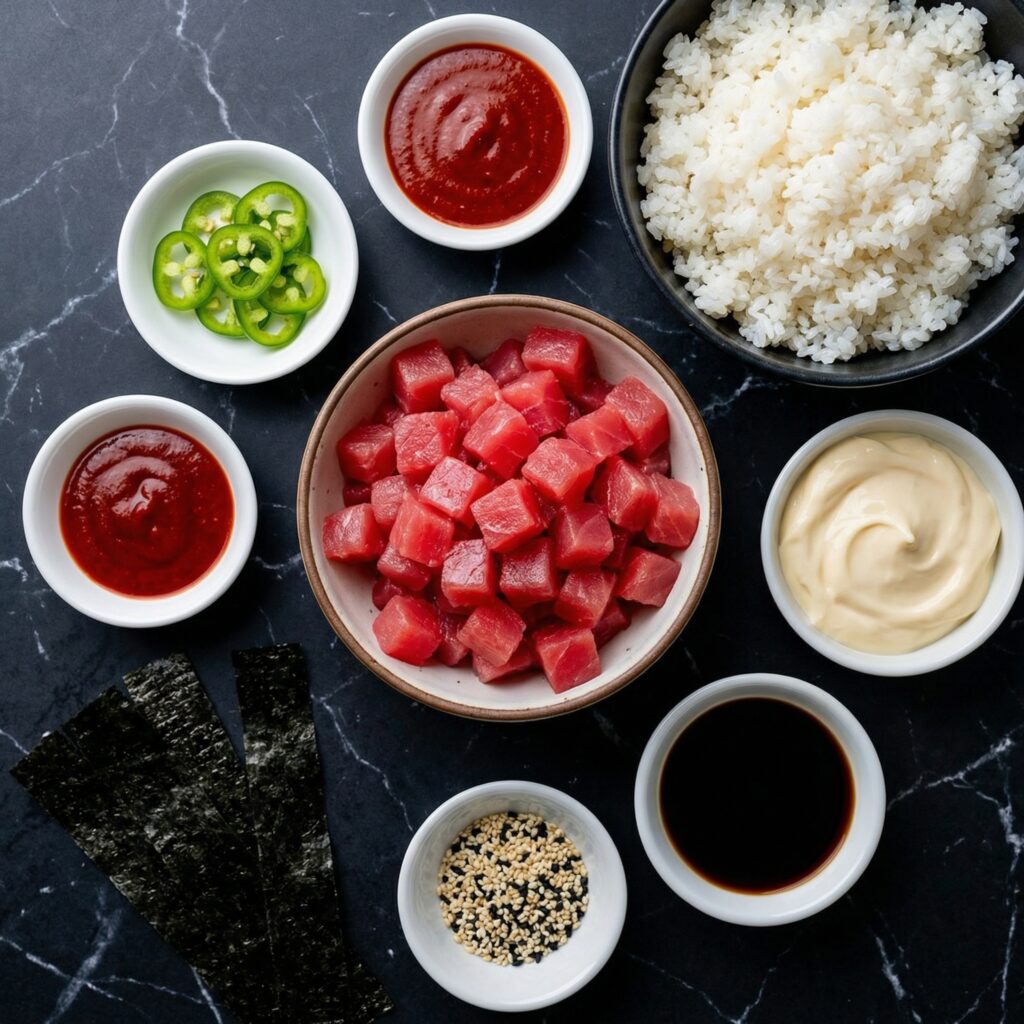
    Ingredients

    For the sushi rice:

    • 2 cups short-grain sushi rice
    • 2 ¼ cups water
    • 3 tablespoons rice vinegar
    • 1 tablespoon sugar
    • 1 teaspoon salt

    For frying:

    • Neutral oil (vegetable, canola, or avocado oil)

    For the spicy tuna:

    • 8 ounces sushi-grade ahi tuna, finely diced
    • 2–3 tablespoons mayonnaise (Japanese-style preferred)
    • 1–2 teaspoons sriracha (adjust to taste)
    • ½ teaspoon sesame oil
    • 1 teaspoon soy sauce
    • 1 green onion, finely sliced

    For garnish:

    • Thinly sliced jalapeño
    • Sesame seeds
    • Extra green onion
    • Drizzle of spicy mayo (optional)

    Step 1: Rinse the Rice

    Place the sushi rice in a bowl and rinse under cold water, gently swirling with your hand. Drain and repeat until the water runs mostly clear. This removes excess starch and ensures the rice isn’t gummy.

    Proper rinsing is essential for achieving distinct grains that hold together without becoming mushy.


    Step 2: Cook the Rice

    Combine the rinsed rice and water in a pot or rice cooker. If using the stovetop, bring to a boil, then reduce heat to low, cover, and simmer for 15 minutes. Remove from heat and let sit covered for another 10 minutes to steam.

    Avoid lifting the lid during cooking, as steam is crucial for perfect texture.


    Step 3: Season the Rice

    While the rice rests, combine rice vinegar, sugar, and salt in a small bowl. Stir until dissolved.

    Transfer the cooked rice to a large bowl. Gently fold in the vinegar mixture using a spatula, slicing and lifting the rice rather than stirring aggressively. This keeps the grains intact.

    Allow the rice to cool to room temperature.


    Step 4: Shape and Chill

    Line a baking dish (about 8×8 inches) with plastic wrap. Press the seasoned rice evenly into the dish, about ¾ to 1 inch thick. Use damp hands or the back of a spatula to press it firmly and evenly.

    Cover and refrigerate for at least 2 hours, or until fully chilled and firm. This step is key—cold rice holds its shape when frying.


    Step 5: Prepare the Spicy Tuna

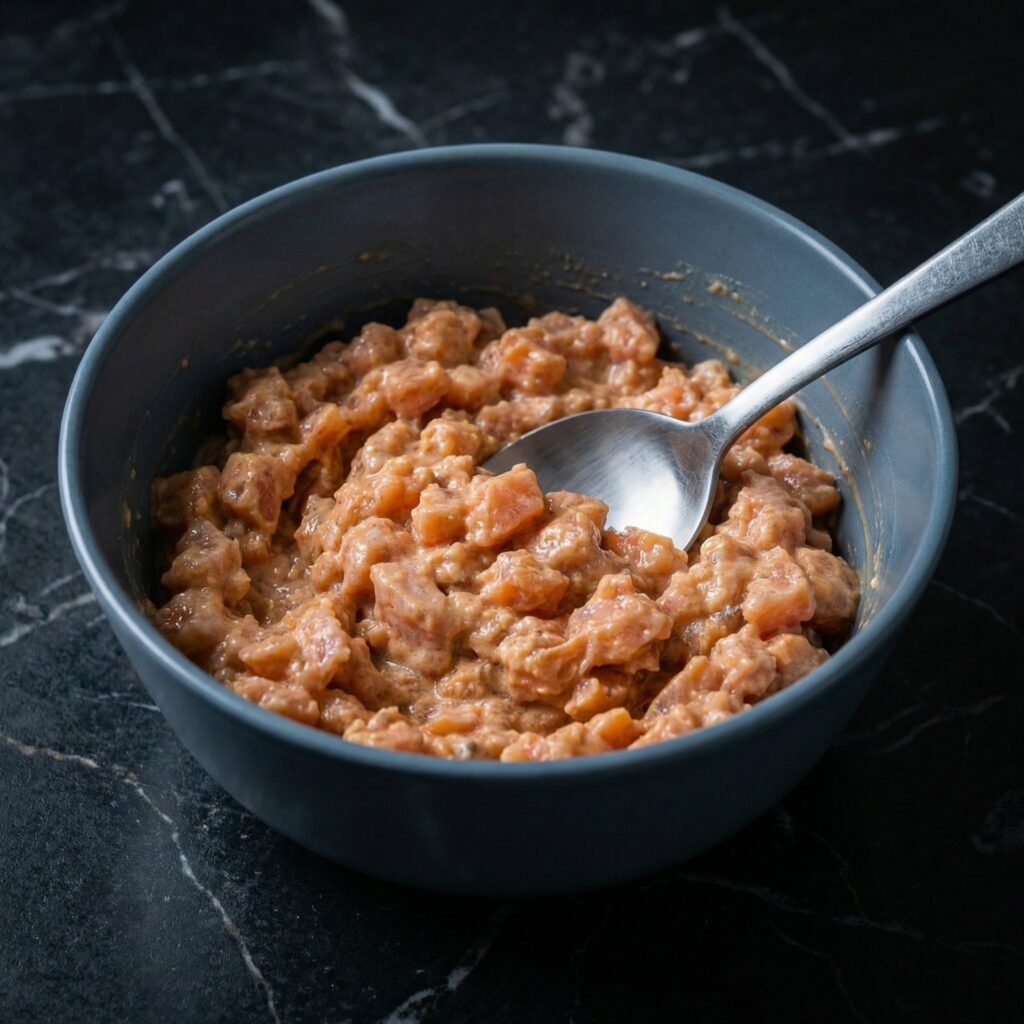
    In a mixing bowl, combine the finely diced sushi-grade tuna, mayonnaise, sriracha, sesame oil, soy sauce, and green onion.

    Stir gently to combine. Taste and adjust spice level as desired. Refrigerate the mixture until ready to use.

    Keeping the tuna chilled maintains freshness and food safety.


    Step 6: Cut the Rice

    Once the rice is firm, remove it from the pan using the plastic wrap. Place it on a cutting board.

    Using a sharp knife (wipe it clean between cuts), slice the rice into small rectangles or squares—about 2 by 1 inch each. Aim for uniform pieces to ensure even frying.


    Step 7: Fry the Rice

    Pour about ½ inch of neutral oil into a heavy skillet and heat over medium-high. The oil is ready when a small piece of rice sizzles immediately upon contact.

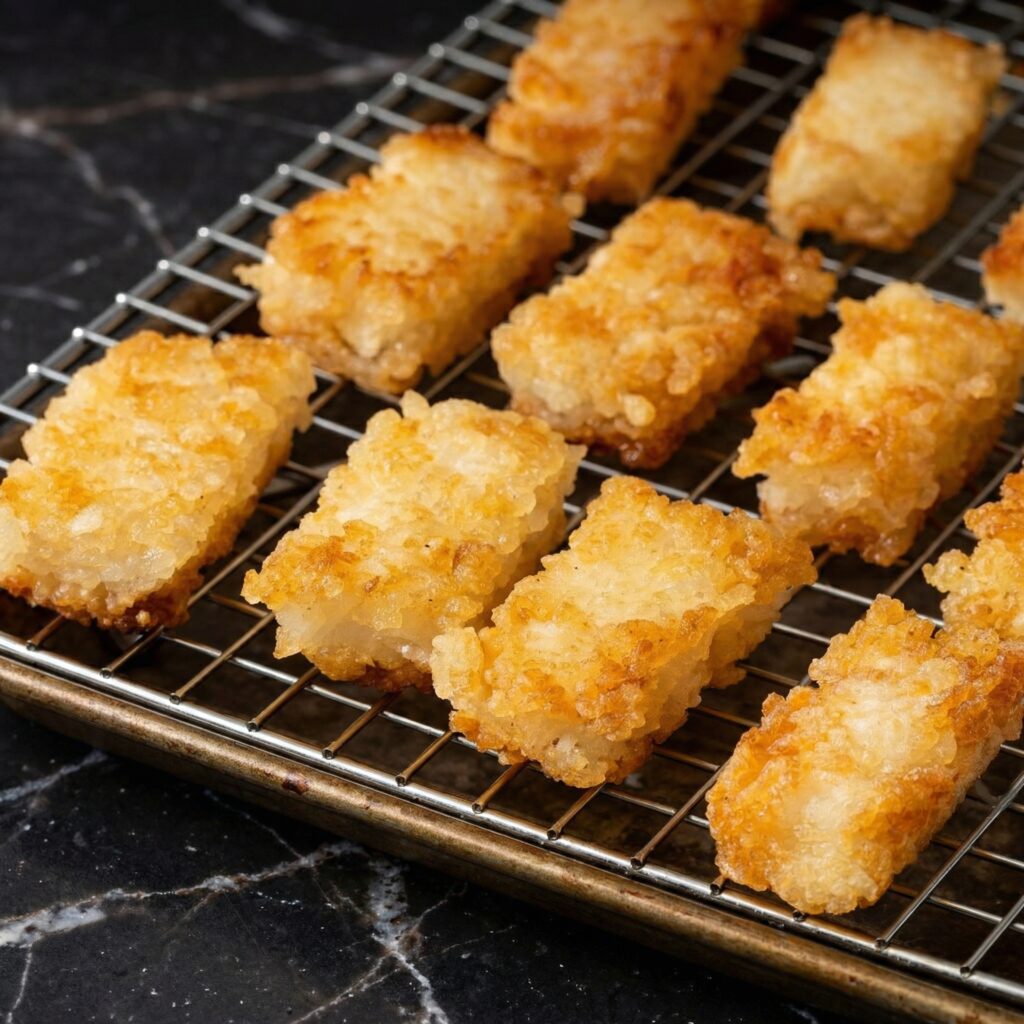
    Working in batches, carefully place the rice pieces into the hot oil. Fry for about 2–3 minutes per side until deeply golden and crispy.

    Use tongs or a spatula to flip gently. Once done, transfer to a paper towel-lined plate to drain excess oil.

    The exterior should be crisp and golden, while the inside remains tender.


    Step 8: Assemble the Crispy Rice

    Allow the rice to cool slightly so it stays crisp but isn’t too hot.

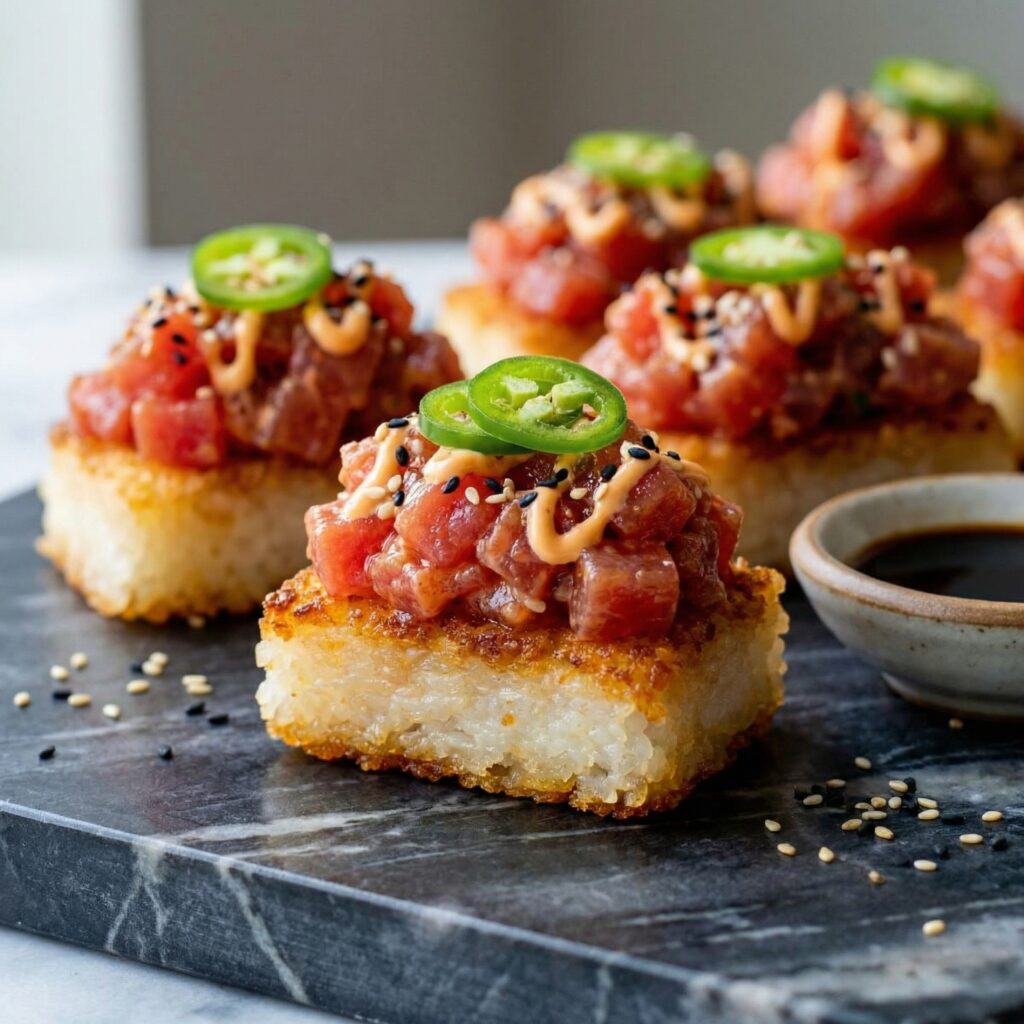
    Top each crispy rice square with a generous spoonful of spicy tuna. Gently press the tuna onto the rice so it adheres.

    Add a thin slice of jalapeño on top, sprinkle with sesame seeds, and garnish with extra green onion if desired.

    For extra indulgence, drizzle with additional spicy mayo.


    Step 9: Serve Immediately

    Spicy Tuna Crispy Rice is best served fresh, while the rice is still crisp and warm. Arrange on a platter and serve as an appetizer or party bite.

    The contrast between warm, crunchy rice and cool, spicy tuna is what makes this dish unforgettable.


    Pro Tips for Success

    • Use sushi-grade tuna from a trusted source. Freshness is critical.
    • Chill the rice thoroughly before cutting to prevent crumbling.
    • Don’t overcrowd the pan when frying; this keeps the rice crisp.
    • Maintain oil temperature—too low and the rice absorbs oil; too high and it burns.

    Flavor Variations

    • Add finely diced avocado to the tuna mixture for extra creaminess.
    • Mix in a touch of chili oil for deeper heat.
    • Substitute spicy salmon for a twist.
    • Top with a small dollop of wasabi or a drizzle of eel sauce for added complexity.

    Why This Recipe Works

    Short-grain sushi rice provides the ideal sticky texture for shaping and frying. Pressing and chilling it creates a firm structure that crisps beautifully in hot oil. The spicy tuna mixture balances creamy, salty, and spicy notes, while jalapeño adds freshness and bite.

    Each element complements the others—crunch meets creaminess, heat meets coolness, and richness meets brightness.


    Spicy Tuna Crispy Rice is proof that texture can elevate a simple dish into something extraordinary.

    With a little preparation and attention to detail, you can recreate this sushi-bar favorite in your own kitchen.

    Whether for entertaining or indulging in a restaurant-style treat at home, this dish delivers bold flavor and irresistible crunch in every bite.

  • Fresh, Flavorful, and Fast: Easy Salmon “Sushi” Bowls You Can Make at Home

    Fresh, Flavorful, and Fast: Easy Salmon “Sushi” Bowls You Can Make at Home

    Sushi doesn’t have to be intimidating—or require a trip to your favorite Japanese restaurant. With Easy Salmon “Sushi” Bowls, you get all the bright, fresh flavors of sushi in a simple, deconstructed format.

    These bowls are perfect for weeknight dinners, meal prep, or even a casual gathering with friends. Juicy salmon, tender rice, crisp veggies, and a punchy sauce come together to create a satisfying, customizable dish that’s as fun to make as it is to eat.

    Let’s dive into this step-by-step guide so you can assemble vibrant, restaurant-quality bowls at home.


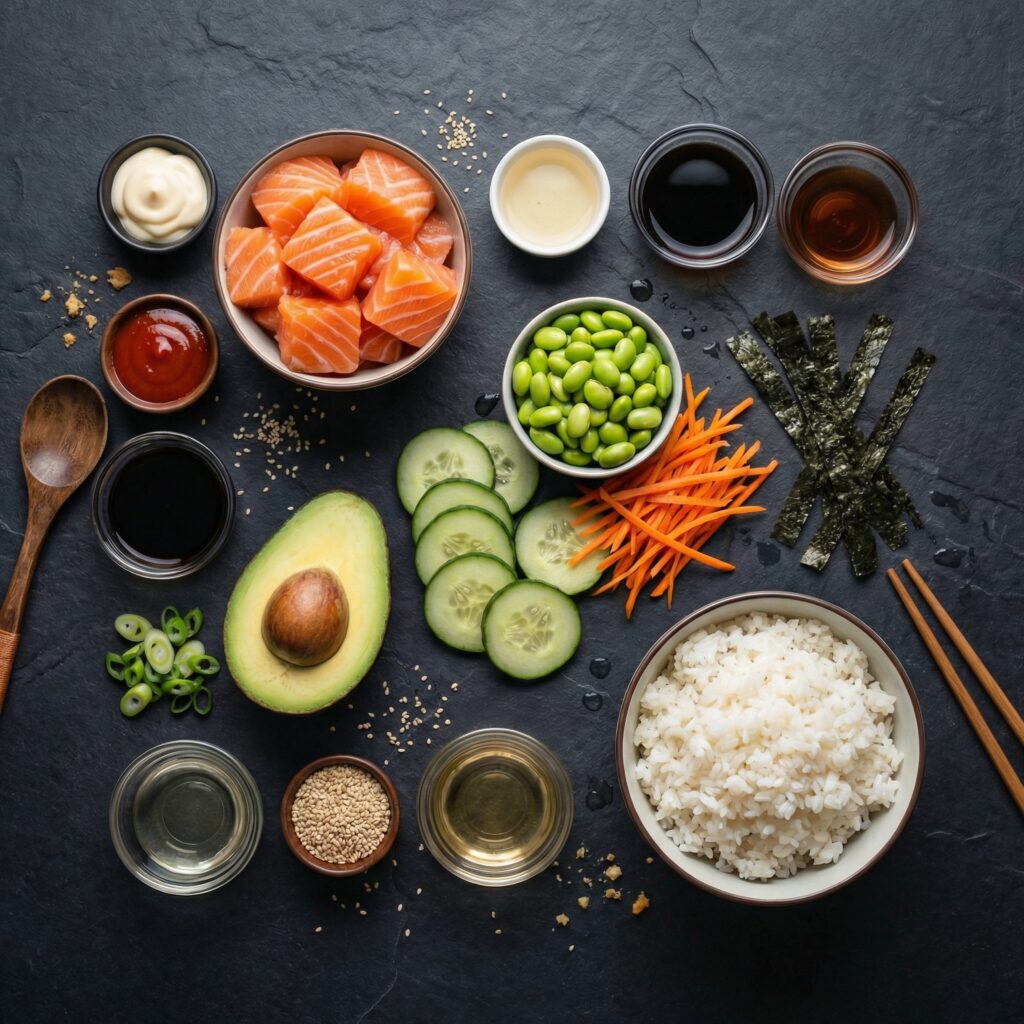
    Ingredients

    For the base:

    • 2 cups sushi rice
    • 2 ¼ cups water
    • 3 tablespoons rice vinegar
    • 1 tablespoon sugar
    • 1 teaspoon salt

    For the salmon:

    • 8–10 ounces sushi-grade salmon, cut into cubes
    • 1 teaspoon sesame oil
    • 1–2 teaspoons soy sauce
    • ½ teaspoon sriracha or chili paste (optional)

    For the vegetables and toppings:

    • 1 small cucumber, thinly sliced or julienned
    • 1 ripe avocado, sliced
    • 1 medium carrot, shredded or julienned
    • 2–3 radishes, thinly sliced
    • 1 sheet nori, cut into thin strips (optional)
    • 1 tablespoon sesame seeds
    • Green onions, sliced, for garnish

    For the sauce:

    • 3 tablespoons mayonnaise (Japanese mayo preferred)
    • 1 teaspoon sriracha (or more to taste)
    • 1 teaspoon soy sauce
    • 1 teaspoon lime or lemon juice

    Step 1: Cook the Sushi Rice

    Rinse the rice under cold water until the water runs mostly clear. This removes excess starch, giving you rice that’s tender but not sticky.

    Combine the rinsed rice and water in a rice cooker or saucepan. If using a pot, bring to a boil, then reduce to low, cover, and simmer for 15 minutes. Remove from heat and let it sit, covered, for another 10 minutes to steam.


    Step 2: Season the Rice

    In a small bowl, mix rice vinegar, sugar, and salt until dissolved. Transfer the cooked rice to a large bowl and fold in the vinegar mixture gently.

    Avoid stirring aggressively to keep the grains intact.

    Allow the rice to cool to slightly warm or room temperature.


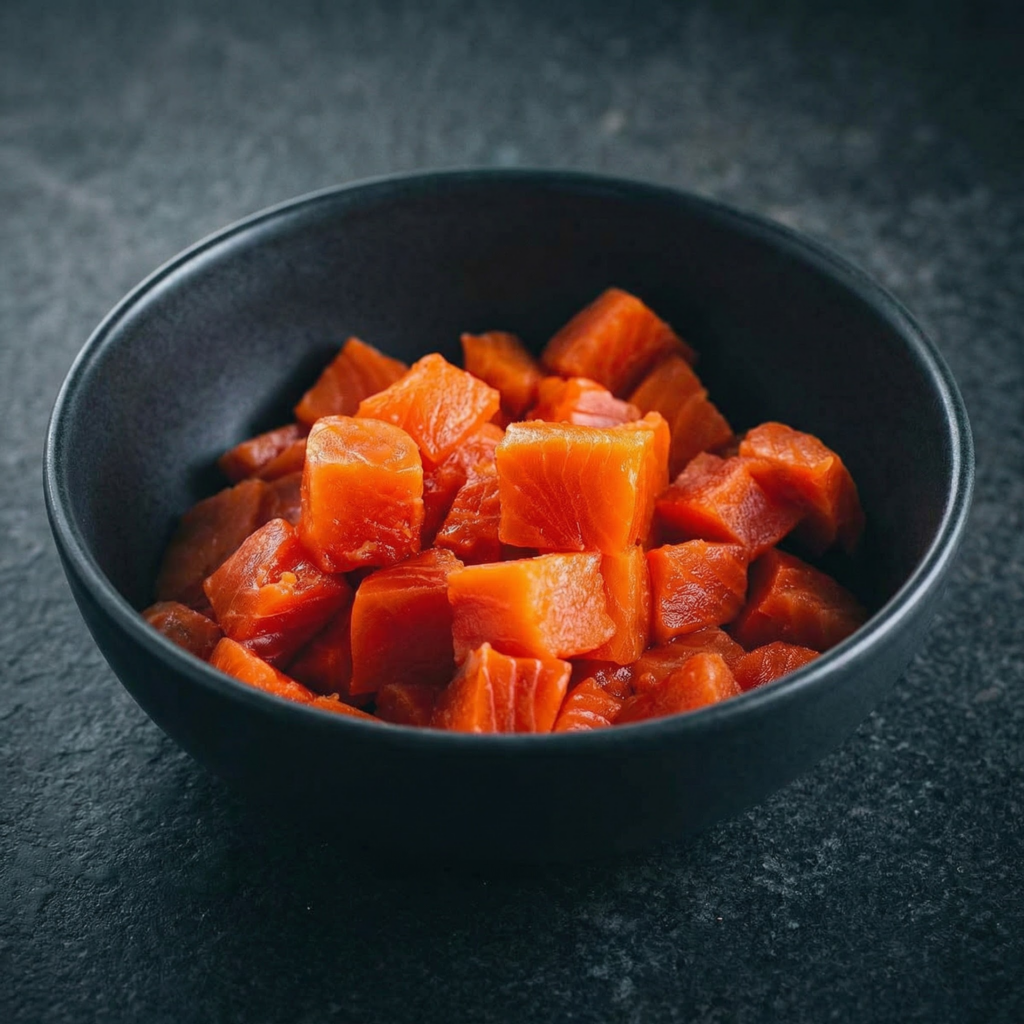
    Step 3: Prepare the Salmon

    Cut the sushi-grade salmon into bite-sized cubes. In a small bowl, combine sesame oil, soy sauce, and sriracha (if using).

    Toss the salmon cubes gently in the marinade and set aside for 5–10 minutes. This adds flavor without cooking the fish, maintaining its silky texture.


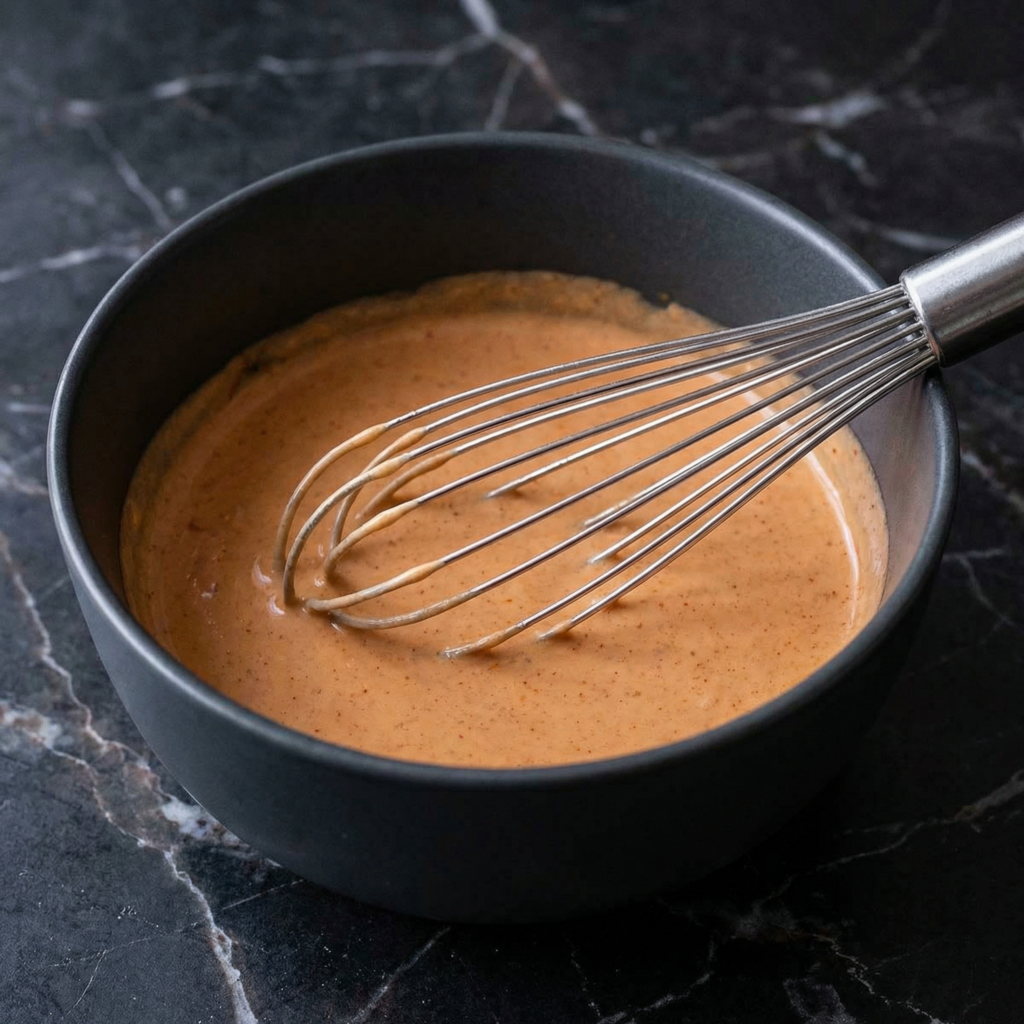
    Step 4: Prepare the Sauce

    In another small bowl, mix mayonnaise, sriracha, soy sauce, and lime juice.

    Adjust the spice level to your liking. The sauce will provide a creamy, tangy kick that complements the salmon perfectly.


    Step 5: Prep the Veggies

    While the rice is cooling and the salmon is marinating, prep the vegetables. Slice cucumber, radishes, and carrot.

    Cut the avocado just before serving to prevent browning. Arrange them neatly for easy assembly.


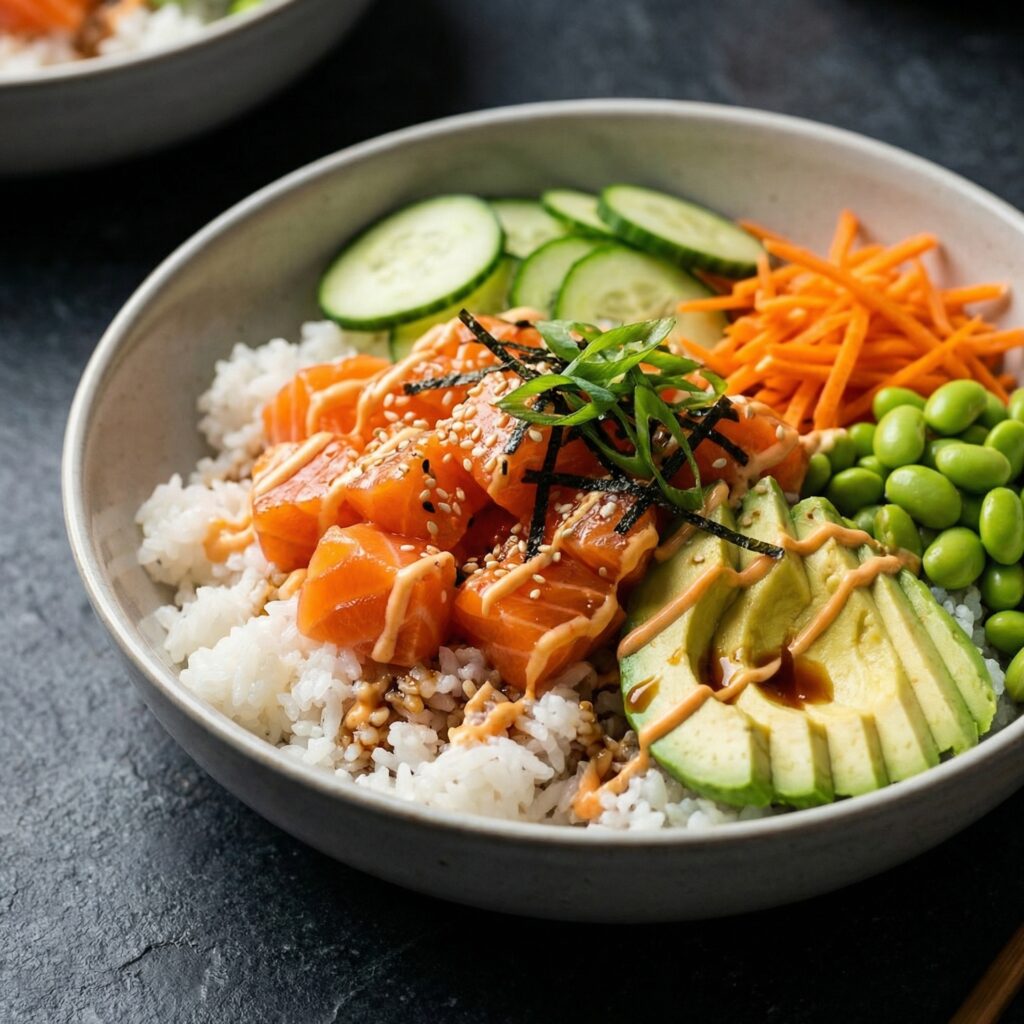
    Step 6: Assemble the Bowls

    Start by dividing the sushi rice evenly among serving bowls. Arrange the salmon cubes over the rice, then add cucumber, carrot, avocado, radishes, and nori strips on top.

    Drizzle with the prepared spicy mayo sauce.

    Finish by sprinkling sesame seeds and sliced green onions over the top for flavor and color.


    Step 7: Optional Additions

    • Pickled ginger or kimchi for a tangy bite
    • Masago (smelt roe) or tobiko for a crunchy, salty pop
    • Edamame beans for extra protein and texture
    • A drizzle of unagi or soy glaze for sweetness

    Step 8: Serve Immediately

    These bowls are best enjoyed fresh to preserve the salmon’s silky texture and the crispness of the vegetables.

    The rice should be slightly warm or at room temperature—never hot, as that can partially cook the raw salmon.


    Tips for Perfect Sushi Bowls

    • Use sushi-grade salmon: Freshness is key. Never use frozen or raw salmon not labeled safe for raw consumption.
    • Rinse rice properly: This prevents a mushy base.
    • Balance flavors: Adjust the spicy mayo and soy sauce to your taste.
    • Prep ingredients ahead: You can cook the rice in advance and prep the vegetables for faster assembly.
    • Customize toppings: Don’t be afraid to experiment with vegetables, pickles, or garnishes.

    Why This Dish Works

    The combination of lightly marinated salmon, perfectly seasoned rice, and fresh, crisp vegetables creates a dish with varied textures and flavors.

    The spicy mayo adds richness, while the citrus and soy elements bring brightness and umami. Each bite balances creamy, crunchy, savory, and tangy notes—just like sushi, but in an approachable, customizable bowl form.


    Meal Prep and Storage

    These bowls are excellent for meal prep, but assemble them fresh for best results. Store cooked rice separately in an airtight container in the fridge for up to 3 days.

    Keep the salmon chilled and prepare veggies in advance.

    Assemble bowls right before eating to maintain freshness and texture.


    Variations

    • Shrimp Sushi Bowl: Swap salmon for cooked or raw shrimp.
    • Vegetarian Option: Replace salmon with marinated tofu or avocado for a plant-based bowl.
    • Spicy Crunch: Add tempura flakes or crispy onions on top for extra texture.
    • Citrus Twist: Add mandarin orange slices or a squeeze of lemon for brightness.

    The Takeaway

    Easy Salmon “Sushi” Bowls bring all the vibrant flavors of sushi into a simple, home-cooked meal.

    They’re perfect for anyone who loves sushi but wants a fast, flexible option without rolling and cutting nigiri. With tender salmon, crisp vegetables, perfectly seasoned rice, and a spicy, tangy sauce, this bowl is balanced, flavorful, and visually stunning.

    Whether for a weeknight dinner, a lunch meal prep, or a weekend treat, these bowls are satisfying, wholesome, and guaranteed to impress. Once you try them, you’ll realize how simple it is to recreate restaurant-quality sushi right in your own kitchen—without the hassle.

  • Crispy, Cheesy, and Elegant: How to Make Perfect Chicken Cordon Bleu at Home

    Crispy, Cheesy, and Elegant: How to Make Perfect Chicken Cordon Bleu at Home

    If you’re looking for a dish that feels restaurant-worthy but is completely doable in your own kitchen, Chicken Cordon Bleu is the answer.

    This classic recipe features tender chicken breasts stuffed with savory ham and melted cheese, then breaded and baked (or fried) until golden and crisp. Slice into it, and you’re rewarded with a gooey, cheesy center wrapped in juicy chicken and a crunchy crust.

    Despite its elegant appearance, Chicken Cordon Bleu is surprisingly straightforward when broken down step by step. Let’s walk through exactly how to make it perfectly every time.


    Why You’ll Love This Chicken Cordon Bleu

    • Crispy golden exterior
    • Gooey, melty cheese center
    • Juicy, tender chicken
    • Impressive presentation
    • Perfect for special dinners or family meals

    This dish combines textures and flavors beautifully—salty ham, creamy cheese, and seasoned chicken all in one satisfying bite.


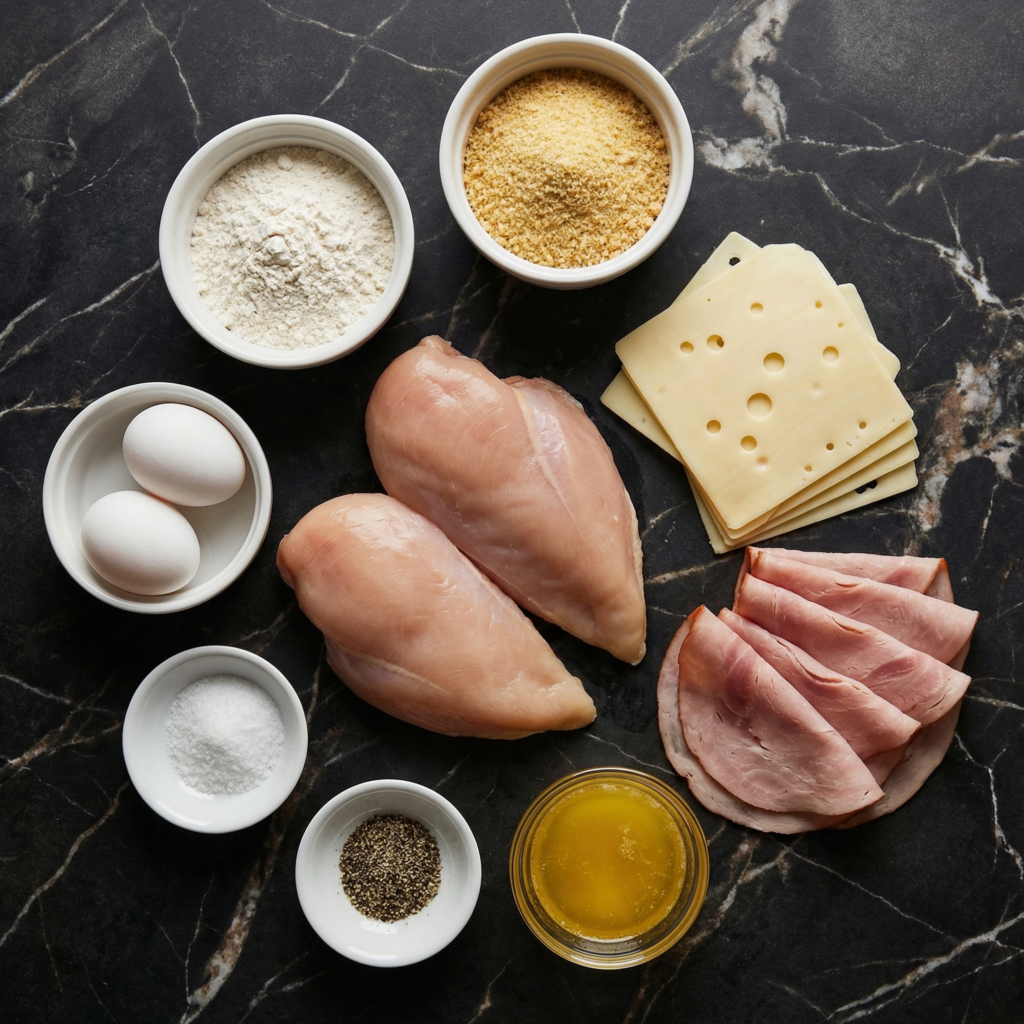
    Ingredients You’ll Need

    For the Chicken:

    • 4 boneless, skinless chicken breasts
    • Salt and black pepper, to taste
    • 4 slices deli ham
    • 4 slices Swiss cheese (or Gruyère)

    For the Breading:

    • 1 cup all-purpose flour
    • 2 large eggs
    • 1 cup breadcrumbs (panko or regular)
    • ½ teaspoon garlic powder
    • ½ teaspoon paprika

    For Cooking:

    • 2 tablespoons olive oil or melted butter

    Optional Cream Sauce:

    • 2 tablespoons butter
    • 2 tablespoons flour
    • 1 cup milk
    • ½ cup chicken broth
    • ½ teaspoon Dijon mustard
    • Salt and pepper to taste

    Step 1: Prepare the Chicken

    Place each chicken breast between two sheets of plastic wrap. Using a meat mallet or rolling pin, gently pound the chicken to about ¼-inch thickness.

    Pounding ensures even cooking and makes rolling easier. Be careful not to tear the meat.

    Season both sides lightly with salt and pepper.


    Step 2: Add the Filling

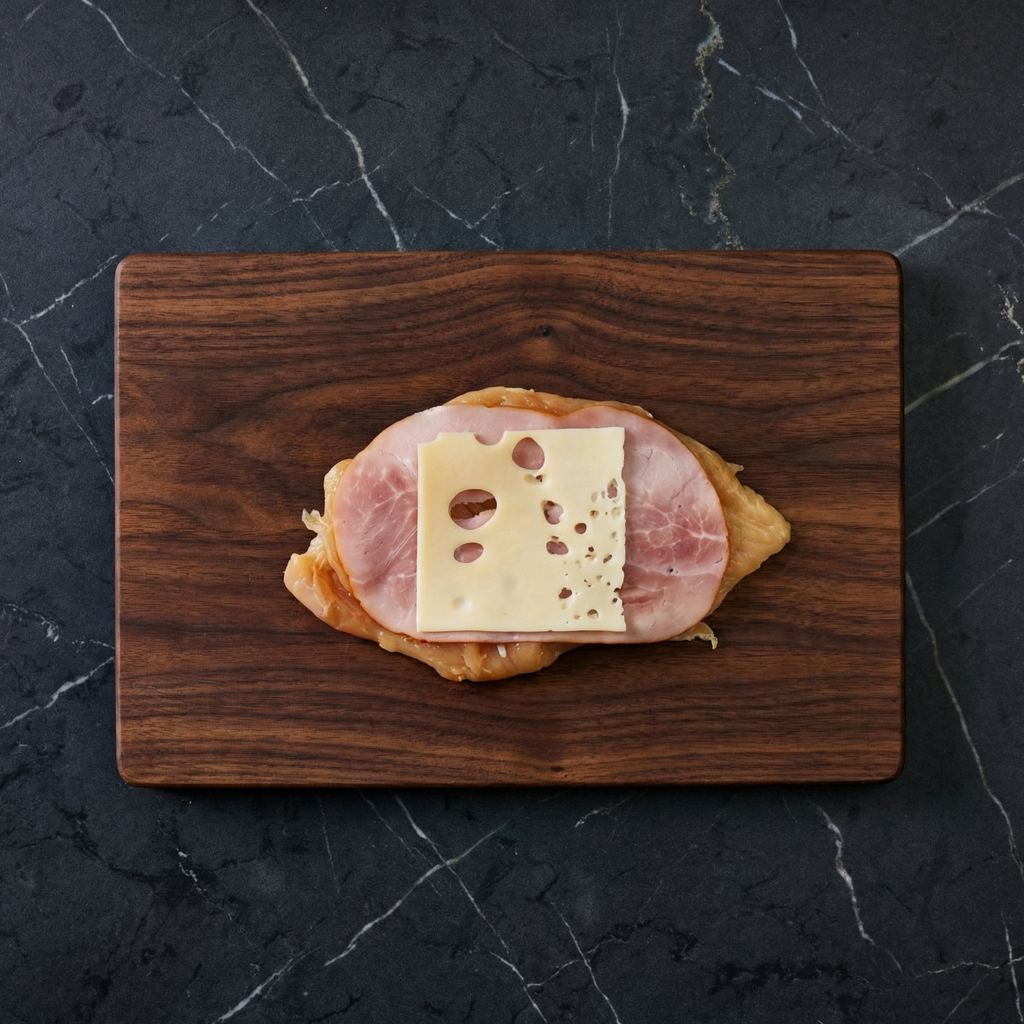
    Lay one slice of ham and one slice of Swiss cheese on each flattened chicken breast.

    Keep the filling centered and avoid placing it too close to the edges to prevent leakage during cooking.


    Step 3: Roll and Secure

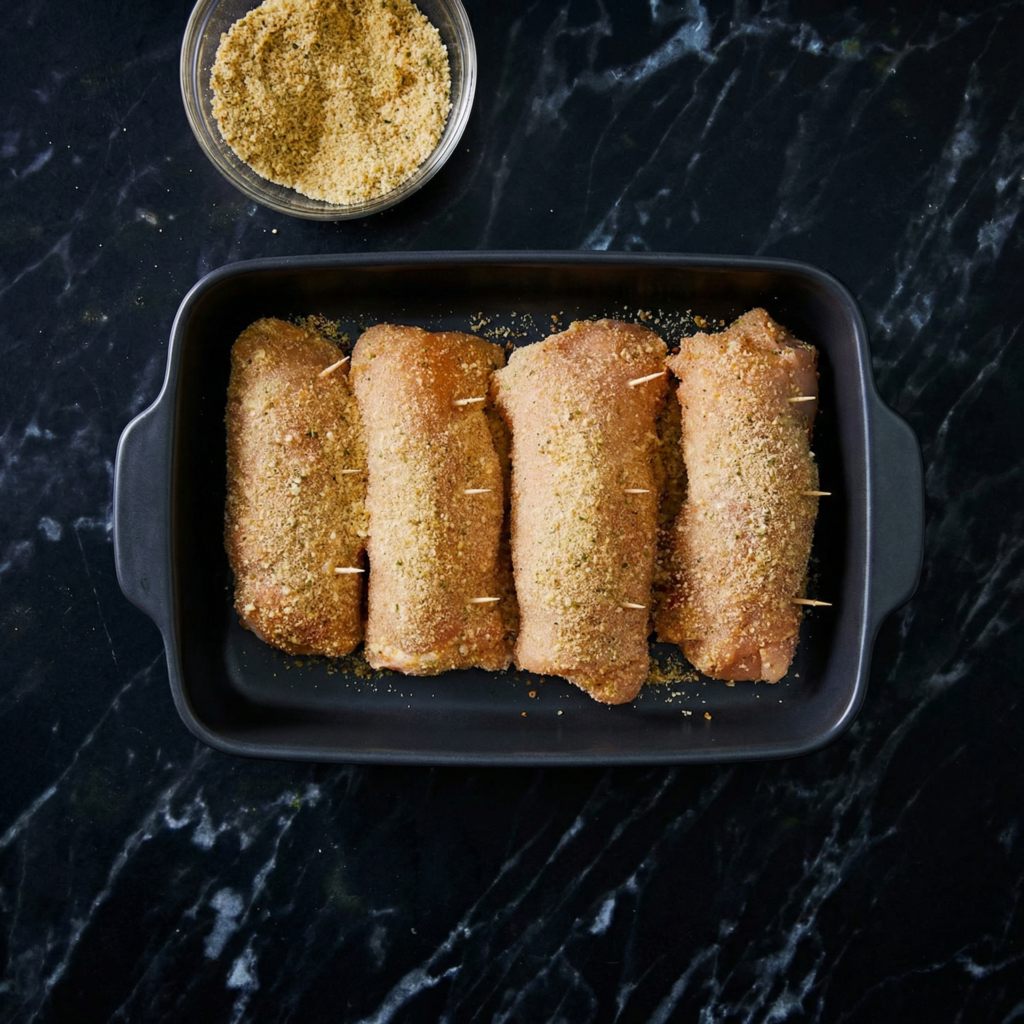
    Starting from the narrower end, tightly roll each chicken breast into a log shape.

    Secure with toothpicks if necessary to keep everything tightly wrapped.

    Place the rolled chicken seam-side down while preparing the breading station.


    Step 4: Set Up the Breading Station

    Prepare three shallow bowls:

    1. Bowl 1: Flour
    2. Bowl 2: Beaten eggs
    3. Bowl 3: Breadcrumbs mixed with garlic powder and paprika

    This three-step breading process ensures a crisp, even coating.


    Step 5: Bread the Chicken

    Roll each chicken piece first in flour, shaking off excess.

    Next, dip into the beaten eggs, coating completely.

    Finally, roll in the seasoned breadcrumbs, pressing gently so the crumbs adhere well.

    Place breaded chicken on a plate or baking sheet.


    Step 6: Preheat the Oven

    Preheat your oven to 375°F (190°C).

    Lightly grease a baking dish or line a baking sheet with parchment paper.


    Step 7: Sear for Extra Crispiness (Optional but Recommended)

    For a crispier crust, heat olive oil or melted butter in a skillet over medium heat.

    Sear the chicken rolls for 2–3 minutes per side until lightly golden. This step enhances texture and flavor.

    Transfer the seared chicken to the prepared baking dish.


    Step 8: Bake Until Perfect

    Bake for 25–30 minutes, or until the internal temperature reaches 165°F (74°C).

    If the crust begins browning too quickly, loosely cover with foil.

    Remove toothpicks carefully after baking.


    Step 9: Prepare the Optional Cream Sauce

    While the chicken bakes, melt butter in a small saucepan over medium heat.

    Whisk in flour and cook for 1–2 minutes to remove raw taste.

    Slowly whisk in milk and chicken broth, stirring constantly until thickened.

    Add Dijon mustard, salt, and pepper. Simmer gently until smooth and creamy.


    Step 10: Rest and Serve

    Allow the chicken to rest for 5 minutes before slicing. Resting helps the juices redistribute and keeps the chicken moist.

    Slice into rounds to reveal the beautiful spiral of ham and melted cheese.

    Drizzle with cream sauce if desired and serve immediately.


    Flavor and Texture Highlights

    • Crisp, golden breadcrumb crust
    • Tender, juicy chicken
    • Salty ham with creamy, melted cheese
    • Smooth, slightly tangy mustard cream sauce

    Each bite offers crunch on the outside and rich, savory comfort on the inside.


    Tips for Perfect Chicken Cordon Bleu

    Pound evenly. Uneven thickness leads to uneven cooking.

    Roll tightly. This prevents cheese from leaking out.

    Secure well. Toothpicks help maintain shape during cooking.

    Use good-quality cheese. Swiss or Gruyère melts beautifully and adds depth.

    Don’t overbake. Overcooking dries out the chicken.


    Optional Variations

    • Air Fryer Version: Cook at 375°F for 18–20 minutes, flipping halfway.
    • Spicy Twist: Add a thin layer of Dijon mustard inside before rolling.
    • Herb Crust: Mix dried thyme or parsley into breadcrumbs.
    • Prosciutto Upgrade: Substitute ham with prosciutto for a more refined flavor.
    • Low-Carb Option: Replace breadcrumbs with crushed pork rinds or almond flour.

    Storage and Reheating

    Store leftovers in an airtight container in the refrigerator for up to 3 days.

    Reheat in a 350°F (175°C) oven for 10–15 minutes to maintain crispness. Avoid microwaving if possible, as it softens the crust.


    Why This Recipe Works

    Chicken Cordon Bleu succeeds because it balances texture and flavor. The chicken remains juicy thanks to pounding and proper baking time. The ham adds savory depth, while the melted cheese provides creamy richness. The breadcrumb coating creates a satisfying crunch that contrasts beautifully with the soft interior.

    Searing before baking enhances crispness, while resting preserves moisture. The optional cream sauce adds an extra layer of indulgence without overpowering the main flavors.


    With its crispy crust, tender chicken, and gooey, cheesy center, Chicken Cordon Bleu is a dish that feels luxurious yet is completely achievable at home. Whether served with roasted vegetables, mashed potatoes, or a simple green salad, it’s guaranteed to impress.

    Elegant, comforting, and packed with flavor, this classic recipe will quickly become a favorite in your kitchen.

  • Creamy, Cozy, and Classic: The Ultimate Homemade Beef Stroganoff

    Creamy, Cozy, and Classic: The Ultimate Homemade Beef Stroganoff

    When it comes to hearty comfort food, few dishes rival the rich, creamy satisfaction of Beef Stroganoff.

    Tender strips of beef, savory mushrooms, and onions simmered in a velvety sour cream sauce—served over buttery egg noodles—make this dish a timeless favorite. It’s elegant enough for guests but simple enough for a cozy weeknight dinner.

    This step-by-step guide will show you exactly how to achieve perfectly tender beef and a silky, flavorful sauce every time.


    Why You’ll Love This Beef Stroganoff

    • Rich, creamy, and deeply savory
    • Tender beef with perfectly cooked mushrooms
    • Ready in about 40 minutes
    • Perfect over noodles, rice, or mashed potatoes
    • Ideal for family dinners or special occasions

    The key to an incredible stroganoff is properly searing the beef and building layers of flavor in the sauce.


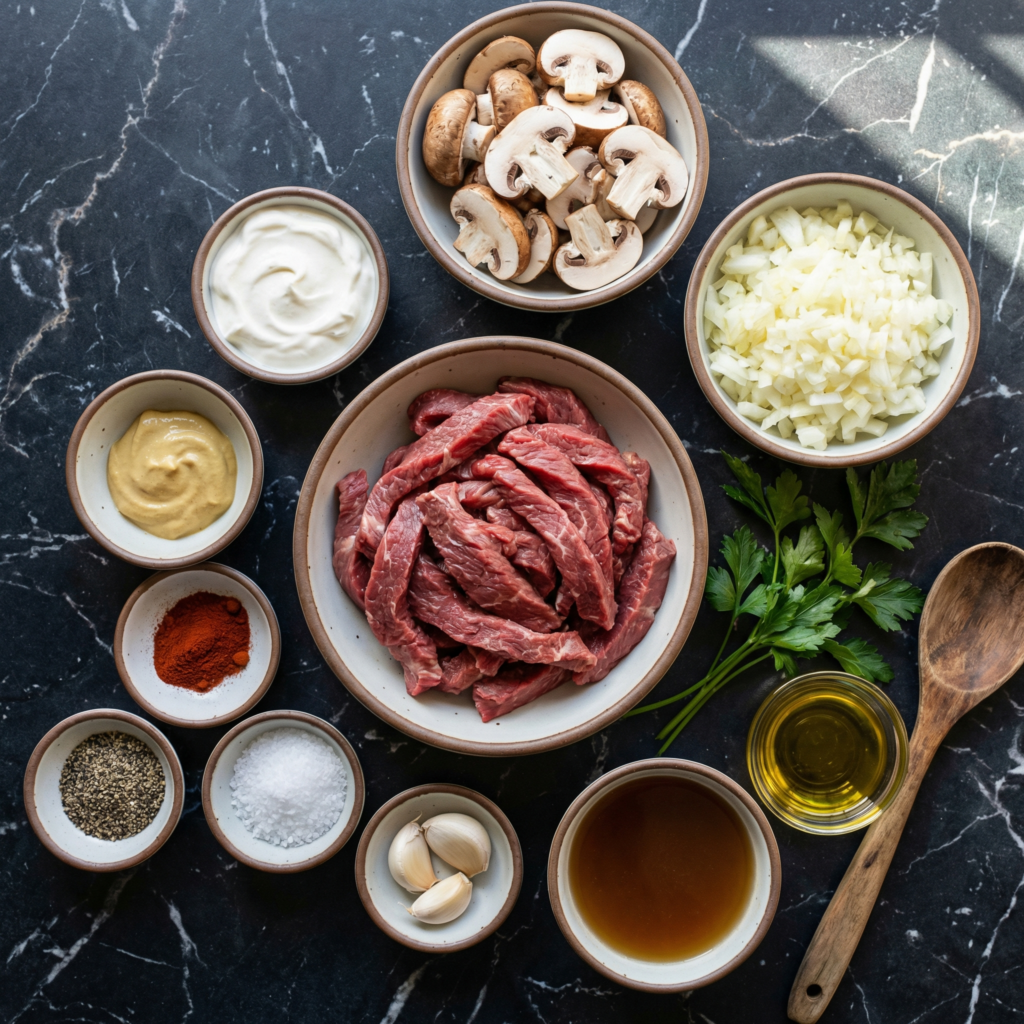
    Ingredients You’ll Need

    For the Stroganoff:

    • 1 ½ pounds beef sirloin or tenderloin, thinly sliced
    • Salt and black pepper, to taste
    • 2 tablespoons olive oil or butter
    • 1 medium onion, thinly sliced
    • 8 ounces mushrooms, sliced
    • 2 cloves garlic, minced
    • 2 tablespoons all-purpose flour
    • 1 cup beef broth
    • 1 tablespoon Worcestershire sauce
    • 1 teaspoon Dijon mustard
    • 1 cup sour cream
    • Fresh parsley, chopped (for garnish)

    For Serving:

    • 12 ounces egg noodles (or rice/mashed potatoes)

    Step 1: Prepare the Beef

    Slice the beef into thin strips, about ¼-inch thick. Cutting against the grain ensures tenderness.

    Pat the beef dry with paper towels and season lightly with salt and black pepper. Removing excess moisture helps achieve a proper sear.


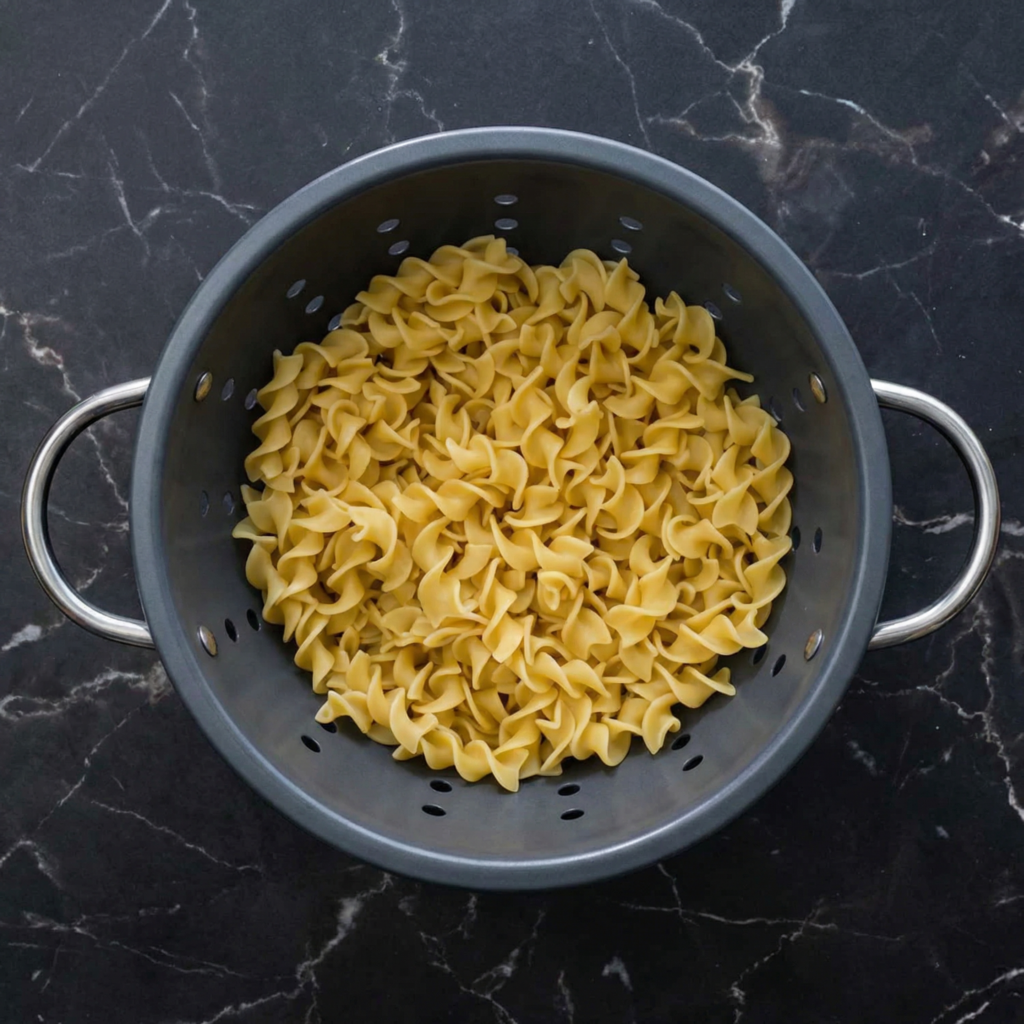
    Step 2: Cook the Noodles

    Bring a large pot of salted water to a boil and cook the egg noodles according to package instructions. Drain and toss lightly with butter to prevent sticking. Set aside.

    Cooking the noodles early allows you to focus fully on the sauce later.


    Step 3: Sear the Beef

    Heat 1 tablespoon of oil or butter in a large skillet over medium-high heat.

    Working in batches (to avoid overcrowding), add the beef in a single layer. Sear for about 1–2 minutes per side until browned but not fully cooked through. Remove and set aside.

    Avoid overcooking at this stage—the beef will finish cooking in the sauce later.


    Step 4: Sauté the Vegetables

    In the same skillet, add the remaining tablespoon of oil if needed.

    Add the sliced onions and cook for 3–4 minutes until softened and slightly caramelized. Stir in the mushrooms and cook for another 5–7 minutes until they release their moisture and become golden.

    Add the minced garlic and cook for 30 seconds until fragrant.

    These layers create the deep, savory base of the stroganoff.


    Step 5: Build the Sauce

    Sprinkle the flour over the mushroom mixture and stir to coat evenly. Cook for 1–2 minutes to eliminate the raw flour taste.

    Slowly pour in the beef broth while stirring constantly to prevent lumps. Scrape the bottom of the pan to lift any browned bits—this adds incredible flavor.

    Stir in Worcestershire sauce and Dijon mustard. Bring the mixture to a gentle simmer and let it thicken for 3–5 minutes.


    Step 6: Add the Beef Back

    Return the seared beef (and any accumulated juices) to the skillet. Stir gently to combine.

    Simmer for 3–4 minutes, just until the beef is tender and cooked through. Avoid prolonged simmering, as it can make the beef tough.


    Step 7: Stir in the Sour Cream

    Reduce the heat to low and stir in the sour cream. Mix gently until fully incorporated and creamy.

    Do not boil after adding sour cream, as high heat can cause it to curdle. The sauce should be smooth, rich, and velvety.

    Taste and adjust seasoning with additional salt and pepper if needed.


    Step 8: Serve and Garnish

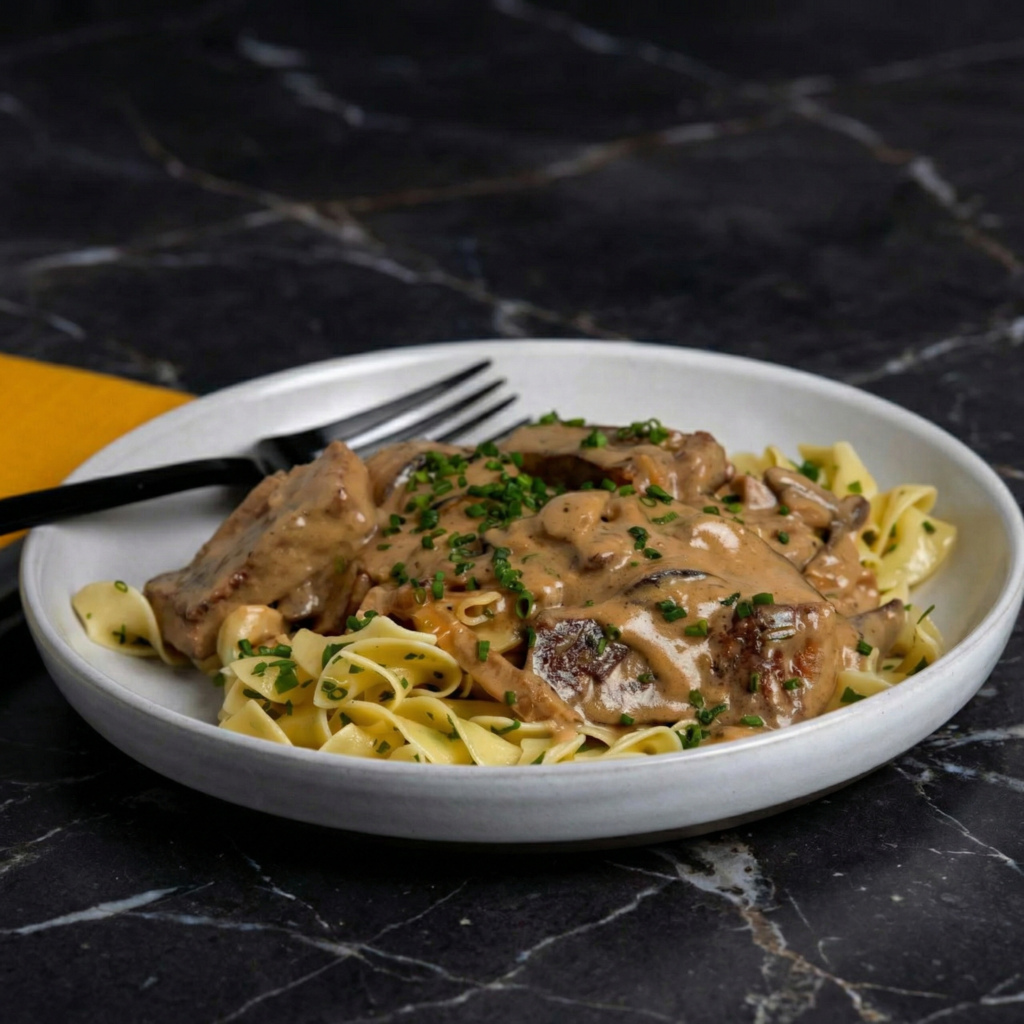
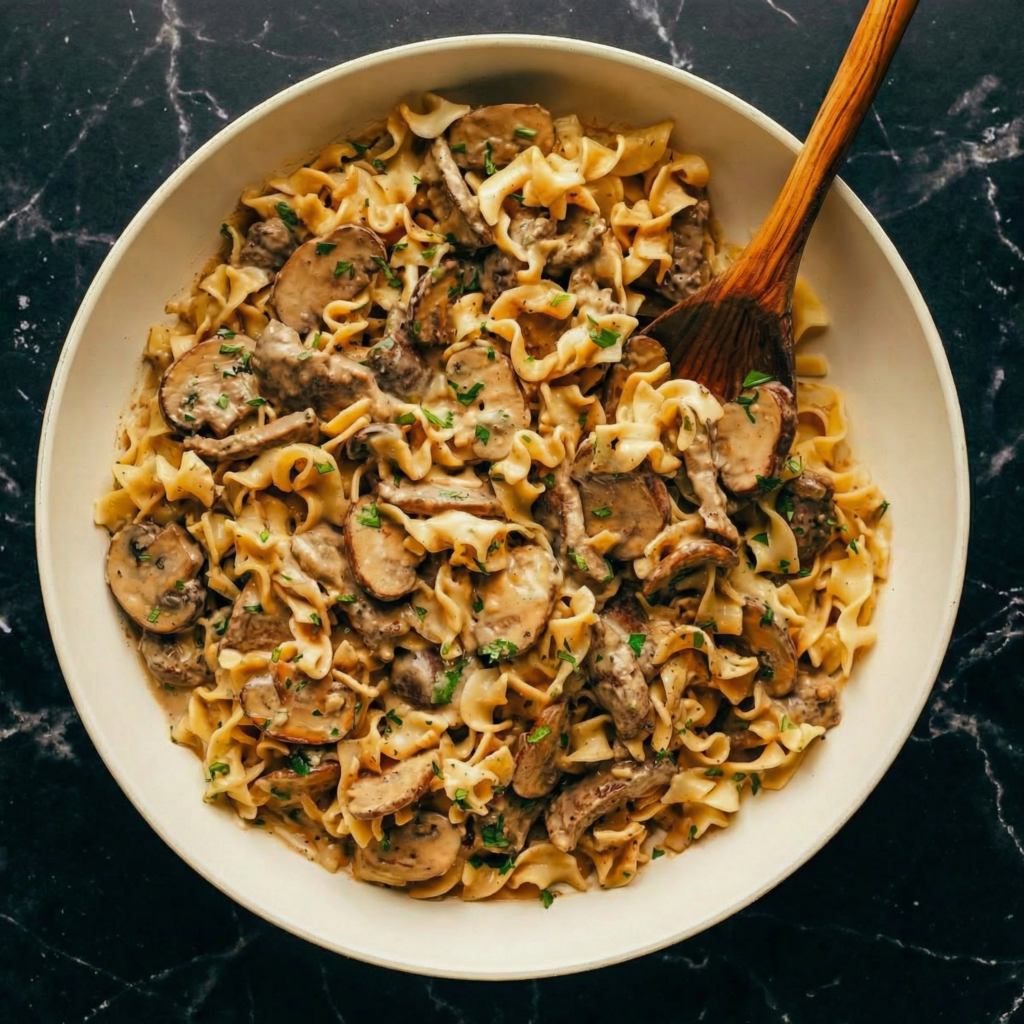
    Spoon the beef stroganoff generously over the prepared egg noodles.

    Sprinkle freshly chopped parsley on top for brightness and color.

    Serve immediately while warm and creamy.


    Flavor and Texture Highlights

    • Tender, juicy beef strips
    • Earthy, golden mushrooms
    • Silky, creamy sauce with subtle tang
    • Savory depth from Worcestershire and mustard
    • Comforting base of buttery noodles

    Every bite is rich yet balanced, hearty yet elegant.


    Tips for Perfect Beef Stroganoff

    Choose the right cut. Sirloin or tenderloin works best for quick cooking and tenderness.

    Don’t overcrowd the pan. Searing in batches ensures browning instead of steaming.

    Deglaze the pan. Scraping up browned bits enhances the sauce’s flavor.

    Control the heat. Keep it low after adding sour cream to maintain a smooth texture.

    Slice against the grain. This is essential for tender beef.


    Optional Variations

    • Add White Wine: Deglaze the pan with ¼ cup white wine before adding broth.
    • Creamier Sauce: Substitute half of the sour cream with heavy cream.
    • Extra Herbs: Add thyme or a bay leaf while simmering.
    • Mushroom Lover’s Version: Double the mushrooms for deeper earthy flavor.
    • Low-Carb Option: Serve over cauliflower mash or zucchini noodles.

    Storage and Reheating

    Store leftovers in an airtight container in the refrigerator for up to 3 days.

    Reheat gently over low heat on the stovetop, adding a splash of broth or cream to loosen the sauce. Avoid microwaving at high heat to prevent sauce separation.

    Beef stroganoff is best enjoyed fresh, but careful reheating keeps it delicious.


    Why This Recipe Works

    This Beef Stroganoff succeeds because of careful layering. Searing the beef locks in flavor, sautéing the mushrooms builds depth, and thickening the broth creates structure for the creamy finish. The sour cream adds signature tang and richness without overpowering the savory base.

    Cooking the beef briefly and finishing it in the sauce ensures tenderness, while gentle heat maintains a silky texture.


    With its creamy sauce, tender beef, and comforting noodles, this Beef Stroganoff recipe delivers timeless comfort in every bite. It’s hearty, satisfying, and elegant enough to impress while remaining simple enough for everyday cooking.

    Whether served for a family meal or a cozy dinner for two, this dish is sure to become a repeat favorite—rich, creamy, and utterly comforting from the first forkful to the last.

  • Saucy, Cheesy, and Irresistible: The Ultimate Homemade Beef Enchiladas

    Saucy, Cheesy, and Irresistible: The Ultimate Homemade Beef Enchiladas

    There’s nothing quite like a bubbling dish of Beef Enchiladas fresh from the oven.

    Tender tortillas wrapped around savory, seasoned beef, smothered in rich enchilada sauce, and topped with melty cheese—this is comfort food at its finest.

    Whether you’re cooking for a family dinner, meal prepping for the week, or hosting friends, beef enchiladas are always a crowd-pleaser.

    This step-by-step guide will walk you through creating flavorful, authentic-style beef enchiladas right in your own kitchen.


    Why You’ll Love This Recipe

    • Hearty and satisfying
    • Packed with bold, savory flavor
    • Perfect for feeding a crowd
    • Easy to customize
    • Great for leftovers and meal prep

    With simple ingredients and clear steps, you’ll have a delicious tray of enchiladas ready in under an hour.


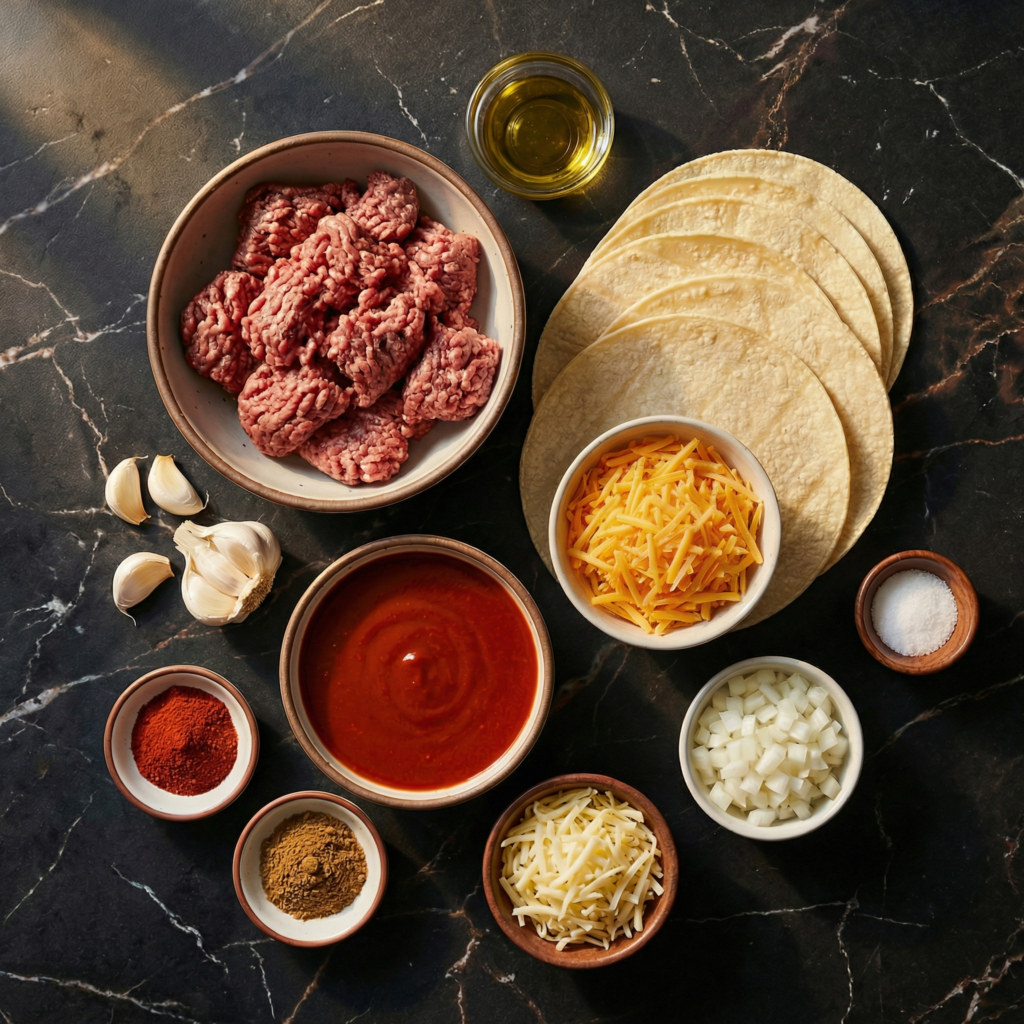
    Ingredients You’ll Need

    For the Beef Filling:

    • 1 pound ground beef
    • 1 small onion, finely diced
    • 2 cloves garlic, minced
    • 1 tablespoon chili powder
    • 1 teaspoon ground cumin
    • ½ teaspoon smoked paprika
    • ½ teaspoon salt
    • ¼ teaspoon black pepper
    • ½ cup tomato sauce

    For Assembly:

    • 8 small flour or corn tortillas
    • 2 cups red enchilada sauce (store-bought or homemade)
    • 2 cups shredded Mexican blend or cheddar cheese
    • Optional: chopped cilantro, sliced jalapeños, sour cream

    Step 1: Preheat the Oven

    Preheat your oven to 375°F (190°C). Lightly grease a 9×13-inch baking dish with cooking spray or a thin layer of oil to prevent sticking.


    Step 2: Prepare the Beef Filling

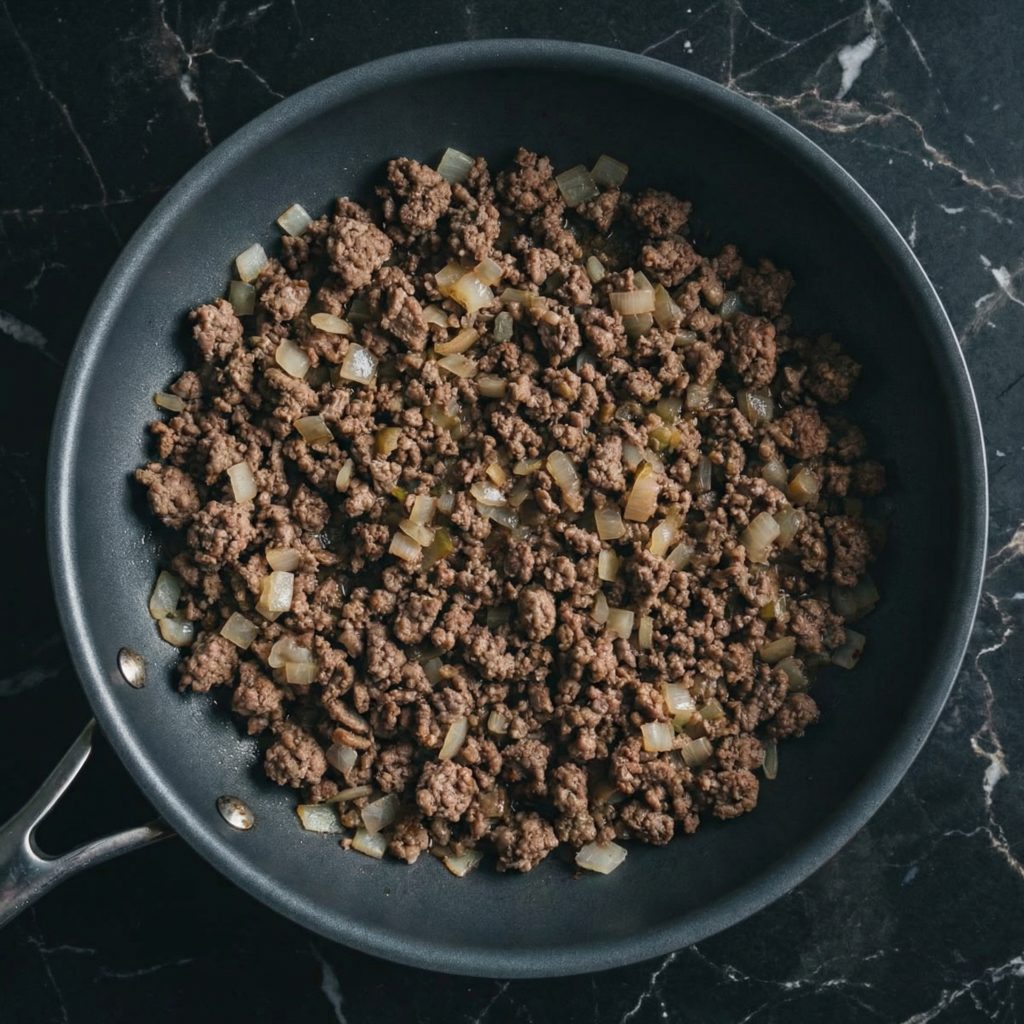
    In a large skillet over medium heat, add the ground beef. Break it apart with a wooden spoon and cook until browned, about 5–7 minutes.

    Add the diced onion and cook for another 3–4 minutes until softened. Stir in the minced garlic and cook for 30 seconds until fragrant.

    Drain any excess grease from the pan to prevent the enchiladas from becoming oily.


    Step 3: Season the Meat

    Add chili powder, cumin, smoked paprika, salt, and black pepper to the skillet. Stir well to evenly coat the beef.

    Pour in ½ cup tomato sauce and stir to combine. Let the mixture simmer for 3–5 minutes until slightly thickened and flavorful. Remove from heat.

    The filling should be moist but not watery.


    Step 4: Warm the Tortillas

    Warming tortillas prevents cracking when rolling.

    You can:

    • Wrap them in a damp paper towel and microwave for 30 seconds, or
    • Lightly heat each tortilla in a dry skillet for 10–15 seconds per side

    Keep them covered to stay warm and pliable.


    Step 5: Prepare the Baking Dish

    Spread about ½ cup of enchilada sauce evenly across the bottom of the prepared baking dish. This prevents sticking and adds flavor to the base layer.


    Step 6: Fill and Roll the Enchiladas

    Lay one tortilla flat on a clean surface. Spoon about 2–3 tablespoons of the beef filling down the center. Sprinkle a small handful of cheese over the filling.

    Roll the tortilla tightly and place it seam-side down in the baking dish.

    Repeat with the remaining tortillas, arranging them snugly side by side.


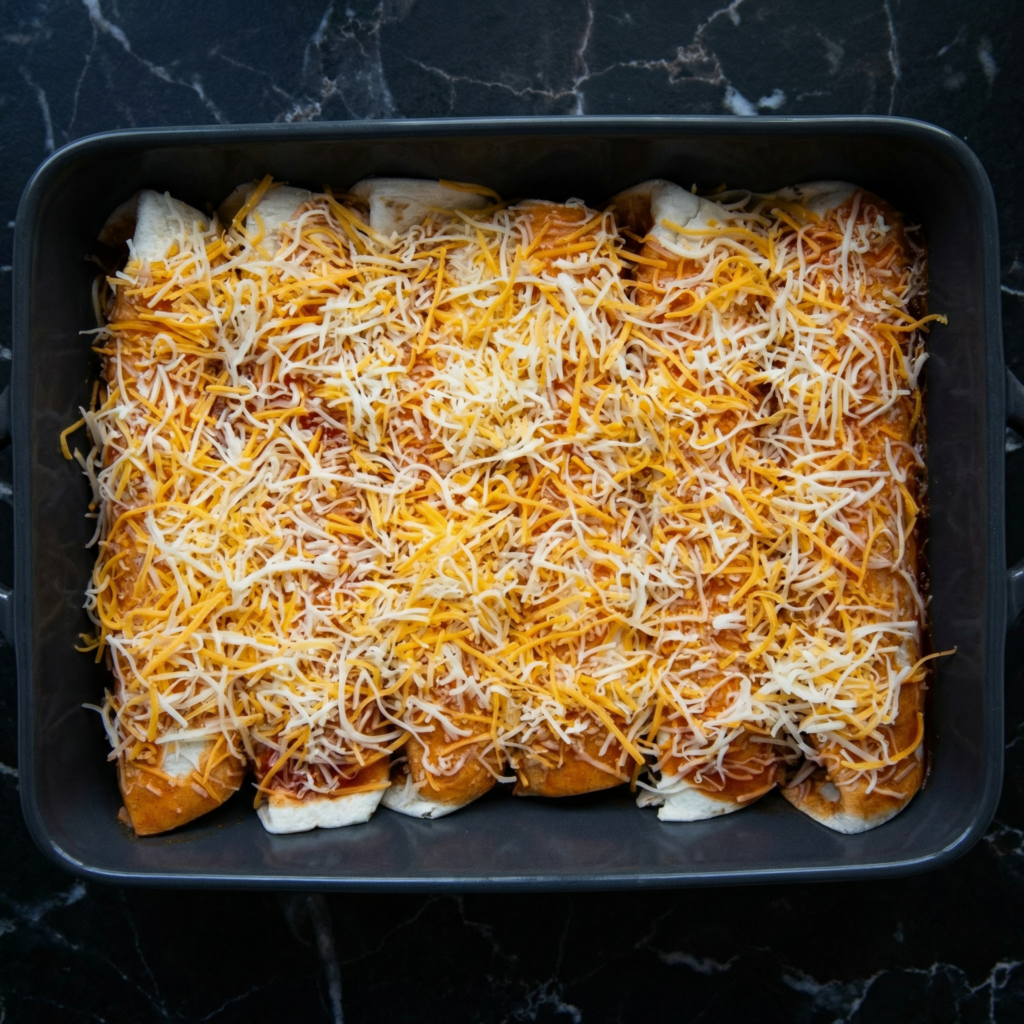
    Step 7: Add Sauce and Cheese

    Pour the remaining enchilada sauce evenly over the rolled tortillas, making sure they’re fully covered. This keeps them moist while baking.

    Sprinkle the remaining shredded cheese generously over the top.


    Step 8: Bake to Perfection

    Cover the baking dish loosely with foil and bake for 20 minutes.

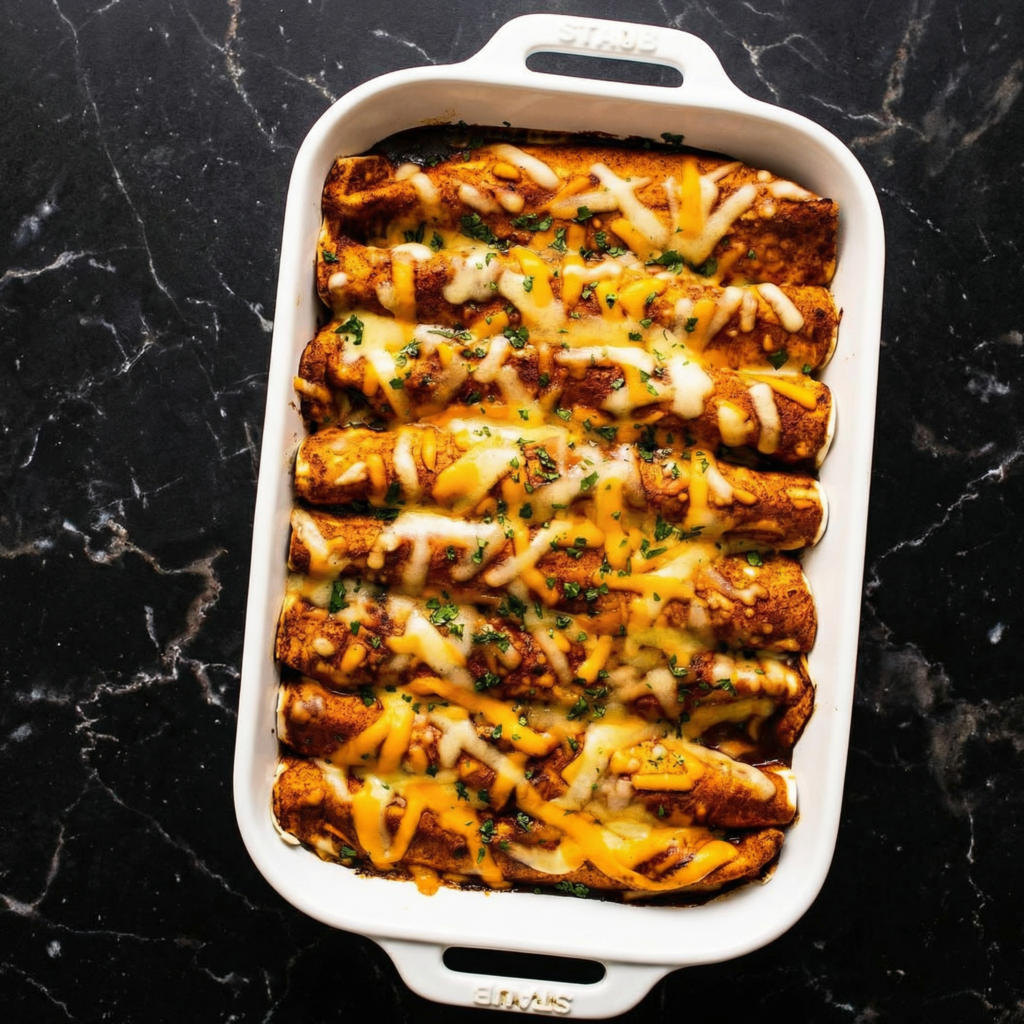
    Remove the foil and bake for another 10–15 minutes, or until the cheese is melted, bubbly, and slightly golden.

    For extra browning, broil for 1–2 minutes at the end—but watch carefully to avoid burning.


    Step 9: Let Them Rest

    Allow the enchiladas to rest for 5–10 minutes after removing them from the oven. This helps the filling set and makes serving easier.


    Step 10: Garnish and Serve

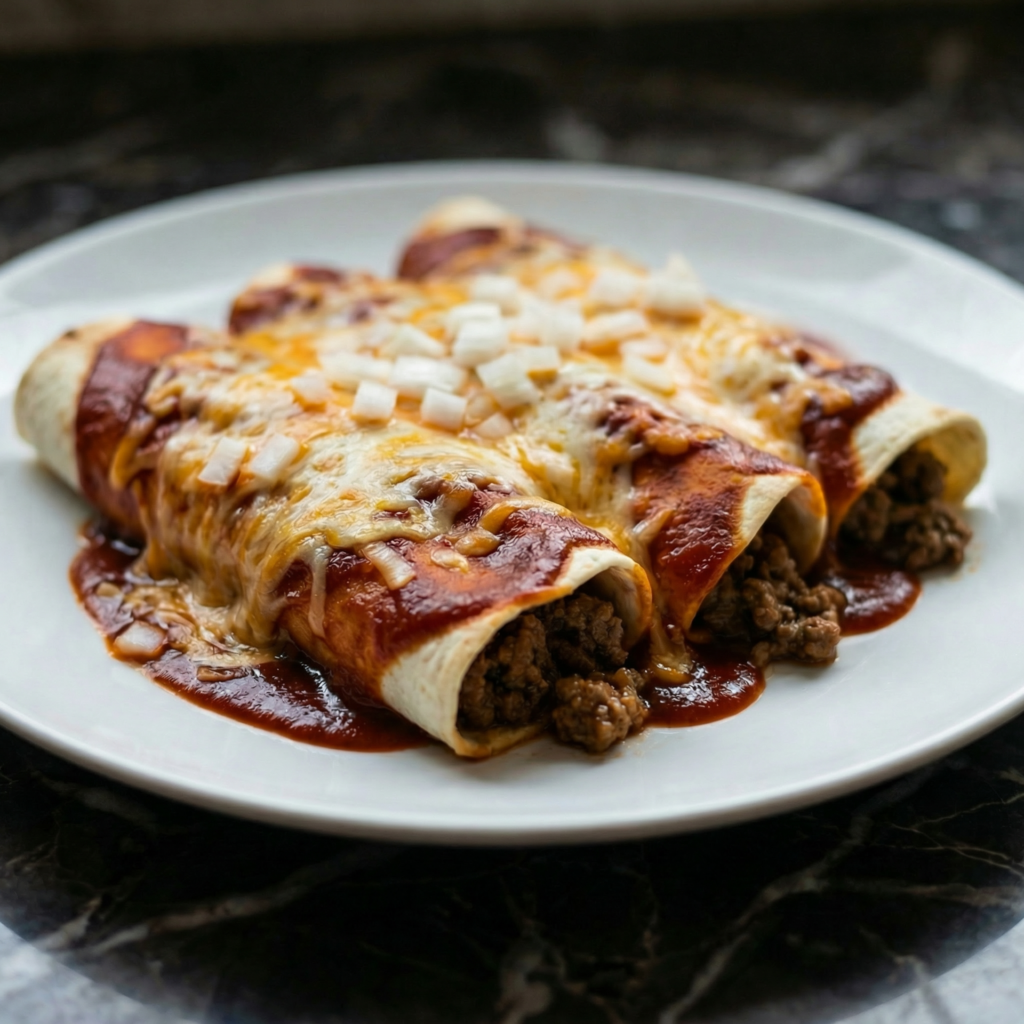
    Top with chopped cilantro, sliced jalapeños, or a dollop of sour cream for added freshness and contrast.

    Serve with:

    • Mexican rice
    • Refried beans
    • Guacamole
    • A crisp side salad

    Flavor and Texture Highlights

    • Tender tortillas soaked in savory sauce
    • Juicy, seasoned beef filling
    • Melted, gooey cheese topping
    • Rich, slightly spicy enchilada sauce

    Every bite is a balance of warmth, spice, and cheesy comfort.


    Tips for the Best Beef Enchiladas

    Don’t skip warming the tortillas. Cold tortillas crack easily when rolled.

    Use enough sauce. Dry enchiladas can ruin the dish—be generous but not excessive.

    Drain excess grease. This prevents a greasy final result.

    Customize the spice level. Add diced green chilies or extra chili powder for more heat.

    Make ahead. Assemble the enchiladas, cover tightly, and refrigerate up to 24 hours before baking. Add 5–10 extra minutes to bake time if starting cold.


    Optional Variations

    • Add Beans: Mix black beans into the beef filling.
    • Vegetable Boost: Add sautéed bell peppers or corn.
    • Creamy Version: Stir 2 tablespoons of cream cheese into the beef mixture.
    • Green Enchiladas: Swap red sauce for green enchilada sauce.
    • Low-Carb Option: Use low-carb tortillas or wrap filling in thin grilled zucchini slices.

    Storage and Reheating

    Store leftovers in an airtight container in the refrigerator for up to 4 days.

    Reheat:

    • In the oven at 350°F (175°C) for 15 minutes
    • Or microwave individual portions for 1–2 minutes

    Enchiladas also freeze beautifully. Wrap tightly and freeze for up to 2 months. Thaw overnight before reheating.


    Why This Recipe Works

    This beef enchilada recipe balances moisture, flavor, and texture perfectly. The seasoned beef creates a savory base, the sauce keeps everything tender, and the cheese adds richness and comfort. Baking allows the tortillas to absorb flavor while staying soft and cohesive.

    It’s hearty without being heavy, flavorful without being overpowering, and simple enough for a weeknight meal while impressive enough for guests.


    With its rich sauce, savory beef, and gooey melted cheese, this Beef Enchiladas recipe is guaranteed to become a family favorite. Once you master the basic technique, you can experiment with fillings, sauces, and toppings to make it your own.

    Warm, comforting, and packed with flavor—this is homemade enchilada perfection.