Tag: Date Night Recipe

  • Sweet, Savory & Sizzling: Irresistible Sticky Soy Steak Skewers

    Sweet, Savory & Sizzling: Irresistible Sticky Soy Steak Skewers

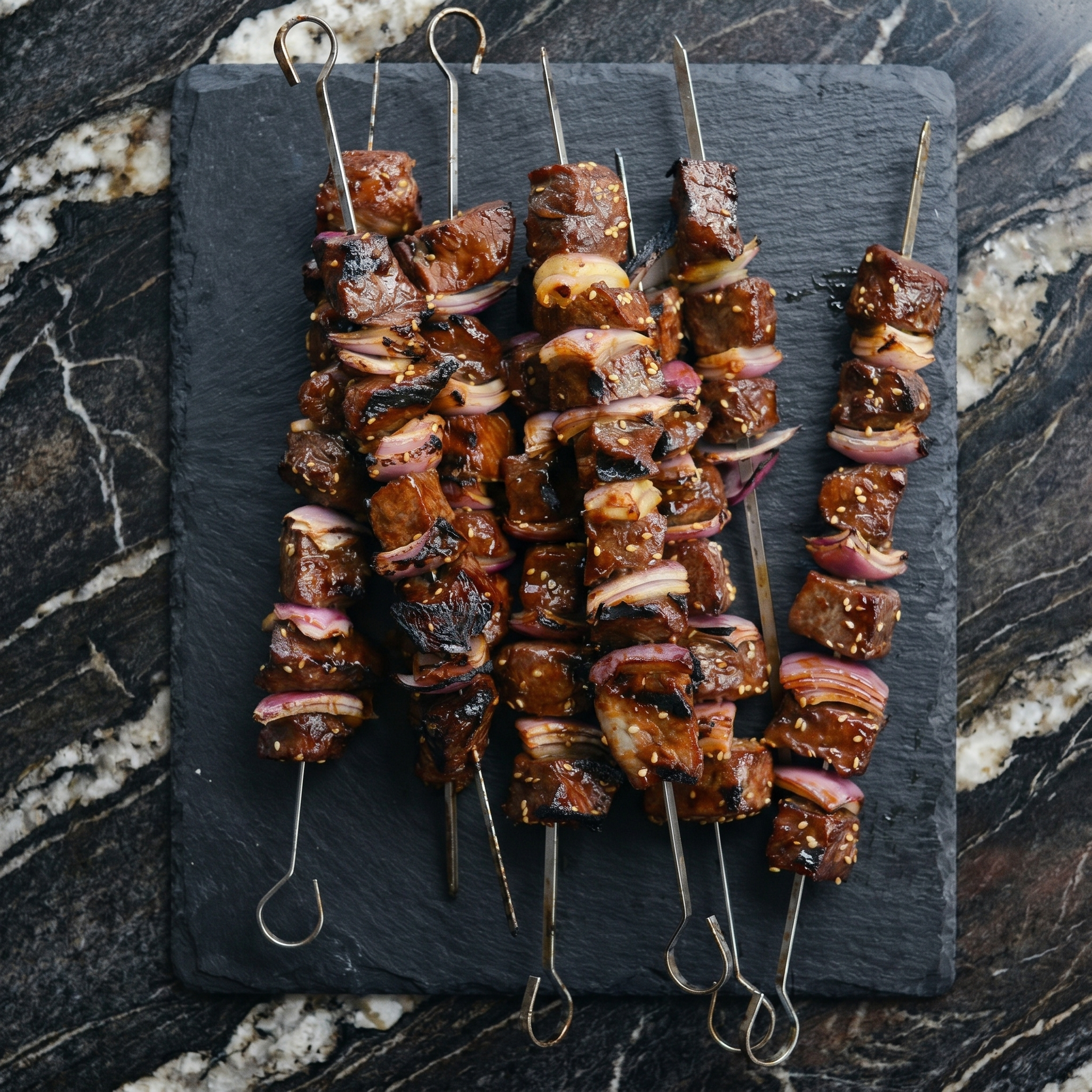
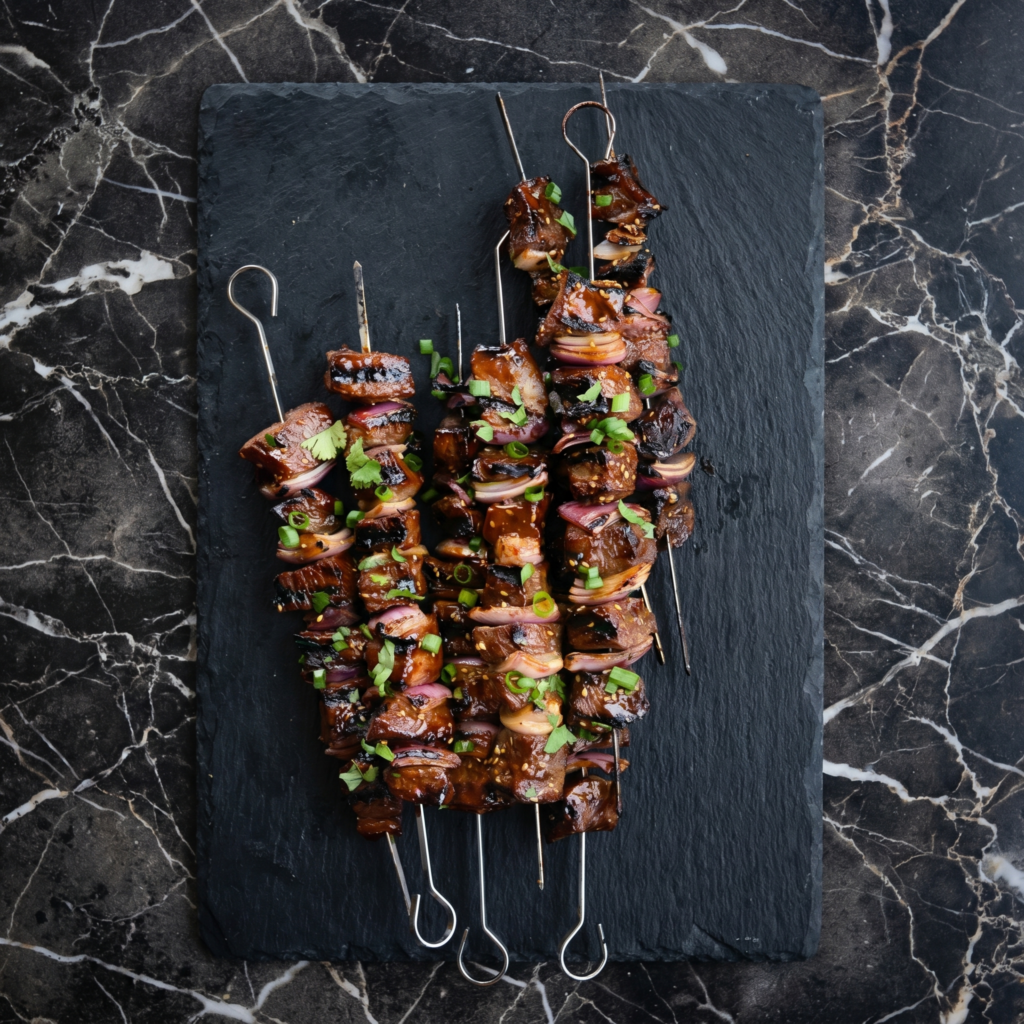
    If you’re looking for a bold, crowd-pleasing dish that’s packed with flavor and easy enough for weeknights, these Sticky Soy Steak Skewers are exactly what you need. Tender cubes of steak are marinated in a sweet and savory soy glaze, threaded onto skewers, and grilled until caramelized and slightly charred. The result? Juicy, flavorful bites with a glossy, sticky finish that’s completely addictive.

    Perfect for backyard barbecues, casual dinners, or even meal prep, these skewers deliver maximum flavor with minimal effort. Let’s walk step by step through how to make them perfectly every time.


    Ingredients
    For the steak:

    • 1 ½ pounds sirloin, flank steak, or ribeye, cut into 1 ½-inch cubes
    • Salt and freshly ground black pepper

    For the sticky soy marinade:

    • ⅓ cup soy sauce
    • 2 tablespoons brown sugar
    • 1 tablespoon honey
    • 1 tablespoon rice vinegar
    • 1 tablespoon sesame oil
    • 3 cloves garlic, minced
    • 1 teaspoon freshly grated ginger
    • ½ teaspoon red pepper flakes (optional)

    For garnish:

    • Sesame seeds
    • Sliced green onions
    • Lime wedges (optional)

    Additional:

    • Wooden or metal skewers
    • Neutral oil for brushing

    Step 1: Prep the Steak

    Start by trimming any excess fat from the steak. Cut it into evenly sized cubes—about 1 ½ inches each. Uniform pieces ensure even cooking.

    Pat the steak dry with paper towels and lightly season with salt and freshly ground black pepper. Since soy sauce is salty, don’t over-season at this stage.


    Step 2: Make the Marinade

    In a medium bowl, whisk together soy sauce, brown sugar, honey, rice vinegar, sesame oil, garlic, ginger, and red pepper flakes. Stir until the sugar dissolves completely.

    This marinade strikes the perfect balance between salty, sweet, tangy, and aromatic. The honey and brown sugar will help create that beautiful sticky glaze once the skewers hit the heat.


    Step 3: Marinate the Steak

    Place the steak cubes in a zip-top bag or shallow dish. Pour the marinade over the steak, ensuring all pieces are well coated.

    Cover and refrigerate for at least 30 minutes, ideally 2–4 hours. The longer it marinates, the deeper the flavor. Avoid marinating overnight if using very tender cuts like ribeye, as the acidity can slightly change the texture.


    Step 4: Prepare the Skewers

    If using wooden skewers, soak them in water for at least 30 minutes to prevent burning. Metal skewers don’t require soaking.

    Thread the marinated steak cubes onto the skewers, leaving a little space between each piece. This allows heat to circulate evenly and promotes better caramelization.


    Step 5: Preheat the Grill or Pan

    Preheat your grill to medium-high heat (about 400°F / 200°C). If cooking indoors, heat a grill pan or cast-iron skillet over medium-high heat.

    Lightly brush the grates or pan with neutral oil to prevent sticking.


    Step 6: Grill the Skewers

    Place the skewers on the hot grill. Cook for about 2–3 minutes per side, rotating to ensure even cooking and grill marks on all sides.

    For medium-rare steak, aim for an internal temperature of about 130–135°F. For medium, cook to 140–145°F. Avoid overcooking, as the steak can become tough.

    As the sugars in the marinade heat up, they’ll caramelize, forming that signature sticky glaze. Watch carefully to prevent burning.


    Step 7: Create the Extra Glaze (Optional but Recommended)

    If you’d like extra stickiness, reserve a small portion of marinade before adding it to the raw steak. Simmer this reserved marinade in a small saucepan for 3–5 minutes until slightly thickened.

    Brush the cooked skewers with this glaze just before removing them from the grill for an extra glossy finish.


    Step 8: Rest the Steak

    Remove the skewers from heat and let them rest for 5 minutes. Resting allows the juices to redistribute throughout the meat, keeping each bite tender and juicy.


    Step 9: Garnish and Serve

    Sprinkle sesame seeds and sliced green onions over the skewers. Serve with lime wedges for a bright citrus finish if desired.

    These skewers pair beautifully with:

    • Steamed jasmine rice
    • Fried rice
    • Grilled vegetables
    • Fresh cucumber salad
    • Noodles with sesame dressing

    Pro Tips for Perfect Sticky Soy Steak Skewers

    • Choose the right cut: Sirloin and flank steak are flavorful and hold up well to grilling.
    • Don’t overcrowd skewers: Leave slight gaps for even cooking.
    • High heat is key: It creates caramelization without overcooking the interior.
    • Rest before serving: This prevents juices from spilling out.
    • Monitor closely: Sugars in the marinade can burn quickly.

    Why This Recipe Works

    The magic lies in the marinade. Soy sauce provides umami depth, brown sugar and honey add sweetness and caramelization, rice vinegar balances with acidity, and garlic and ginger create aromatic complexity.

    Grilling at high heat locks in juices while forming a lightly charred crust. The result is steak that’s tender inside, slightly crisp outside, and coated in a glossy, flavorful glaze.


    Variations to Try

    • Spicy Kick: Add a tablespoon of chili paste for extra heat.
    • Teriyaki Twist: Substitute rice vinegar with mirin for a sweeter profile.
    • Garlic Lover’s Version: Double the garlic for bold flavor.
    • Vegetable Skewers: Add bell peppers, onions, or mushrooms between steak pieces.

    Storage and Reheating

    Leftover skewers can be stored in an airtight container in the refrigerator for up to 3 days. Reheat gently in a skillet over medium heat to avoid overcooking.

    They also make fantastic leftovers sliced over salads or tucked into wraps.


    Final Thoughts

    Sticky Soy Steak Skewers combine simplicity with bold flavor, making them perfect for everything from casual weeknight dinners to festive gatherings. With a balanced marinade, high-heat grilling, and a glossy finish, these skewers are guaranteed to impress.

    Once you try them, they’ll quickly become a staple in your cooking rotation—sweet, savory, and irresistibly sticky in every bite.
  • Sizzle & Smoke: The Ultimate Carne Asada You’ll Want Every Weekend

    Sizzle & Smoke: The Ultimate Carne Asada You’ll Want Every Weekend

    Few dishes deliver bold, vibrant flavor quite like Carne Asada. Juicy grilled steak infused with citrus, garlic, and herbs is a staple in Mexican cuisine and a guaranteed crowd-pleaser.

    Whether tucked into warm tortillas, piled onto rice bowls, or served straight off the grill with fresh salsa, carne asada is all about simple ingredients transformed through fire and marinade into something unforgettable.

    If you’ve ever wondered how to get that perfectly tender, smoky, flavor-packed steak at home, this step-by-step guide will walk you through everything you need to know.


    What Cut of Meat Is Best?

    Traditionally, carne asada is made with flank steak or skirt steak. Both cuts are lean, flavorful, and perfect for quick, high-heat grilling.

    Skirt steak tends to have a slightly beefier flavor and more tenderness when cooked properly, while flank steak is easier to find and slices beautifully when cut against the grain.

    For this recipe, you’ll need about 2 pounds of flank or skirt steak.


    Ingredients You’ll Need

    For the Marinade:

    • 2 pounds flank or skirt steak
    • ½ cup fresh orange juice
    • ¼ cup fresh lime juice
    • ¼ cup olive oil
    • 4 cloves garlic, minced
    • 1 jalapeño, finely minced (optional for heat)
    • ½ cup chopped fresh cilantro
    • 1 teaspoon ground cumin
    • 1 teaspoon chili powder
    • 1 teaspoon salt
    • ½ teaspoon black pepper

    For Serving (Optional):

    • Warm corn or flour tortillas
    • Diced white onion
    • Fresh cilantro
    • Lime wedges
    • Salsa or guacamole

    Step 1: Prepare the Marinade

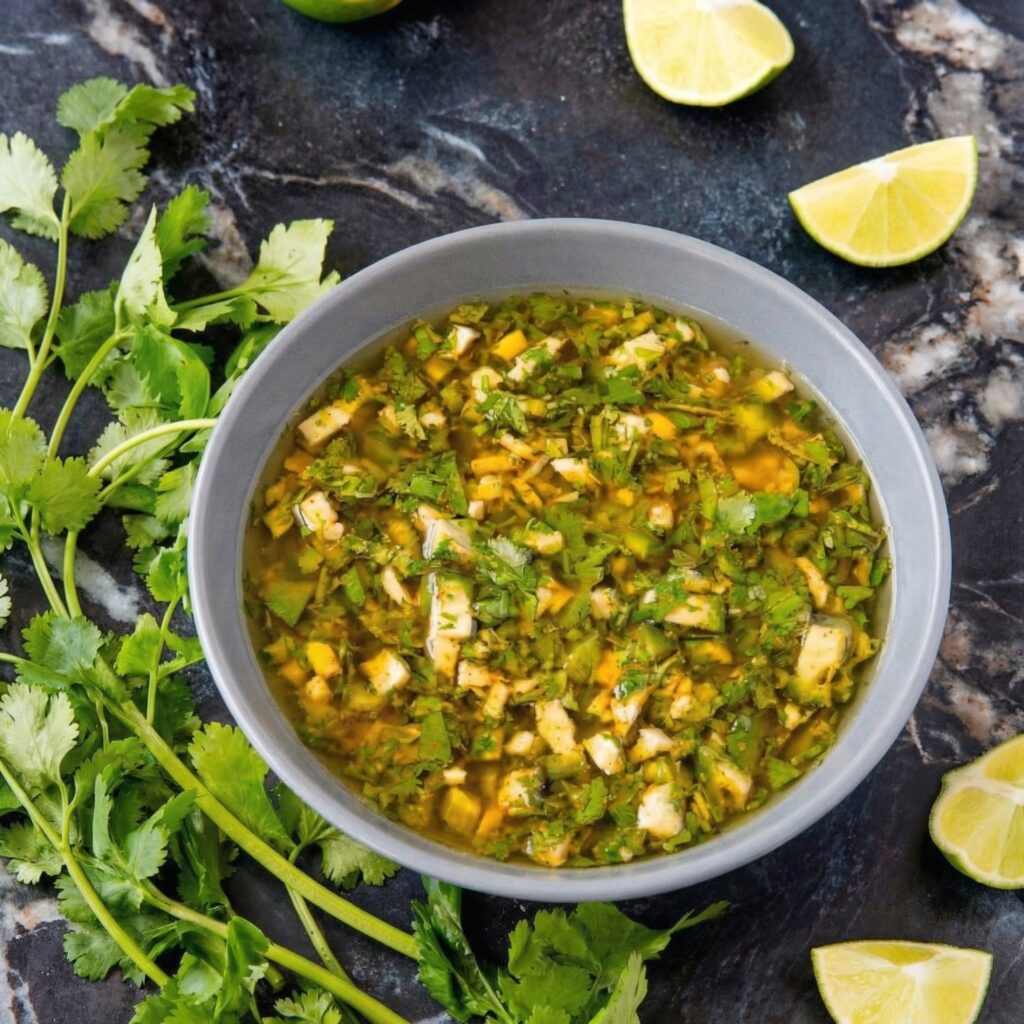
    In a large bowl, whisk together the orange juice, lime juice, olive oil, minced garlic, jalapeño, cilantro, cumin, chili powder, salt, and black pepper.

    The citrus juices help tenderize the meat while infusing it with bright flavor.

    Olive oil carries the spices evenly across the surface of the steak.


    Step 2: Marinate the Steak

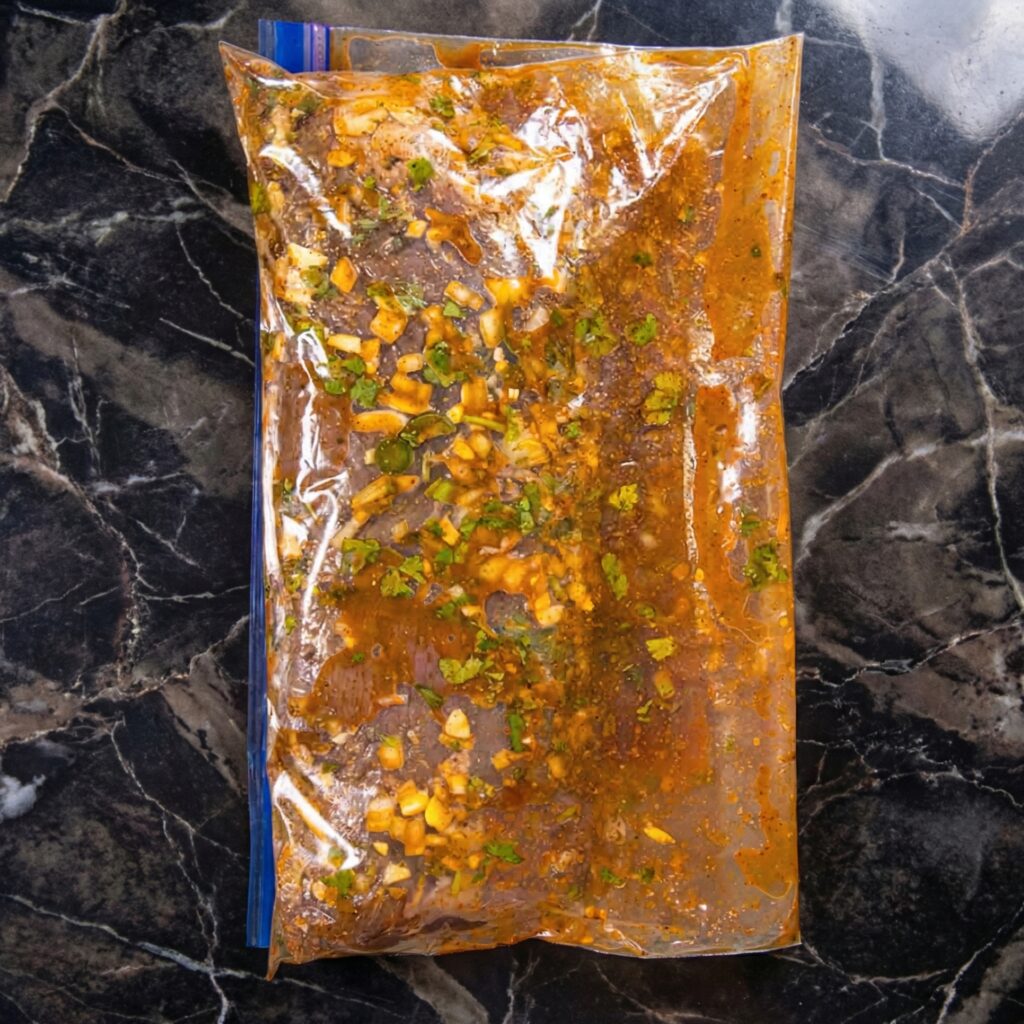
    Place the steak in a large resealable plastic bag or shallow dish. Pour the marinade over the meat, ensuring it is fully coated.

    Seal or cover and refrigerate for at least 2 hours, but ideally 4–8 hours for deeper flavor.

    Avoid marinating longer than 12 hours, as the citrus can begin to break down the meat too much and affect texture.


    Step 3: Bring the Meat to Room Temperature

    Remove the steak from the refrigerator about 30 minutes before cooking.

    Allowing the meat to come to room temperature promotes even cooking and a better sear.

    Meanwhile, preheat your grill to high heat (about 450–500°F).

    If using a stovetop, heat a cast iron skillet over high heat until very hot.


    Step 4: Grill the Carne Asada

    Remove the steak from the marinade and let any excess drip off. Discard the remaining marinade.

    Place the steak directly on the hot grill.

    Cook for 3–5 minutes per side, depending on thickness and desired doneness.

    Carne asada is best served medium-rare to medium for maximum tenderness.

    Avoid moving the steak too much—let it develop a deep, caramelized crust before flipping.


    Step 5: Rest the Steak

    Once cooked, transfer the steak to a cutting board and tent loosely with foil.

    Let it rest for 10 minutes. Resting allows the juices to redistribute throughout the meat, ensuring every slice is juicy and flavorful.

    Skipping this step can result in dry steak, as the juices will run out when cut too soon.


    Step 6: Slice Against the Grain

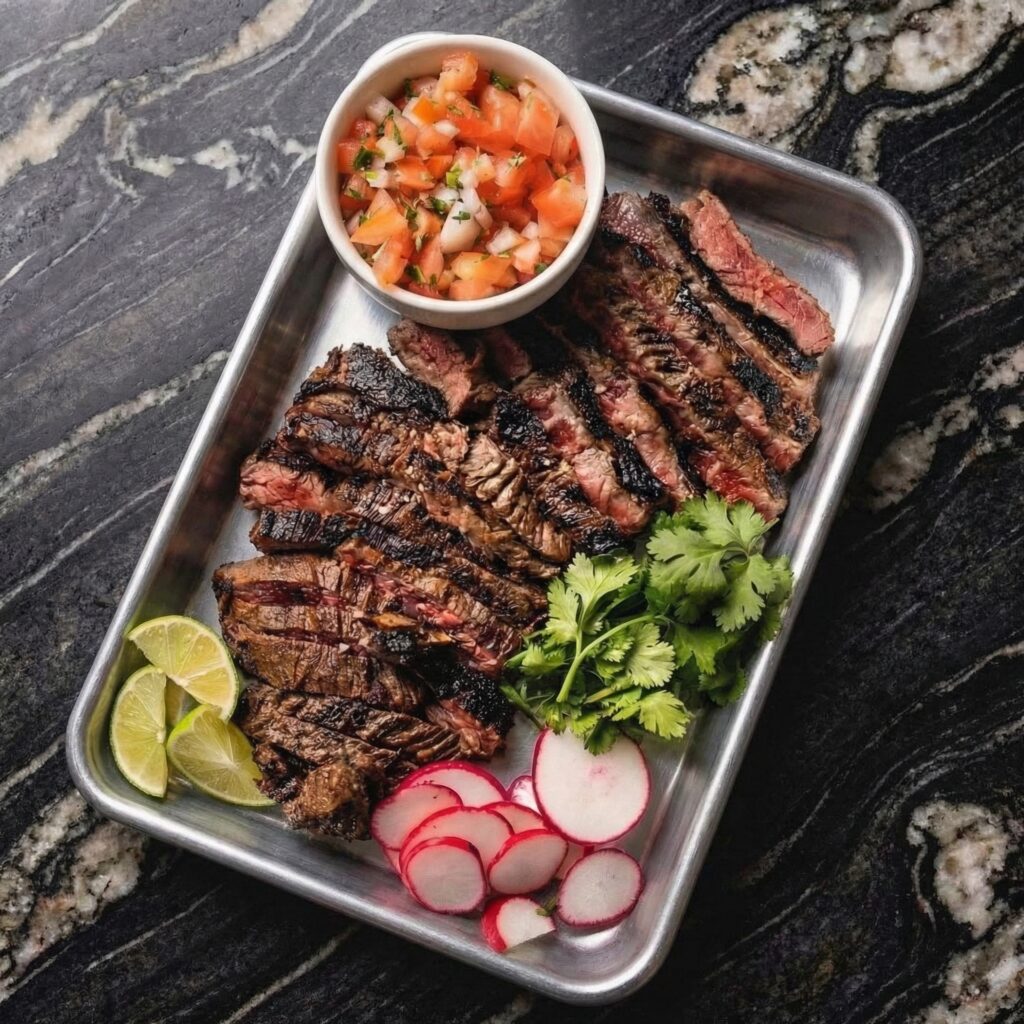
    This step is crucial. Identify the direction of the muscle fibers (the “grain”) and slice thinly across it.

    Cutting against the grain shortens the muscle fibers, making each bite significantly more tender.

    Use a sharp knife and slice at a slight angle for beautiful, restaurant-style pieces.


    Step 7: Serve and Enjoy

    Carne asada is incredibly versatile. Serve it:

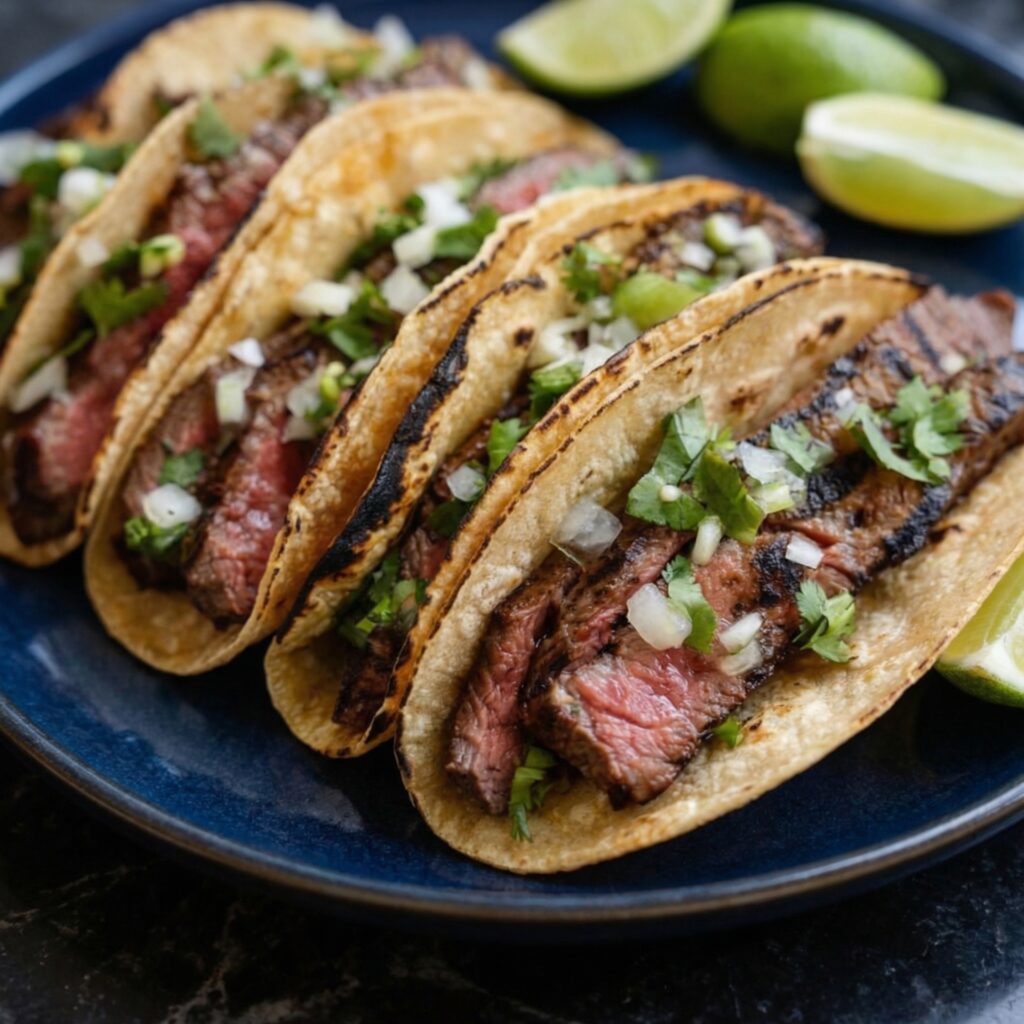
    • In warm tortillas topped with diced onion and cilantro
    • Over rice with black beans and grilled vegetables
    • On a salad with avocado and fresh lime dressing
    • Alongside grilled corn and salsa

    A squeeze of fresh lime over the top brightens everything beautifully.


    Pro Tips for Perfect Carne Asada

    • High heat is key. You want a quick sear that locks in juices.
    • Don’t overcook. Lean cuts can become tough if cooked past medium.
    • Marinate properly. Even a few hours makes a big difference in flavor.
    • Slice thinly. Thin slices enhance tenderness and texture.
    • Use charcoal if possible. It adds authentic smoky flavor.

    Flavor Variations

    Once you master the classic version, try these creative twists:

    • Smoky Chipotle: Add minced chipotle peppers in adobo sauce to the marinade.
    • Beer Marinade: Replace some orange juice with Mexican lager for depth.
    • Garlic Lover’s Version: Double the garlic for bold flavor.
    • Spicy Kick: Add crushed red pepper flakes or extra jalapeño.

    Make-Ahead and Storage

    Leftover carne asada can be stored in an airtight container in the refrigerator for up to 4 days. Reheat gently in a skillet over medium heat to prevent overcooking.

    It also freezes well for up to 2 months. Slice before freezing for easier portioning.


    Why This Recipe Works

    The magic of carne asada lies in balance. The citrus tenderizes while adding brightness. The garlic and spices provide warmth and depth. High-heat grilling locks in juices and creates irresistible charred edges.

    It’s simple, bold, and endlessly customizable—everything great grilling should be.


    Final Thoughts

    Carne asada is more than just grilled steak—it’s a celebration of bold flavors, vibrant ingredients, and the joy of cooking over fire. With a well-balanced marinade, high heat, and proper slicing technique, you can create a restaurant-quality dish right in your backyard or kitchen.

    Whether you’re hosting a summer cookout or craving taco night with serious flavor, this carne asada recipe will quickly become a favorite. Fire up the grill, gather your toppings, and enjoy every juicy, citrus-kissed bite.

  • Crunch Meets Heat: The Ultimate Spicy Tuna Crispy Rice at Home

    Crunch Meets Heat: The Ultimate Spicy Tuna Crispy Rice at Home

    If you’ve ever ordered Spicy Tuna Crispy Rice at a sushi bar, you know the magic: golden, crunchy rice squares topped with cool, creamy, spicy tuna and finished with a pop of jalapeño. It’s the perfect contrast of textures—crispy and tender, spicy and refreshing, rich yet balanced.

    The good news?

    You don’t need a restaurant kitchen to make it. With a few key techniques and fresh ingredients, you can recreate this crowd-pleasing appetizer right at home.

    Let’s break it down step by step so you can achieve that irresistible crunch and bold flavor.


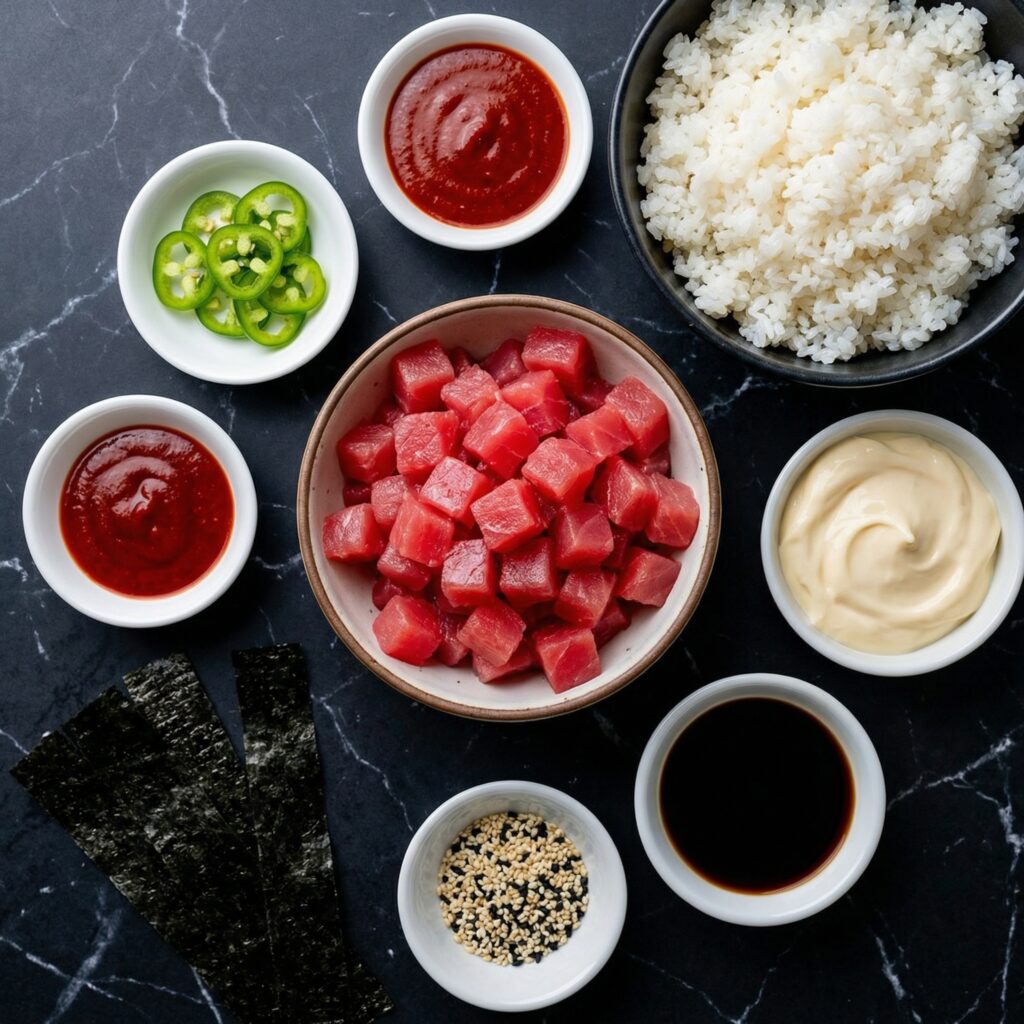
    Ingredients

    For the sushi rice:

    • 2 cups short-grain sushi rice
    • 2 ¼ cups water
    • 3 tablespoons rice vinegar
    • 1 tablespoon sugar
    • 1 teaspoon salt

    For frying:

    • Neutral oil (vegetable, canola, or avocado oil)

    For the spicy tuna:

    • 8 ounces sushi-grade ahi tuna, finely diced
    • 2–3 tablespoons mayonnaise (Japanese-style preferred)
    • 1–2 teaspoons sriracha (adjust to taste)
    • ½ teaspoon sesame oil
    • 1 teaspoon soy sauce
    • 1 green onion, finely sliced

    For garnish:

    • Thinly sliced jalapeño
    • Sesame seeds
    • Extra green onion
    • Drizzle of spicy mayo (optional)

    Step 1: Rinse the Rice

    Place the sushi rice in a bowl and rinse under cold water, gently swirling with your hand. Drain and repeat until the water runs mostly clear. This removes excess starch and ensures the rice isn’t gummy.

    Proper rinsing is essential for achieving distinct grains that hold together without becoming mushy.


    Step 2: Cook the Rice

    Combine the rinsed rice and water in a pot or rice cooker. If using the stovetop, bring to a boil, then reduce heat to low, cover, and simmer for 15 minutes. Remove from heat and let sit covered for another 10 minutes to steam.

    Avoid lifting the lid during cooking, as steam is crucial for perfect texture.


    Step 3: Season the Rice

    While the rice rests, combine rice vinegar, sugar, and salt in a small bowl. Stir until dissolved.

    Transfer the cooked rice to a large bowl. Gently fold in the vinegar mixture using a spatula, slicing and lifting the rice rather than stirring aggressively. This keeps the grains intact.

    Allow the rice to cool to room temperature.


    Step 4: Shape and Chill

    Line a baking dish (about 8×8 inches) with plastic wrap. Press the seasoned rice evenly into the dish, about ¾ to 1 inch thick. Use damp hands or the back of a spatula to press it firmly and evenly.

    Cover and refrigerate for at least 2 hours, or until fully chilled and firm. This step is key—cold rice holds its shape when frying.


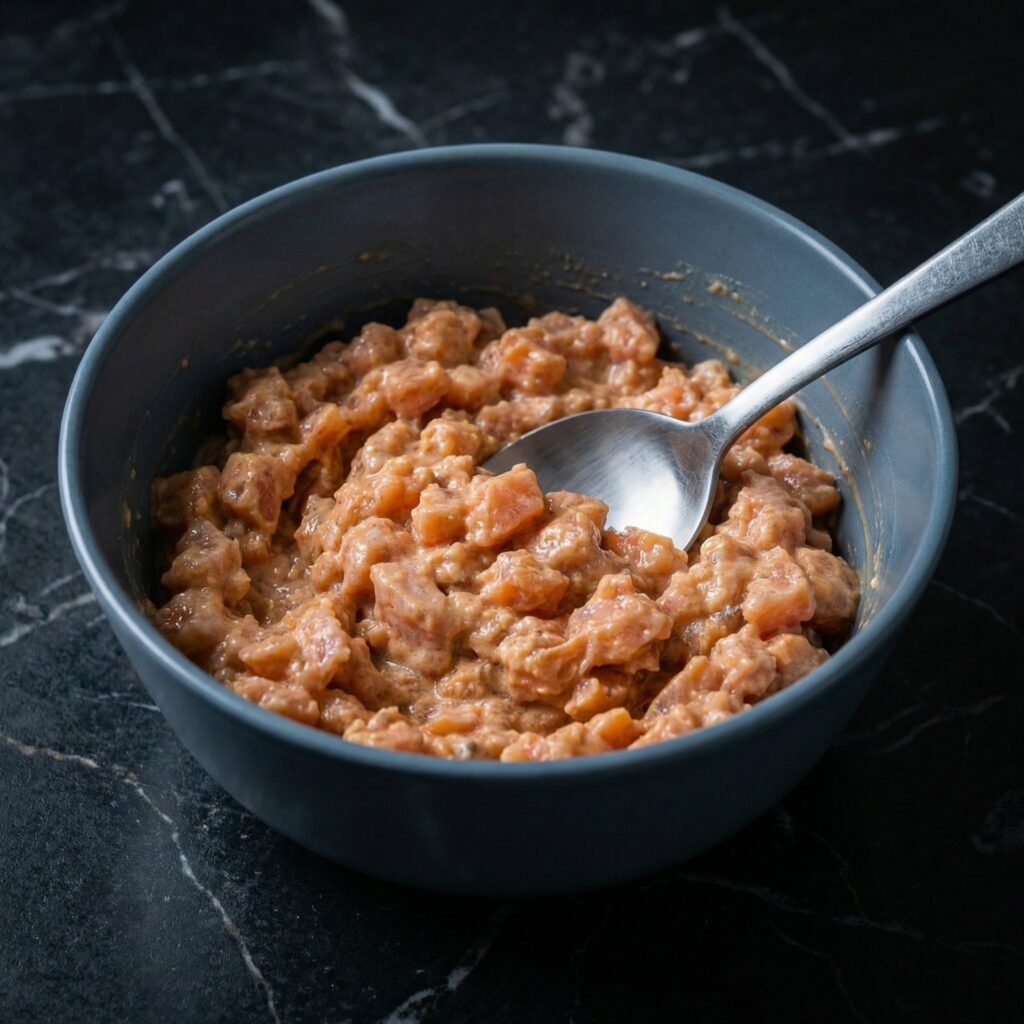
    Step 5: Prepare the Spicy Tuna

    In a mixing bowl, combine the finely diced sushi-grade tuna, mayonnaise, sriracha, sesame oil, soy sauce, and green onion.

    Stir gently to combine. Taste and adjust spice level as desired. Refrigerate the mixture until ready to use.

    Keeping the tuna chilled maintains freshness and food safety.


    Step 6: Cut the Rice

    Once the rice is firm, remove it from the pan using the plastic wrap. Place it on a cutting board.

    Using a sharp knife (wipe it clean between cuts), slice the rice into small rectangles or squares—about 2 by 1 inch each. Aim for uniform pieces to ensure even frying.


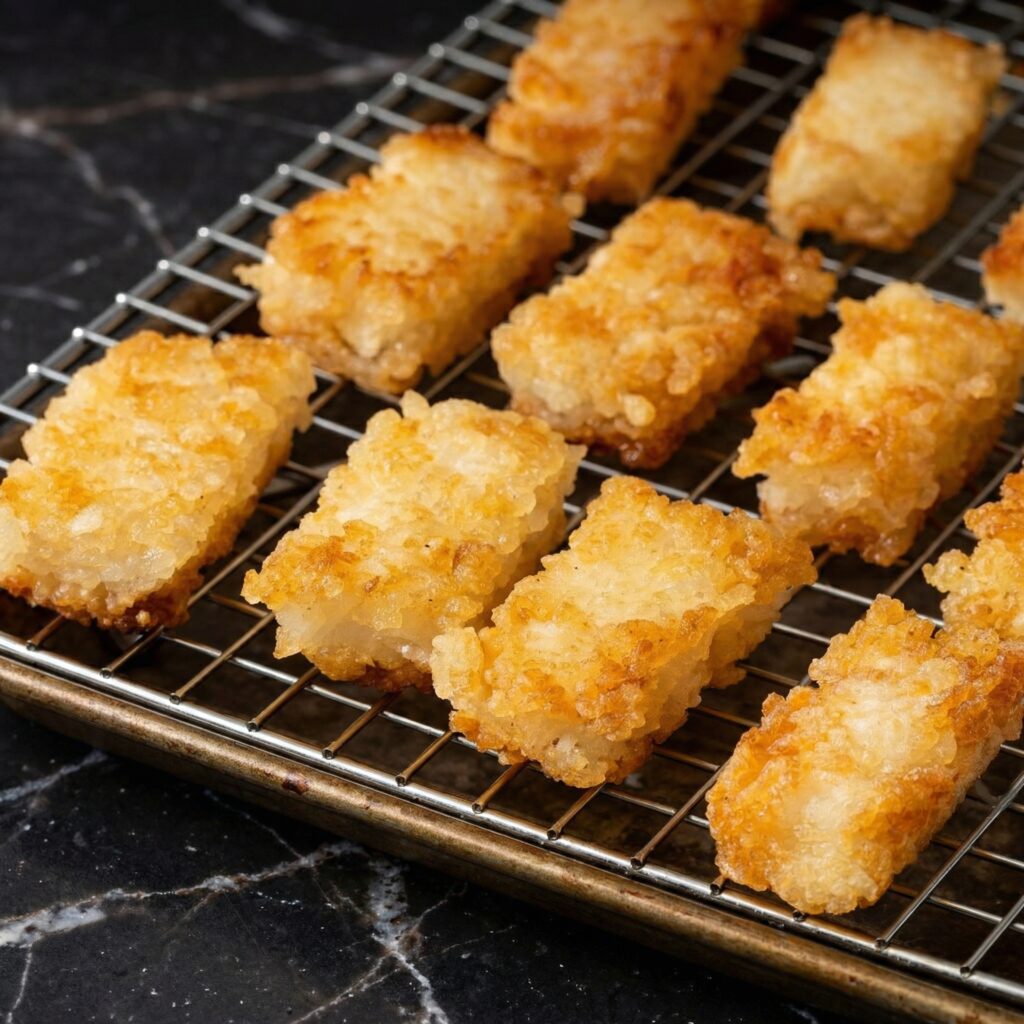
    Step 7: Fry the Rice

    Pour about ½ inch of neutral oil into a heavy skillet and heat over medium-high. The oil is ready when a small piece of rice sizzles immediately upon contact.

    Working in batches, carefully place the rice pieces into the hot oil. Fry for about 2–3 minutes per side until deeply golden and crispy.

    Use tongs or a spatula to flip gently. Once done, transfer to a paper towel-lined plate to drain excess oil.

    The exterior should be crisp and golden, while the inside remains tender.


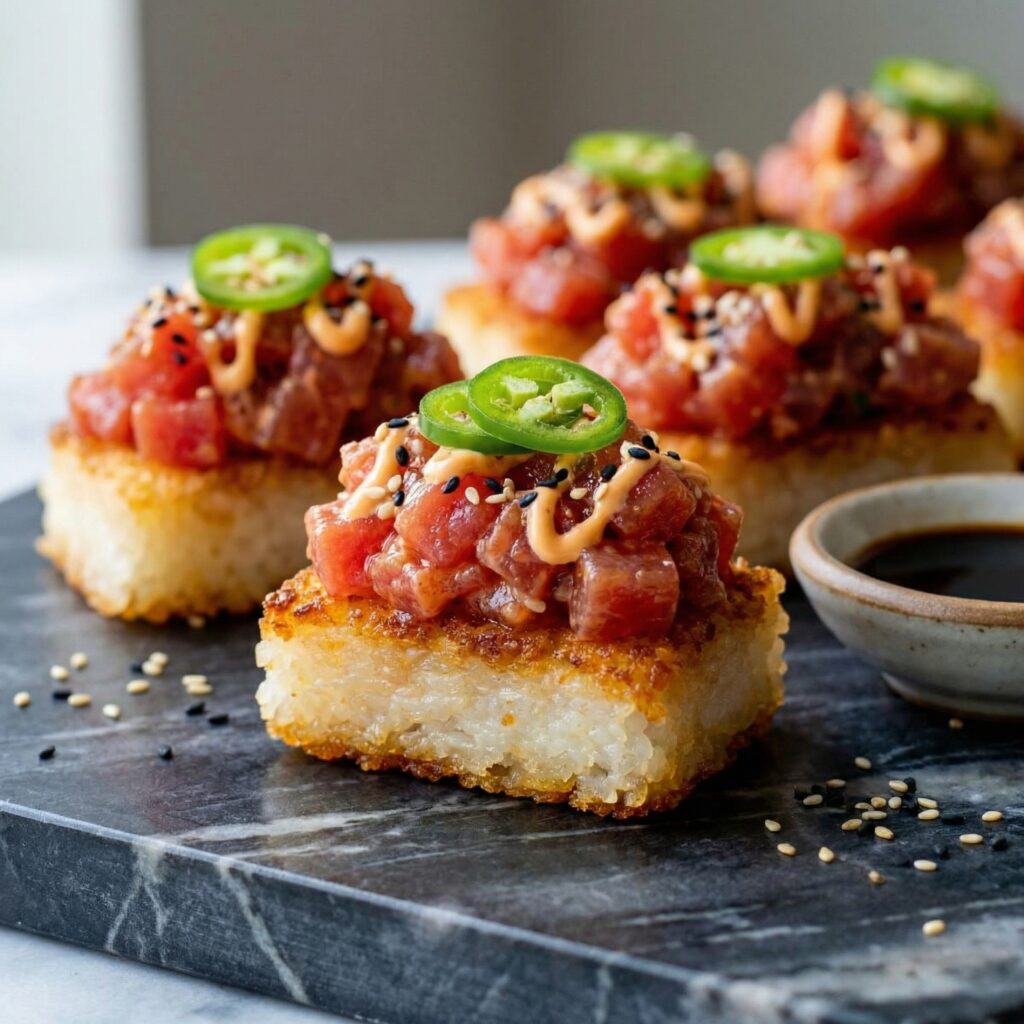
    Step 8: Assemble the Crispy Rice

    Allow the rice to cool slightly so it stays crisp but isn’t too hot.

    Top each crispy rice square with a generous spoonful of spicy tuna. Gently press the tuna onto the rice so it adheres.

    Add a thin slice of jalapeño on top, sprinkle with sesame seeds, and garnish with extra green onion if desired.

    For extra indulgence, drizzle with additional spicy mayo.


    Step 9: Serve Immediately

    Spicy Tuna Crispy Rice is best served fresh, while the rice is still crisp and warm. Arrange on a platter and serve as an appetizer or party bite.

    The contrast between warm, crunchy rice and cool, spicy tuna is what makes this dish unforgettable.


    Pro Tips for Success

    • Use sushi-grade tuna from a trusted source. Freshness is critical.
    • Chill the rice thoroughly before cutting to prevent crumbling.
    • Don’t overcrowd the pan when frying; this keeps the rice crisp.
    • Maintain oil temperature—too low and the rice absorbs oil; too high and it burns.

    Flavor Variations

    • Add finely diced avocado to the tuna mixture for extra creaminess.
    • Mix in a touch of chili oil for deeper heat.
    • Substitute spicy salmon for a twist.
    • Top with a small dollop of wasabi or a drizzle of eel sauce for added complexity.

    Why This Recipe Works

    Short-grain sushi rice provides the ideal sticky texture for shaping and frying. Pressing and chilling it creates a firm structure that crisps beautifully in hot oil. The spicy tuna mixture balances creamy, salty, and spicy notes, while jalapeño adds freshness and bite.

    Each element complements the others—crunch meets creaminess, heat meets coolness, and richness meets brightness.


    Spicy Tuna Crispy Rice is proof that texture can elevate a simple dish into something extraordinary.

    With a little preparation and attention to detail, you can recreate this sushi-bar favorite in your own kitchen.

    Whether for entertaining or indulging in a restaurant-style treat at home, this dish delivers bold flavor and irresistible crunch in every bite.