Category: Uncategorized

  • Pad See Ew Perfection: A Step-by-Step Guide to Thailand’s Irresistible Stir-Fried Noodles

    Pad See Ew Perfection: A Step-by-Step Guide to Thailand’s Irresistible Stir-Fried Noodles

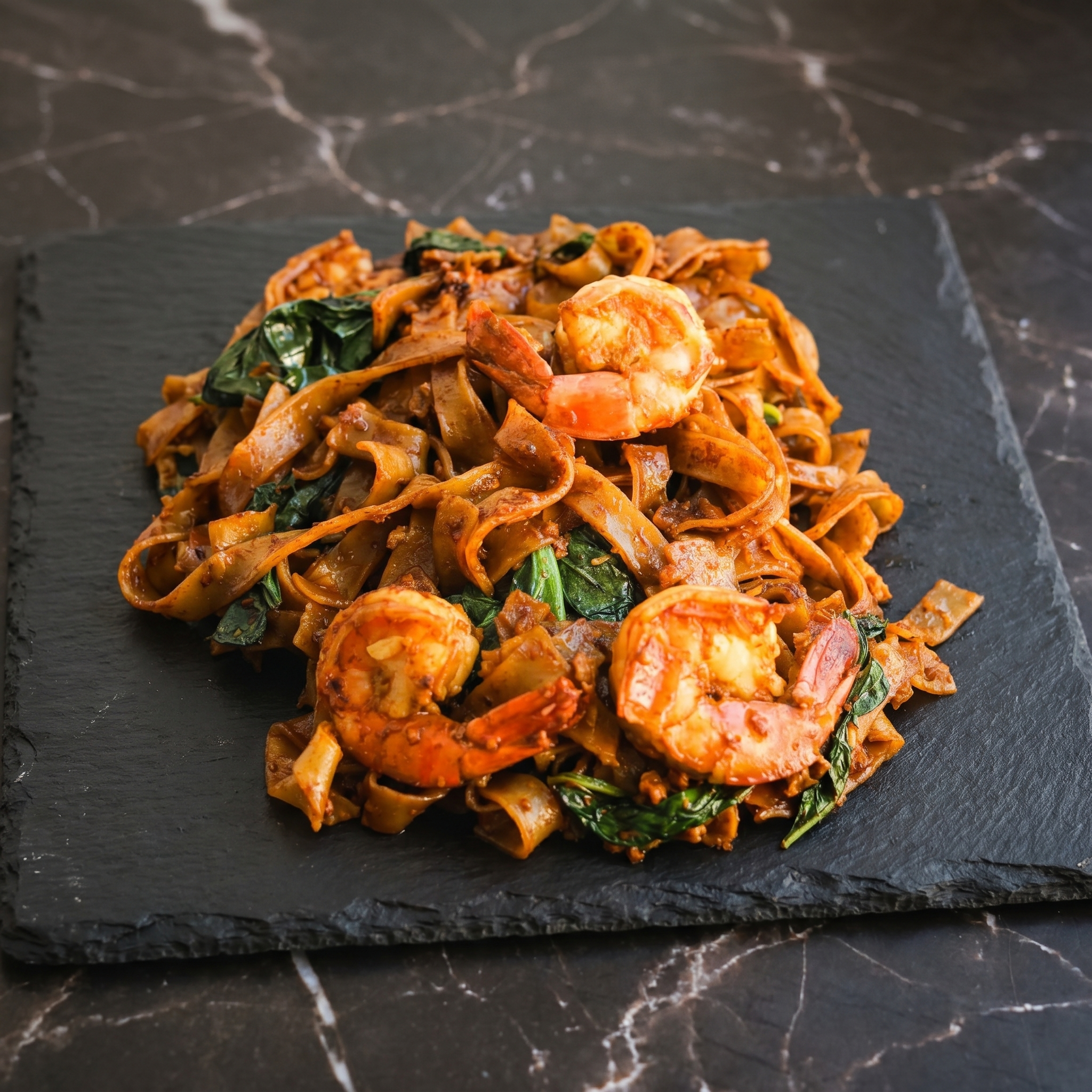
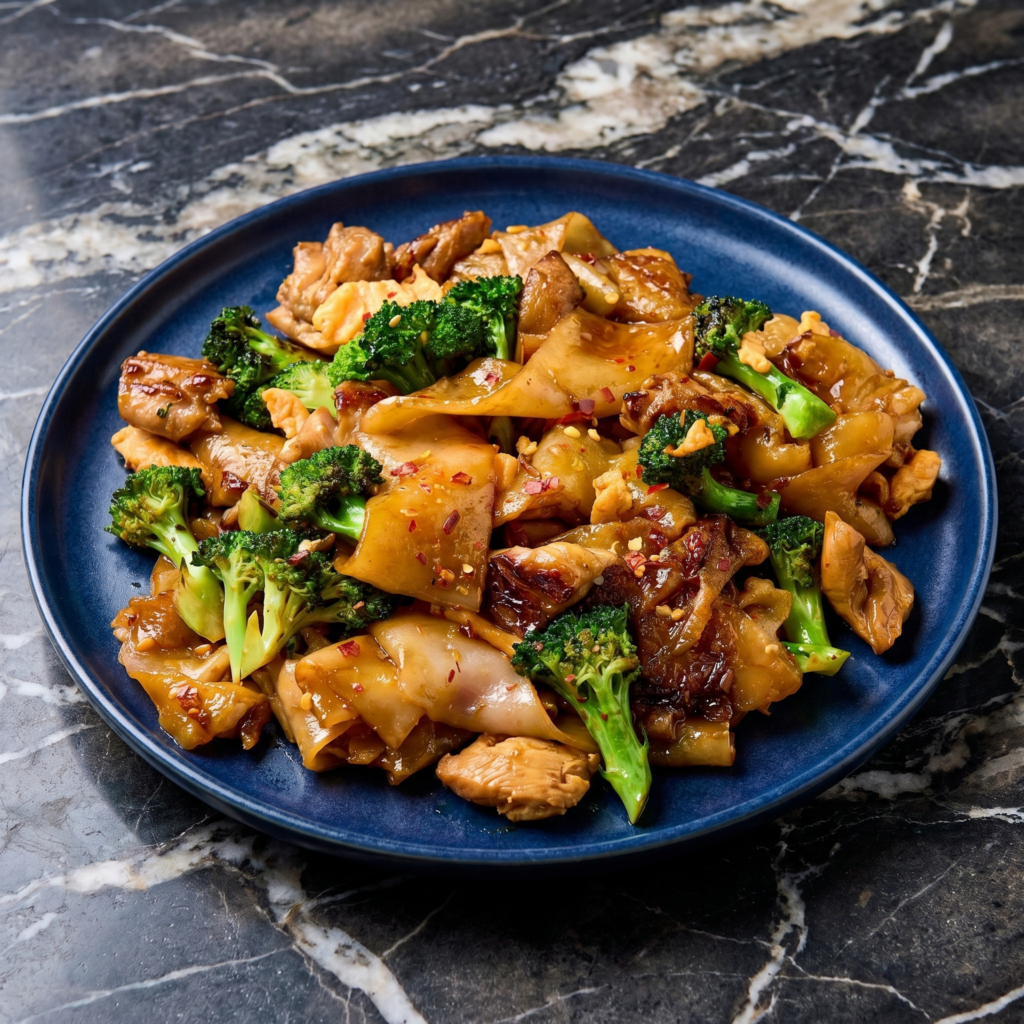
    If you’ve ever ordered Pad See Ew at a Thai restaurant and wondered how those glossy, smoky noodles come together so perfectly, you’re in the right place. This beloved street food classic is known for its wide rice noodles, savory-sweet soy sauce coating, tender protein, and slightly charred edges that deliver irresistible flavor in every bite.

    The good news? You don’t need a restaurant kitchen to make it. With the right technique and a hot pan, you can recreate that signature taste right at home.

    Let’s walk through it step by step.


    What Is Pad See Ew?

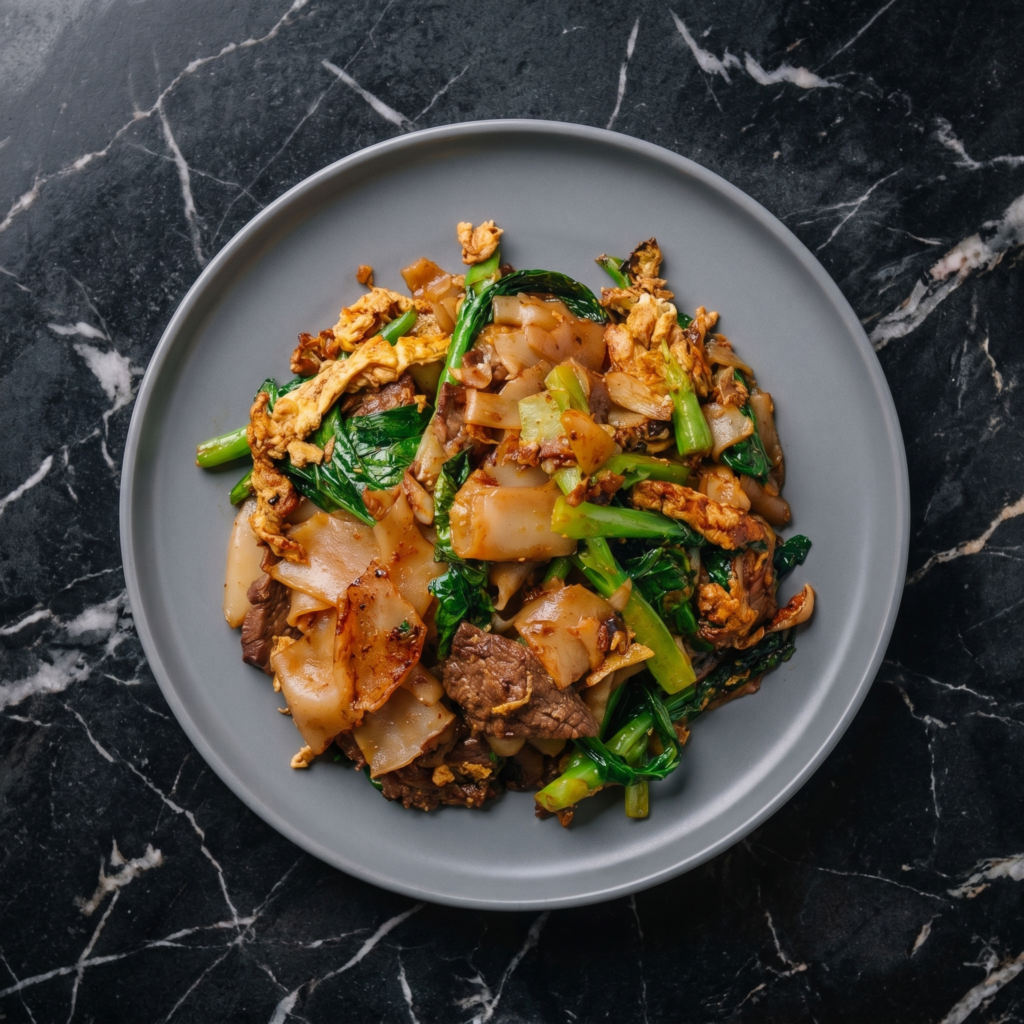
    Pad See Ew is a popular Thai stir-fried noodle dish made with wide rice noodles, dark soy sauce, Chinese broccoli (gai lan), egg, and a protein like chicken, beef, shrimp, or tofu. The name translates roughly to “stir-fried with soy sauce,” and that savory depth is exactly what defines the dish.

    Its flavor profile is savory, slightly sweet, and deeply umami, with subtle smokiness from high-heat cooking.


    Ingredients You’ll Need
    Here’s everything to prepare before you start cooking:

    For the sauce:

    • 2 tablespoons light soy sauce
    • 1 tablespoon dark soy sauce
    • 1 tablespoon oyster sauce
    • 1–2 teaspoons sugar
    • 1 teaspoon rice vinegar

    For the stir-fry:

    • 12 ounces fresh wide rice noodles (or dried, soaked until pliable)
    • 2 tablespoons neutral oil (like avocado or vegetable oil)
    • 8 ounces chicken breast (thinly sliced), or your preferred protein
    • 2 cloves garlic, minced
    • 2 large eggs
    • 2 cups Chinese broccoli (gai lan), chopped into bite-sized pieces
    • Freshly ground white or black pepper

    Step 1: Prepare Everything First

    Pad See Ew cooks quickly, so have all ingredients measured and ready before turning on the heat.

    If using dried rice noodles, soak them in warm water for about 30 minutes until pliable but not mushy. Drain well.

    Mix all sauce ingredients together in a small bowl and set aside. This ensures even distribution once it hits the pan.

    Slice your protein thinly against the grain. Chop the Chinese broccoli, separating thick stems from leafy tops—they cook at different speeds.


    Step 2: Heat the Pan Properly

    Place a large wok or heavy skillet over high heat. Let it heat for at least 1–2 minutes before adding oil. High heat is essential for achieving that signature smoky flavor, often called “wok hei.”

    Add 1 tablespoon of oil and swirl to coat the pan.


    Step 3: Cook the Protein

    Add the sliced chicken (or chosen protein) in a single layer. Let it sear undisturbed for about 30 seconds to develop color.

    Stir-fry for 2–3 minutes until cooked through. Remove from the pan and set aside.

    Cooking the protein separately prevents overcrowding and keeps it tender.


    Step 4: Sauté the Garlic and Vegetables

    Add another tablespoon of oil if needed. Toss in the minced garlic and stir quickly—about 10 seconds—just until fragrant.

    Add the chopped Chinese broccoli stems first. Stir-fry for about 1 minute before adding the leafy parts. Continue cooking for another minute until bright green and slightly tender but still crisp.

    Push everything to one side of the pan.


    Step 5: Scramble the Eggs

    Crack the eggs into the empty side of the pan. Let them sit for a few seconds, then scramble gently.

    Once mostly cooked but still slightly soft, mix them with the vegetables.

    This layering method keeps textures distinct and prevents overcooking.


    Step 6: Add the Noodles

    Increase heat back to high. Add the rice noodles to the pan.

    If using fresh noodles that are stuck together, gently separate them with your hands before adding. Handle carefully—they can tear easily.

    Spread the noodles out and let them sit for 20–30 seconds without stirring. This allows slight caramelization and char.


    Step 7: Add Sauce and Combine

    Pour the prepared sauce evenly over the noodles.

    Using tongs or a spatula, gently toss everything together. Try to lift and fold rather than aggressively stir to keep noodles intact.

    Let sections of the noodles sit briefly against the hot surface to develop light charring. This step gives the dish its authentic depth.

    Return the cooked protein to the pan and toss until fully combined and heated through.


    Step 8: Final Seasoning

    Taste and adjust if needed. Add a pinch more sugar if it needs balance or a splash of soy sauce for saltiness.

    Finish with freshly ground white or black pepper for subtle heat.

    Turn off the heat immediately once everything is coated and glossy.


    Tips for Authentic Flavor

    Use dark soy sauce. It provides color and mild sweetness without overpowering saltiness.

    Cook on high heat. Proper heat creates the slightly smoky character that defines Pad See Ew.

    Don’t overcrowd the pan. If doubling the recipe, cook in batches.

    Avoid over-saucing. The noodles should be coated, not swimming.


    Make It Your Own

    Pad See Ew is flexible and easy to customize:

    • Swap chicken for thinly sliced beef or shrimp.
    • Use tofu for a vegetarian option.
    • Add mushrooms for extra umami.
    • Sprinkle chili flakes for heat.

    You can also serve it with a wedge of lime or a dash of chili vinegar for brightness.


    Storage and Reheating

    Pad See Ew is best enjoyed fresh, but leftovers can be stored in an airtight container in the refrigerator for up to 3 days.

    Reheat in a hot skillet with a small splash of water to loosen the noodles. Avoid microwaving too long, as it can make them rubbery.


    Final Thoughts

    Making Pad See Ew at home is easier than you might think. With a handful of pantry staples and the right high-heat technique, you can recreate that restaurant-quality flavor in under 30 minutes.

    Savory, slightly sweet, and satisfyingly smoky, this Thai classic proves that simple ingredients—treated with care—can create bold, unforgettable meals.

    Heat up your wok, embrace the sizzle, and enjoy every glossy, flavorful bite.
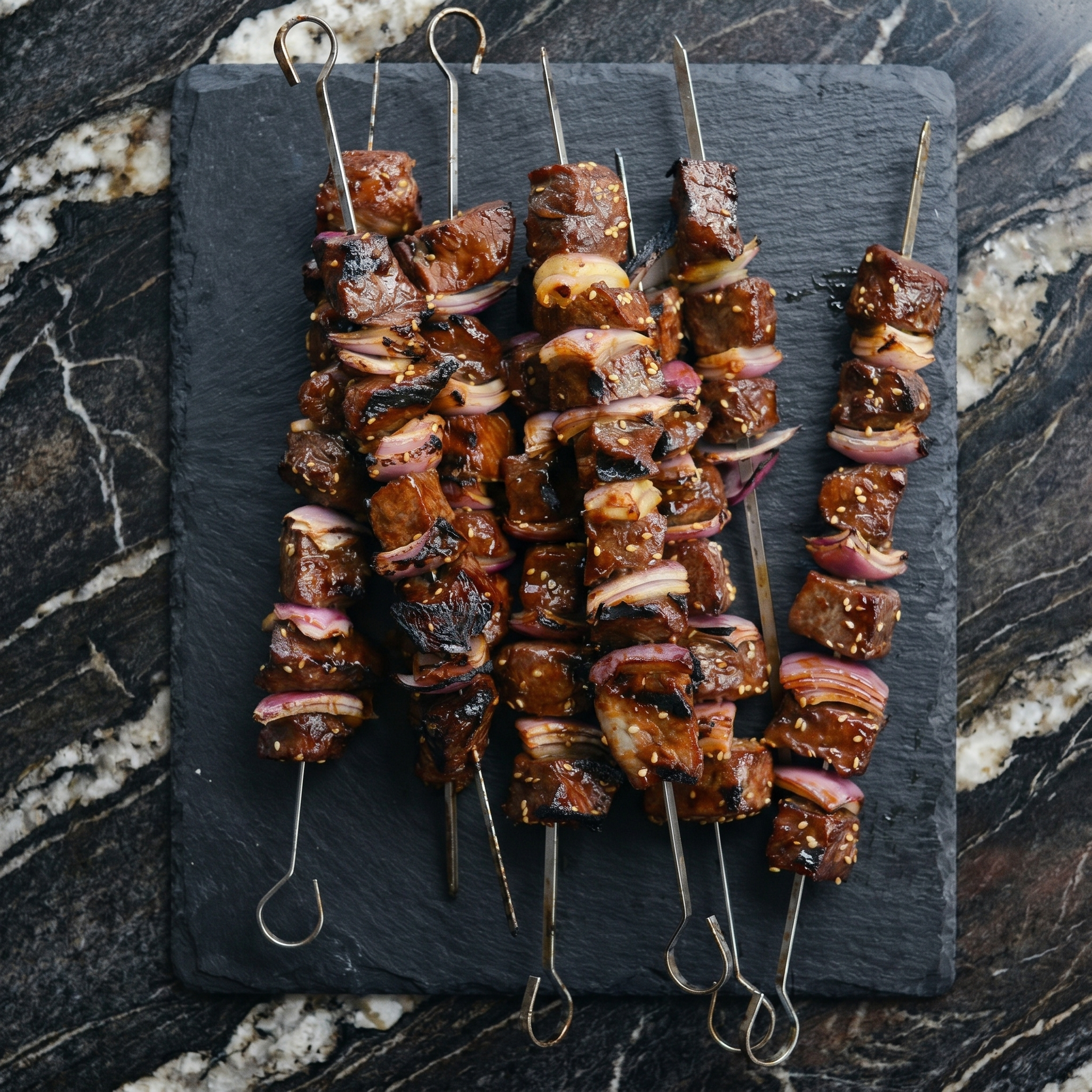
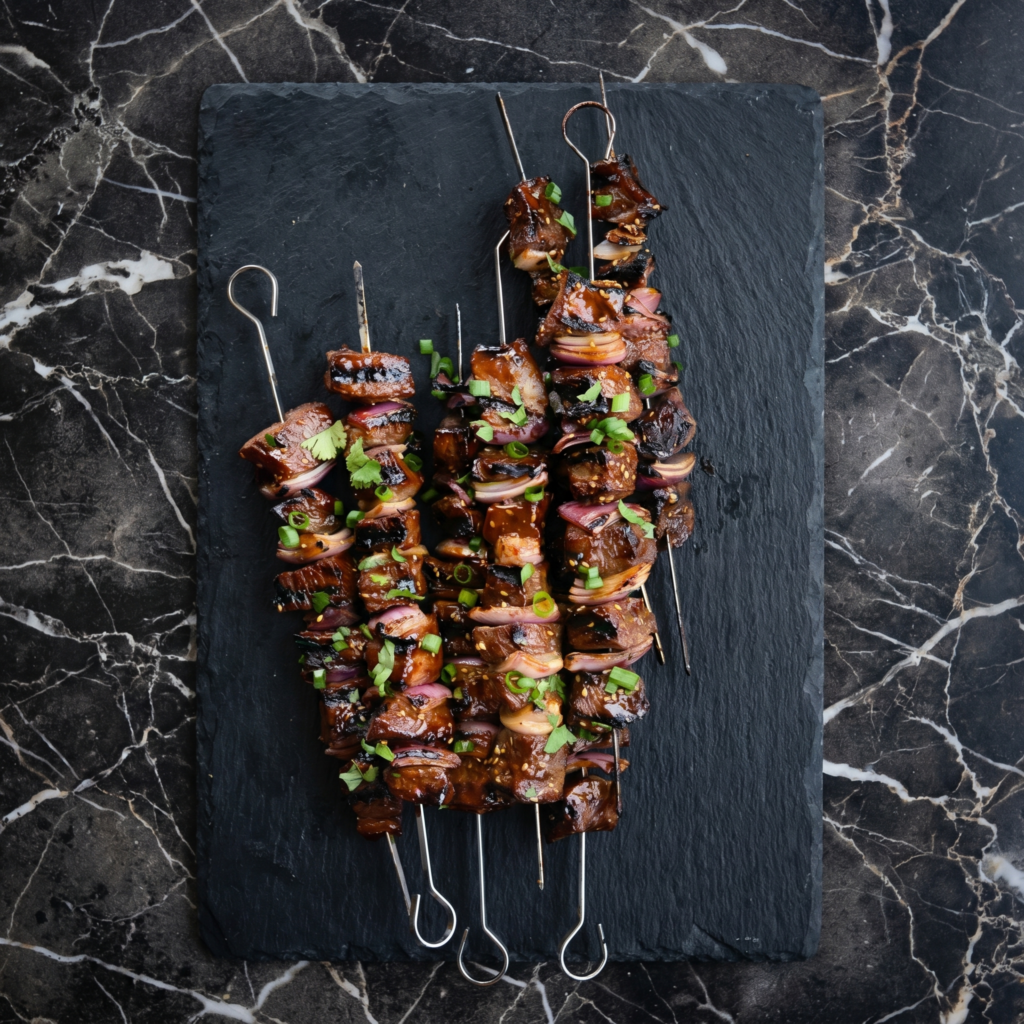
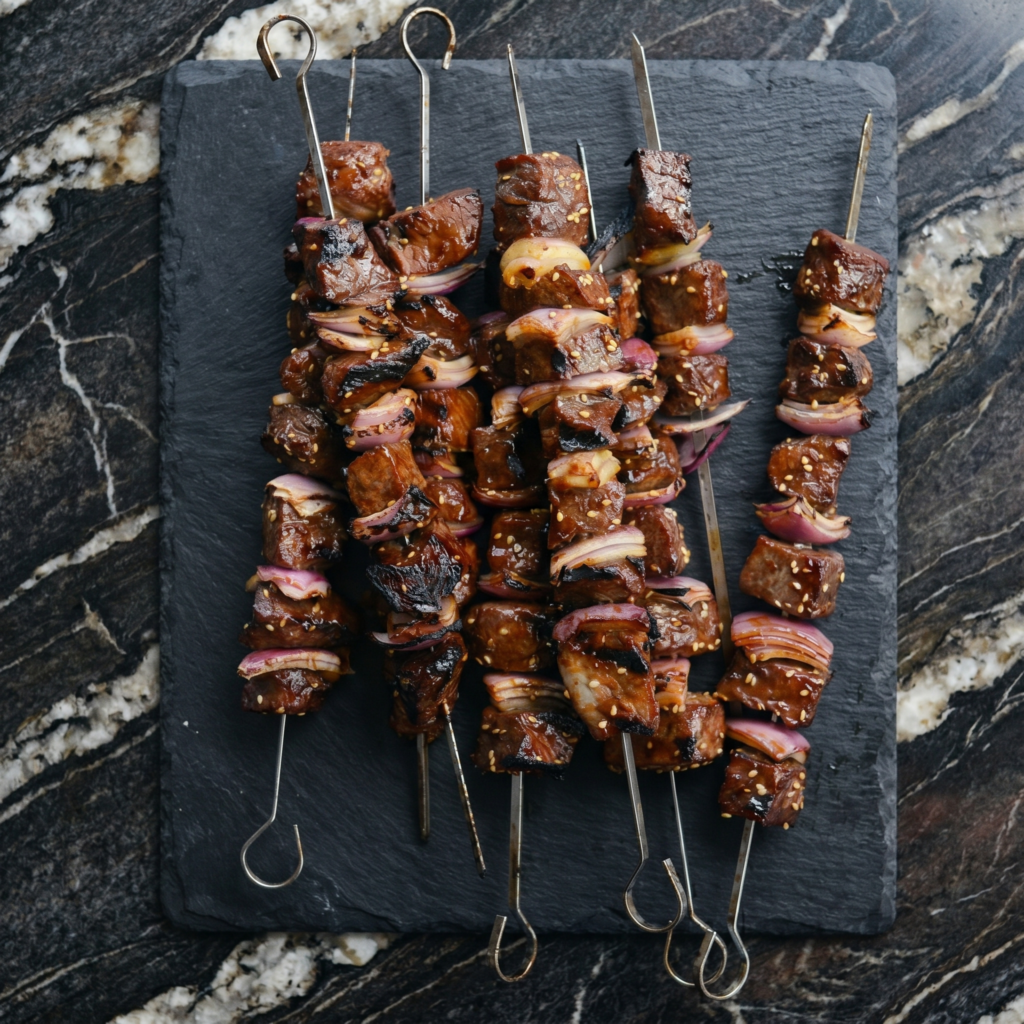
  • Sweet, Savory & Sizzling: Irresistible Sticky Soy Steak Skewers

    Sweet, Savory & Sizzling: Irresistible Sticky Soy Steak Skewers

    If you’re looking for a bold, crowd-pleasing dish that’s packed with flavor and easy enough for weeknights, these Sticky Soy Steak Skewers are exactly what you need. Tender cubes of steak are marinated in a sweet and savory soy glaze, threaded onto skewers, and grilled until caramelized and slightly charred. The result? Juicy, flavorful bites with a glossy, sticky finish that’s completely addictive.

    Perfect for backyard barbecues, casual dinners, or even meal prep, these skewers deliver maximum flavor with minimal effort. Let’s walk step by step through how to make them perfectly every time.


    Ingredients

    For the steak:

    • 1 ½ pounds sirloin, flank steak, or ribeye, cut into 1 ½-inch cubes
    • Salt and freshly ground black pepper

    For the sticky soy marinade:

    • ⅓ cup soy sauce
    • 2 tablespoons brown sugar
    • 1 tablespoon honey
    • 1 tablespoon rice vinegar
    • 1 tablespoon sesame oil
    • 3 cloves garlic, minced
    • 1 teaspoon freshly grated ginger
    • ½ teaspoon red pepper flakes (optional)

    For garnish:

    • Sesame seeds
    • Sliced green onions
    • Lime wedges (optional)

    Additional:

    • Wooden or metal skewers
    • Neutral oil for brushing

    Step 1: Prep the Steak

    Start by trimming any excess fat from the steak. Cut it into evenly sized cubes—about 1 ½ inches each. Uniform pieces ensure even cooking.

    Pat the steak dry with paper towels and lightly season with salt and freshly ground black pepper. Since soy sauce is salty, don’t over-season at this stage.


    Step 2: Make the Marinade

    In a medium bowl, whisk together soy sauce, brown sugar, honey, rice vinegar, sesame oil, garlic, ginger, and red pepper flakes. Stir until the sugar dissolves completely.

    This marinade strikes the perfect balance between salty, sweet, tangy, and aromatic. The honey and brown sugar will help create that beautiful sticky glaze once the skewers hit the heat.


    Step 3: Marinate the Steak

    Place the steak cubes in a zip-top bag or shallow dish. Pour the marinade over the steak, ensuring all pieces are well coated.

    Cover and refrigerate for at least 30 minutes, ideally 2–4 hours. The longer it marinates, the deeper the flavor. Avoid marinating overnight if using very tender cuts like ribeye, as the acidity can slightly change the texture.


    Step 4: Prepare the Skewers

    If using wooden skewers, soak them in water for at least 30 minutes to prevent burning. Metal skewers don’t require soaking.

    Thread the marinated steak cubes onto the skewers, leaving a little space between each piece. This allows heat to circulate evenly and promotes better caramelization.


    Step 5: Preheat the Grill or Pan

    Preheat your grill to medium-high heat (about 400°F / 200°C). If cooking indoors, heat a grill pan or cast-iron skillet over medium-high heat.

    Lightly brush the grates or pan with neutral oil to prevent sticking.


    Step 6: Grill the Skewers

    Place the skewers on the hot grill. Cook for about 2–3 minutes per side, rotating to ensure even cooking and grill marks on all sides.

    For medium-rare steak, aim for an internal temperature of about 130–135°F. For medium, cook to 140–145°F. Avoid overcooking, as the steak can become tough.

    As the sugars in the marinade heat up, they’ll caramelize, forming that signature sticky glaze. Watch carefully to prevent burning.


    Step 7: Create the Extra Glaze (Optional but Recommended)

    If you’d like extra stickiness, reserve a small portion of marinade before adding it to the raw steak. Simmer this reserved marinade in a small saucepan for 3–5 minutes until slightly thickened.

    Brush the cooked skewers with this glaze just before removing them from the grill for an extra glossy finish.


    Step 8: Rest the Steak

    Remove the skewers from heat and let them rest for 5 minutes. Resting allows the juices to redistribute throughout the meat, keeping each bite tender and juicy.


    Step 9: Garnish and Serve

    Sprinkle sesame seeds and sliced green onions over the skewers. Serve with lime wedges for a bright citrus finish if desired.

    These skewers pair beautifully with:

    • Steamed jasmine rice
    • Fried rice
    • Grilled vegetables
    • Fresh cucumber salad
    • Noodles with sesame dressing

    Pro Tips for Perfect Sticky Soy Steak Skewers

    • Choose the right cut: Sirloin and flank steak are flavorful and hold up well to grilling.
    • Don’t overcrowd skewers: Leave slight gaps for even cooking.
    • High heat is key: It creates caramelization without overcooking the interior.
    • Rest before serving: This prevents juices from spilling out.
    • Monitor closely: Sugars in the marinade can burn quickly.

    Why This Recipe Works

    The magic lies in the marinade. Soy sauce provides umami depth, brown sugar and honey add sweetness and caramelization, rice vinegar balances with acidity, and garlic and ginger create aromatic complexity.

    Grilling at high heat locks in juices while forming a lightly charred crust. The result is steak that’s tender inside, slightly crisp outside, and coated in a glossy, flavorful glaze.


    Variations to Try

    • Spicy Kick: Add a tablespoon of chili paste for extra heat.
    • Teriyaki Twist: Substitute rice vinegar with mirin for a sweeter profile.
    • Garlic Lover’s Version: Double the garlic for bold flavor.
    • Vegetable Skewers: Add bell peppers, onions, or mushrooms between steak pieces.

    Storage and Reheating

    Leftover skewers can be stored in an airtight container in the refrigerator for up to 3 days. Reheat gently in a skillet over medium heat to avoid overcooking.

    They also make fantastic leftovers sliced over salads or tucked into wraps.


    Final Thoughts

    Sticky Soy Steak Skewers combine simplicity with bold flavor, making them perfect for everything from casual weeknight dinners to festive gatherings. With a balanced marinade, high-heat grilling, and a glossy finish, these skewers are guaranteed to impress.

    Once you try them, they’ll quickly become a staple in your cooking rotation—sweet, savory, and irresistibly sticky in every bite.

  • Golden, Nook-and-Cranny Perfection: How to Make Homemade Sourdough English Muffins

    Golden, Nook-and-Cranny Perfection: How to Make Homemade Sourdough English Muffins

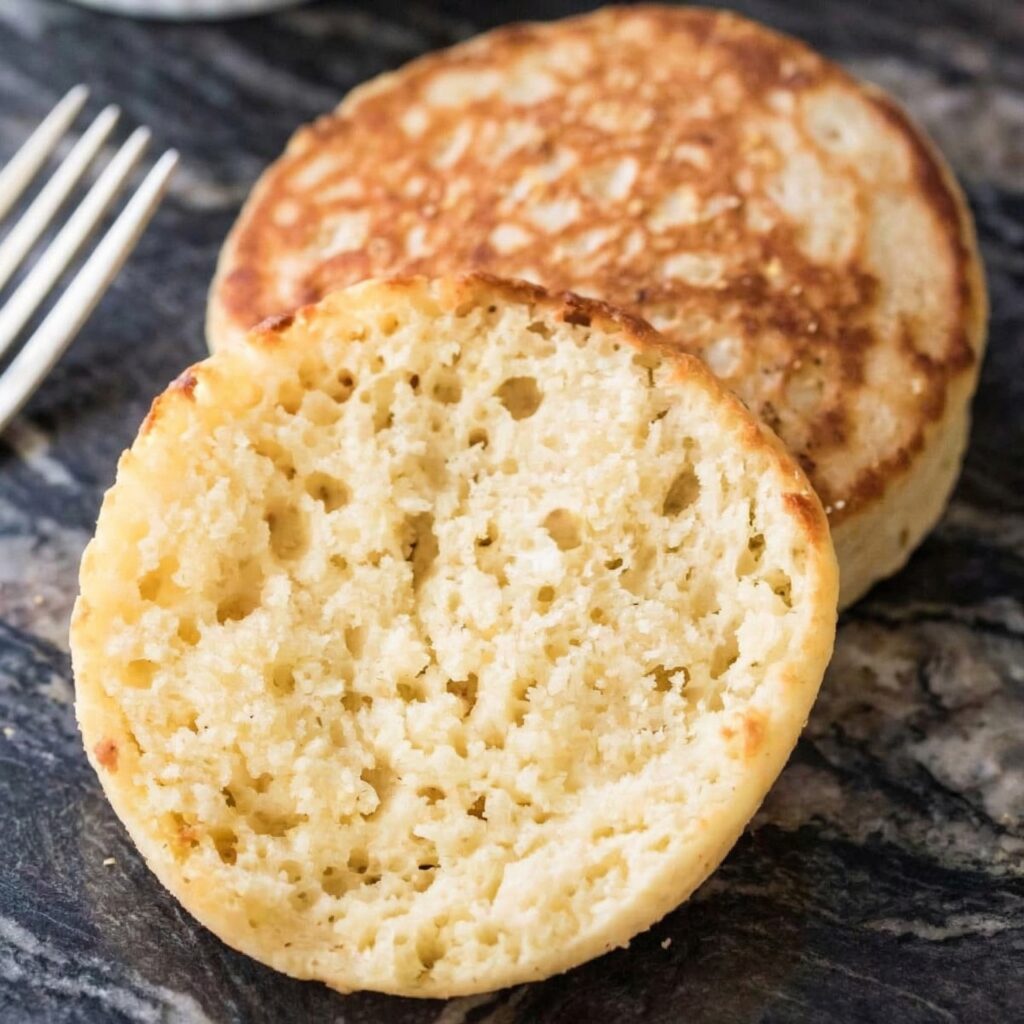
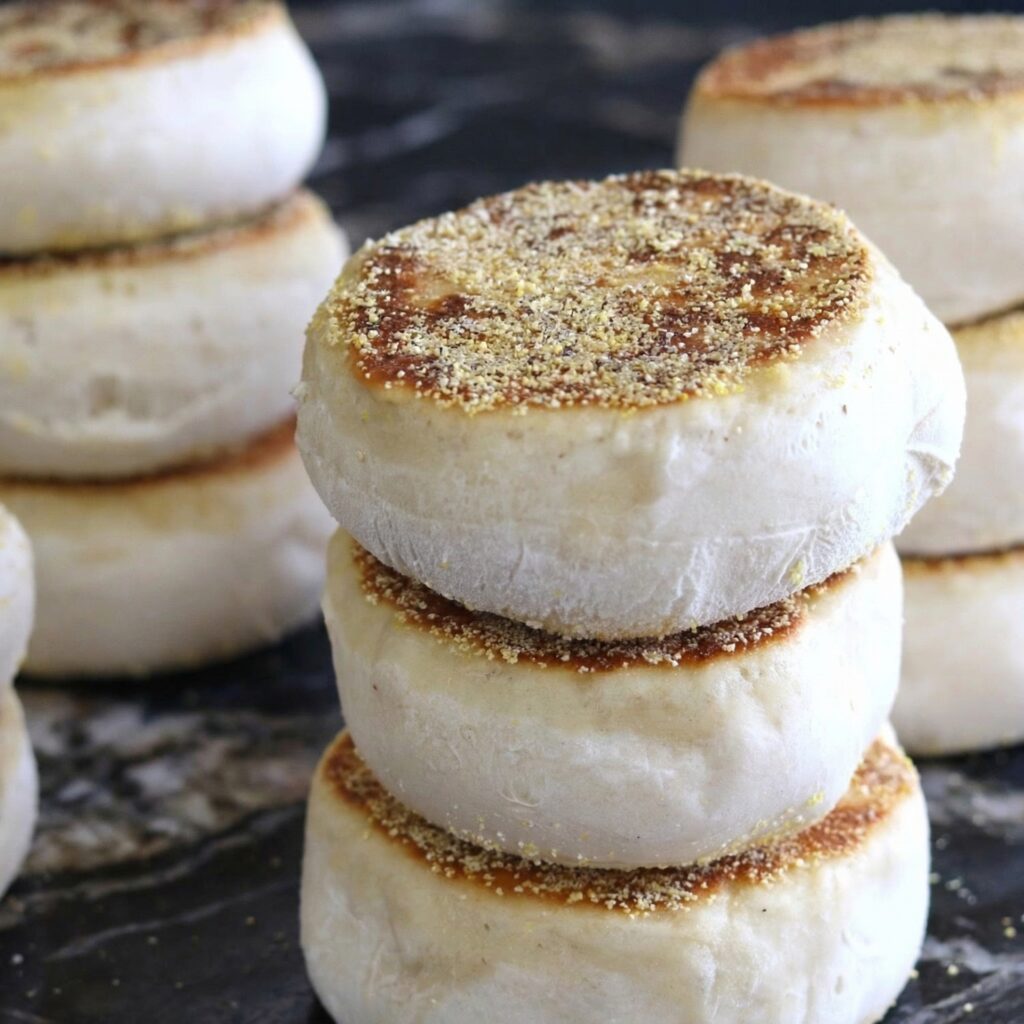
    Few breakfast foods are as satisfying as a warm English muffin fresh from the skillet. With their crisp golden exterior and soft interior full of signature “nooks and crannies,” English muffins are perfect for butter, jam, eggs, or even a classic breakfast sandwich.

    Making them with sourdough starter elevates the flavor even further, adding a subtle tang and a deeper, more complex taste.

    Unlike many breads, English muffins are not baked in the oven. Instead, they are cooked on a griddle or skillet, which creates their signature texture and lightly toasted crust.

    While they may seem like a bakery specialty, they are actually simple to prepare at home with a little patience and a good sourdough starter.

    In this guide, you’ll learn exactly how to make soft, flavorful sourdough English muffins step by step, from mixing the dough to cooking them to golden perfection.


    Why Use Sourdough?

    Sourdough adds several benefits to English muffins.

    First, it provides a gentle tang that balances beautifully with the richness of butter or sweet toppings. Second, the fermentation improves the dough’s texture, helping create the airy pockets that make English muffins so unique. Finally, it’s a great way to use up extra sourdough starter or discard.

    The result is a homemade breakfast bread that tastes far better than most store-bought versions.


    Ingredients

    To make about 8–10 sourdough English muffins, you will need:

    • 1 cup active sourdough starter
    • 1 cup warm milk
    • 2 cups all-purpose flour
    • 1 tablespoon sugar or honey
    • 1 teaspoon salt
    • 1 tablespoon softened butter
    • ½ teaspoon baking soda
    • Cornmeal for dusting

    These simple pantry ingredients come together to create a soft, slightly tangy dough that cooks beautifully on the stovetop.


    Step 1: Mix the Dough

    In a large mixing bowl, combine the sourdough starter, warm milk, and sugar or honey. Stir until the mixture is smooth.

    Next, add the flour, salt, and softened butter. Mix everything together until a soft dough forms. The dough should feel slightly sticky but manageable.

    If the dough seems too wet, add a tablespoon of flour at a time until it holds together.


    Step 2: Knead the Dough

    Transfer the dough to a lightly floured surface and knead it for about 5–7 minutes.

    Kneading helps develop gluten, which gives the muffins structure and helps them rise properly.

    The finished dough should be soft, smooth, and slightly elastic.


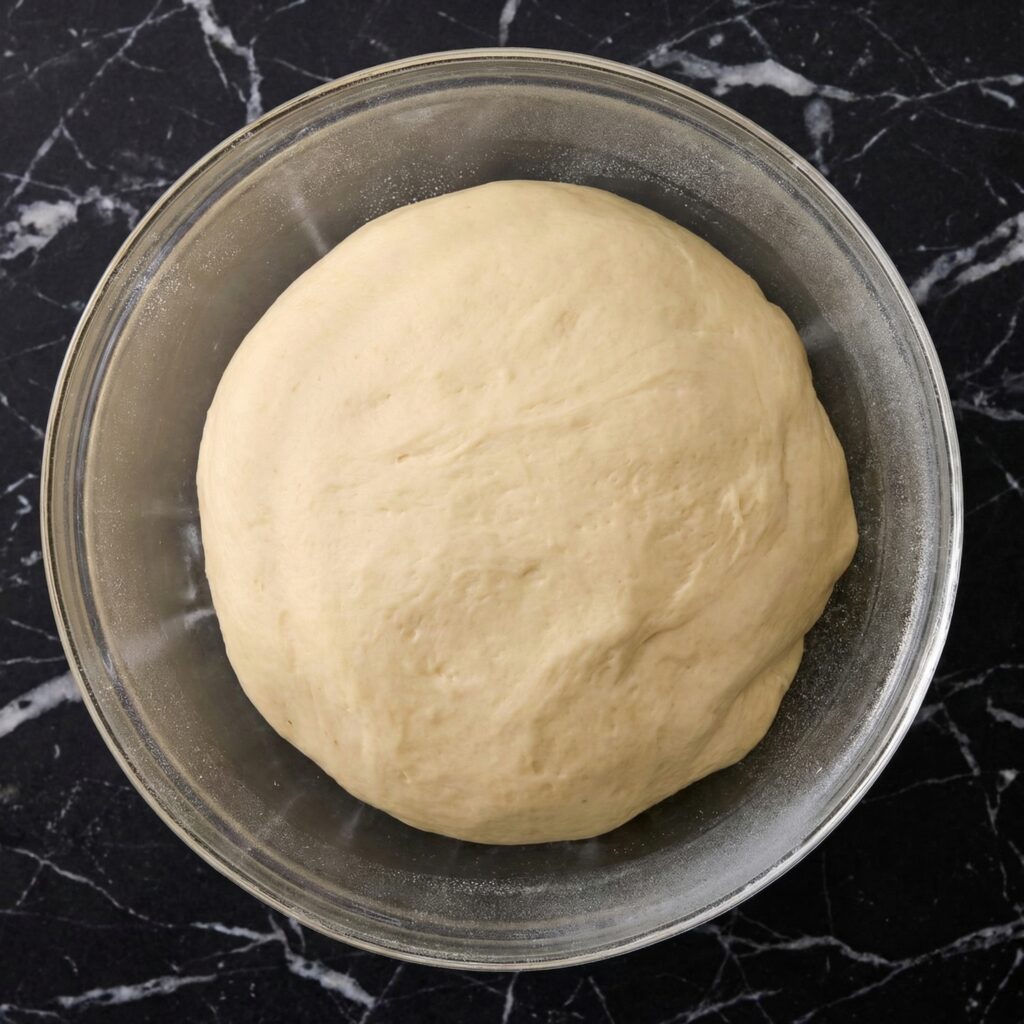
    Step 3: First Rise

    Place the kneaded dough into a lightly greased bowl.

    Cover it with plastic wrap or a clean kitchen towel and let it rise at room temperature for 4–6 hours, or until it doubles in size.

    Because sourdough rises more slowly than yeast-based dough, patience is key. This slow fermentation is what develops the rich flavor.


    Step 4: Add the Baking Soda

    Once the dough has risen, gently press it down to release excess air.

    Sprinkle the baking soda over the dough and knead lightly for a minute or two to incorporate it evenly.

    The baking soda reacts with the sourdough’s natural acidity and gives the muffins an extra lift during cooking.


    Step 5: Roll Out the Dough

    Turn the dough onto a lightly floured surface.

    Use a rolling pin to roll it out to about ½ inch thick.

    This thickness ensures the muffins cook evenly while developing their signature interior texture.


    Step 6: Cut the Muffins

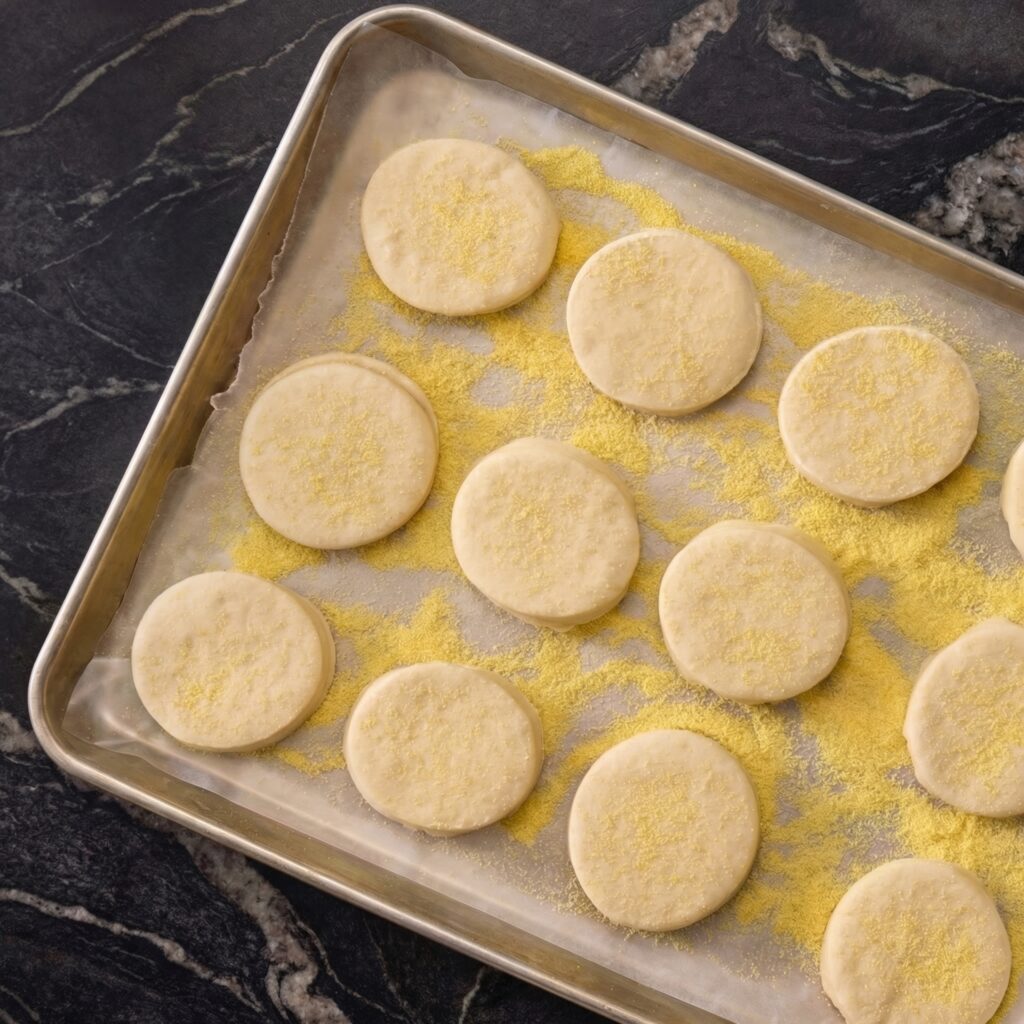
    Using a round cutter, biscuit cutter, or drinking glass, cut circles from the dough.

    Place the cut rounds onto a baking sheet that has been generously dusted with cornmeal.

    The cornmeal prevents sticking and gives English muffins their classic slightly crunchy base.

    Gather any leftover dough scraps, reroll them, and cut additional muffins.


    Step 7: Second Rise

    Cover the cut muffins loosely with a kitchen towel.

    Allow them to rest and rise for 30–45 minutes. During this time they will puff slightly and become lighter in texture.

    This short second rise helps create the airy interior.


    Step 8: Preheat the Skillet

    Place a large skillet, cast iron pan, or griddle over medium-low heat.

    Lightly grease the surface with butter or oil.

    Cooking at moderate heat is important so the muffins cook through without burning on the outside.


    Step 9: Cook the English Muffins

    Place several muffins in the skillet, leaving space between them.

    Cook for about 6–8 minutes per side, turning carefully with a spatula.

    The muffins should develop a deep golden crust while the inside cooks through slowly.

    If the muffins brown too quickly, reduce the heat slightly.

    When done, they should feel firm on the outside but soft when gently pressed.


    Step 10: Cool and Split

    Transfer the cooked muffins to a wire rack to cool for about 10 minutes.

    For the best texture, split the muffins using a fork rather than a knife. Insert the fork around the edges and gently pull the halves apart.

    This technique preserves the famous “nooks and crannies” that hold melted butter and toppings perfectly.


    Tips for Perfect Sourdough English Muffins

    Cook on medium-low heat. This prevents burning while allowing the centers to cook completely.

    Use cornmeal generously. It keeps the dough from sticking and adds traditional texture.

    Split with a fork. This maintains the airy interior rather than compressing it.

    Be patient with fermentation. Longer rising times create better flavor.


    Serving Ideas

    Sourdough English muffins are incredibly versatile.

    They are delicious when served with:

    • Butter and jam
    • Honey or maple syrup
    • Peanut butter
    • Fried eggs and bacon
    • Avocado and poached eggs

    They also make an excellent base for breakfast sandwiches or mini pizzas.


    Final Thoughts

    Homemade sourdough English muffins are a wonderful way to bring bakery-quality bread into your kitchen.

    With their golden crust, soft interior, and signature tangy flavor, they offer a delicious upgrade from store-bought versions.

    While the process requires a little time, most of it is hands-off fermentation that develops incredible flavor. Once you taste a warm sourdough English muffin fresh from the skillet, you’ll understand why this classic breakfast bread has remained a favorite for generations.

    Toast one, add a generous spread of butter, and enjoy the comforting flavor of homemade sourdough goodness.

  • Golden Fairground Favorite: How to Make Perfect Homemade Corn Dogs

    Golden Fairground Favorite: How to Make Perfect Homemade Corn Dogs

    Few foods bring the same nostalgic joy as a freshly fried corn dog.

    With its crispy golden cornmeal batter and juicy hot dog center, this classic treat has been a staple at fairs, carnivals, and ballparks for decades.

    That satisfying crunch followed by a savory bite makes corn dogs irresistible for both kids and adults alike.

    The good news is that you don’t have to wait for a trip to the fair to enjoy them.

    Making corn dogs at home is surprisingly simple and incredibly rewarding. With the right batter and frying technique, you can achieve that iconic crispy coating and perfectly cooked center right in your own kitchen.

    In this step-by-step guide, you’ll learn exactly how to make delicious homemade corn dogs that are golden, crunchy, and bursting with flavor.


    What Makes Corn Dogs So Special

    Corn dogs are essentially hot dogs coated in a thick cornmeal batter and deep-fried until golden brown. The batter creates a slightly sweet, crispy crust that contrasts beautifully with the salty, savory hot dog inside.

    The combination of textures—crispy outside and juicy inside—is what makes corn dogs so satisfying. Plus, the wooden stick makes them easy to hold and fun to eat.


    Ingredients

    To make about 8 corn dogs, you will need:

    • 8 hot dogs
    • 8 wooden skewers or corn dog sticks
    • 1 cup yellow cornmeal
    • 1 cup all-purpose flour
    • 2 tablespoons sugar
    • 1 tablespoon baking powder
    • ½ teaspoon salt
    • 1 cup milk
    • 1 large egg
    • 1 tablespoon vegetable oil
    • Oil for frying (vegetable or canola works well)

    Optional for serving:

    • Ketchup
    • Mustard
    • Honey mustard
    • Spicy mayo

    Using good-quality hot dogs and fresh cornmeal will make a noticeable difference in flavor.


    Step 1: Prepare the Hot Dogs

    Start by removing the hot dogs from their packaging and patting them dry with paper towels.

    Moisture on the surface can prevent the batter from sticking properly, so this step is important for achieving a smooth coating.

    Insert a wooden skewer or corn dog stick into each hot dog, pushing it about halfway through so it holds firmly.

    Set the prepared hot dogs aside while you make the batter.


    Step 2: Heat the Oil

    Pour about 2–3 inches of frying oil into a deep pot or heavy skillet.

    Heat the oil to 350°F (175°C). Maintaining the correct oil temperature is essential for achieving a crispy crust without making the corn dogs greasy.

    If you don’t have a thermometer, you can test the oil by dropping a small amount of batter into it. If it sizzles and rises to the surface, the oil is ready.


    Step 3: Make the Cornmeal Batter

    In a large mixing bowl, combine the cornmeal, flour, sugar, baking powder, and salt.

    Whisk the dry ingredients together until evenly blended.

    In a separate bowl, whisk together the milk, egg, and vegetable oil.

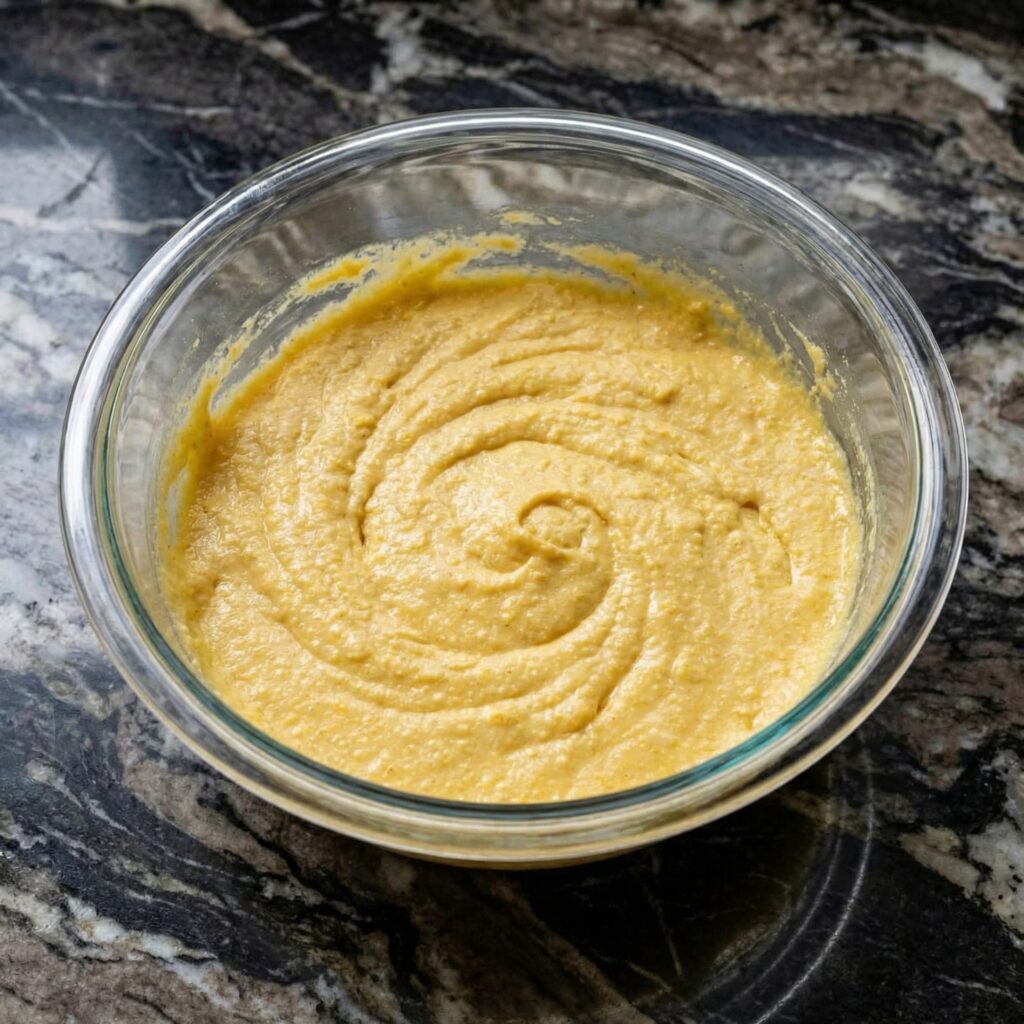
    Pour the wet ingredients into the dry ingredients and stir until a thick, smooth batter forms.

    The batter should be thick enough to cling to the hot dogs without dripping off too quickly.


    Step 4: Transfer Batter to a Tall Glass

    For easier coating, pour the batter into a tall drinking glass or jar.

    This trick allows you to dip the hot dogs straight down into the batter, ensuring a more even coating from top to bottom.

    It also helps prevent messy spills and uneven layers.


    Step 5: Lightly Dust the Hot Dogs

    Before dipping the hot dogs into the batter, lightly roll them in a small amount of flour.

    This thin flour coating helps the batter stick better during frying and prevents it from sliding off.

    Shake off any excess flour before dipping.


    Step 6: Dip the Hot Dogs in Batter

    Hold each skewered hot dog by the stick and dip it vertically into the batter.

    Rotate slightly as you lift it out to ensure the entire hot dog is coated evenly.

    Allow any excess batter to drip off briefly before frying.


    Step 7: Fry the Corn Dogs

    Carefully lower the battered hot dog into the hot oil.

    Fry one or two corn dogs at a time to avoid overcrowding the pot, which can lower the oil temperature.

    Cook each corn dog for about 3–4 minutes, turning occasionally until the batter becomes deep golden brown and crisp.

    The corn dog should float slightly when it’s nearly done.


    Step 8: Drain Excess Oil

    Use tongs or a slotted spoon to remove the corn dog from the oil.

    Place it on a plate lined with paper towels to absorb any excess oil.

    Allow it to cool slightly before serving, as the inside will be very hot.

    Repeat the frying process with the remaining hot dogs.


    Step 9: Serve with Your Favorite Dips

    Corn dogs are traditionally served with simple dipping sauces.

    Arrange them on a serving plate and offer ketchup, mustard, or honey mustard on the side.

    For something different, try dipping them in spicy mayo, barbecue sauce, or even cheese sauce.


    Tips for Perfect Corn Dogs

    Follow these tips to get the best results every time:

    Use thick batter. A thicker batter creates the signature fluffy cornmeal coating.

    Maintain oil temperature. Oil that’s too cool will make the batter greasy, while oil that’s too hot can burn the outside.

    Fry in small batches. This helps maintain consistent cooking and crisp texture.

    Pat hot dogs dry. Removing moisture helps the batter adhere properly.


    Fun Variations

    Once you’ve mastered classic corn dogs, you can experiment with different versions.

    Try these ideas:

    • Cheese-stuffed corn dogs using mozzarella or cheddar
    • Mini corn dog bites made with sliced hot dogs
    • Spicy corn dogs with jalapeños in the batter
    • Sweet honey batter for a slightly sweeter crust

    These variations can make corn dogs even more exciting for parties or family meals.


    Final Thoughts

    Homemade corn dogs bring the fun and flavor of a fair right into your kitchen. With their crispy golden coating and juicy hot dog center, they’re the perfect combination of savory and satisfying.

    Best of all, they’re easy to make with simple ingredients and a few basic techniques. Once you try making corn dogs at home, you’ll discover just how delicious and fun they can be.

    Serve them hot with your favorite dipping sauces, share them with family and friends, and enjoy a timeless comfort food that never goes out of style.

  • Sizzle & Smoke: The Ultimate Carne Asada You’ll Want Every Weekend

    Sizzle & Smoke: The Ultimate Carne Asada You’ll Want Every Weekend

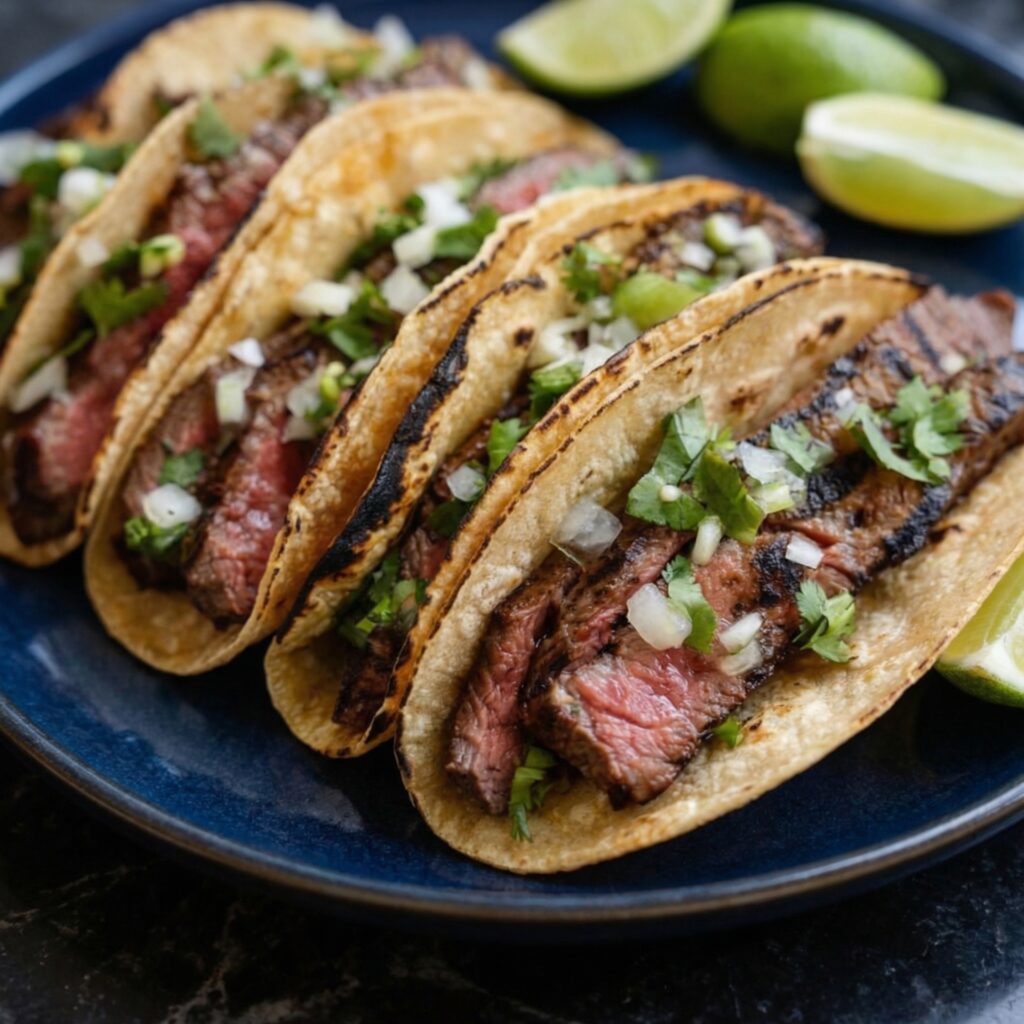
    Few dishes deliver bold, vibrant flavor quite like Carne Asada. Juicy grilled steak infused with citrus, garlic, and herbs is a staple in Mexican cuisine and a guaranteed crowd-pleaser.

    Whether tucked into warm tortillas, piled onto rice bowls, or served straight off the grill with fresh salsa, carne asada is all about simple ingredients transformed through fire and marinade into something unforgettable.

    If you’ve ever wondered how to get that perfectly tender, smoky, flavor-packed steak at home, this step-by-step guide will walk you through everything you need to know.


    What Cut of Meat Is Best?

    Traditionally, carne asada is made with flank steak or skirt steak. Both cuts are lean, flavorful, and perfect for quick, high-heat grilling.

    Skirt steak tends to have a slightly beefier flavor and more tenderness when cooked properly, while flank steak is easier to find and slices beautifully when cut against the grain.

    For this recipe, you’ll need about 2 pounds of flank or skirt steak.


    Ingredients You’ll Need

    For the Marinade:

    • 2 pounds flank or skirt steak
    • ½ cup fresh orange juice
    • ¼ cup fresh lime juice
    • ¼ cup olive oil
    • 4 cloves garlic, minced
    • 1 jalapeño, finely minced (optional for heat)
    • ½ cup chopped fresh cilantro
    • 1 teaspoon ground cumin
    • 1 teaspoon chili powder
    • 1 teaspoon salt
    • ½ teaspoon black pepper

    For Serving (Optional):

    • Warm corn or flour tortillas
    • Diced white onion
    • Fresh cilantro
    • Lime wedges
    • Salsa or guacamole

    Step 1: Prepare the Marinade

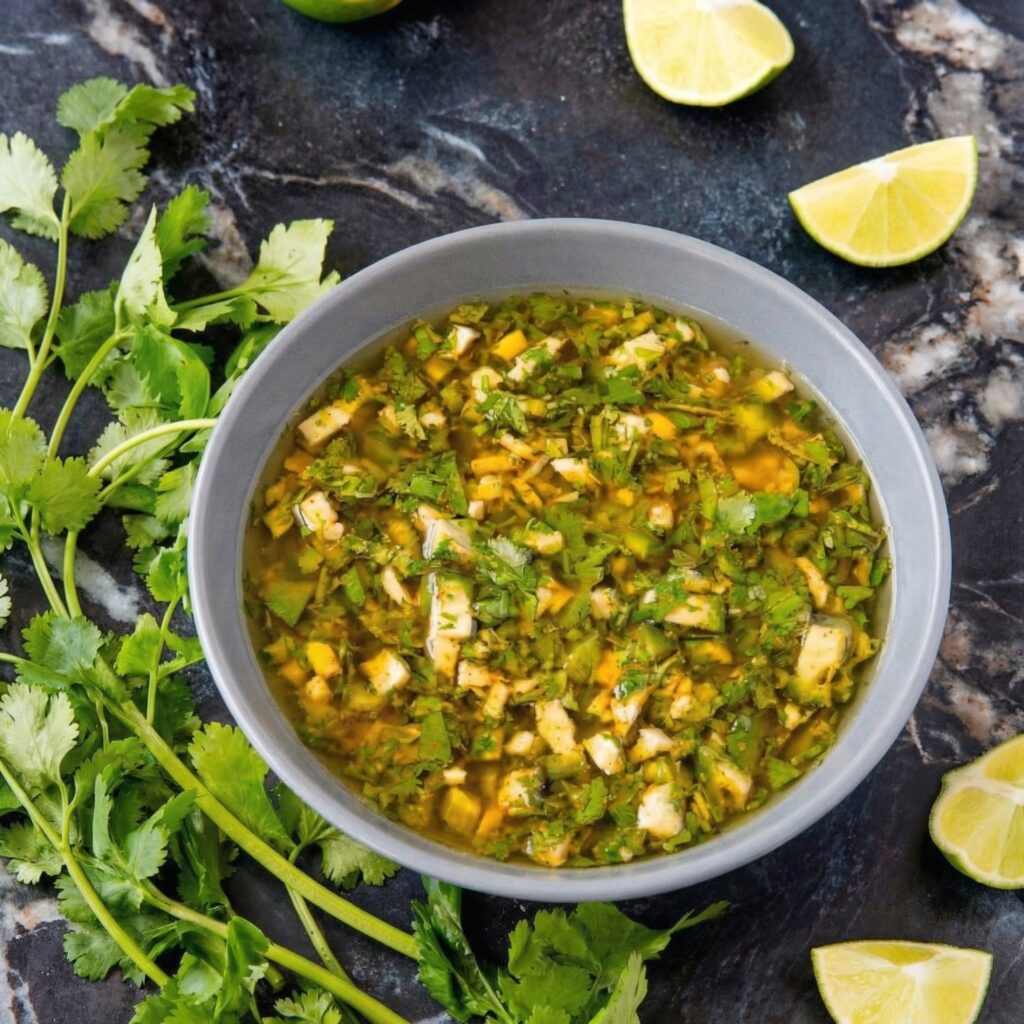
    In a large bowl, whisk together the orange juice, lime juice, olive oil, minced garlic, jalapeño, cilantro, cumin, chili powder, salt, and black pepper.

    The citrus juices help tenderize the meat while infusing it with bright flavor.

    Olive oil carries the spices evenly across the surface of the steak.


    Step 2: Marinate the Steak

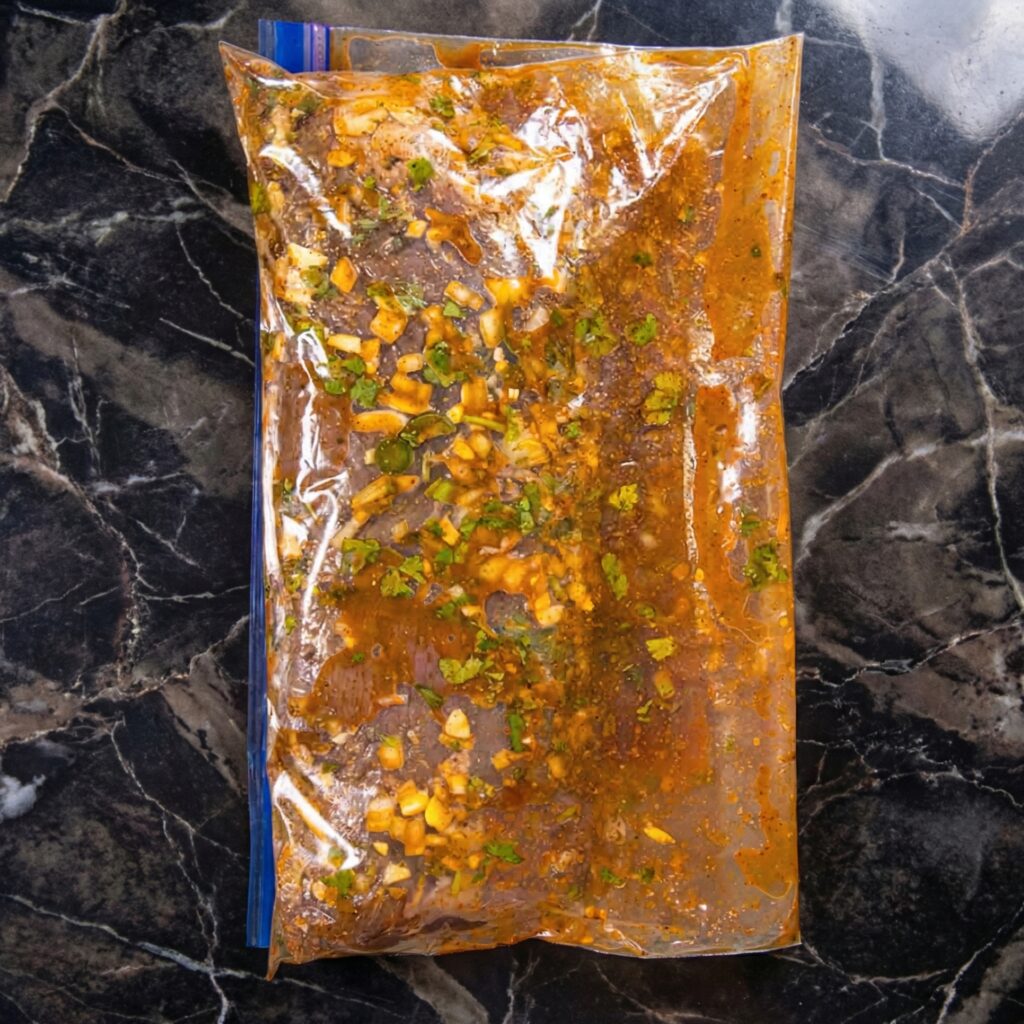
    Place the steak in a large resealable plastic bag or shallow dish. Pour the marinade over the meat, ensuring it is fully coated.

    Seal or cover and refrigerate for at least 2 hours, but ideally 4–8 hours for deeper flavor.

    Avoid marinating longer than 12 hours, as the citrus can begin to break down the meat too much and affect texture.


    Step 3: Bring the Meat to Room Temperature

    Remove the steak from the refrigerator about 30 minutes before cooking.

    Allowing the meat to come to room temperature promotes even cooking and a better sear.

    Meanwhile, preheat your grill to high heat (about 450–500°F).

    If using a stovetop, heat a cast iron skillet over high heat until very hot.


    Step 4: Grill the Carne Asada

    Remove the steak from the marinade and let any excess drip off. Discard the remaining marinade.

    Place the steak directly on the hot grill.

    Cook for 3–5 minutes per side, depending on thickness and desired doneness.

    Carne asada is best served medium-rare to medium for maximum tenderness.

    Avoid moving the steak too much—let it develop a deep, caramelized crust before flipping.


    Step 5: Rest the Steak

    Once cooked, transfer the steak to a cutting board and tent loosely with foil.

    Let it rest for 10 minutes. Resting allows the juices to redistribute throughout the meat, ensuring every slice is juicy and flavorful.

    Skipping this step can result in dry steak, as the juices will run out when cut too soon.


    Step 6: Slice Against the Grain

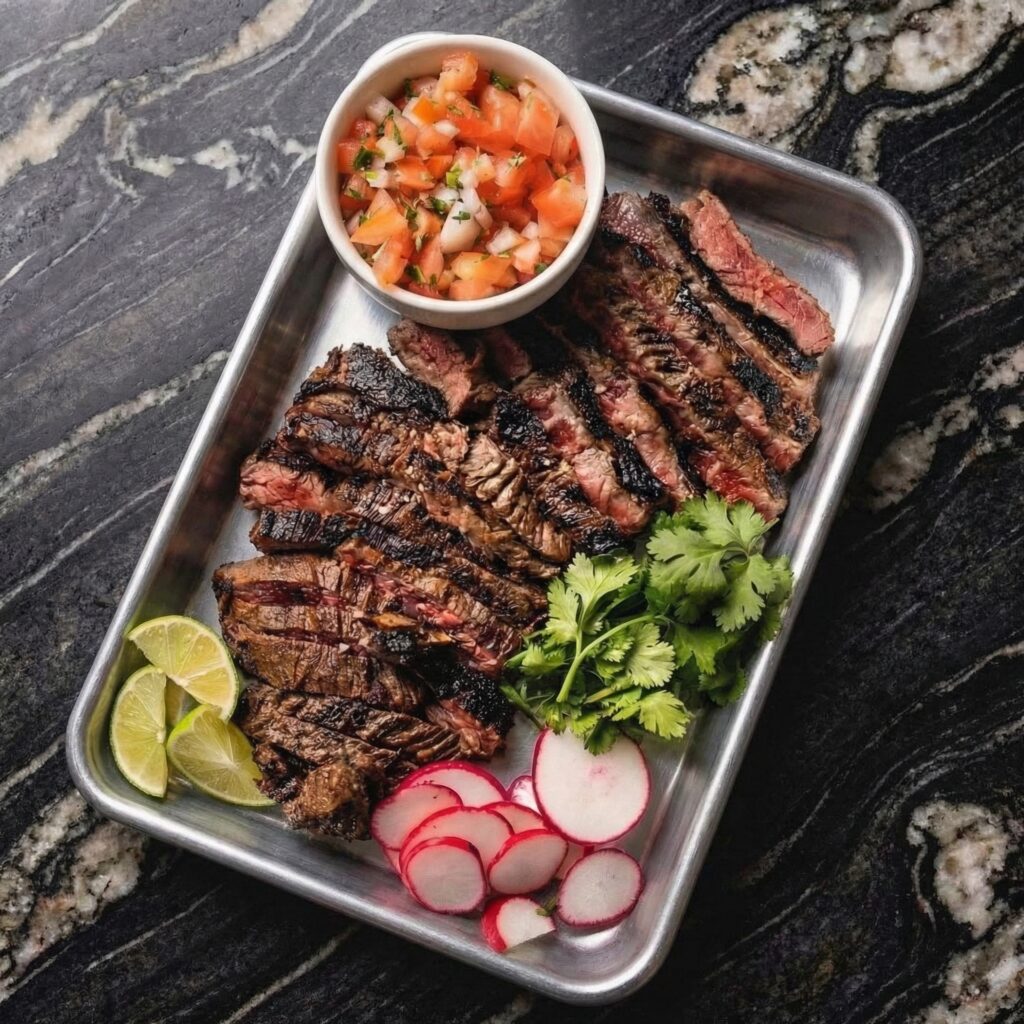
    This step is crucial. Identify the direction of the muscle fibers (the “grain”) and slice thinly across it.

    Cutting against the grain shortens the muscle fibers, making each bite significantly more tender.

    Use a sharp knife and slice at a slight angle for beautiful, restaurant-style pieces.


    Step 7: Serve and Enjoy

    Carne asada is incredibly versatile. Serve it:

    • In warm tortillas topped with diced onion and cilantro
    • Over rice with black beans and grilled vegetables
    • On a salad with avocado and fresh lime dressing
    • Alongside grilled corn and salsa

    A squeeze of fresh lime over the top brightens everything beautifully.


    Pro Tips for Perfect Carne Asada

    • High heat is key. You want a quick sear that locks in juices.
    • Don’t overcook. Lean cuts can become tough if cooked past medium.
    • Marinate properly. Even a few hours makes a big difference in flavor.
    • Slice thinly. Thin slices enhance tenderness and texture.
    • Use charcoal if possible. It adds authentic smoky flavor.

    Flavor Variations

    Once you master the classic version, try these creative twists:

    • Smoky Chipotle: Add minced chipotle peppers in adobo sauce to the marinade.
    • Beer Marinade: Replace some orange juice with Mexican lager for depth.
    • Garlic Lover’s Version: Double the garlic for bold flavor.
    • Spicy Kick: Add crushed red pepper flakes or extra jalapeño.

    Make-Ahead and Storage

    Leftover carne asada can be stored in an airtight container in the refrigerator for up to 4 days. Reheat gently in a skillet over medium heat to prevent overcooking.

    It also freezes well for up to 2 months. Slice before freezing for easier portioning.


    Why This Recipe Works

    The magic of carne asada lies in balance. The citrus tenderizes while adding brightness. The garlic and spices provide warmth and depth. High-heat grilling locks in juices and creates irresistible charred edges.

    It’s simple, bold, and endlessly customizable—everything great grilling should be.


    Final Thoughts

    Carne asada is more than just grilled steak—it’s a celebration of bold flavors, vibrant ingredients, and the joy of cooking over fire. With a well-balanced marinade, high heat, and proper slicing technique, you can create a restaurant-quality dish right in your backyard or kitchen.

    Whether you’re hosting a summer cookout or craving taco night with serious flavor, this carne asada recipe will quickly become a favorite. Fire up the grill, gather your toppings, and enjoy every juicy, citrus-kissed bite.

  • Apple Crumble Cupcakes (Tastes Just Like Pie!)

    Apple Crumble Cupcakes (Tastes Just Like Pie!)

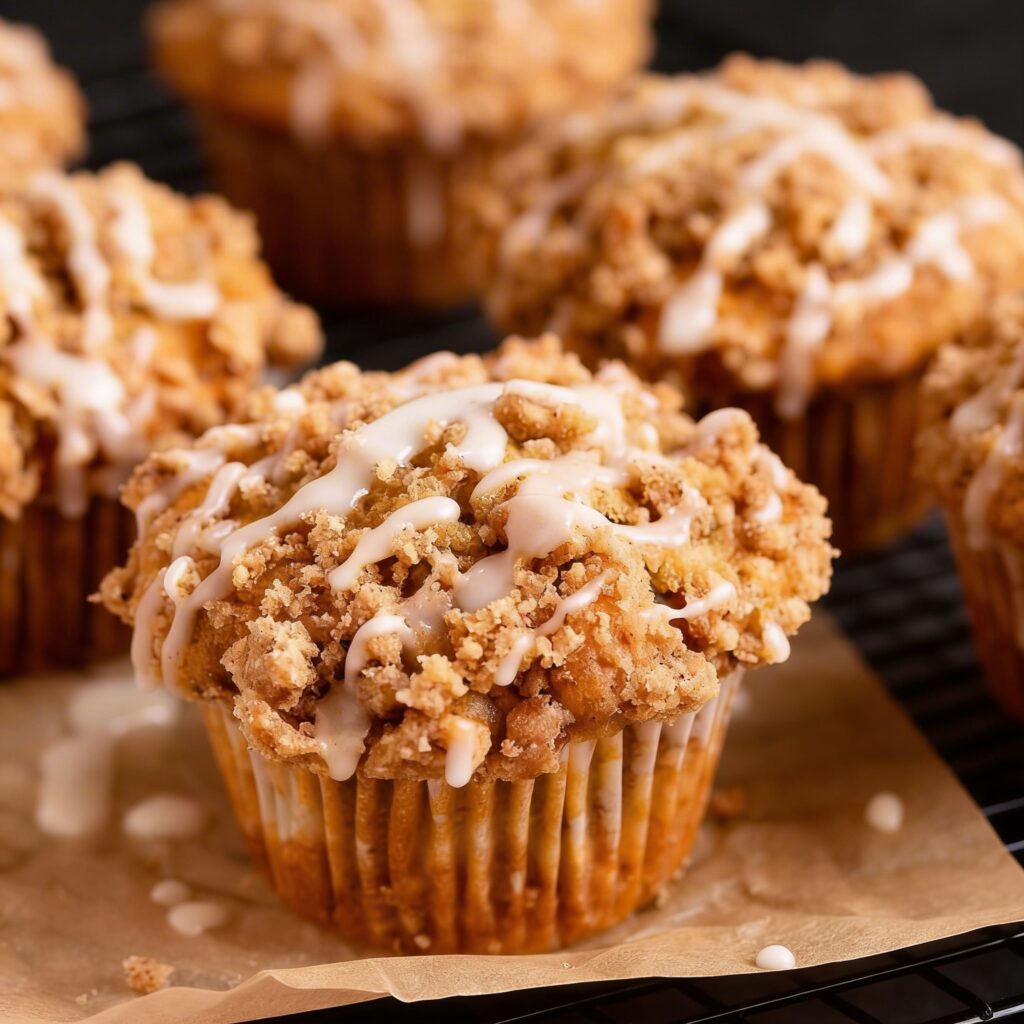
    Is there anything better than the smell of apples and cinnamon baking in the oven? It is the official scent of autumn, and these Apple Crumble Cupcakes capture it perfectly. Imagine a tender, spiced cupcake studded with tiny bits of fresh apple, topped with a generous mound of buttery, crunchy streusel, and finished with a light vanilla drizzle.

    These cupcakes solve the biggest problem with apple desserts: the dreaded soggy bottom. By dicing the apples small and tossing them in a little flour, they stay suspended in the batter rather than sinking. The result is a cupcake that tastes like a warm apple pie à la mode, but in a convenient, handheld form. Get ready to welcome sweater weather with a batch of these beauties.

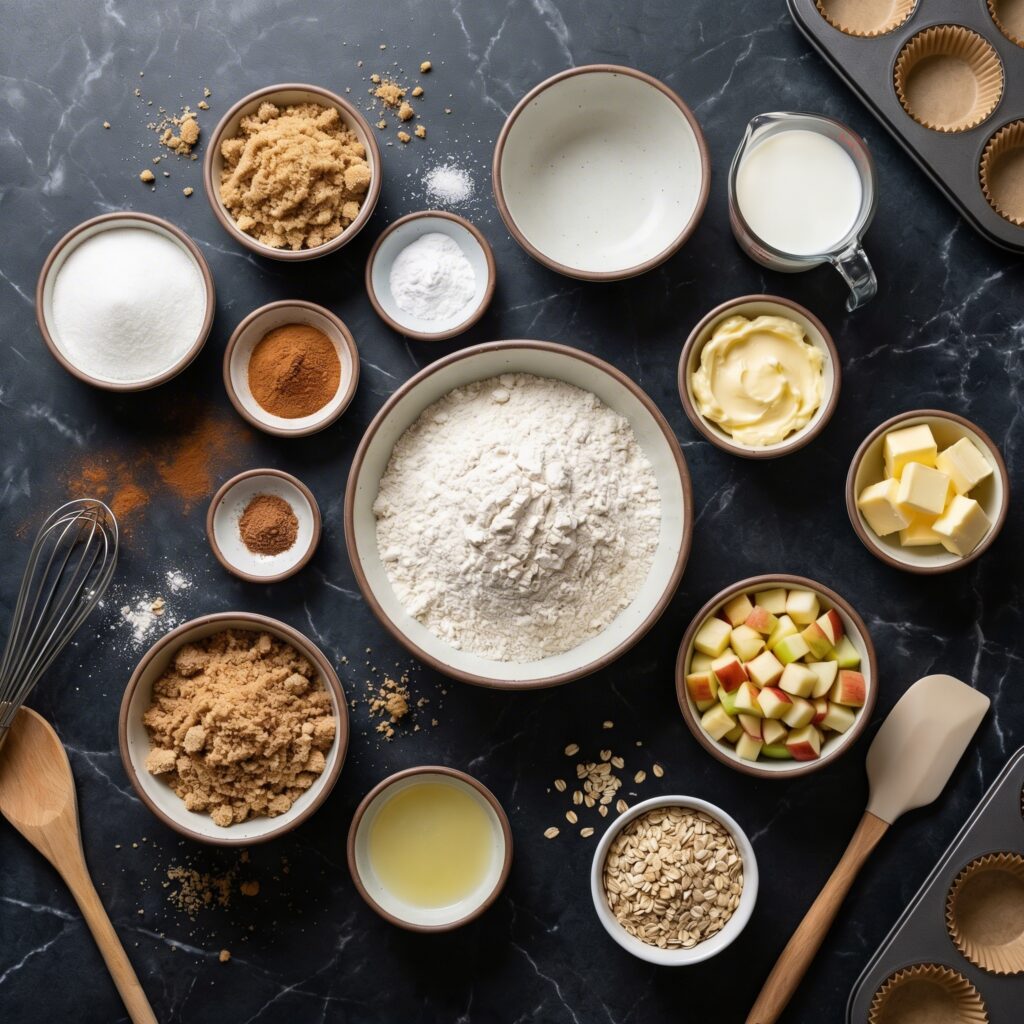
    Ingredients

    Yields 12 standard cupcakes.

    For the Crumble Topping:

    • ½ cup (65g) all-purpose flour
    • ⅓ cup (40g) old-fashioned rolled oats
    • ⅓ cup (65g) light brown sugar, packed
    • ½ teaspoon ground cinnamon
    • Pinch of salt
    • ¼ cup (60g) unsalted butter, melted

    For the Apple Cupcakes:

    • 1 ½ cups (190g) all-purpose flour
    • 1 teaspoon baking powder
    • ½ teaspoon baking soda
    • ½ teaspoon salt
    • 1 ½ teaspoons ground cinnamon
    • ¼ teaspoon ground nutmeg
    • ½ cup (115g) unsalted butter, softened
    • ¾ cup (150g) granulated sugar
    • ¼ cup (50g) light brown sugar, packed
    • 2 large eggs, at room temperature
    • 1 teaspoon vanilla extract
    • ½ cup (120g) sour cream or plain Greek yogurt
    • 1 ½ cups (about 2 small apples) peeled and finely chopped apples (Granny Smith or Honeycrisp work well)
    • 1 tablespoon all-purpose flour (for coating apples)

    For the Vanilla Drizzle (Optional):

    • ½ cup (60g) powdered sugar, sifted
    • 1-2 tablespoons milk or heavy cream
    • ¼ teaspoon vanilla extract

    Step-by-Step Instructions

    1. Make the Crumble Topping:

    1. In a small bowl, whisk together the flour, oats, brown sugar, cinnamon, and salt.
    2. Pour the melted butter over the mixture and stir with a fork until clumps form. The mixture should look like wet sand with some larger pebbles.
    3. Spread the clumps on a small parchment-lined baking sheet and refrigerate while you prepare the cupcake batter. This helps them hold their shape.

    2. Prepare for Baking:

    1. Preheat your oven to 350°F (175°C). Line a 12-cup muffin tin with paper liners.
    2. In a medium bowl, whisk together the flour, baking powder, baking soda, salt, cinnamon, and nutmeg. Set aside.
    3. In a small bowl, toss the finely chopped apples with 1 tablespoon of flour. This coating helps prevent them from sinking to the bottom.

    3. Make the Cupcake Batter:

    1. In a large bowl using a hand mixer or stand mixer, beat the softened butter, granulated sugar, and brown sugar together on medium speed until light and fluffy (about 2-3 minutes).
    2. Add the eggs one at a time, beating well after each addition. Scrape down the bowl, then mix in the vanilla extract.
    3. With the mixer on low, add half of the dry ingredients, mixing until just combined. Add the sour cream, then the remaining dry ingredients. Mix until the flour just disappears. Do not overmix.
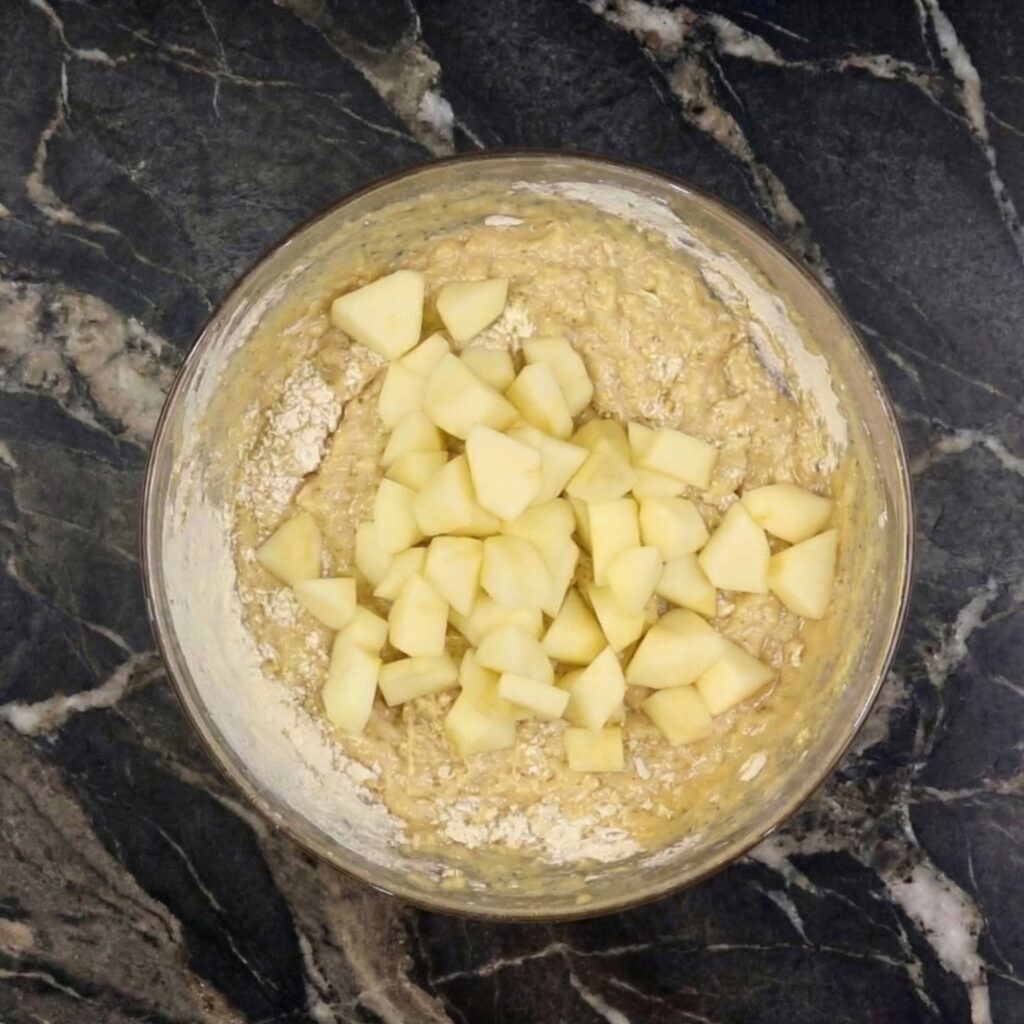
    4. Gently fold in the floured apple pieces using a rubber spatula until evenly distributed.

    4. Assemble and Bake:

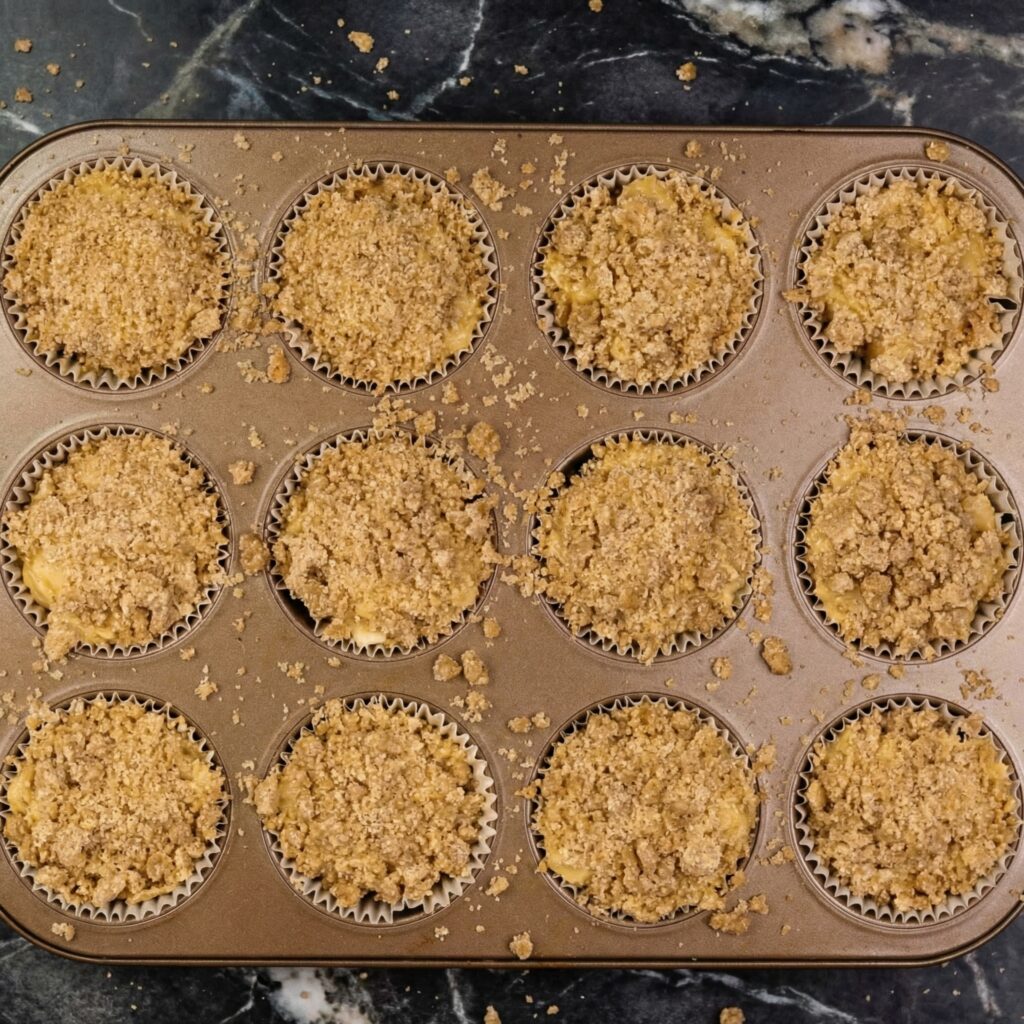
    1. Scoop the batter evenly into the prepared cupcake liners, filling them about ¾ full.
    2. Remove the crumble topping from the refrigerator. Sprinkle a generous amount of the crumble over each cupcake, gently pressing it down so it adheres.
    3. Bake for 18-22 minutes, or until a toothpick inserted into the center of a cupcake comes out clean or with a few moist crumbs.
    4. Allow the cupcakes to cool in the pan for 10 minutes, then transfer them to a wire rack to cool completely.

    5. Add the Drizzle:

    1. Once the cupcakes are completely cool, prepare the drizzle. In a small bowl, whisk together the powdered sugar, 1 tablespoon of milk, and vanilla extract. Add more milk a few drops at a time until you reach a thick but drizzling consistency.
    2. Drizzle the glaze over the cooled cupcakes using a spoon or a piping bag with a tiny tip cut off. Let the glaze set for about 15 minutes before serving.

    Summary

    Prep Time: 25 minutes | Cook Time: 20 minutes | Total Time: 45 minutes

    Yield: 12 cupcakes

    Difficulty: Easy

    Frequently Asked Questions

    Can I make these into muffins instead?

    Absolutely! To turn these into apple crumble muffins, simply omit the vanilla drizzle on top. The baking time may remain roughly the same, but start checking for doneness at 18 minutes.

    How do I store these cupcakes?

    Store any leftover cupcakes in an airtight container at room temperature for up to 2 days, or in the refrigerator for up to 4 days. Note that the crumble topping will soften slightly over time, which is part of their charm!

    Can I freeze apple crumble cupcakes?

    Yes, these freeze well. Freeze the cupcakes without the drizzle. Wrap them individually in plastic wrap and place them in a freezer bag for up to 3 months. Thaw at room temperature, then add the fresh vanilla drizzle before serving.

    Do I have to peel the apples?

    For the best texture in a cupcake, yes, peeling is recommended. The peel can become chewy and tough in such a small, tender crumb. A peeled apple ensures every bite is smooth and soft.

  • The Perfect Marble Swirl Loaf Cake (Rich & Moist)

    The Perfect Marble Swirl Loaf Cake (Rich & Moist)

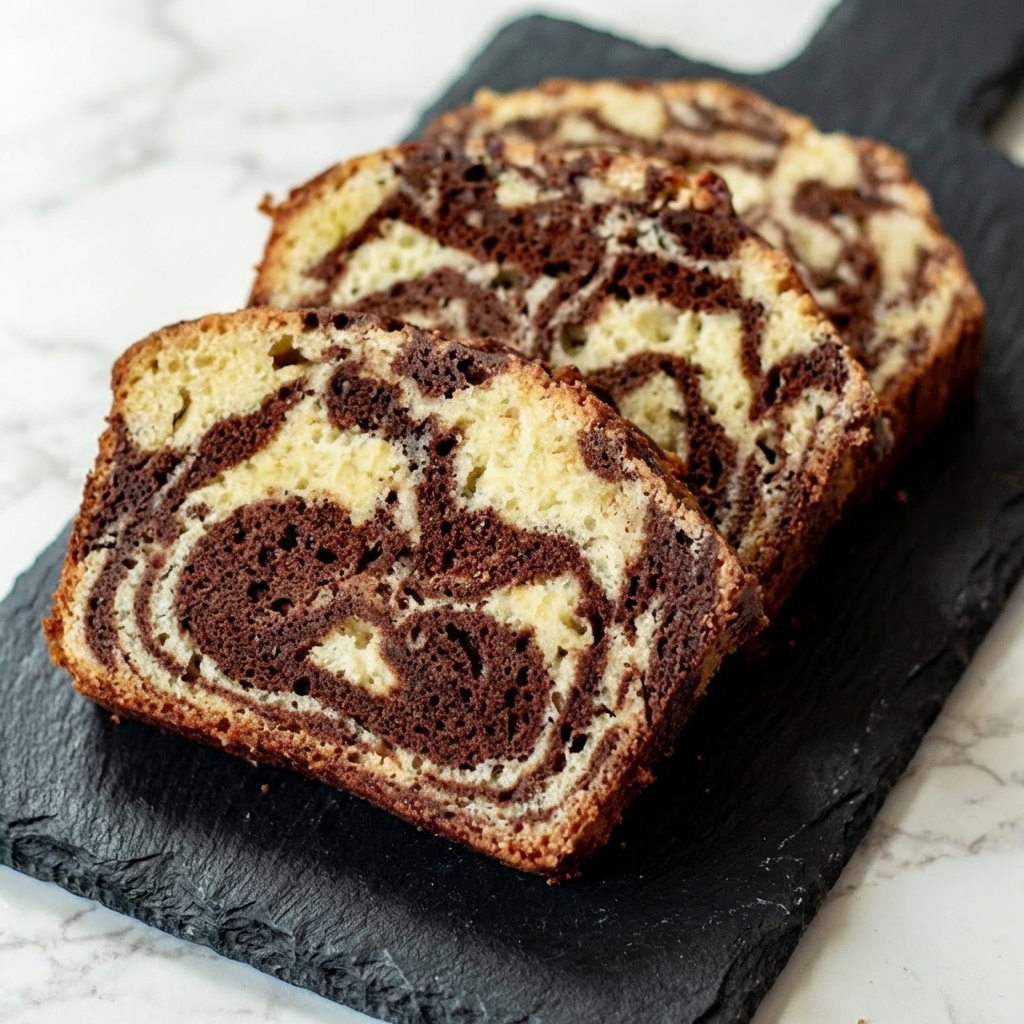
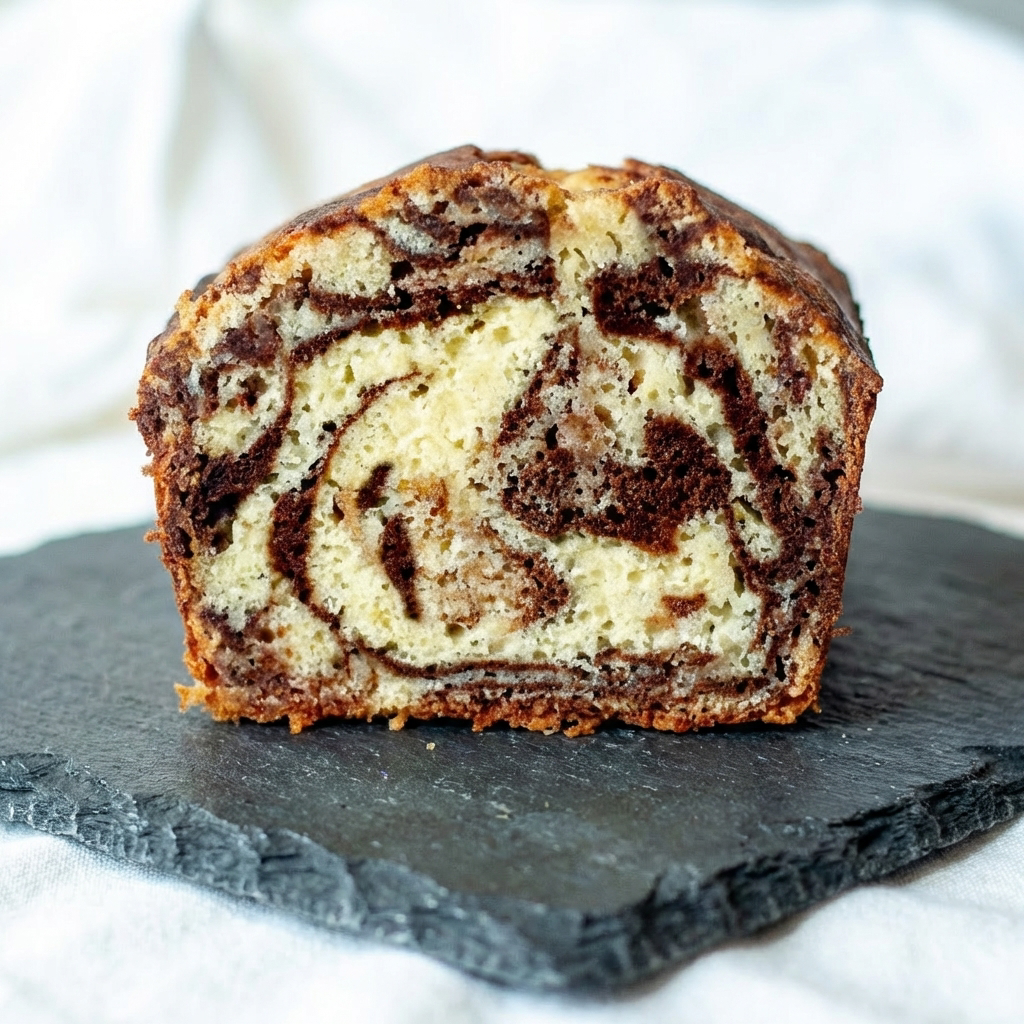
    There is something undeniably nostalgic about a marble cake. That beautiful, winding ribbon of vanilla and chocolate baked into a perfect loaf brings back memories of afternoon coffee breaks and simple, happy desserts. However, many marble cakes can be dry or the swirl is just a sad, grey mess.

    This Swirl Loaf Cake is different. We start with a base of sour cream and butter to guarantee a tight, moist crumb that stays fresh for days. The key to that stunning swirl isn’t just plopping chocolate batter on top—it’s a specific layering technique that ensures every single slice looks like a work of art. Whether you are a beginner or a seasoned baker, this recipe is foolproof and absolutely delicious.

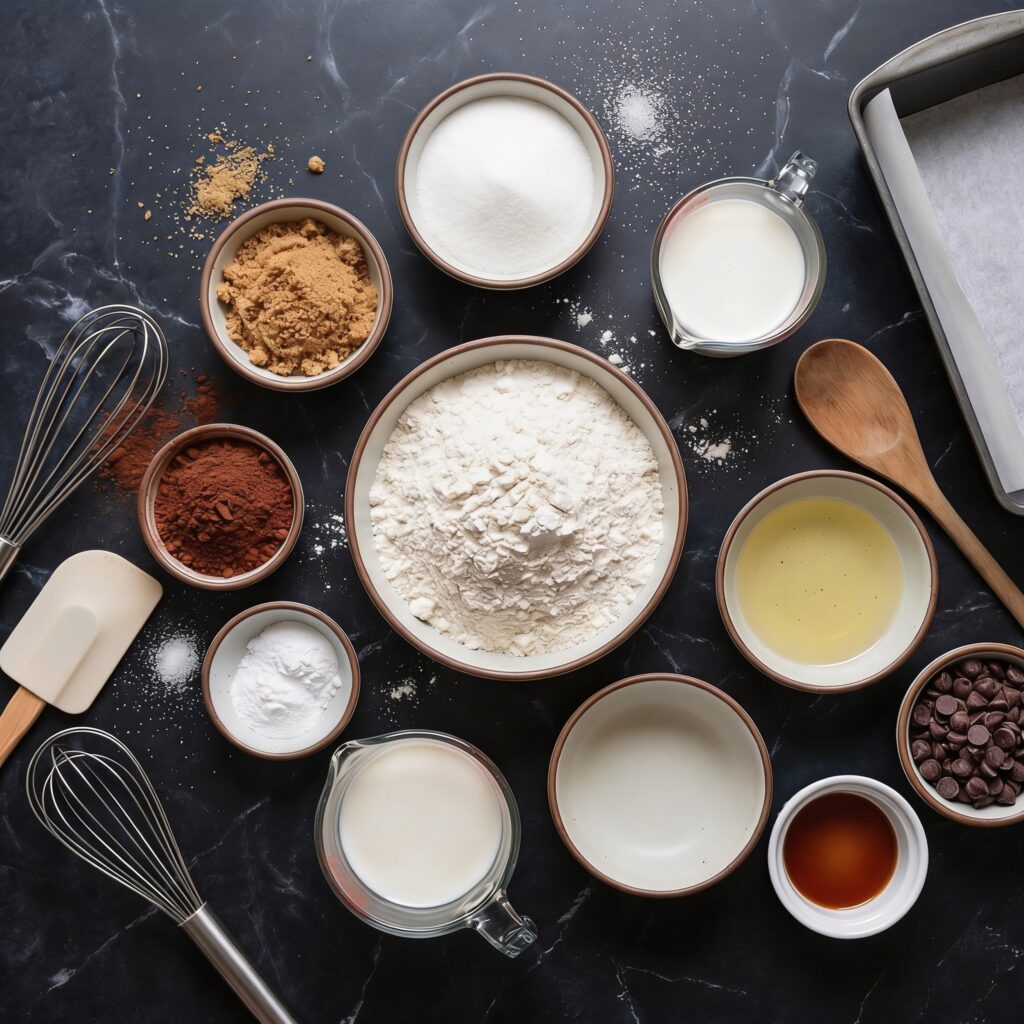
    Ingredients

    For a standard 9×5 inch loaf pan.

    For the Vanilla Base:

    • 1 ½ cups (190g) all-purpose flour
    • 1 teaspoon baking powder
    • ¼ teaspoon salt
    • ¾ cup (170g) unsalted butter, softened
    • 1 cup (200g) granulated sugar
    • 2 large eggs, at room temperature
    • 1 ½ teaspoons vanilla extract
    • ½ cup (120g) sour cream, at room temperature

    For the Chocolate Swirl:

    • ¼ cup (25g) unsweetened cocoa powder
    • 3 tablespoons whole milk
    • 2 tablespoons granulated sugar

    Step-by-Step Instructions

    Prep Work:

    1. Preheat your oven to 350°F (175°C). Grease a 9×5-inch loaf pan and line it with parchment paper, leaving an overhang on the long sides for easy removal.
    2. In a small bowl, whisk together the flour, baking powder, and salt. Set aside.

    Making the Batter:

    1. In a large bowl using a hand mixer or stand mixer with the paddle attachment, beat the softened butter and sugar together on medium-high speed until light and fluffy (about 3 minutes).
    2. Add the eggs one at a time, beating well after each addition. Scrape down the sides of the bowl. Mix in the vanilla extract.
    3. With the mixer on low, add half of the flour mixture, mixing until just combined. Add all of the sour cream, then the remaining flour mixture. Mix until the flour disappears. Do not overmix.
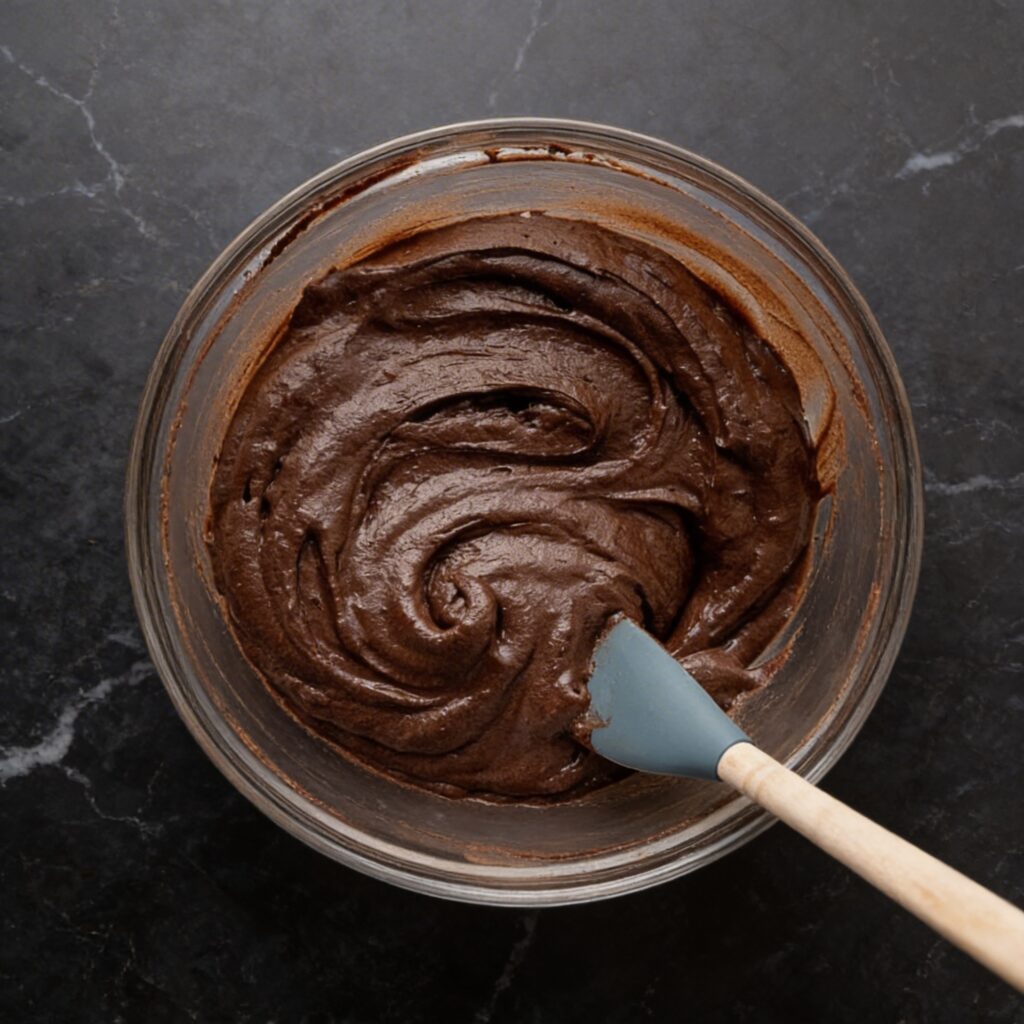
    4. Scoop about 1 ½ cups of the vanilla batter into a separate bowl. To this bowl, add the cocoa powder, milk, and the extra 2 tablespoons of sugar. Stir vigorously until the cocoa is fully dissolved and you have a smooth, chocolate batter.

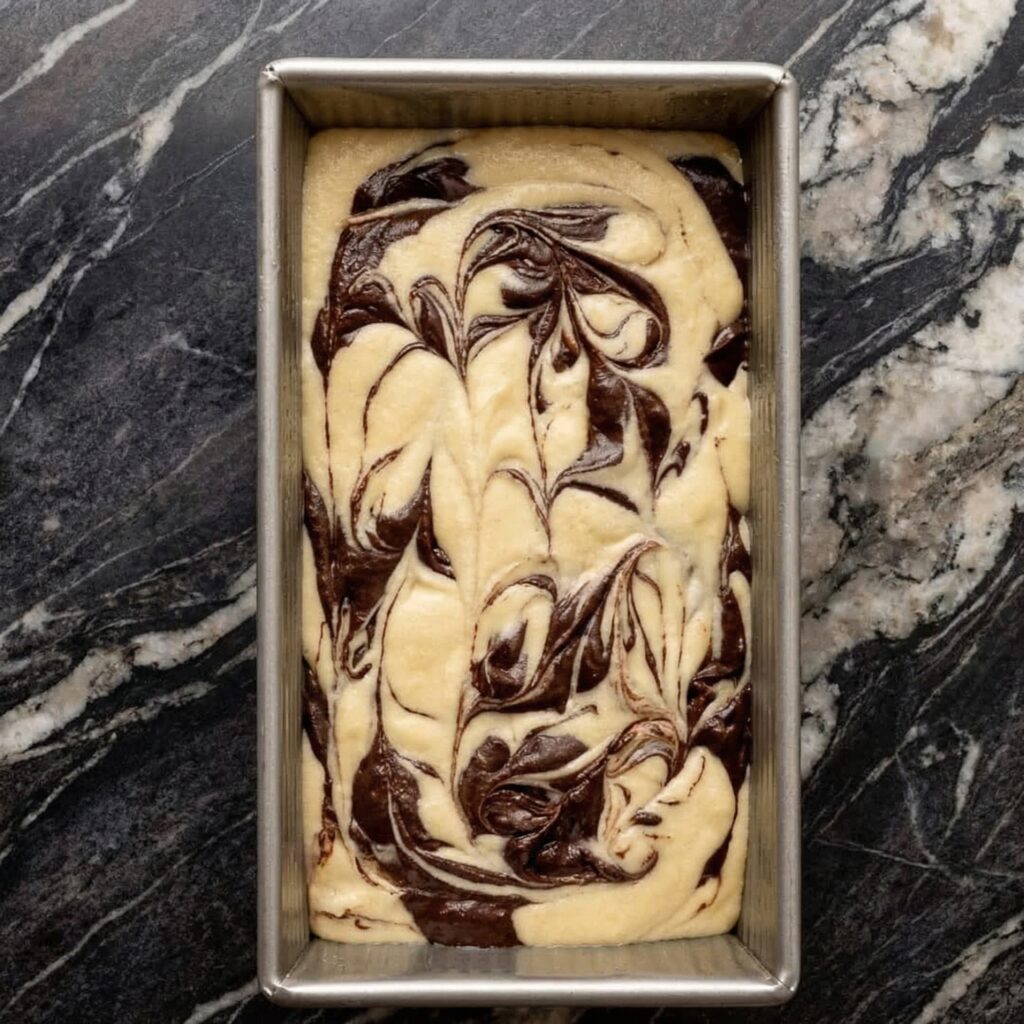
    The Swirl Technique:

    1. Spread half of the remaining vanilla batter into the bottom of your prepared loaf pan.
    2. Dollop half of the chocolate batter over the vanilla layer. Use a butter knife to gently swirl it in a figure-eight motion.
    3. Repeat the layers with the remaining vanilla batter and then the remaining chocolate batter.
    4. For the final swirl, take a knife and run it through the batter from one end of the pan to the other, then repeat perpendicularly. Stop once you see a marbled pattern—over-swirling will muddy the colors.

    Baking:

    1. Bake for 50 to 60 minutes, or until a toothpick inserted into the center comes out clean or with a few moist crumbs.
    2. Let the cake cool in the pan for 20 minutes, then use the parchment sling to lift it onto a wire rack to cool completely before slicing.

    Baker’s Tips for the Perfect Swirl

    • Room Temperature is Key: Ensure your butter, eggs, and sour cream are at room temperature. This creates a smooth emulsion, resulting in a lighter, taller cake.
    • High-Quality Cocoa: Since this cake relies on the contrast of flavors, use a good quality unsweetened cocoa powder (like Dutch-process) for a deep, rich chocolate taste.
    • Clean Knife: When swirling, wipe the knife clean between motions to keep the colors distinct and avoid a “muddy” look.
    • Doneness: If the top is browning too fast but the center isn’t done, loosely tent the pan with aluminum foil for the last 15-20 minutes of baking.

    Summary

    Prep Time: 20 minutes | Cook Time: 55 minutes | Total Time: 1 hour 15 minutes

    Yield: 1 Loaf (10-12 slices)

    Difficulty: Easy

    Frequently Asked Questions

    Can I use yogurt instead of sour cream?

    Yes, plain full-fat Greek yogurt works perfectly as a substitute for sour cream in this swirl loaf cake recipe. It will provide a similar moisture and tanginess.

    How do I store this cake?

    Store the cake tightly wrapped in plastic wrap at room temperature for up to 4 days. You can also refrigerate it, but be sure to bring it to room temperature before serving to soften the crumb.

    Can I freeze marble loaf cake?

    Absolutely! Wrap the cooled (unsliced or sliced) cake tightly in a layer of plastic wrap and then a layer of aluminum foil. Freeze for up to 3 months. Thaw overnight in the refrigerator.