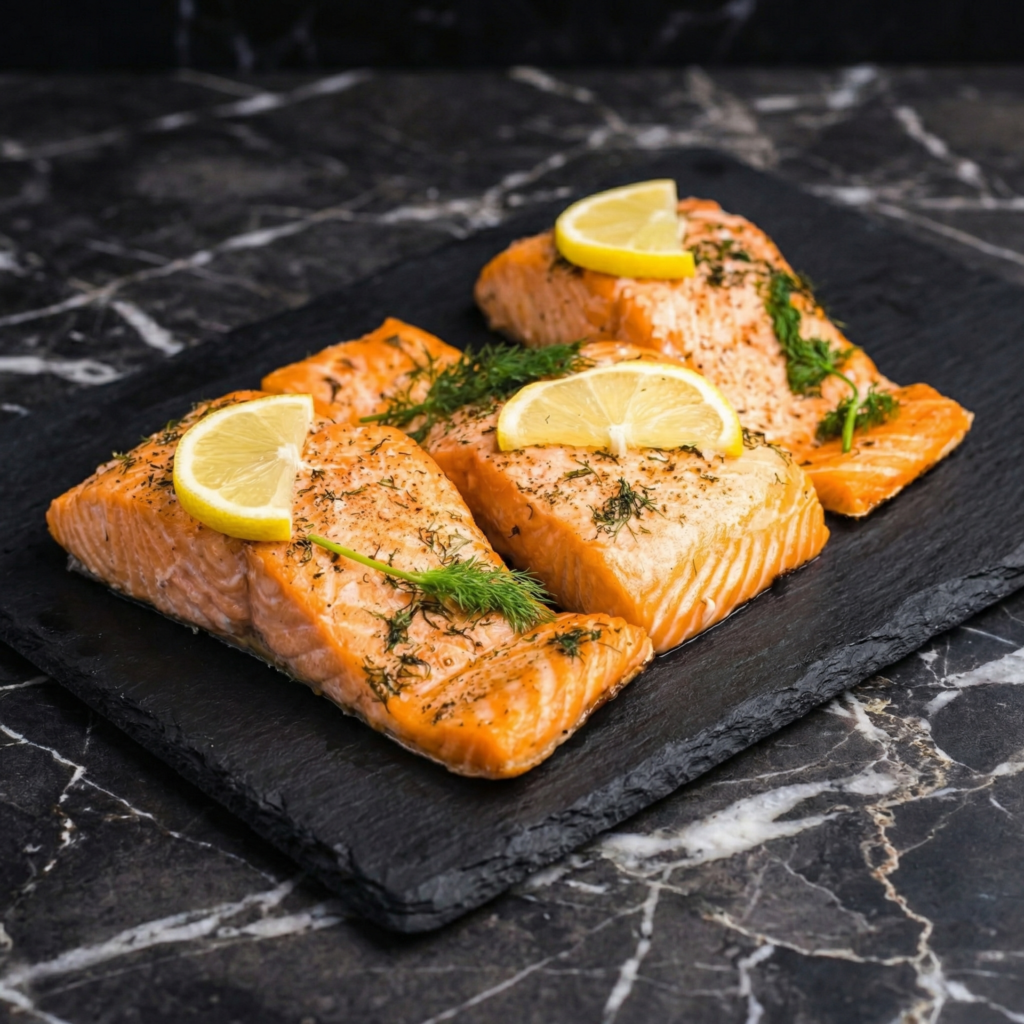
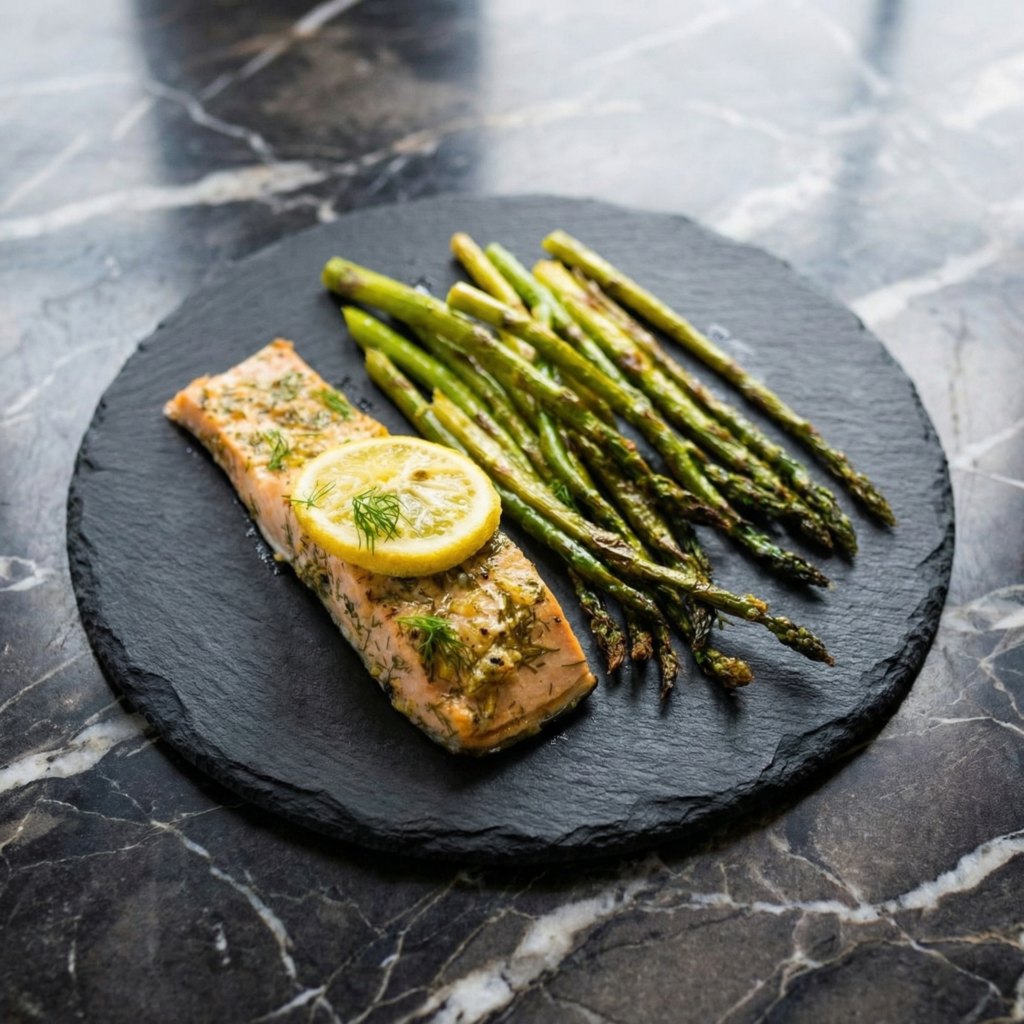
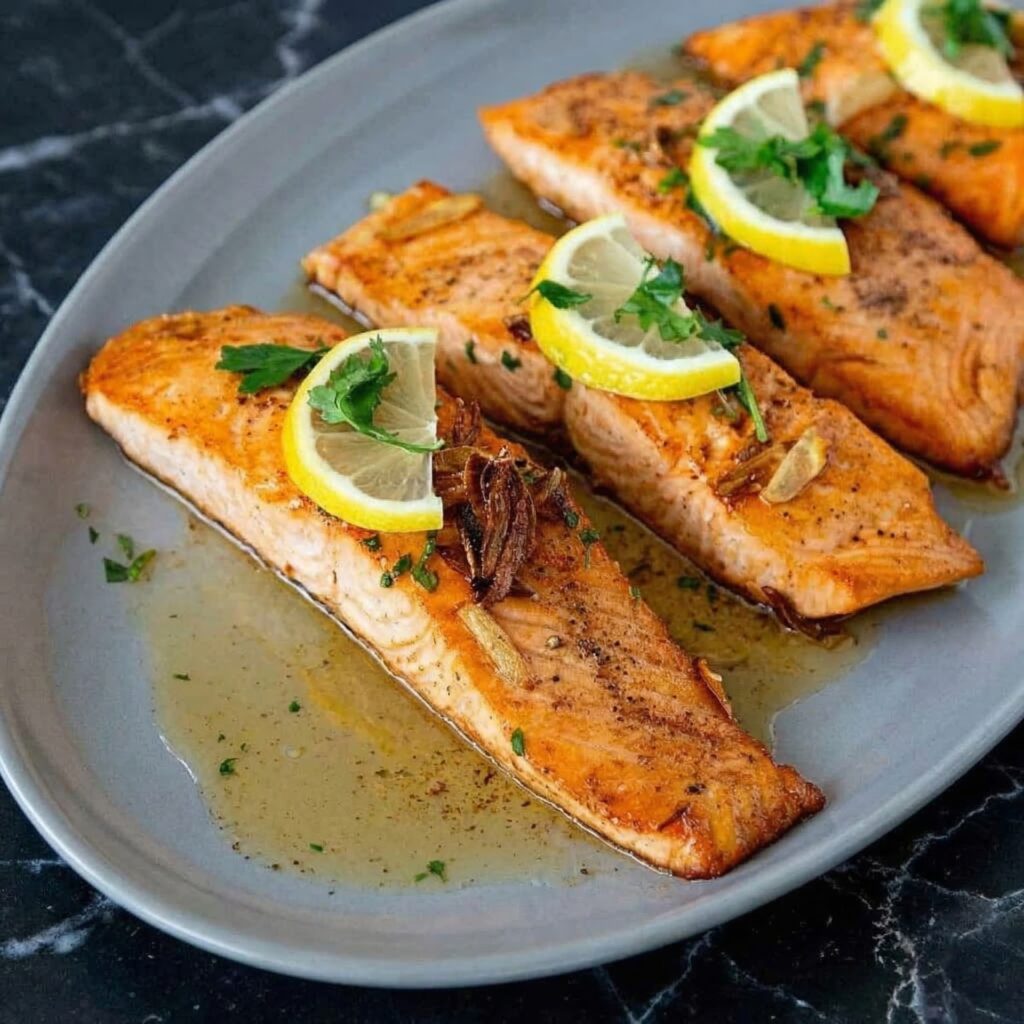
There are few things as satisfying as a perfectly cooked salmon fillet—flaky, tender, and rich with flavor. This lemon dill salmon takes it to the next level with a bright, herbaceous sauce that’s as simple as it is elegant. The combination of fresh lemon, aromatic dill, and buttery richness complements the natural flavor of the salmon without overwhelming it.
Ready in under 20 minutes, it’s the perfect dish for busy weeknights when you want something healthy and delicious, yet impressive enough for company. Serve it with roasted vegetables, rice, or a fresh salad for a complete meal.
Ingredients
For the Lemon Dill Salmon:
4 salmon fillets (6 oz each), skin-on or skinless
2 tablespoons olive oil or avocado oil
1 teaspoon salt
½ teaspoon black pepper
½ teaspoon garlic powder (optional)
For the Lemon Dill Butter Sauce:
4 tablespoons (½ stick) unsalted butter
2 cloves garlic, minced
2 tablespoons fresh lemon juice (about ½ lemon)
1 teaspoon lemon zest
2 tablespoons fresh dill, finely chopped (plus extra for garnish)
2 tablespoons fresh parsley, chopped (optional)
¼ teaspoon salt
⅛ teaspoon black pepper
For Serving:
Lemon wedges
Fresh dill sprigs
Steamed asparagus, green beans, or roasted potatoes
Instructions
1. Preheat and Prepare: Preheat your oven to 400°F (200°C). Line a baking sheet with parchment paper or aluminum foil for easy cleanup.
2. Season the Salmon: Pat the salmon fillets completely dry with paper towels. Place them on the prepared baking sheet. Drizzle with olive oil and rub to coat. Season generously with salt, pepper, and garlic powder (if using).
3. Bake the Salmon: Bake for 10 to 14 minutes, depending on thickness, until the salmon is opaque and flakes easily with a fork. The internal temperature should reach 125°F to 130°F (52°C to 54°C) for medium. Thicker fillets may require additional time.
4. Make the Lemon Dill Butter Sauce: While the salmon bakes, melt the butter in a small saucepan over medium-low heat. Add the minced garlic and cook for 30 to 60 seconds until fragrant—do not let it brown. Remove from heat. Stir in the lemon juice, lemon zest, fresh dill, parsley (if using), salt, and pepper.
5. Serve: Transfer the baked salmon to serving plates or a platter. Spoon the lemon dill butter sauce over each fillet. Garnish with additional fresh dill and lemon wedges. Serve immediately with steamed asparagus or roasted potatoes.
This Lemon Dill Salmon is a bright, fresh, and elegant dish that’s as easy to make as it is delicious.
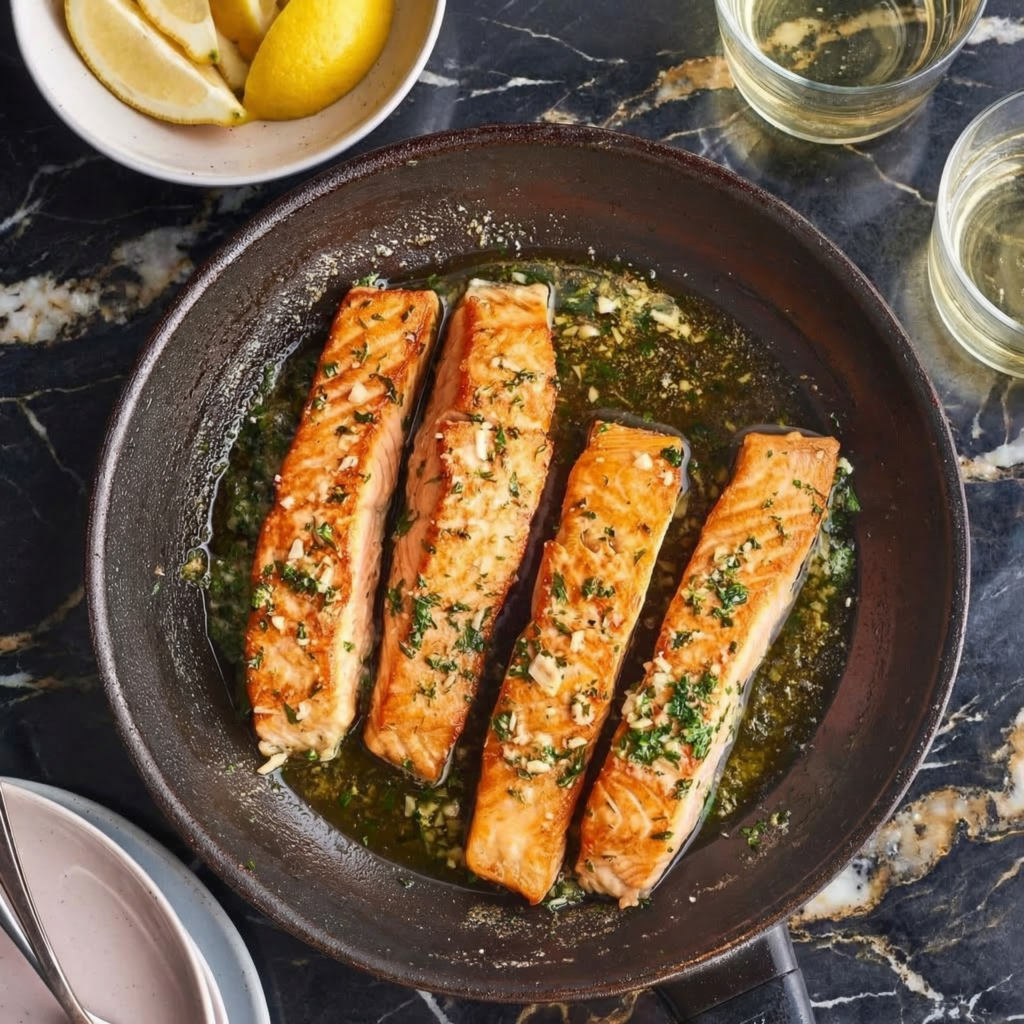
Garlic butter salmon is the perfect weeknight dinner—quick, easy, and elegant enough for company. Perfectly seared salmon fillets with crispy skin are bathed in a rich, nutty garlic butter sauce with fresh lemon and parsley.
It comes together in under 15 minutes, making it ideal for busy nights when you still want something special. The key is a hot skillet for that perfect sear, and a simple pan sauce that comes together in the same pan. Serve it with roasted vegetables, rice, or a simple salad for a complete meal.
Ingredients
For the Salmon (serves 4):
4 (6 oz / 170g each) salmon fillets, skin on or off
Salt and freshly ground black pepper to taste
1 tablespoon olive oil
2 tablespoons unsalted butter
For the Garlic Butter Sauce:
3 tablespoons unsalted butter
4 cloves garlic, minced
2 tablespoons fresh lemon juice (about ½ lemon)
¼ cup fresh parsley, chopped
Lemon zest from ½ lemon (optional)
Salt to taste
For Serving:
Lemon wedges
Fresh parsley
Instructions
1. Prepare the Salmon: Remove salmon from the refrigerator 10-15 minutes before cooking to take the chill off. Pat the fillets completely dry with paper towels—this is essential for crispy skin. Season both sides generously with salt and pepper.
2. Heat the Skillet: Heat a large skillet (preferably cast iron or non-stick) over medium-high heat. Add the olive oil and 2 tablespoons of butter. Swirl to coat.
3. Sear the Salmon: Place the salmon fillets in the hot skillet, skin-side down if they have skin. Cook without moving for 4-5 minutes, until the skin is golden and crispy and the fish releases easily from the pan.
4. Flip and Finish: Carefully flip the salmon fillets. Cook for another 2-4 minutes, depending on thickness, until the salmon is cooked to your desired doneness (125°F / 52°C for medium-rare, 135°F / 57°C for medium). Remove salmon to a plate and tent loosely with foil.
5. Make the Garlic Butter Sauce: Reduce heat to medium-low. Add the remaining 3 tablespoons butter to the same skillet. Once melted, add the minced garlic and cook for 30-60 seconds until fragrant but not browned.
Stir in the lemon juice, parsley, and lemon zest (if using). Season with salt to taste. Scrape up any browned bits from the bottom of the pan.
6. Serve: Spoon the garlic butter sauce over the salmon fillets. Serve immediately with lemon wedges and additional fresh parsley.
Pro-Tips for Garlic Butter Salmon Perfection
Pat the Salmon Dry: This is essential for crispy skin and a good sear. Use paper towels and be thorough.
Don’t Move the Fish: Let it cook undisturbed until it releases easily from the pan—this ensures a beautiful crust.
Use a Thermometer: For perfectly cooked salmon, use an instant-read thermometer. 125°F for medium-rare, 135°F for medium.
Don’t Overcook: Salmon continues to cook from residual heat. Remove it from the pan when it’s just shy of your desired doneness.
Save the Skin: The crispy skin is delicious—don’t remove it.
Fresh Garlic Only: Garlic powder won’t give the same flavor. Use fresh garlic.
Make It a Meal: Serve with roasted asparagus, rice, or a simple green salad.
Double the Sauce: The sauce is so good you might want extra.
This Garlic Butter Salmon is easy, elegant, and absolutely delicious.
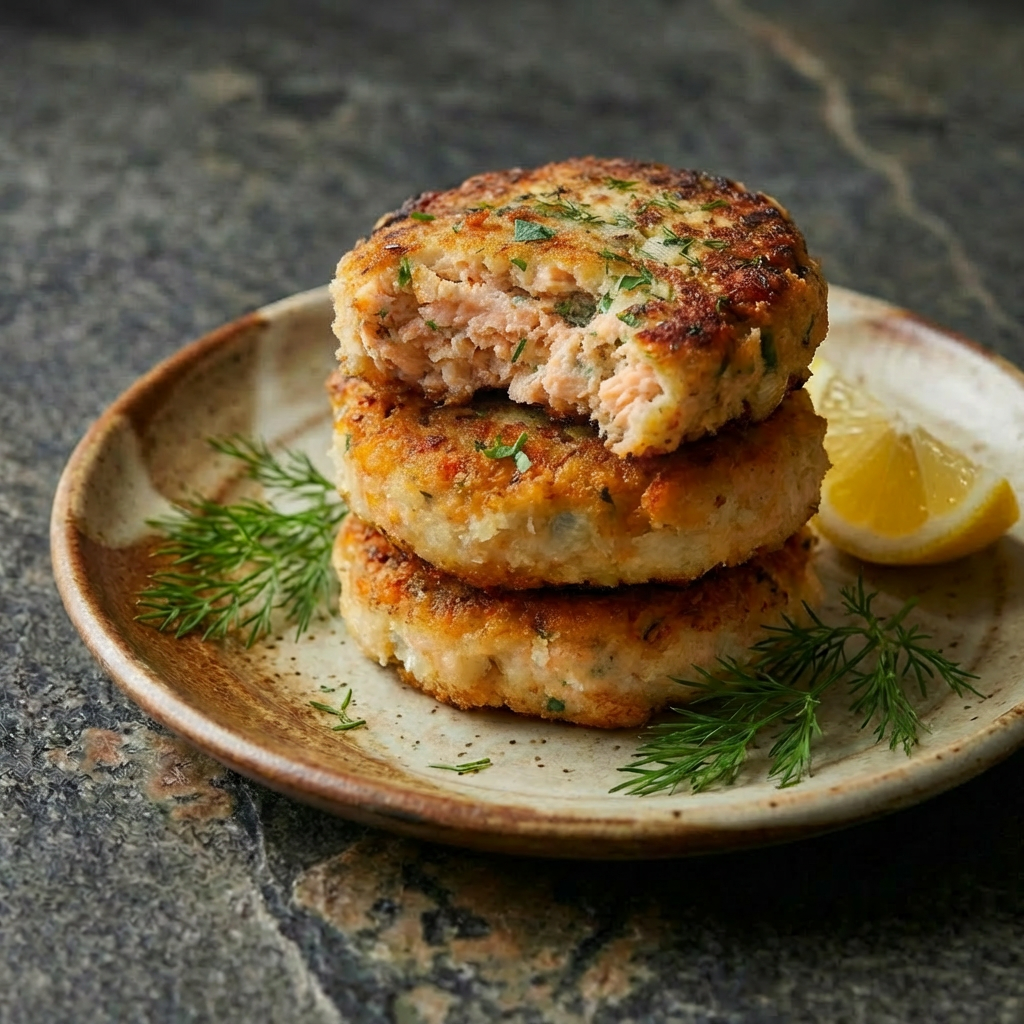
If you’re looking for a budget-friendly, flavor-packed meal that feels nostalgic and satisfying, these Salmon Patties are the perfect choice.
Crispy on the outside, tender and flaky on the inside, salmon patties are simple to prepare and come together with pantry staples you likely already have on hand.
Whether you’re making them for a quick weeknight dinner, meal prep, or a comforting family meal, this step-by-step guide will help you achieve perfectly golden patties every time.
Let’s get started.
Why You’ll Love This Recipe
Crispy golden crust
Tender, flaky interior
Made with simple pantry ingredients
Budget-friendly and filling
Ready in under 30 minutes
Salmon patties are versatile, easy, and packed with protein. They’re also a great way to transform canned salmon into something truly special.
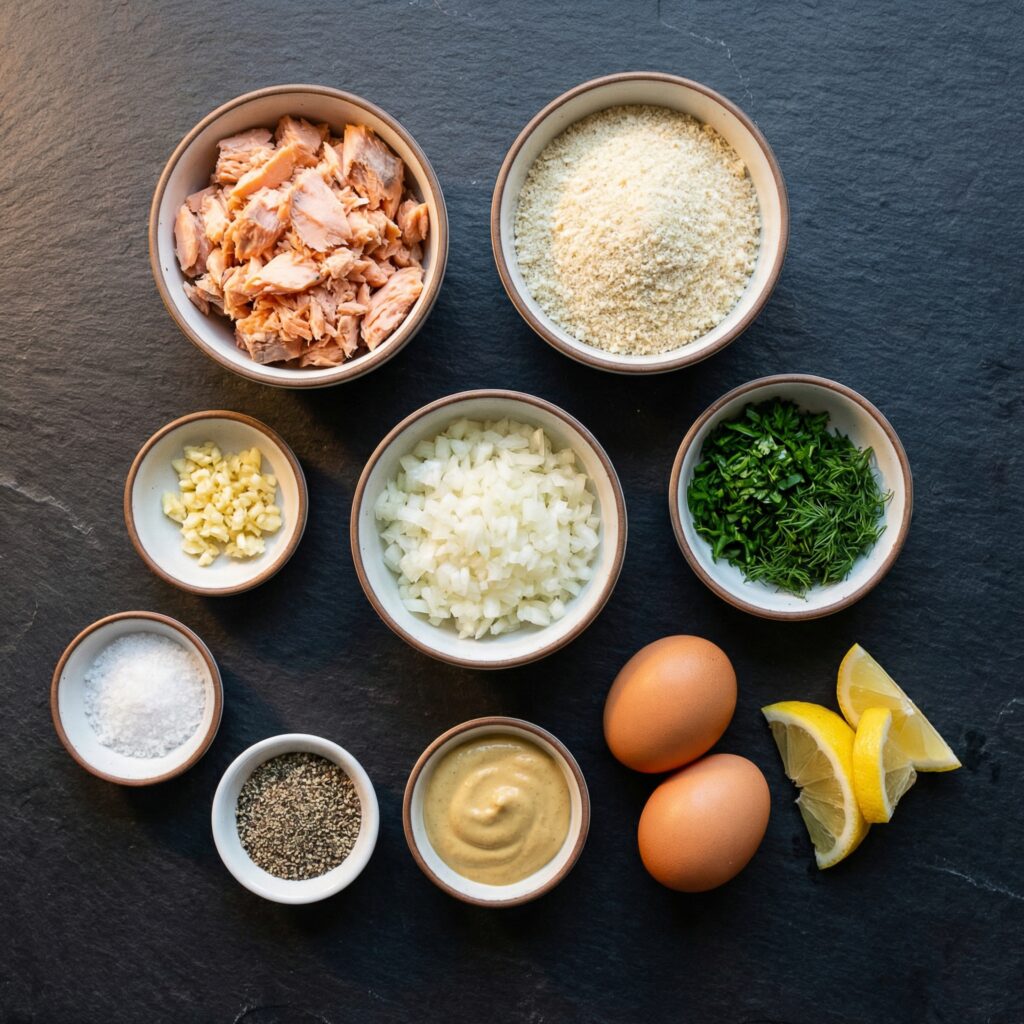
Ingredients You’ll Need
2 (14–15 ounce) cans salmon, drained
1 large egg
½ cup breadcrumbs (plus more if needed)
¼ cup finely diced onion
2 tablespoons mayonnaise
1 tablespoon Dijon mustard
1 tablespoon lemon juice
1 tablespoon fresh parsley, chopped (optional)
½ teaspoon garlic powder
½ teaspoon paprika
Salt and black pepper, to taste
2–3 tablespoons oil for frying (vegetable or olive oil)
Step 1: Prepare the Salmon
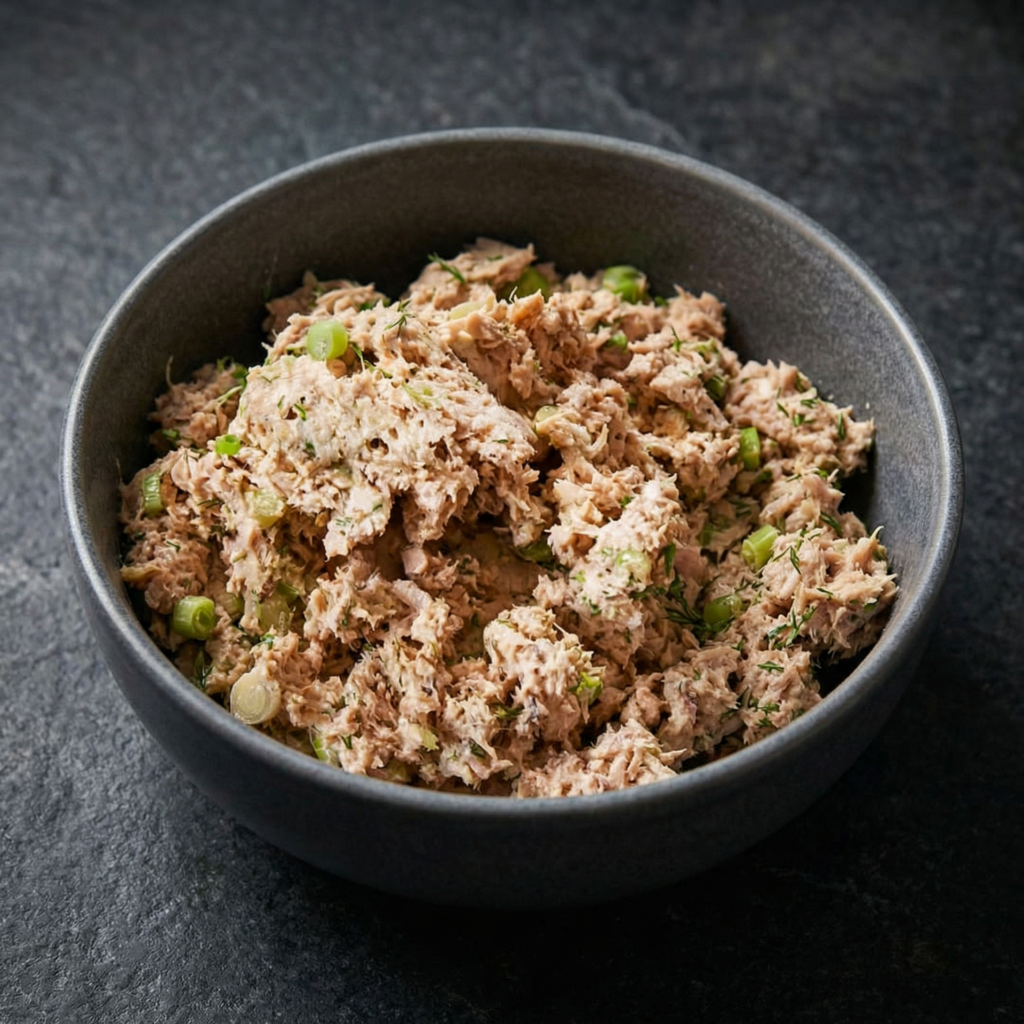
Drain the canned salmon thoroughly. Transfer it to a large mixing bowl.
Use a fork to gently flake the salmon into smaller pieces. If your canned salmon contains bones, you can either remove them or mash them in—they are soft, edible, and rich in calcium.
Flaking the salmon ensures even mixing and consistent texture in every patty.
Step 2: Mix the Binding Ingredients
Add the egg, mayonnaise, Dijon mustard, and lemon juice to the bowl. Stir gently to combine.
The egg and breadcrumbs act as binders, helping the patties hold their shape. The mayonnaise adds moisture, while mustard and lemon juice bring brightness and depth of flavor.
Step 3: Add Seasonings and Texture
Stir in breadcrumbs, diced onion, parsley, garlic powder, paprika, salt, and pepper.
Mix just until combined. The mixture should hold together when pressed but not feel overly wet. If it’s too loose, add a tablespoon of breadcrumbs at a time until it firms up.
Avoid overmixing, as this can make the patties dense.
Step 4: Shape the Patties
Using your hands, scoop about ⅓ cup of mixture and shape it into a patty about ½ inch thick.
Place formed patties on a plate or baking sheet. You should get about 6–8 patties depending on size.
For best results, refrigerate the patties for 15–20 minutes before cooking. This helps them firm up and prevents breaking during frying.
Step 5: Heat the Pan
Heat oil in a large skillet over medium heat. The oil should shimmer but not smoke.
A properly heated pan ensures a crisp crust without absorbing excess oil.
Step 6: Fry Until Golden
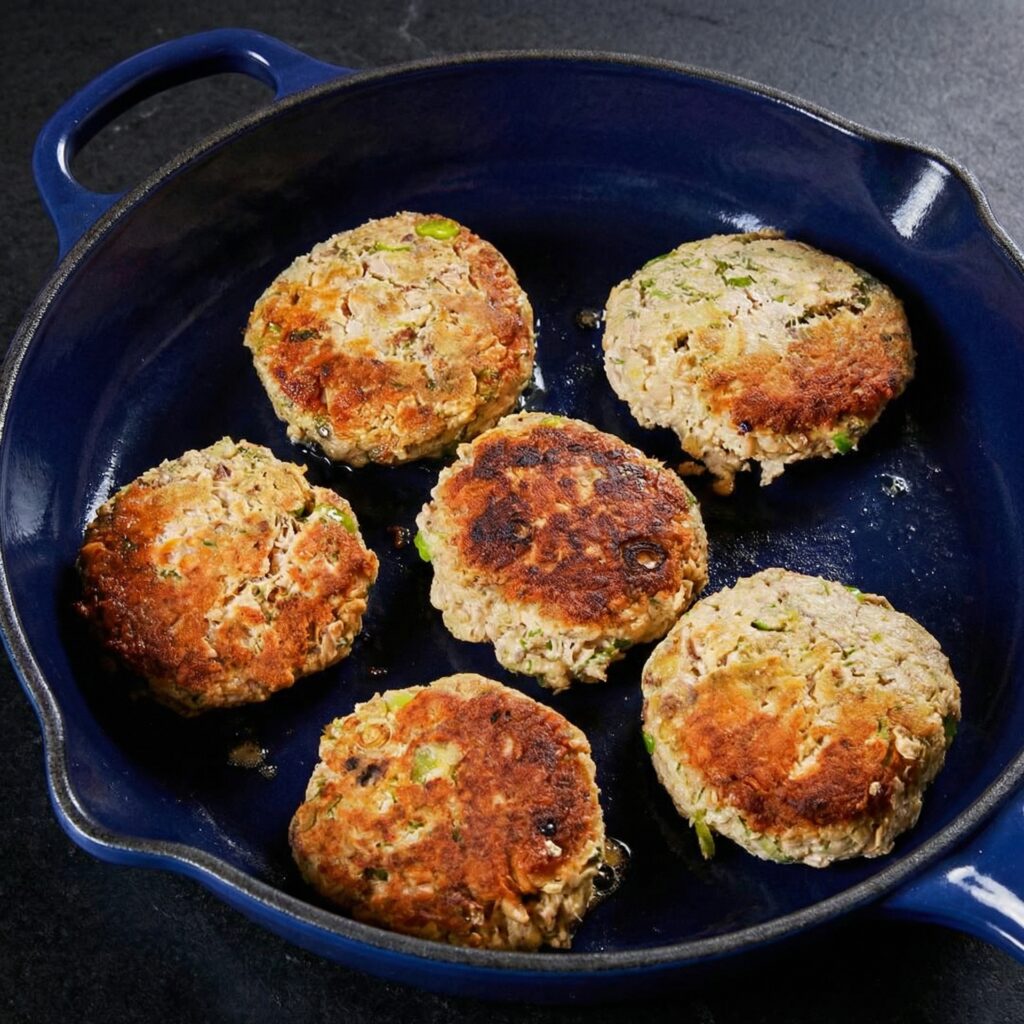
Carefully place patties into the skillet in a single layer. Do not overcrowd the pan.
Cook for about 3–4 minutes per side, or until golden brown and crispy.
Flip gently using a spatula. Salmon patties are delicate, so patience is key.
Once both sides are crisp and heated through, transfer them to a plate lined with paper towels.
Step 7: Serve Warm
Serve the salmon patties immediately while hot and crispy.
They pair beautifully with:
Tartar sauce
Lemon wedges
A fresh green salad
Mashed potatoes
Coleslaw
You can also serve them on buns as salmon burgers or tuck them into wraps.
Tips for Perfect Salmon Patties
Drain salmon thoroughly to avoid soggy patties.
Chill before frying for better structure.
Use medium heat—too high can burn the outside before heating through.
If flipping is tricky, let them cook longer before turning; they release more easily once a crust forms.
Flavor Variations
Want to customize your salmon patties? Try these ideas:
Add finely diced bell peppers for sweetness and crunch.
Mix in a dash of hot sauce for heat.
Substitute crushed crackers for breadcrumbs.
Add grated Parmesan for extra savory depth.
Incorporate fresh dill for a brighter, herb-forward version.
These small tweaks can completely transform the flavor profile.
Baking Option
Prefer not to fry? You can bake them instead.
Preheat your oven to 400°F (200°C). Place patties on a parchment-lined baking sheet. Lightly brush or spray with oil.
Bake for 12–15 minutes, flipping halfway through, until golden and heated through.
They won’t be quite as crispy as pan-fried, but they’re still delicious and lighter.
Storage & Reheating
Store leftovers in an airtight container in the refrigerator for up to 3 days.
To reheat, warm them in a skillet over medium heat to restore crispiness. You can also reheat in an air fryer at 350°F for 4–5 minutes.
Salmon patties also freeze well. Freeze cooked patties in a single layer, then transfer to a freezer bag for up to 2 months.
Final Thoughts
Salmon Patties are a timeless comfort food that proves simple ingredients can create something incredibly satisfying. With their crisp golden crust and tender, flavorful center, they’re easy enough for weeknights yet impressive enough for guests.
Whether you enjoy them classic-style with tartar sauce or elevate them with fresh herbs and bright lemon, these patties deliver comfort and flavor in every bite.
Grab a skillet, open a can of salmon, and enjoy a meal that’s crispy, hearty, and wonderfully nostalgic.
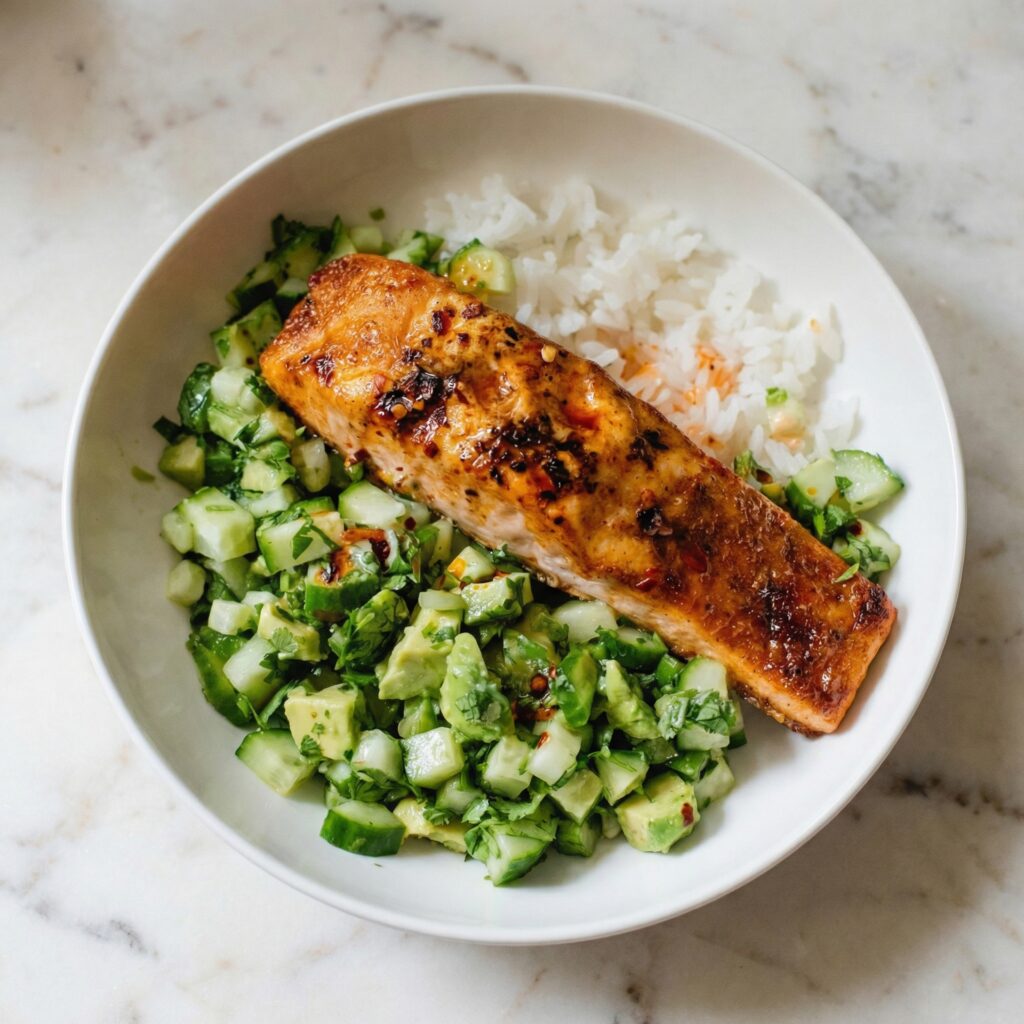
If you want a healthy, vibrant meal that feels elegant but requires minimal effort, this Oven-Baked Salmon with Avocado Cucumber Salsa and Rice is the perfect choice. Baking the salmon in the oven ensures even cooking, tender texture, and hands-off convenience—no splattering stovetop required.
Paired with cool, creamy avocado cucumber salsa and fluffy rice, this dish delivers the perfect balance of warm and fresh, rich and bright. Let’s walk through it step by step so you can recreate this flavorful meal at home.
Why Bake the Salmon?
Oven-baking salmon is:
Easier and less messy than pan-searing
Great for cooking multiple fillets at once
Consistent and beginner-friendly
Perfect for juicy, evenly cooked fish
The gentle heat keeps the salmon moist while allowing the seasoning to shine.
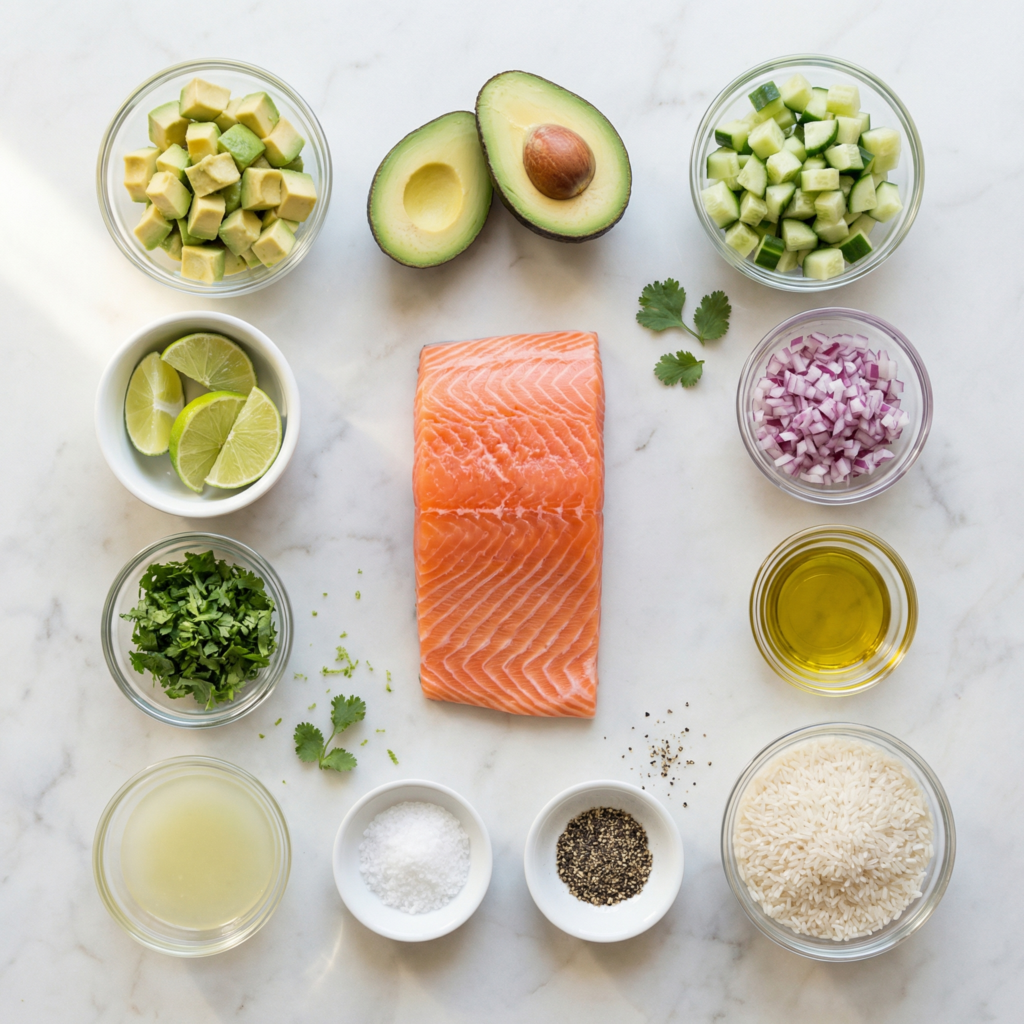
Ingredients You’ll Need
For the Rice:
1½ cups jasmine or long-grain white rice
2 cups water
½ teaspoon salt
For the Oven-Baked Salmon:
4 salmon fillets (about 6 oz each)
1 tablespoon olive oil
Salt and black pepper to taste
1 teaspoon garlic powder
1 teaspoon paprika
Juice of ½ lemon
For the Avocado Cucumber Salsa:
1 ripe avocado, diced
1 cup cucumber, finely chopped
2 tablespoons red onion, finely diced
Juice of ½ lemon or lime
Salt to taste
Optional: chopped fresh cilantro
Step 1: Preheat the Oven
Preheat your oven to 400°F (200°C).
Line a baking sheet with parchment paper or lightly grease a baking dish. This prevents sticking and makes cleanup easy.
Step 2: Cook the Rice
Start the rice first so everything finishes at the same time.
Rinse the rice under cold water until the water runs mostly clear. This removes excess starch and keeps the rice fluffy.
In a medium saucepan, combine the rinsed rice, water, and salt. Bring to a boil over medium-high heat.
Once boiling, reduce to low, cover, and simmer for 15 minutes. Do not lift the lid during cooking.
After 15 minutes, remove from heat and let it sit covered for 5–10 minutes. Fluff gently with a fork before serving.
Step 3: Prepare the Salmon
Pat the salmon fillets dry with paper towels. Removing surface moisture helps the seasoning adhere better.
Place the fillets on the prepared baking sheet.
Drizzle olive oil evenly over the salmon. Season generously with salt, black pepper, garlic powder, and paprika. Squeeze fresh lemon juice over the top for brightness.
Let the seasoned salmon sit for about 5–10 minutes while the oven finishes preheating.
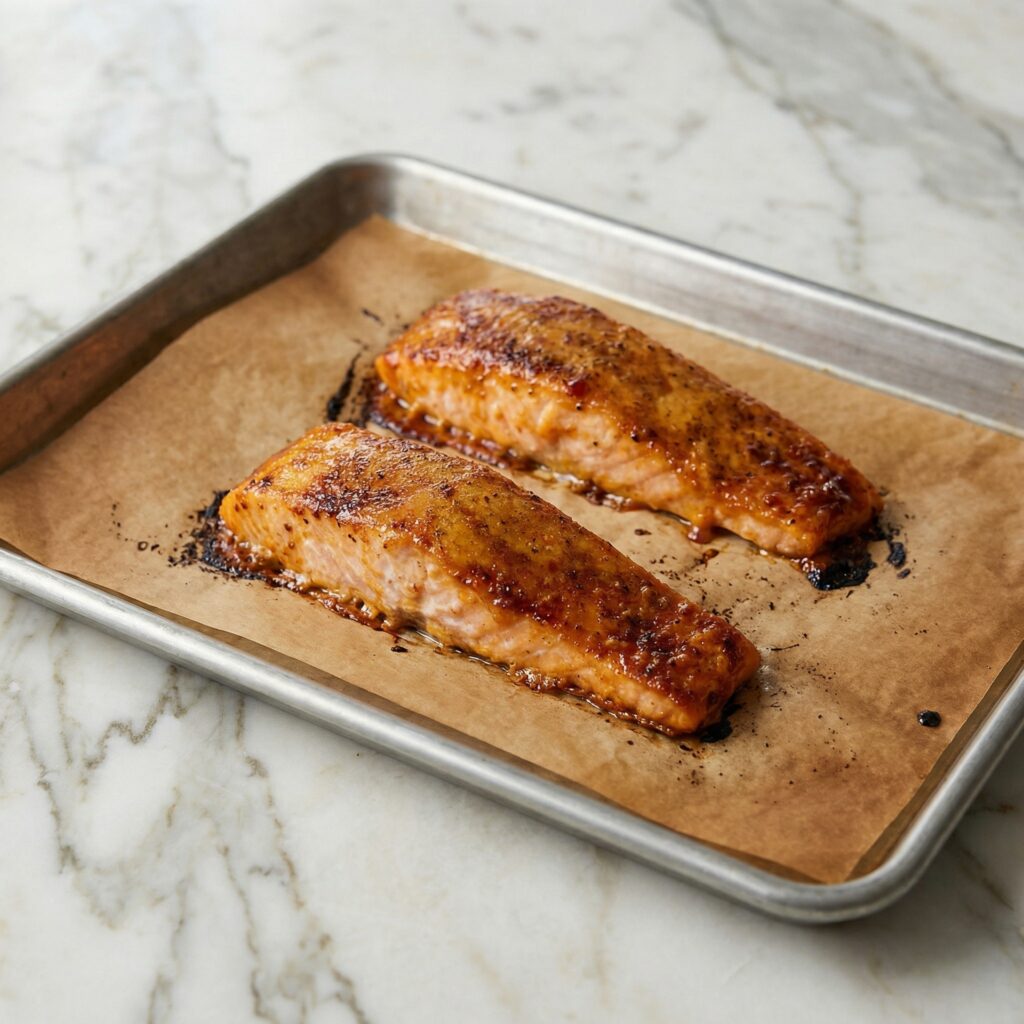
Step 4: Bake the Salmon
Place the baking sheet in the preheated oven.
Bake for 12–15 minutes, depending on thickness. A general rule is about 4–6 minutes per half-inch of thickness.
The salmon is done when:
It flakes easily with a fork
The center is opaque
Internal temperature reaches about 125–130°F (52–54°C) for medium
Avoid overcooking—salmon can dry out quickly.
If you prefer slightly golden edges, broil for the last 1–2 minutes.
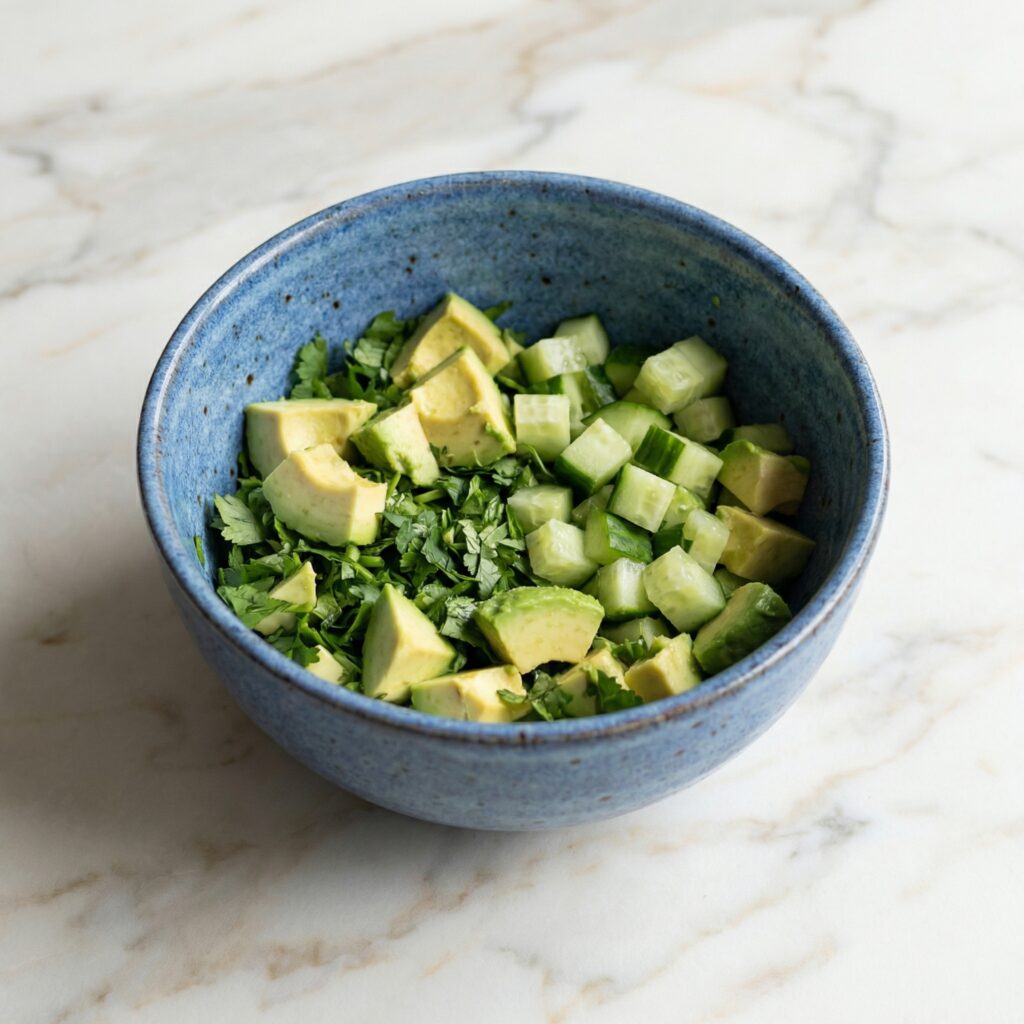
Step 5: Prepare the Avocado Cucumber Salsa
While the salmon bakes, make the salsa.
In a bowl, gently combine diced avocado, chopped cucumber, and red onion.
Add lemon or lime juice and a pinch of salt. Toss gently to combine without mashing the avocado.
If using cilantro, fold it in last.
Place the salsa in the refrigerator until ready to serve.
Keeping it chilled enhances the refreshing contrast against the warm salmon.
Step 6: Rest the Salmon
Once baked, remove the salmon from the oven and let it rest for about 3–5 minutes.
Resting allows the juices to redistribute and keeps the fish tender.
Step 7: Assemble the Dish
Spoon a generous serving of fluffy rice onto each plate or bowl.
Place a warm salmon fillet on top.
Spoon the chilled avocado cucumber salsa over the salmon.
The cool salsa melts slightly against the warm fish, creating a beautiful temperature contrast.
Flavor and Texture Balance
This dish offers:
Tender, flaky baked salmon
Creamy avocado richness
Crisp cucumber crunch
Bright citrus notes
Soft, comforting rice
Every bite feels fresh yet satisfying.
Tips for Perfect Oven-Baked Salmon
Use salmon fillets of similar thickness for even cooking.
Don’t overcrowd the baking sheet.
Line the pan for easy cleanup.
Bake just until flaky—avoid drying it out.
Let it rest before serving.
Optional Variations
Want to customize?
Add diced mango to the salsa for sweetness.
Sprinkle red pepper flakes for heat.
Use coconut rice for a tropical twist.
Drizzle honey over salmon before baking for subtle caramelization.
Add a dollop of Greek yogurt mixed with lemon for extra creaminess.
Storage and Meal Prep
Store leftovers in airtight containers for up to 2 days.
Keep salsa separate from salmon and rice to maintain freshness.
Reheat salmon and rice gently in the microwave or oven at low heat. Add fresh salsa just before serving.
This recipe makes an excellent meal prep option for healthy lunches.
Why This Recipe Works
Baking the salmon keeps the cooking simple and hands-off, while the fresh salsa adds brightness and texture. The rice anchors the dish, making it filling and balanced.
It’s clean, flavorful, and visually beautiful—perfect for both casual dinners and special occasions.
Oven-Baked Salmon with Avocado Cucumber Salsa and Rice proves that wholesome meals can be exciting and satisfying. With fresh ingredients and simple techniques, you’ll create a dish that feels vibrant, balanced, and restaurant-worthy—right from your own kitchen.