Tag: Filipino pork stew

  • Pork Estofado (Filipino Braised Pork Stew)

    Pork Estofado (Filipino Braised Pork Stew)

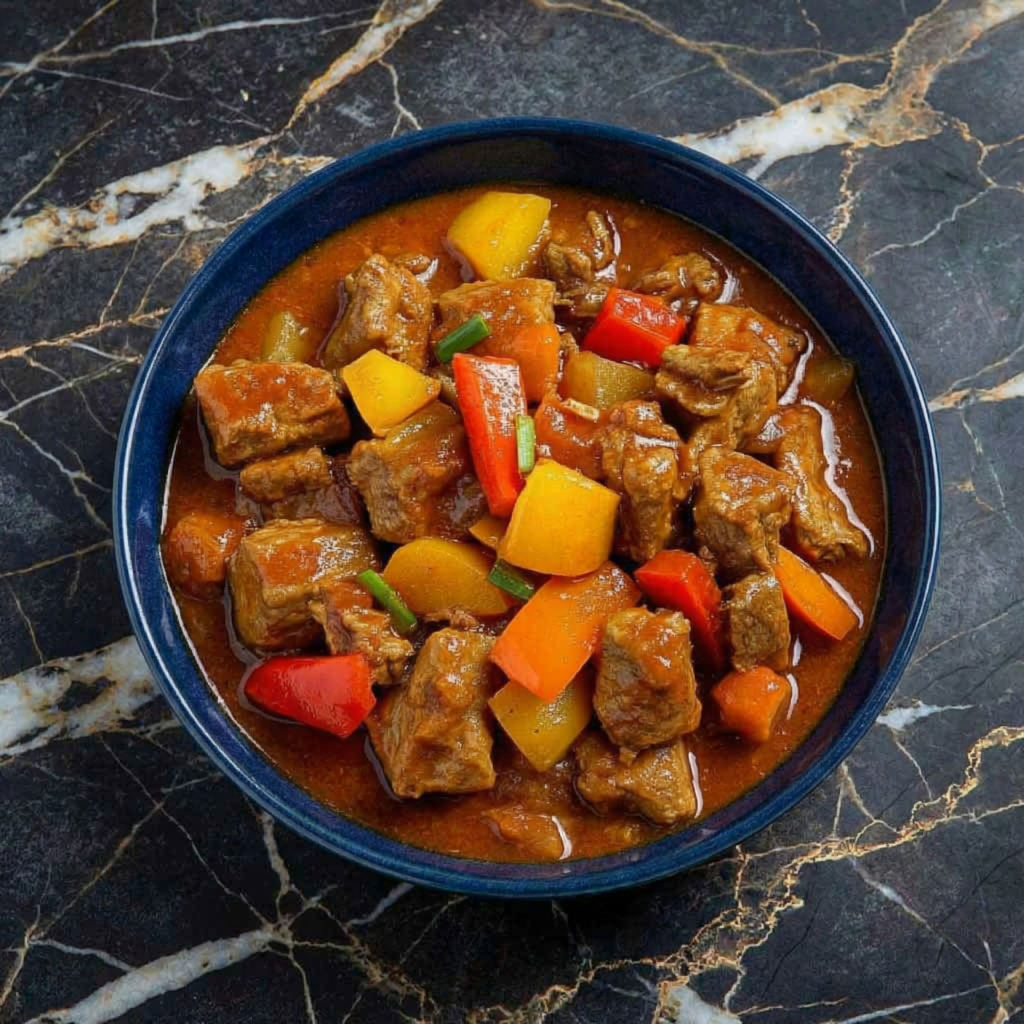
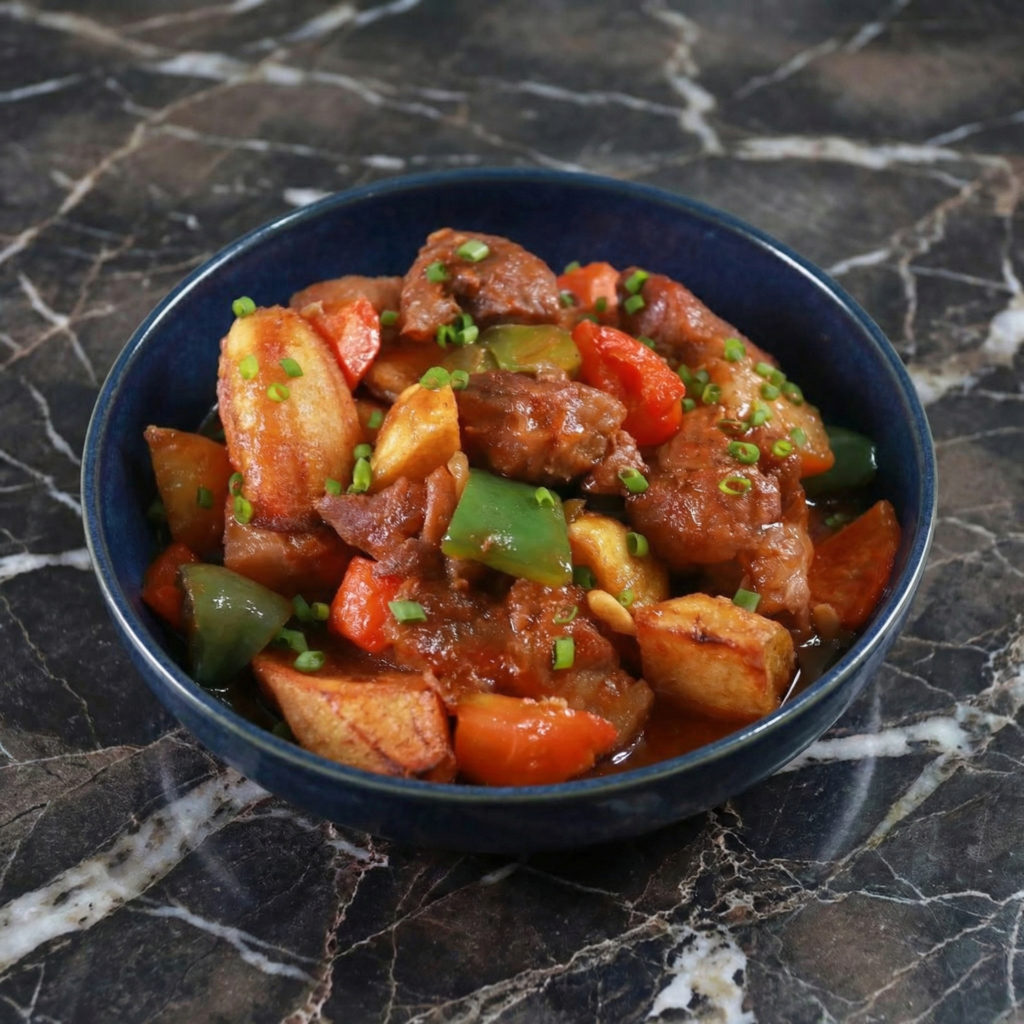
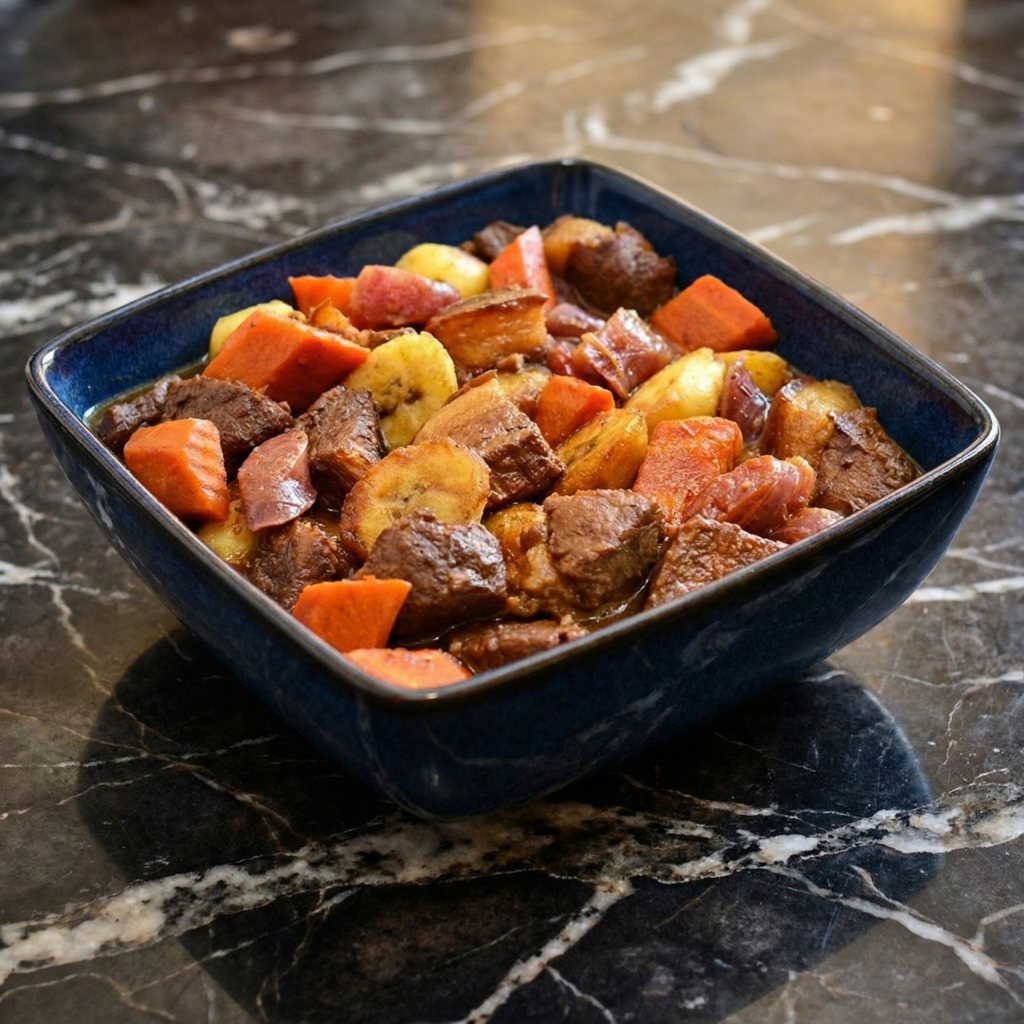
    In the rich tapestry of Filipino cuisine, pork estofado stands out as a dish of remarkable depth and character. This slow-braised pork stew combines tender pork shoulder with a sweet-savory sauce of soy, vinegar, and sugar, infused with garlic, onions, and bay leaves.

    What makes it truly unique is the addition of fried saba bananas—a type of plantain that adds a subtle sweetness and hearty texture that perfectly complements the rich, caramelized sauce.

    The result is a dish that’s both comforting and elegant, perfect for special occasions like Noche Buena (Christmas Eve) or a cozy family dinner. Serve it with steamed rice to soak up every drop of that glorious sauce.

    Ingredients
    For the Pork Estofado:

    • 2 lbs (900g) pork shoulder or pork butt, cut into 2-inch chunks
    • 2 tablespoons vegetable oil
    • 1 medium onion, diced
    • 4 cloves garlic, minced
    • ½ cup (120ml) soy sauce
    • ½ cup (120ml) vinegar (cane, white, or apple cider)
    • ½ cup (100g) brown sugar, packed
    • 1 cup (240ml) water or beef broth
    • 2 bay leaves
    • 1 teaspoon whole peppercorns
    • 4 saba bananas or plantains, peeled and sliced lengthwise (or into 2-inch pieces)
    • Salt and black pepper, to taste
    • Fresh parsley or green onions, chopped, for garnish

    For Serving:

    • Steamed white rice

    Instructions

    1. Sear the Pork: Pat the pork chunks dry with paper towels. Season lightly with salt and pepper. Heat the vegetable oil in a large Dutch oven or heavy-bottomed pot over medium-high heat.

    Working in batches to avoid overcrowding, sear the pork until golden brown on all sides, about 3 to 4 minutes per batch. Remove and set aside.

    2. Sauté Aromatics: Reduce heat to medium. Add the onion to the pot and cook for 3 to 4 minutes until softened. Add the garlic and cook for 1 minute until fragrant.

    3. Build the Sauce: Return the seared pork to the pot. Add the soy sauce, vinegar, brown sugar, water, bay leaves, and peppercorns. Stir to combine.

    Bring to a boil, then reduce heat to low. Cover and simmer for 1½ to 2 hours, stirring occasionally, until the pork is fork-tender and the sauce has reduced and thickened.

    4. Fry the Bananas: While the pork simmers, heat a separate skillet over medium heat with a little oil. Fry the saba bananas until golden brown on both sides, about 2 to 3 minutes per side. Set aside.

    5. Add Bananas and Finish: When the pork is tender, add the fried bananas to the pot. Gently stir to coat with the sauce. Simmer for another 5 to 10 minutes to allow the bananas to absorb the flavors. Taste and adjust seasoning with additional salt, pepper, or sugar if needed.

    6. Serve: Transfer to a serving bowl. Garnish with fresh parsley or green onions. Serve hot with steamed white rice.

    This Pork Estofado is a celebration of Filipino flavors—sweet, savory, and deeply comforting.
  • Pork Menudo (Filipino Pork Stew)

    Pork Menudo (Filipino Pork Stew)

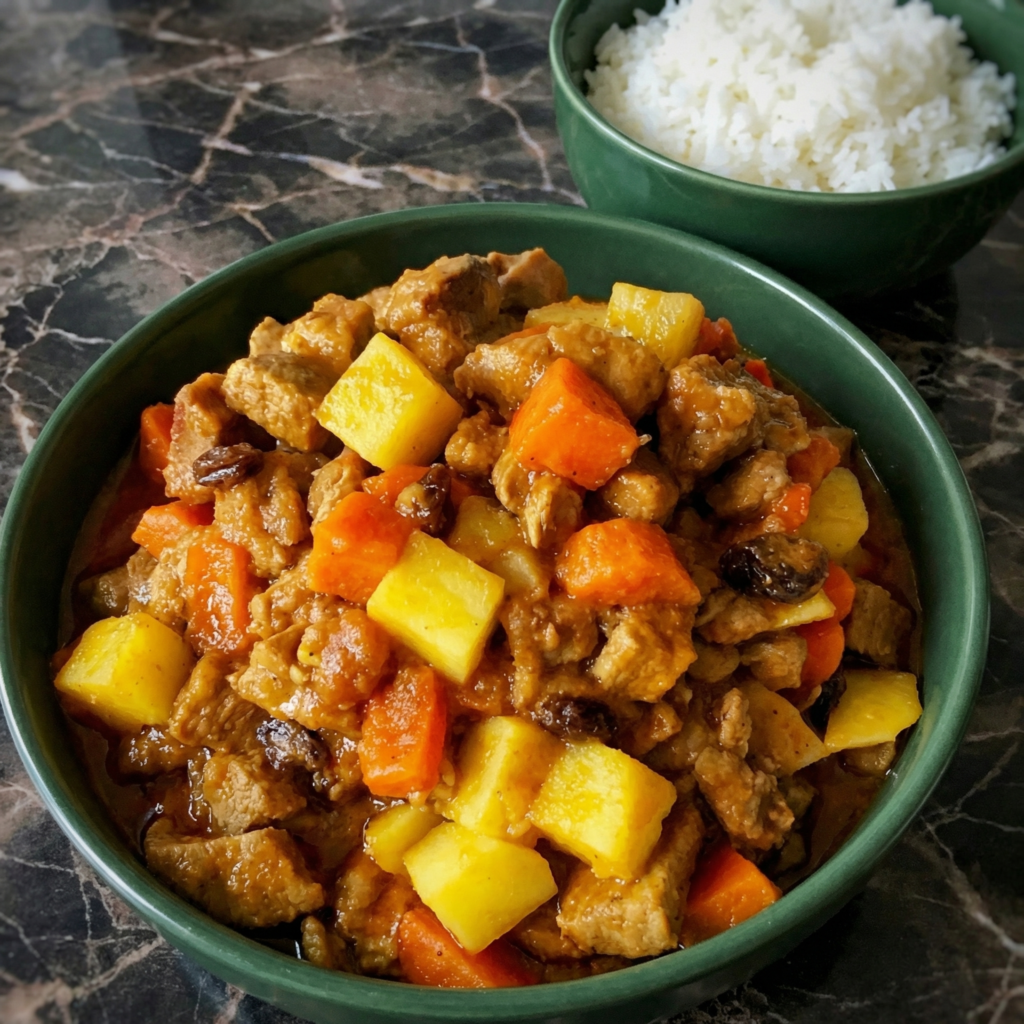
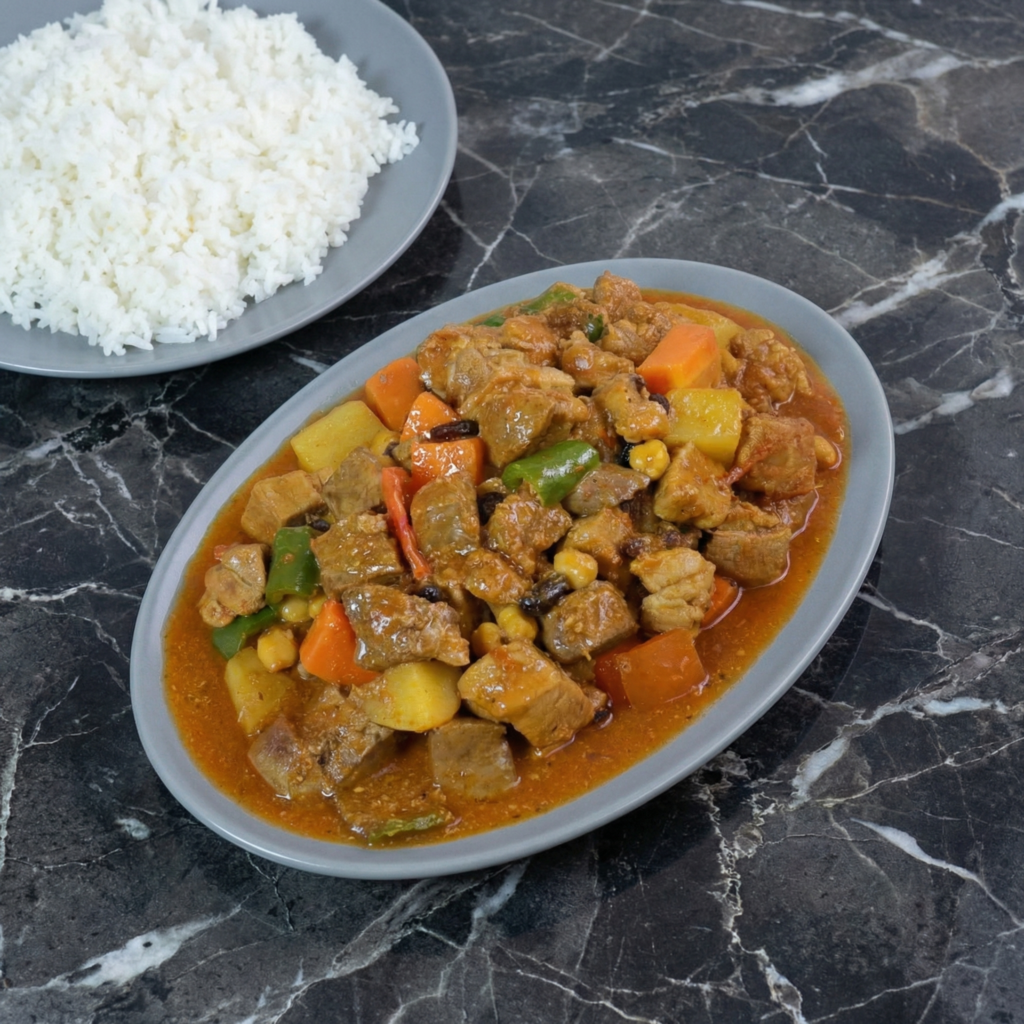
    Ask any Filipino about their favorite fiesta dish, and pork menudo is sure to be near the top of the list. This hearty, flavorful stew combines tender pork, pork liver, potatoes, carrots, and bell peppers in a rich tomato-based sauce that’s sweet, savory, and slightly tangy.

    It’s the kind of dish that fills your home with an irresistible aroma and brings everyone to the table. While menudo is a staple at celebrations—birthdays, holidays, and town fiestas—it’s equally beloved as a comforting weeknight meal.

    The beauty of menudo lies in its balance: the sweetness of raisins and liver spread, the tang of tomatoes, the earthiness of potatoes and carrots, and the savory depth of pork and soy sauce. Serve it with steaming white rice, and you have a meal that’s pure Filipino comfort.

    Ingredients

    For the Pork Menudo:

    • 2 lbs (900g) pork shoulder or pork butt, cut into 1-inch cubes
    • ½ lb (225g) pork liver, cut into small cubes (or 3 tbsp liver spread, for milder flavor)
    • 2 tablespoons vegetable oil
    • 1 medium onion, finely diced
    • 4 cloves garlic, minced
    • 2 medium potatoes, peeled and cut into ½-inch cubes
    • 2 medium carrots, peeled and cut into ½-inch cubes
    • 1 red bell pepper, seeded and diced
    • 1 can (8 oz / 225g) tomato sauce
    • ¼ cup (60ml) water or chicken broth
    • ¼ cup (60ml) soy sauce
    • 2 tablespoons fish sauce (patis)
    • ¼ cup (40g) raisins
    • 1 tablespoon brown sugar (optional, for extra sweetness)
    • 2 bay leaves
    • ½ teaspoon black pepper
    • Salt, to taste
    • 2 tablespoons fresh parsley or green onions, chopped, for garnish

    Optional Add-Ins:

    • ½ cup frozen peas
    • 2 hotdogs, sliced (popular addition)
    • ¼ cup chickpeas (garbanzos)

    For Serving:

    • Steamed white rice

    Instructions

    1. Sear the Pork: Pat the pork cubes dry with paper towels. Season lightly with salt and pepper. Heat the vegetable oil in a large Dutch oven or heavy-bottomed pot over medium-high heat. Working in batches, sear the pork until golden brown on all sides, about 3 to 4 minutes per batch. Remove and set aside.

    2. Sauté Aromatics: Reduce heat to medium. Add the onion to the pot and cook for 3 to 4 minutes until softened. Add the garlic and cook for 1 minute until fragrant.

    3. Add Liver and Vegetables: If using fresh liver, add it to the pot and cook for 2 to 3 minutes until browned. Add the potatoes and carrots, stirring to coat with the aromatics.

    4. Build the Sauce: Return the seared pork to the pot. Add the tomato sauce, water, soy sauce, fish sauce, raisins, bay leaves, and black pepper. Stir to combine. If using liver spread instead of fresh liver, add it now. Bring to a boil, then reduce heat to low.

    5. Simmer: Cover and simmer for 45 to 60 minutes, stirring occasionally, until the pork is fork-tender and the sauce has thickened. Add the bell peppers and any optional add-ins (peas, hotdogs, chickpeas) during the last 10 minutes of cooking.

    6. Adjust Seasoning: Taste and adjust seasoning with additional salt, pepper, or sugar if needed. The sauce should be rich, slightly sweet, and savory.

    7. Serve: Transfer to a serving bowl. Garnish with fresh parsley or green onions. Serve hot with steamed white rice.

    This Pork Menudo captures the heart of Filipino home cooking—savory, slightly sweet, and deeply satisfying.