Tag: Italian Recipe

  • Fresh, Bright, and Irresistible: How to Make Classic Tomato Bruschetta

    Fresh, Bright, and Irresistible: How to Make Classic Tomato Bruschetta

    When it comes to simple yet unforgettable appetizers, tomato bruschetta stands out as a timeless favorite.

    This classic Italian dish combines toasted bread with fresh tomatoes, garlic, olive oil, and herbs to create a bite that is both refreshing and deeply flavorful.

    With just a handful of high-quality ingredients, you can prepare an appetizer that feels elegant, rustic, and perfect for almost any occasion.

    Whether you’re hosting a dinner party, preparing a quick snack, or looking for a light summer appetizer, tomato bruschetta delivers bold flavor with minimal effort.

    The secret lies in using ripe tomatoes, good olive oil, and properly toasted bread that provides the perfect crunchy base.

    In this step-by-step guide, you’ll learn how to make authentic tomato bruschetta that tastes like it came straight from an Italian kitchen.


    What Makes Bruschetta Special

    The word bruschetta comes from the Italian word bruscare, which means “to toast” or “to char.”

    Traditionally, bruschetta refers to grilled bread rubbed with garlic and topped with simple ingredients.

    The most popular version features fresh tomatoes, but the beauty of bruschetta is its versatility.

    While toppings can vary, the foundation always remains the same: crisp bread paired with fresh, vibrant ingredients.


    Ingredients

    To make about 8–10 pieces of tomato bruschetta, you will need:

    • 1 baguette or rustic Italian bread
    • 4 ripe Roma or vine tomatoes
    • 2 cloves garlic
    • 3 tablespoons extra virgin olive oil
    • 1 tablespoon balsamic vinegar (optional)
    • ¼ cup fresh basil leaves, chopped
    • Salt to taste
    • Freshly ground black pepper

    Optional additions:

    • Fresh mozzarella
    • Parmesan cheese
    • Red pepper flakes

    Using fresh, high-quality ingredients makes a huge difference in the final flavor of this dish.


    Step 1: Prepare the Tomatoes

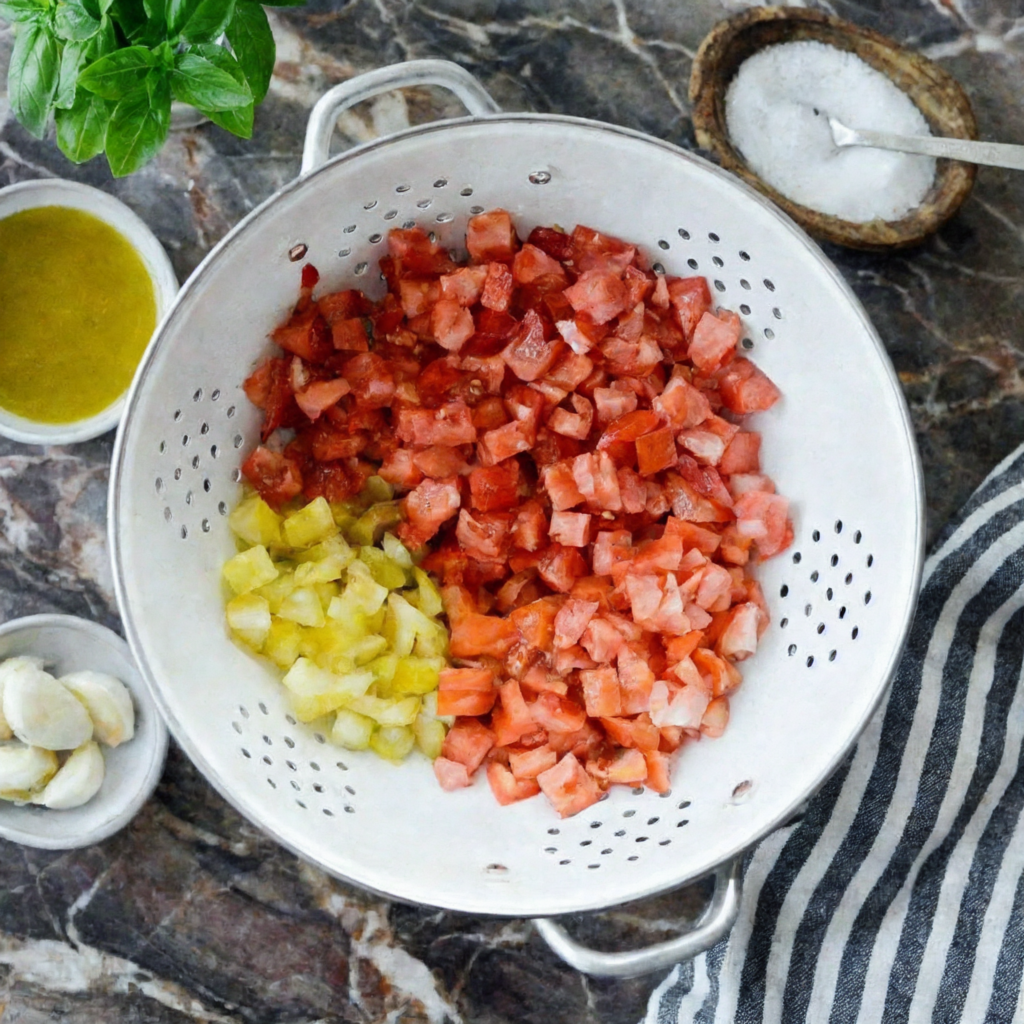
    Start by washing the tomatoes thoroughly.

    Dice them into small cubes, removing excess seeds and juice if necessary.

    Too much liquid can make the bruschetta soggy, so draining the tomatoes slightly helps maintain the perfect texture.

    Place the diced tomatoes into a medium mixing bowl.

    Step 2: Add Flavor to the Tomato Mixture

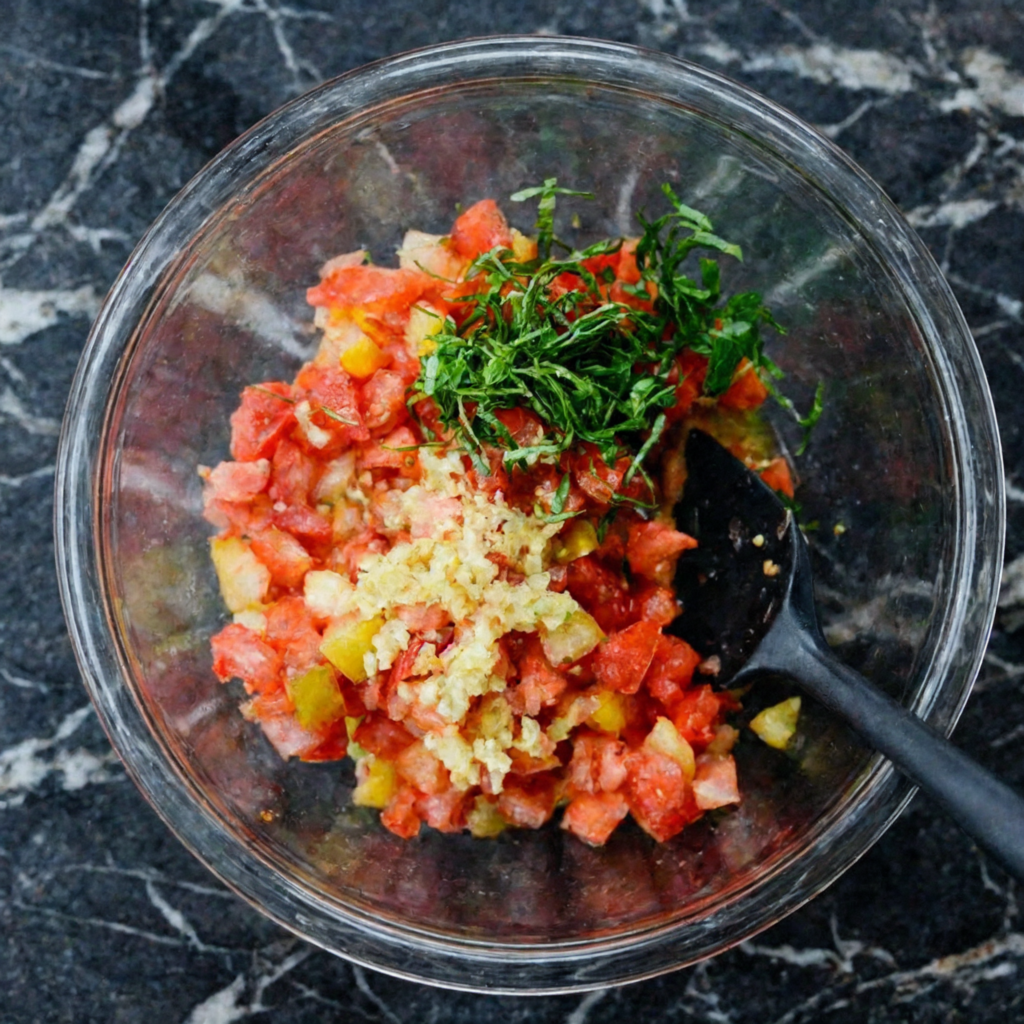
    Finely mince one clove of garlic and add it to the bowl of tomatoes.

    Next, pour in the olive oil and balsamic vinegar if using. The olive oil adds richness while the vinegar introduces a subtle tang that enhances the tomatoes.

    Add the chopped basil, a pinch of salt, and freshly ground black pepper.

    Gently stir the mixture until everything is well combined.

    Step 3: Let the Mixture Marinate

    Allow the tomato mixture to sit at room temperature for about 10–15 minutes.

    This short resting time lets the flavors blend together beautifully.

    The tomatoes release natural juices that mix with the olive oil and garlic, creating a light and flavorful dressing.


    Step 4: Slice the Bread

    While the tomatoes are marinating, slice the baguette into ½-inch thick pieces.

    Cut the slices at a slight diagonal to create larger surfaces for the toppings.

    Arrange the slices in a single layer on a baking sheet.


    Step 5: Toast the Bread

    Preheat your oven to 375°F (190°C).

    Lightly brush each slice of bread with olive oil. This step helps the bread develop a golden, crisp texture while adding extra flavor.

    Place the baking sheet in the oven and toast the bread for about 8–10 minutes, or until the edges turn golden and crunchy.

    Alternatively, you can toast the bread on a grill or in a skillet for a slightly smoky flavor.


    Step 6: Rub the Bread with Garlic

    Once the bread is toasted, remove it from the oven and let it cool slightly.

    Take the remaining clove of garlic and gently rub it across the warm surface of each slice of bread.

    The heat of the bread releases the garlic’s natural oils, infusing the toast with subtle flavor without overpowering the dish.

    This traditional step is what gives authentic bruschetta its signature aroma.


    Step 7: Assemble the Bruschetta

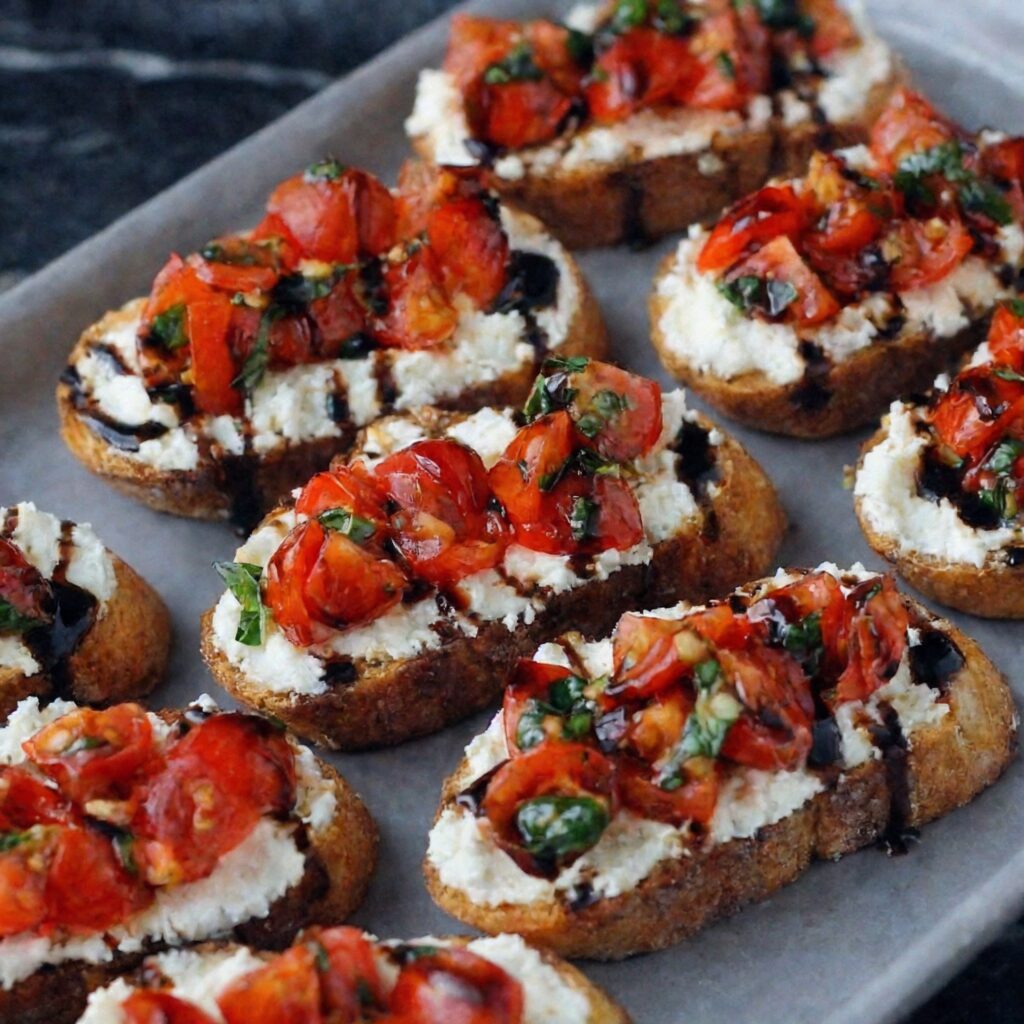
    Using a spoon, scoop the tomato mixture onto each slice of toasted bread.

    Be generous with the topping, but avoid adding too much liquid from the bowl. You want the bread to stay crisp rather than soggy.

    Spread the tomatoes evenly across the surface of each slice.


    Step 8: Optional Additions

    If you want to elevate your bruschetta even further, consider adding a few optional ingredients.

    Fresh mozzarella cubes can bring creamy richness, while a sprinkle of grated Parmesan adds a salty, savory note.

    For a touch of heat, sprinkle a pinch of red pepper flakes on top.


    Step 9: Final Drizzle

    For extra flavor and presentation, lightly drizzle a little more olive oil over the assembled bruschetta.

    Some people also enjoy adding a small drizzle of balsamic glaze for sweetness and visual contrast.

    This finishing touch enhances both taste and appearance.


    Step 10: Serve Immediately

    Tomato bruschetta is best enjoyed fresh. Serve it immediately after assembling to keep the bread crisp and the topping vibrant.

    Arrange the pieces on a serving platter and garnish with additional basil leaves if desired.

    The combination of crunchy bread, juicy tomatoes, and fragrant herbs makes each bite refreshing and satisfying.


    Tips for Perfect Bruschetta

    Choose ripe tomatoes. Fresh, juicy tomatoes provide the best flavor.

    Use good olive oil. High-quality extra virgin olive oil greatly improves the taste.

    Toast the bread well. Crisp bread prevents sogginess and adds texture.

    Don’t assemble too early. Add the topping just before serving for the best results.


    Serving Ideas

    Tomato bruschetta pairs wonderfully with many dishes. Try serving it with:

    • Pasta dishes
    • Grilled chicken or seafood
    • Antipasto platters
    • Fresh salads

    It also works beautifully as a light appetizer alongside a glass of wine.


    Final Thoughts

    Tomato bruschetta proves that simple ingredients can create extraordinary flavor.

    With ripe tomatoes, fragrant basil, garlic, and perfectly toasted bread, this classic appetizer delivers freshness and elegance in every bite.

    It’s quick to prepare, visually appealing, and incredibly satisfying, making it ideal for everything from casual gatherings to formal dinners.

    Once you master this recipe, you’ll have a go-to appetizer that never fails to impress.

    Serve it fresh, share it with friends and family, and enjoy a taste of rustic Italian cooking right at home.
  • Decadent, Creamy, and Seafood-Forward: Lobster Risotto You Can Make at Home

    Decadent, Creamy, and Seafood-Forward: Lobster Risotto You Can Make at Home

    Few dishes scream indulgence quite like Lobster Risotto. Silky, creamy, and infused with the delicate sweetness of lobster, this Italian classic is a showstopper for special dinners, romantic evenings, or celebratory occasions.

    While risotto may seem intimidating, it’s more approachable than you think when broken down step by step.

    With patience, quality ingredients, and careful attention, you can create a restaurant-worthy lobster risotto that’s both comforting and luxurious.

    Let’s dive into the ultimate guide for crafting this indulgent dish.


    Ingredients

    For the lobster:

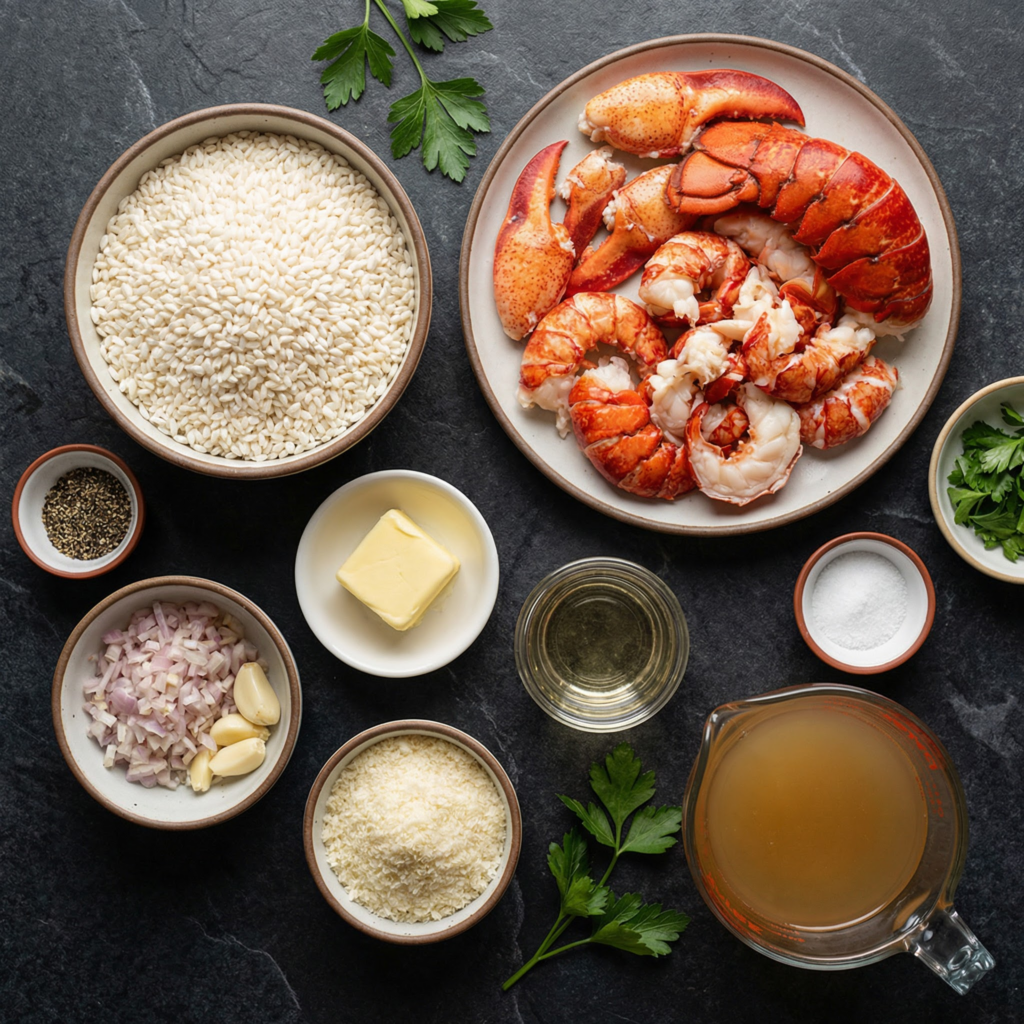
    • 1–1 ½ pounds lobster tails or whole lobster (cooked and shelled)
    • 2 tablespoons unsalted butter
    • Salt and pepper, to taste

    For the risotto:

    • 1 ½ cups Arborio rice
    • 1 small onion, finely chopped
    • 2 cloves garlic, minced
    • 4 tablespoons unsalted butter
    • 2 tablespoons olive oil
    • ½ cup dry white wine
    • 5–6 cups lobster or seafood stock, kept warm
    • ½ cup freshly grated Parmesan cheese
    • 2 tablespoons heavy cream (optional, for extra creaminess)
    • Salt and freshly ground black pepper, to taste
    • Fresh parsley or chives, chopped, for garnish

    Step 1: Prepare the Lobster

    If using live lobster, cook it in boiling water for 8–10 minutes for tails, or 10–12 minutes for whole lobster. Remove the meat from shells, chop into bite-sized pieces, and set aside.

    For pre-cooked lobster, simply chop the meat into chunks and set aside.

    In a small skillet over medium heat, melt 2 tablespoons butter and lightly sauté the lobster pieces for 1–2 minutes, seasoning with salt and pepper. This step enhances the lobster’s flavor and prevents it from tasting cold or raw when added to the risotto later.


    Step 2: Heat the Stock

    Pour lobster or seafood stock into a saucepan and bring to a gentle simmer. Keep it warm over low heat—this ensures the rice cooks evenly without shocking the grains with cold liquid.

    Warm stock is a key secret to creamy risotto.


    Step 3: Sauté the Aromatics

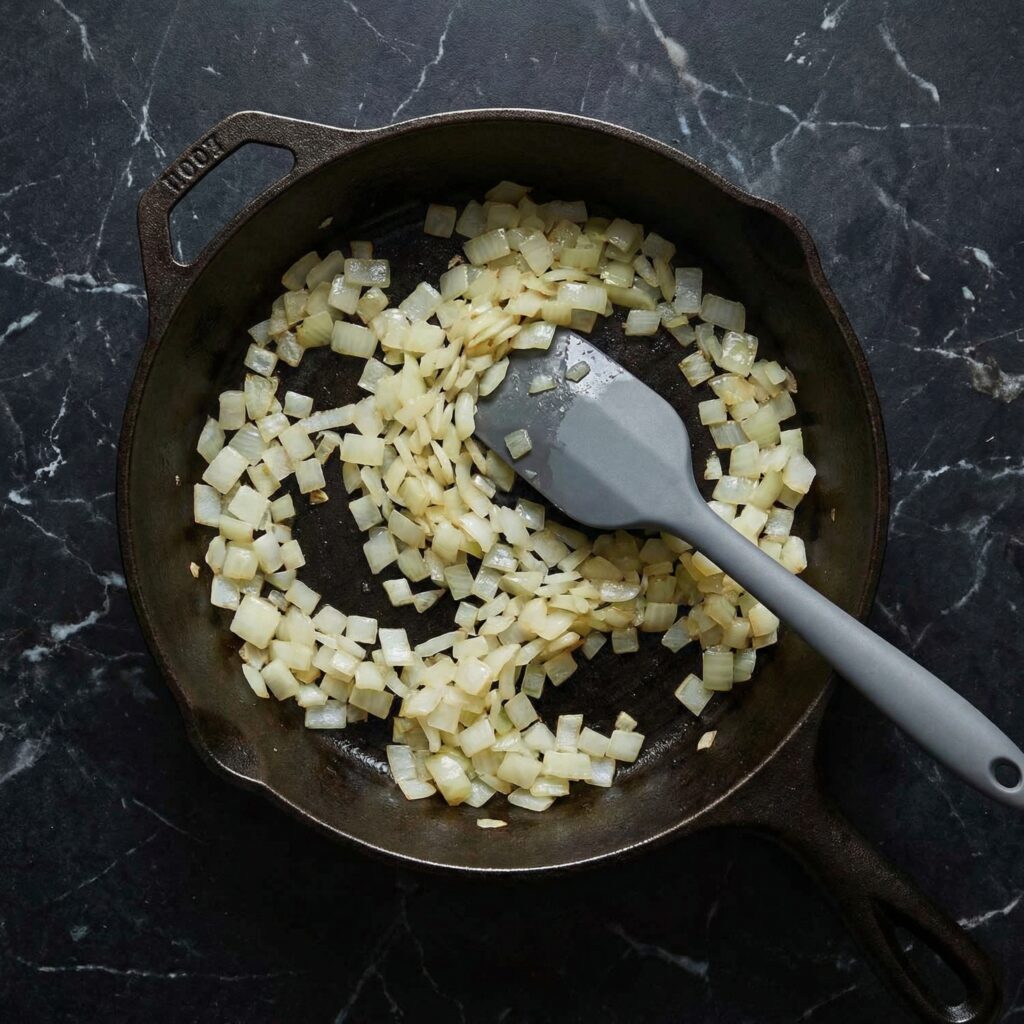
    In a large skillet or wide sauté pan, heat 2 tablespoons butter and 2 tablespoons olive oil over medium heat. Add the finely chopped onion and cook for 3–4 minutes until soft and translucent. Add the minced garlic and cook for an additional 30 seconds, stirring constantly to prevent burning.

    This forms a flavorful base for the risotto, ensuring each grain of rice is infused with subtle depth.


    Step 4: Toast the Rice

    Add the Arborio rice to the pan and stir for 1–2 minutes, allowing the grains to become lightly toasted and coated in butter and oil.

    This step enhances the nutty aroma and helps the rice absorb liquid gradually without becoming mushy.


    Step 5: Deglaze with Wine

    Pour in the dry white wine and stir until the liquid is mostly absorbed.

    The wine adds a delicate acidity that balances the richness of the butter and lobster.


    Step 6: Gradually Add Stock

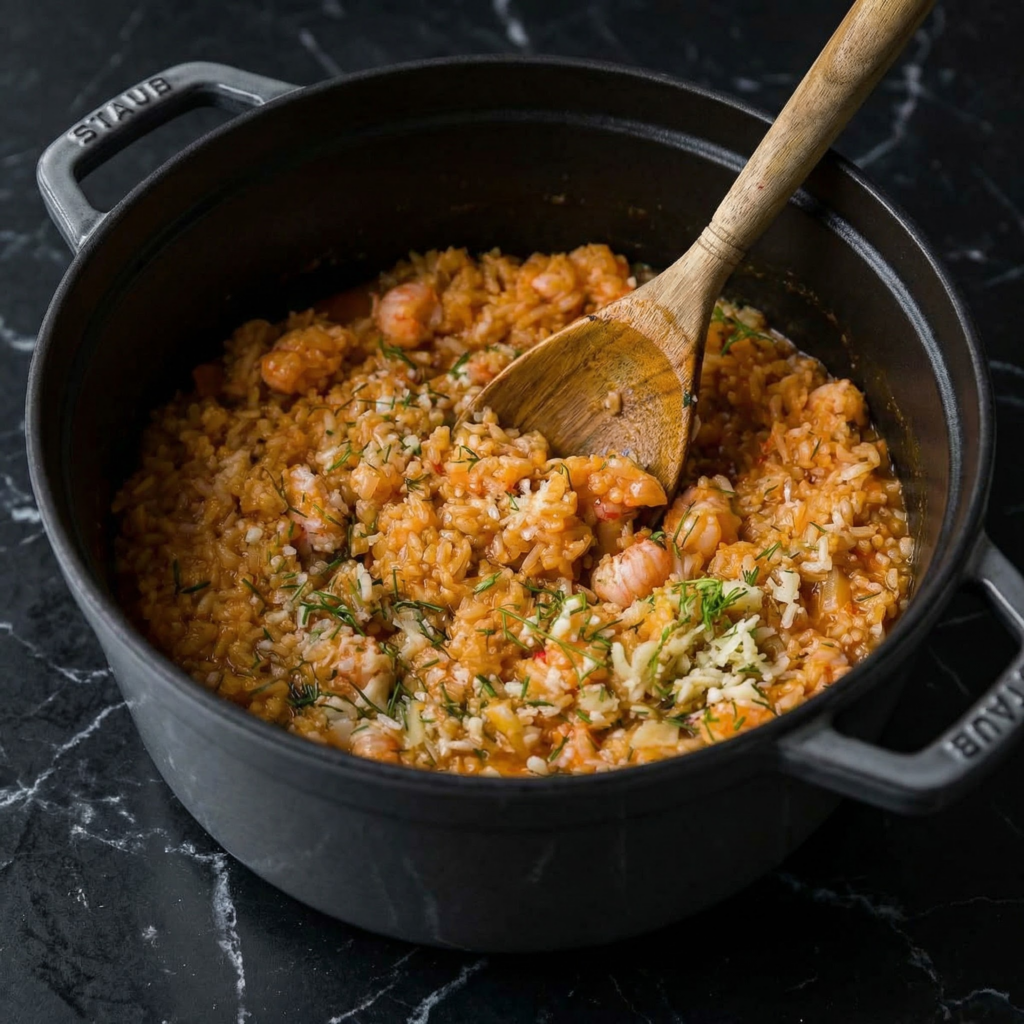
    Add the warm lobster stock one ladleful at a time, stirring frequently. Wait until most of the liquid is absorbed before adding the next ladle.

    Continue this process for about 18–20 minutes. The rice should be tender yet slightly firm to the bite—what Italians call al dente.

    Frequent stirring releases the rice’s natural starch, creating that signature creamy texture.


    Step 7: Finish the Risotto

    Once the rice is cooked, remove the pan from heat. Stir in the sautéed lobster, Parmesan cheese, and heavy cream (if using). Taste and season with salt and freshly ground black pepper.

    Gently fold everything together, being careful not to break up the lobster chunks. The risotto should be luscious, creamy, and coat each grain beautifully.


    Step 8: Garnish and Serve

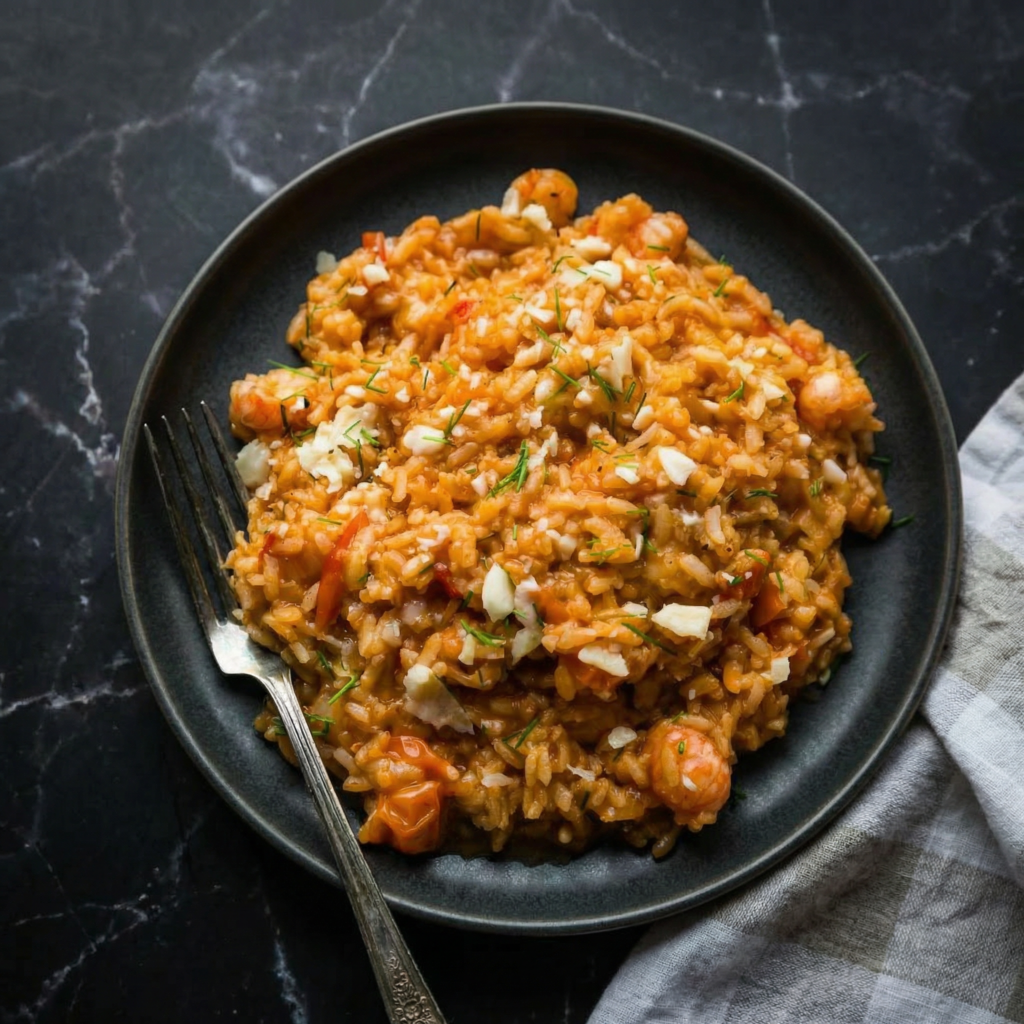
    Serve the risotto immediately while hot. Sprinkle freshly chopped parsley or chives over the top for color and freshness. For extra decadence, add a small pat of butter or an additional drizzle of cream.

    Pair with a crisp white wine like Sauvignon Blanc or Chardonnay for a truly elevated experience.


    Pro Tips for Perfect Lobster Risotto

    • Keep the stock warm: Cold stock can shock the rice and slow cooking.
    • Stir often: Stirring releases starches, producing a creamy texture without cream.
    • Timing matters: Cook the lobster separately to prevent overcooking. Add it at the end to keep it tender.
    • Use quality ingredients: Fresh lobster, good Parmesan, and high-quality Arborio rice make a huge difference.
    • Consistency check: Risotto should be creamy and slightly loose—not dry or stiff.

    Why This Recipe Works

    The magic of lobster risotto lies in layering flavors and textures. Toasting the rice adds nuttiness, the gradual absorption of stock ensures creamy consistency, and the final addition of lobster provides sweetness and luxury. Butter, Parmesan, and optional cream enrich the dish without overpowering the delicate seafood flavor.

    This balance of creamy, savory, and subtly sweet notes makes lobster risotto a comforting yet refined dish.


    Optional Variations

    • Truffle Twist: Add a drizzle of truffle oil for an earthy, sophisticated flavor.
    • Vegetable Boost: Fold in peas, asparagus tips, or sautéed mushrooms for color and texture.
    • Citrus Zest: A touch of lemon zest brightens the richness.
    • Shellstock Broth: Use lobster shells to make a homemade stock for deeper flavor.

    Storage and Leftovers

    Risotto is best served fresh, as reheating can change its creamy texture. If you have leftovers, store in an airtight container in the refrigerator for up to 2 days.

    Reheat gently over low heat, adding a splash of stock or cream to loosen the consistency.


    The Takeaway

    Lobster Risotto may seem luxurious, but it’s achievable with patience and attention to technique. By preparing the lobster, toasting the rice, gradually adding stock, and finishing with Parmesan and butter, you create a dish that’s rich, flavorful, and comforting.

    This indulgent meal is perfect for special occasions, romantic dinners, or any time you want to treat yourself. Each bite is a perfect balance of creamy, tender, and seafood-forward flavors, proving that homemade elegance is entirely possible—even from your own kitchen.

    Once you try this Lobster Risotto, you’ll understand why it’s a classic: simple ingredients transformed through care and technique into a truly unforgettable dish.

  • Creamy, Smoky, and Irresistible: The Ultimate Spaghetti alla Carbonara Recipe

    Creamy, Smoky, and Irresistible: The Ultimate Spaghetti alla Carbonara Recipe

    Few pasta dishes are as iconic—and as satisfying—as Spaghetti alla Carbonara. This classic Roman recipe combines silky pasta, crispy pancetta or guanciale, and a rich, creamy sauce made from eggs, Parmesan, and Pecorino Romano.

    Despite its indulgent flavor, authentic carbonara contains no cream—the magic comes from the emulsion of eggs and cheese with hot pasta.

    In this step-by-step guide, you’ll learn how to make authentic Spaghetti alla Carbonara that’s silky, flavorful, and perfect every time.


    Why You’ll Love This Recipe

    • Rich, creamy texture without using cream
    • Smoky, savory pancetta or guanciale
    • Quick and simple, ready in under 30 minutes
    • Classic Italian comfort food
    • Perfect for weeknight dinners or a special meal

    Spaghetti alla Carbonara is all about timing, technique, and balancing flavors to achieve that luxurious sauce that clings to every strand of pasta.


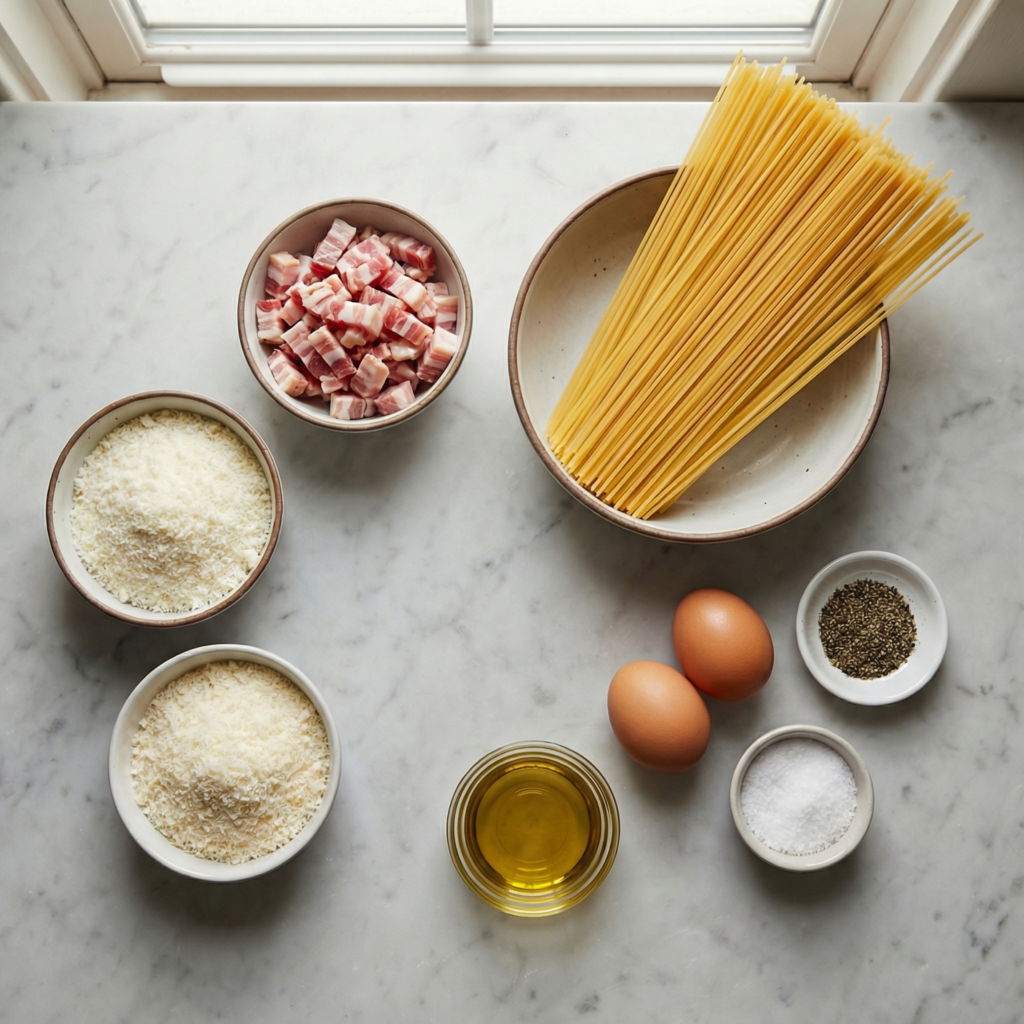
    Ingredients You’ll Need

    For the Pasta:

    • 12 ounces spaghetti
    • 2 tablespoons salt (for pasta water)

    For the Sauce:

    • 4 ounces guanciale or pancetta, diced
    • 3 large eggs
    • ½ cup finely grated Pecorino Romano (or ¼ cup Pecorino + ¼ cup Parmesan)
    • Freshly cracked black pepper, generous
    • Salt, to taste (be careful—the cheese is salty)

    Optional Garnish:

    • Extra Pecorino Romano
    • Extra black pepper

    Step 1: Bring Water to a Boil

    Fill a large pot with water and bring to a rolling boil. Add salt generously.

    Salting the water is crucial—it’s the first step in seasoning the pasta itself.


    Step 2: Cook the Spaghetti

    Add the spaghetti and cook according to package instructions until al dente—firm to the bite.

    Reserve about 1 cup of the starchy pasta water before draining. This liquid will help create the silky carbonara sauce.

    Do not rinse the pasta; you want it hot and starchy for emulsifying with the eggs.


    Step 3: Cook the Guanciale or Pancetta

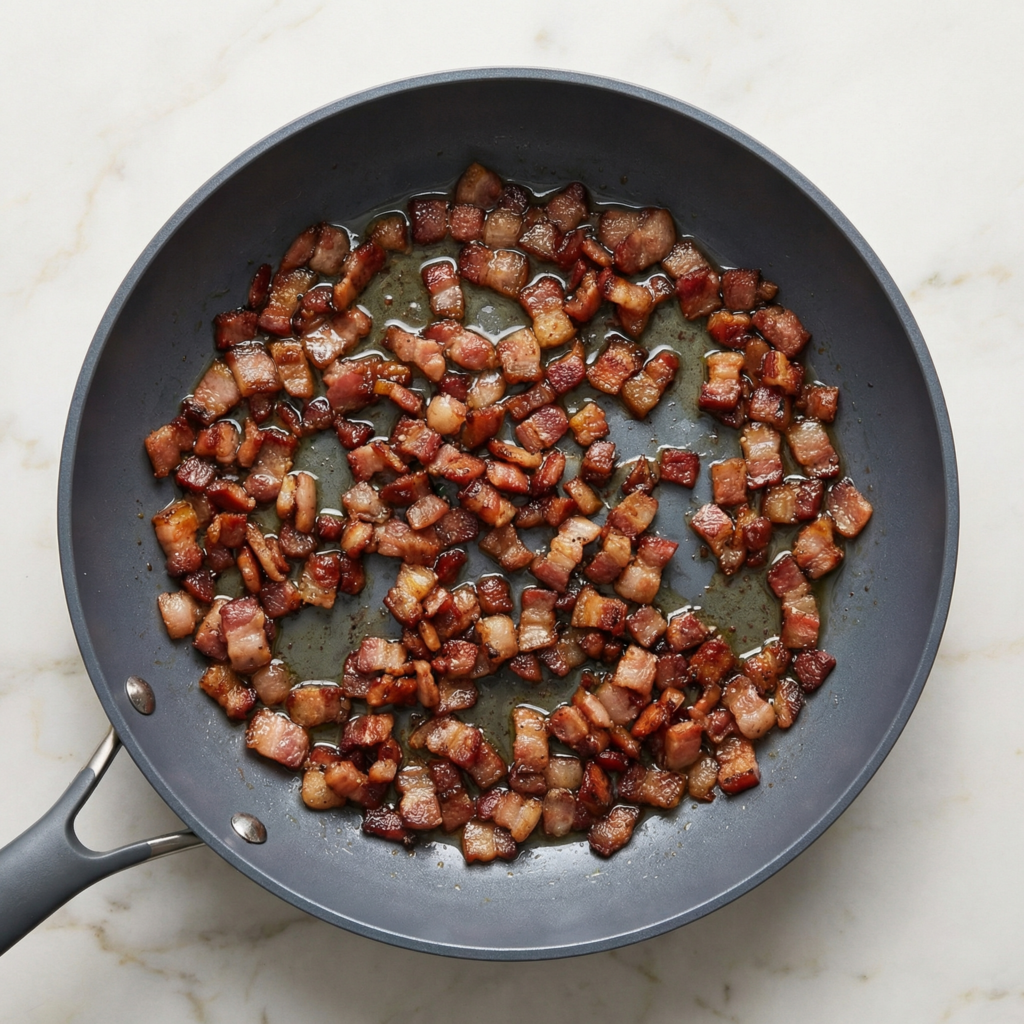
    While the pasta cooks, heat a large skillet over medium heat. Add the diced guanciale or pancetta.

    Cook for 4–6 minutes until golden brown and crispy, stirring occasionally. The rendered fat will become the flavorful base for the sauce.

    Remove from heat once crispy.


    Step 4: Prepare the Egg and Cheese Mixture

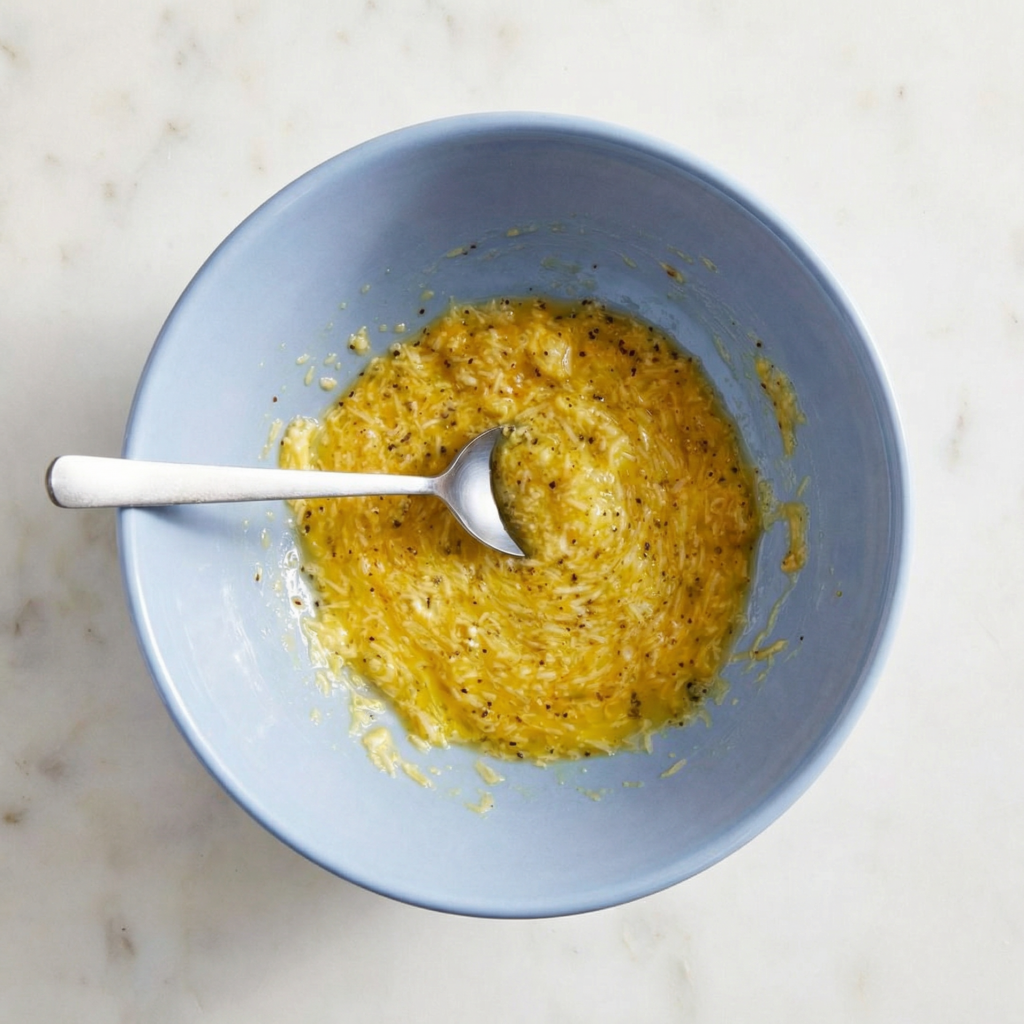
    In a medium bowl, whisk together eggs, Pecorino Romano, and a generous amount of freshly cracked black pepper.

    The eggs should be well combined, but don’t worry about the mixture being too thick—it will become creamy when combined with the hot pasta.


    Step 5: Combine Pasta and Guanciale

    Add the drained pasta directly to the skillet with the rendered guanciale and its fat. Toss well to coat each strand with the flavorful fat.

    If the skillet is still very hot, remove it from the heat before adding eggs to prevent scrambling.


    Step 6: Create the Creamy Carbonara Sauce

    Slowly pour the egg and cheese mixture over the hot pasta while tossing quickly.

    Use tongs or a large fork to continuously toss the pasta. The residual heat will cook the eggs gently, forming a silky, creamy sauce that clings to each strand.

    If the sauce seems too thick, add a little reserved pasta water, one tablespoon at a time, until you reach your desired consistency.


    Step 7: Season and Taste

    Taste your carbonara carefully. Add more black pepper as desired. You may not need extra salt because the guanciale and cheese provide plenty of seasoning.


    Step 8: Plate and Garnish

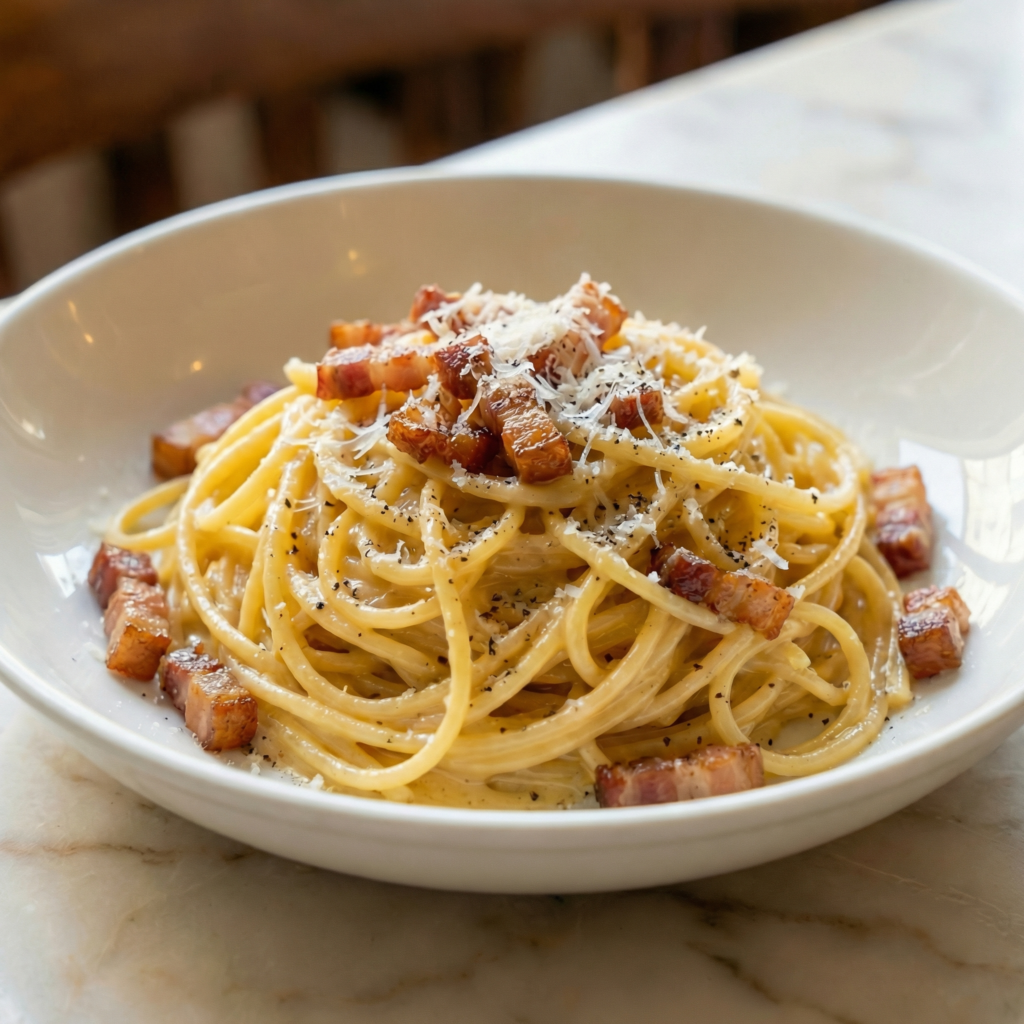
    Serve immediately on warm plates.

    Sprinkle extra Pecorino Romano and a few cracks of black pepper on top for added flavor and presentation.

    Carbonara is best enjoyed fresh and hot—its sauce thickens as it cools.


    Flavor and Texture Highlights

    • Silky, creamy egg-based sauce
    • Crispy, smoky pancetta
    • Rich, nutty Pecorino Romano
    • Al dente pasta for perfect bite
    • Simple but bold flavors

    Every forkful delivers a perfect balance of creamy, salty, and smoky notes.


    Tips for Perfect Spaghetti alla Carbonara

    Use guanciale if possible. It’s more authentic and flavorful than pancetta.

    Don’t add cream. True carbonara relies on eggs and pasta water for creaminess.

    Toss off the heat. Adding eggs over high heat will scramble them.

    Reserve pasta water. It’s essential for achieving a smooth, silky sauce.

    Serve immediately. Carbonara loses its texture as it cools.


    Optional Variations

    • Vegetarian: Substitute mushrooms for guanciale, lightly sautéed in olive oil.
    • Cheese Blend: Mix Parmesan and Pecorino for milder flavor.
    • Spicy: Add red pepper flakes for a subtle kick.
    • Protein Twist: Swap guanciale for crispy pancetta or bacon if unavailable.
    • Extra Creamy: Add a small splash of pasta water to loosen the sauce further.

    Storage and Reheating

    Spaghetti alla Carbonara is best enjoyed immediately.

    If you have leftovers, store in an airtight container in the refrigerator for up to 24 hours.

    Reheat gently over low heat in a skillet with a splash of milk or pasta water to restore creaminess. Avoid microwaving at high heat to prevent scrambling the eggs.


    Why This Recipe Works

    Spaghetti alla Carbonara works because it balances heat, timing, and technique. Crisp guanciale provides texture and flavor while hot pasta creates an emulsification with the egg and cheese mixture.

    The starch from pasta water binds everything together into a creamy, glossy sauce without using cream. Simple ingredients combine to create a complex and satisfying flavor profile, proving that authenticity and restraint can produce a decadent, comforting dish.


    Spaghetti alla Carbonara is more than just a pasta dish—it’s a lesson in flavor, technique, and indulgent simplicity. Silky sauce, smoky meat, and perfectly cooked spaghetti come together to create a classic Roman masterpiece.

    Once you master this recipe, you’ll have an elegant, comforting pasta dish ready anytime you want to impress without stress. Perfect for weeknights, date nights, or a special treat, this carbonara is creamy, comforting, and utterly irresistible.

  • Messy, Cheesy, and Utterly Delicious: How to Make Pasta Alla Zozzona at Home

    Messy, Cheesy, and Utterly Delicious: How to Make Pasta Alla Zozzona at Home

    There’s comfort, and then there’s Pasta Alla Zozzona—a gloriously messy, cheesy, and indulgent Italian pasta dish that’s all about layers of flavor. Think creamy béchamel, melty mozzarella, savory pancetta, and a hint of spice, all baked to bubbling perfection.

    Despite its decadent reputation, Pasta Alla Zozzona is surprisingly simple to make at home, and it’s guaranteed to impress anyone at the dinner table.

    This step-by-step guide will walk you through creating the perfect saucy, cheesy, baked pasta masterpiece.


    Why You’ll Love Pasta Alla Zozzona

    • Creamy, cheesy, and rich
    • Hearty and satisfying
    • Layers of flavor in every bite
    • Perfect for dinner parties or indulgent weeknight meals
    • Easy to adapt with your favorite proteins or vegetables

    Once you taste this baked pasta, you’ll understand why it’s called “zozzona”—Italian for “messy but irresistible.” It’s all about comfort food that doesn’t take itself too seriously.


    Ingredients You’ll Need

    For the Pasta and Filling:

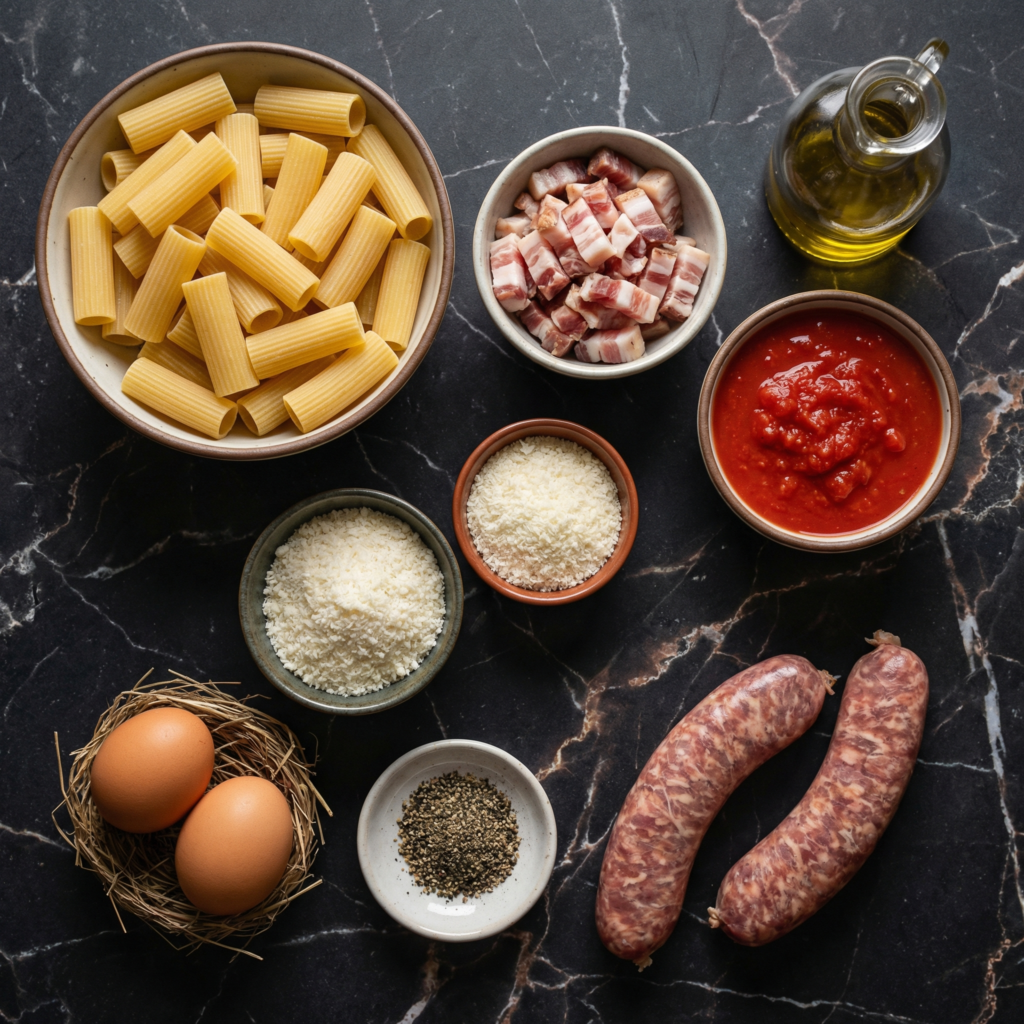
    • 12 ounces penne or rigatoni
    • 6 ounces pancetta or bacon, diced
    • 1 medium onion, finely chopped
    • 3 cloves garlic, minced
    • 1 cup heavy cream
    • 1 cup tomato sauce (preferably homemade or a simple marinara)
    • 1 teaspoon red pepper flakes (optional)
    • Salt and black pepper, to taste
    • 1 teaspoon Italian seasoning

    For the Cheese Layer:

    • 1 ½ cups shredded mozzarella
    • ½ cup grated Parmesan
    • ½ cup ricotta (optional, for extra creaminess)

    For Garnish:

    • Fresh basil or parsley
    • Extra grated Parmesan

    Step 1: Preheat the Oven

    Set your oven to 375°F (190°C) and lightly grease a 9×13-inch baking dish. A well-greased dish prevents sticking and allows for easy serving.


    Step 2: Cook the Pasta

    Bring a large pot of salted water to a boil. Cook the pasta 1–2 minutes less than the package instructions, as it will continue cooking in the oven.

    Drain and set aside, tossing lightly with a drizzle of olive oil to prevent sticking. Slightly undercooked pasta ensures it absorbs the sauce without turning mushy.


    Step 3: Cook the Pancetta and Aromatics

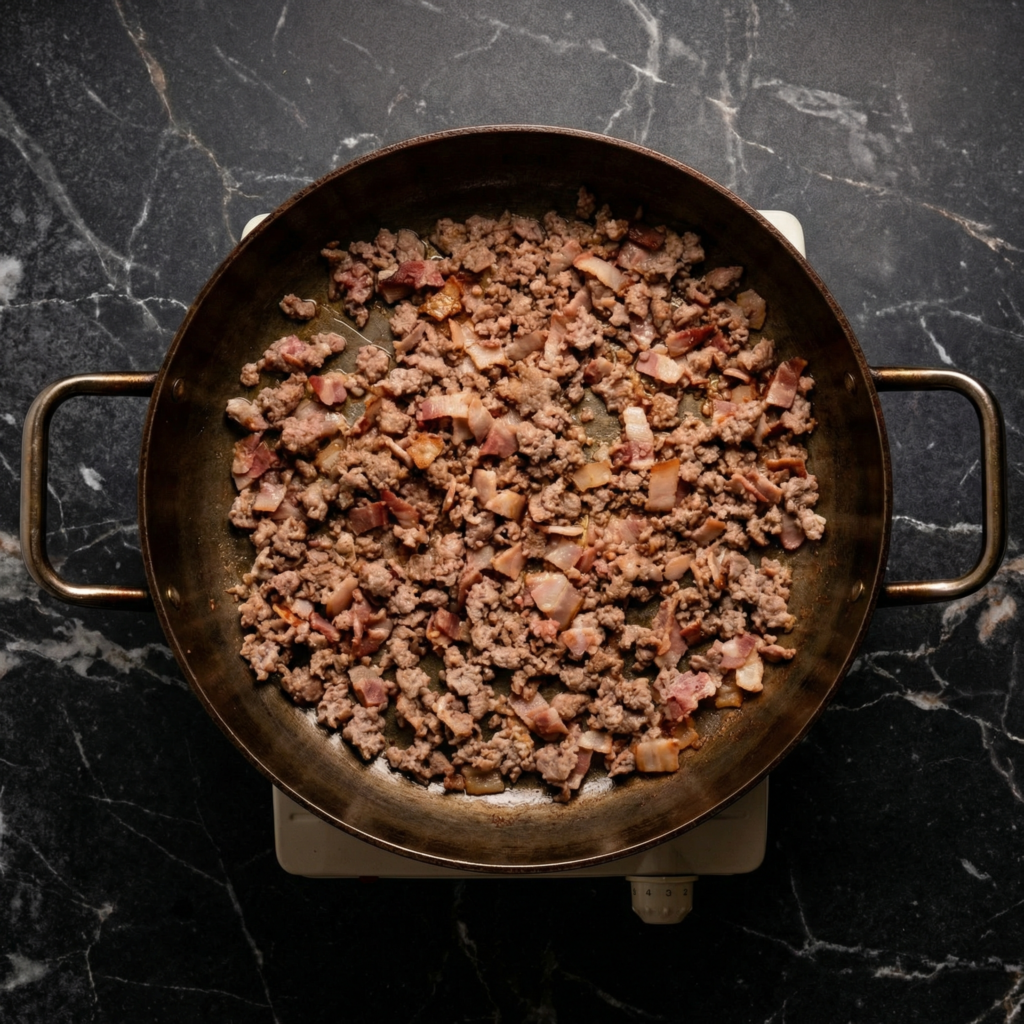
    In a large skillet over medium heat, cook the diced pancetta until crispy. Remove excess fat if necessary, leaving just enough to sauté the onion and garlic.

    Add the chopped onion and cook for 3–4 minutes until soft and translucent. Stir in minced garlic and red pepper flakes, cooking for 30 seconds until fragrant.

    The pancetta adds a savory, smoky base while the aromatics create depth in the sauce.


    Step 4: Prepare the Creamy Tomato Sauce

    Add heavy cream and tomato sauce to the skillet with the pancetta and aromatics. Stir in Italian seasoning, salt, and pepper.

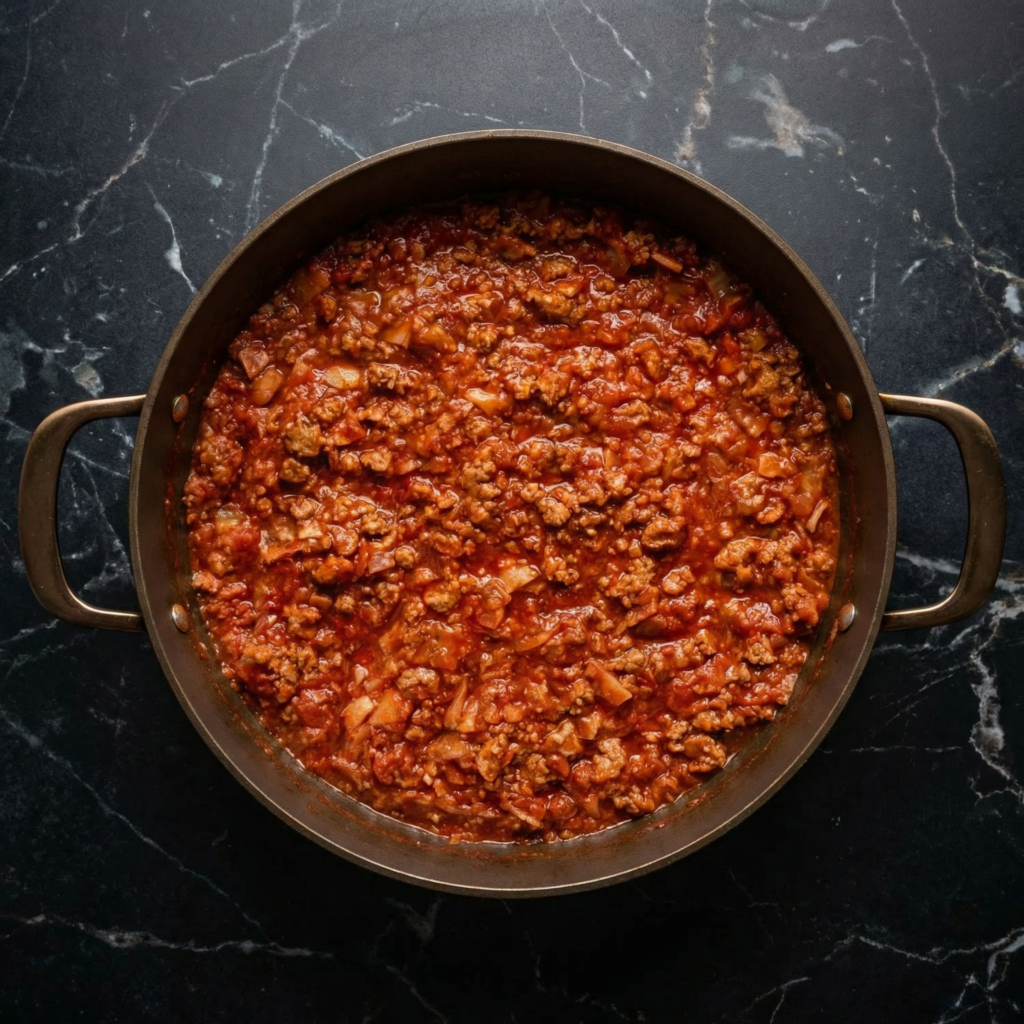
    Simmer gently for 5 minutes, allowing the flavors to meld. The sauce should be creamy and slightly thickened—rich enough to coat the pasta beautifully.

    If using ricotta, stir it in at this stage for extra creaminess.


    Step 5: Combine Pasta and Sauce

    Add the cooked pasta to the sauce and toss to coat thoroughly. Every noodle should be enveloped in the creamy, savory mixture.

    Taste and adjust seasoning as needed. The balance of salty pancetta, creamy sauce, and subtle spice is key to achieving the perfect flavor.


    Step 6: Layer the Cheese

    Transfer half of the sauced pasta into the prepared baking dish. Sprinkle half of the shredded mozzarella and grated Parmesan over the pasta.

    Add the remaining pasta on top, then layer the remaining mozzarella and Parmesan evenly. For extra indulgence, dot the top with small spoonfuls of ricotta.

    The layering ensures gooey, cheesy pockets throughout the baked pasta.


    Step 7: Bake to Bubbling Perfection

    Place the baking dish in the preheated oven. Bake uncovered for 20–25 minutes, or until the cheese is melted, bubbly, and lightly golden.

    For a crispier top, broil for 1–2 minutes at the end—watch carefully to avoid burning.


    Step 8: Rest and Garnish

    Remove the dish from the oven and let it rest for 5 minutes. This allows the pasta to set slightly for easier serving.

    Sprinkle with freshly chopped basil or parsley and extra Parmesan for color and flavor.


    Flavor and Texture Highlights

    • Creamy, rich tomato-cream sauce
    • Savory, smoky pancetta
    • Gooey, melted cheese in every bite
    • Slightly crisp top from baking
    • Aromatic, flavorful herbs

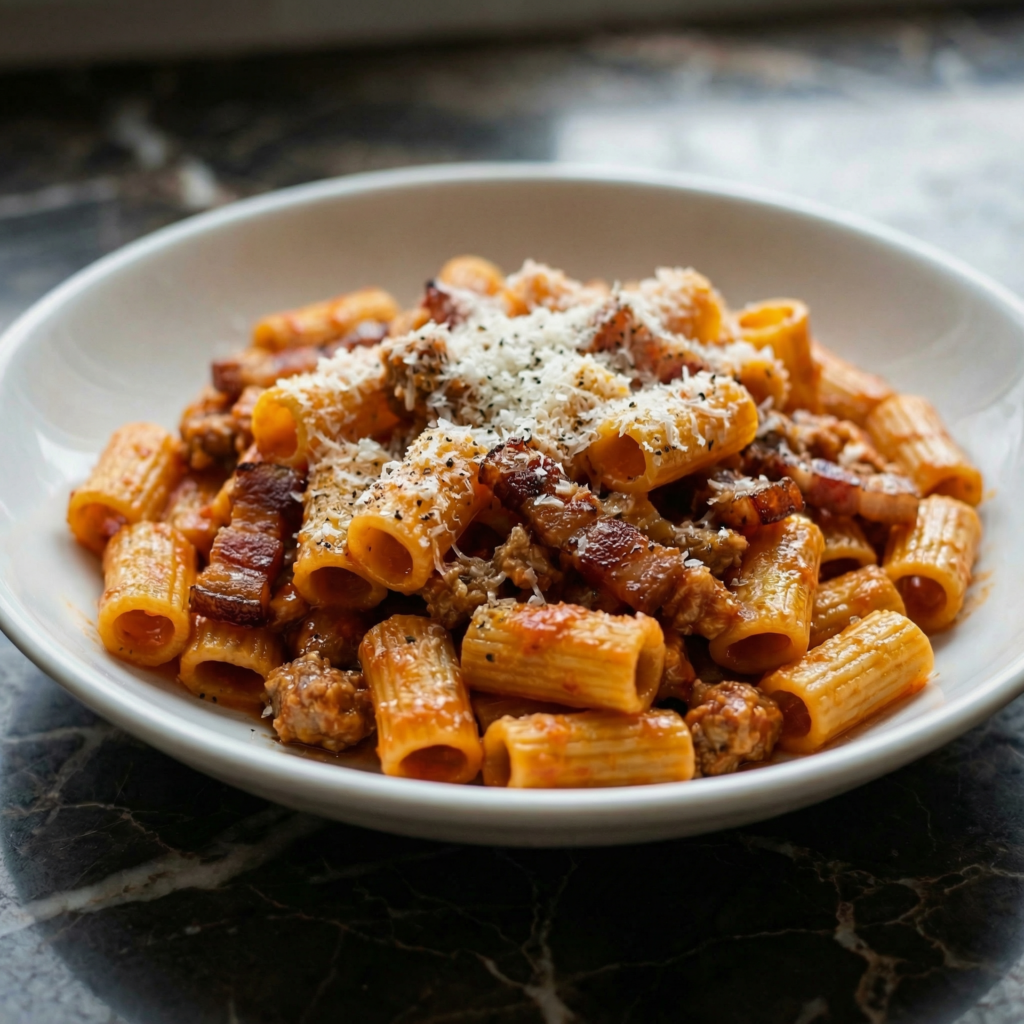
    The combination of textures—soft pasta, crispy edges, and molten cheese—is what makes Pasta Alla Zozzona truly irresistible.


    Tips for the Perfect Pasta Alla Zozzona

    • Slightly undercook pasta. Prevents mushy baked pasta.
    • Use quality cheese. Fresh mozzarella and real Parmesan enhance flavor.
    • Don’t skimp on pancetta. It’s the flavor backbone of the dish.
    • Simmer sauce gently. Avoid boiling to maintain creaminess.
    • Rest before serving. Helps the pasta hold together while serving.

    Optional Variations

    • Vegetarian: Replace pancetta with sautéed mushrooms or roasted vegetables.
    • Spicy: Increase red pepper flakes or add sliced chili for a kick.
    • Extra Cheese: Mix provolone or fontina for a different flavor profile.
    • Protein Boost: Add cooked chicken or Italian sausage slices.
    • Gluten-Free: Use gluten-free pasta and ensure sauces are thickened with cornstarch if needed.

    Storage and Reheating

    Store leftovers in an airtight container in the refrigerator for up to 3 days.

    Reheat individual portions in the microwave, or warm the whole dish in a 350°F (175°C) oven for 10–15 minutes until heated through. Cover with foil to prevent the cheese from burning.

    Pasta Alla Zozzona also freezes well. Wrap tightly and freeze for up to 2 months. Thaw in the fridge overnight before reheating.


    Why This Recipe Works

    Pasta Alla Zozzona succeeds because of its balance of creamy, cheesy, and savory elements.

    Slightly undercooked pasta absorbs the sauce while baking, pancetta adds smokiness, and layered cheese melts throughout, creating pockets of gooey indulgence.

    Baking the dish unites the flavors and textures, giving it that messy, comforting charm that the dish’s name promises.


    Baked, cheesy, and perfectly messy, Pasta Alla Zozzona is the ultimate comfort food for pasta lovers.

    With rich sauce, crispy edges, and layers of gooey cheese, this recipe is perfect for dinner parties, weeknight indulgence, or whenever you need a little culinary happiness.

    Once you try it, you’ll understand why it’s a family favorite—rich, decadent, and totally unforgettable.