Category: healthy

  • Sheet-Pan Harissa Chicken & Sweet Potatoes: A Bold, Roasted One-Pan Dinner

    Sheet-Pan Harissa Chicken & Sweet Potatoes: A Bold, Roasted One-Pan Dinner

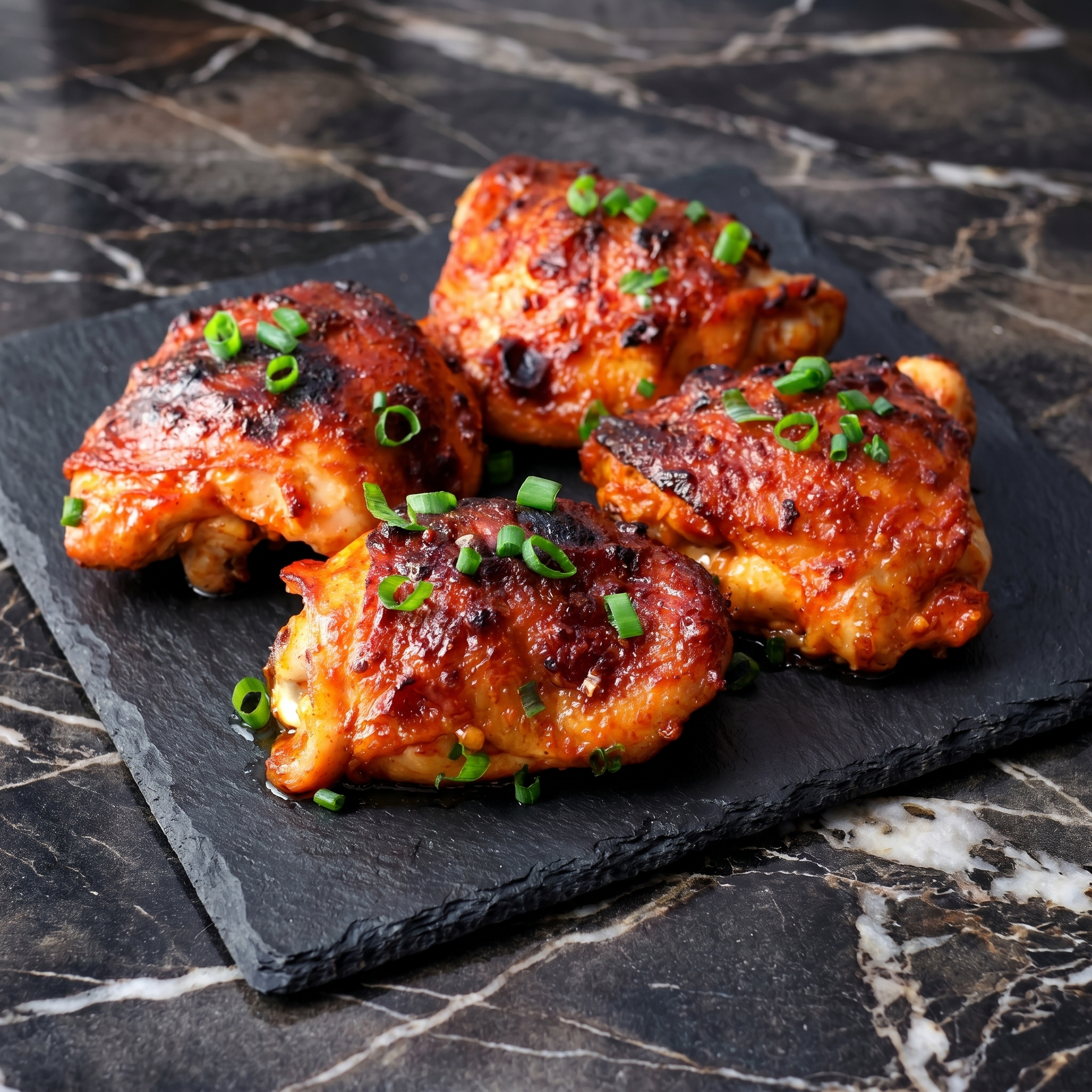
    If you love meals that are big on flavor but low on cleanup, this Sheet-Pan Harissa Chicken & Sweet Potatoes is about to earn a permanent spot in your dinner rotation. Smoky, spicy harissa coats juicy chicken, while caramelized sweet potatoes and tender red onions roast alongside, soaking up every bit of bold, savory goodness.

    It’s colorful, nourishing, and deeply satisfying—yet it all happens on one pan in under an hour. Let’s break it down step by step so you can make it perfectly every time.


    Why You’ll Love This Recipe

    • One pan = easy cleanup
    • Bold North African–inspired flavors
    • Naturally gluten-free
    • Perfect for meal prep
    • Customizable heat level

    Harissa paste brings smoky heat and complexity, while sweet potatoes add natural sweetness that balances the spice beautifully.


    Ingredients You’ll Need
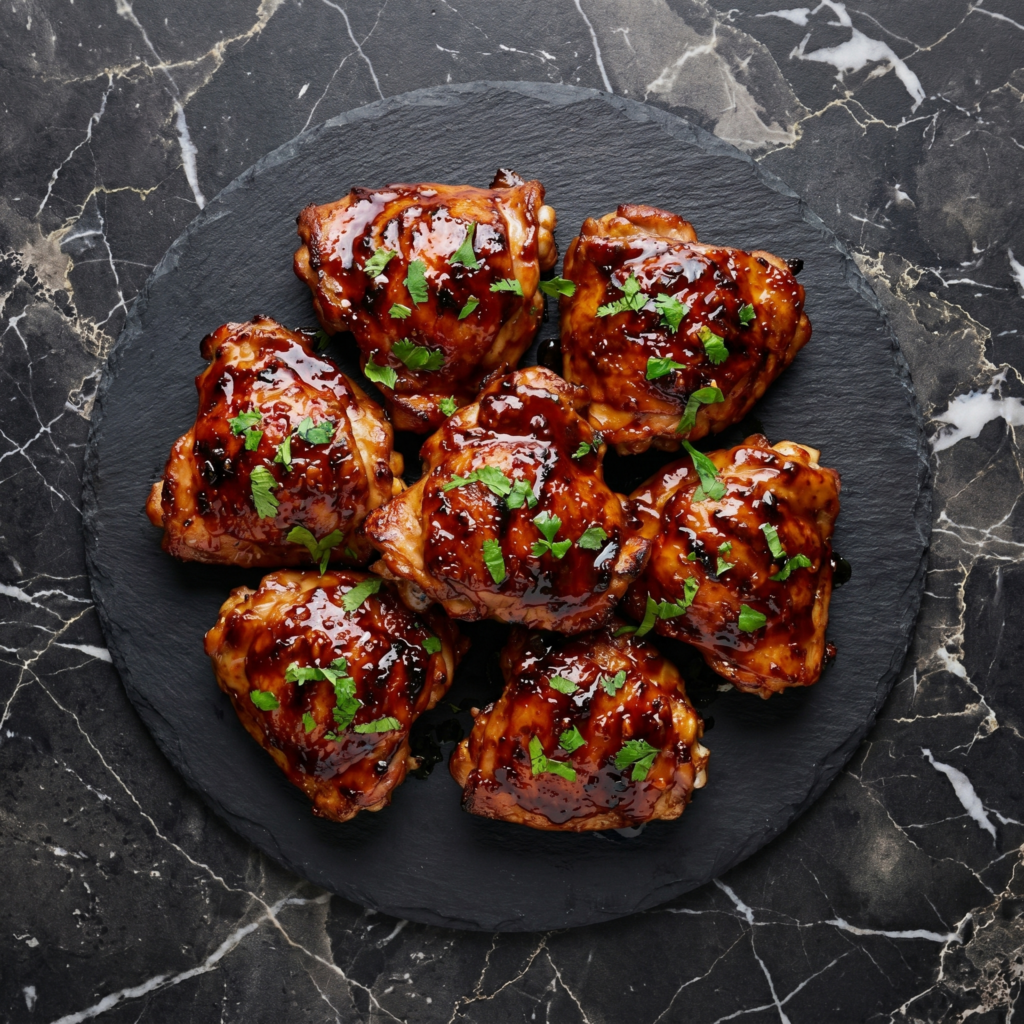
    For the Chicken:

    • 4 bone-in, skin-on chicken thighs (or boneless thighs)
    • 2–3 tablespoons harissa paste
    • 2 tablespoons olive oil
    • 1 teaspoon smoked paprika
    • ½ teaspoon ground cumin
    • Salt and black pepper

    For the Vegetables:

    • 2 medium sweet potatoes, peeled and cubed
    • 1 red onion, sliced into wedges
    • 1 red bell pepper, sliced
    • 1 tablespoon olive oil
    • Salt and pepper

    For Finishing:

    • Juice of ½ lemon
    • Fresh cilantro or parsley
    • Plain Greek yogurt (optional, for serving)

    Step 1: Preheat the Oven

    Preheat your oven to 425°F (220°C).

    Line a large sheet pan with parchment paper or lightly grease it. Using a large pan ensures everything roasts instead of steams.

    High heat is key for caramelization and crisp edges.


    Step 2: Marinate the Chicken

    In a bowl, combine harissa paste, olive oil, smoked paprika, cumin, salt, and black pepper.

    Pat the chicken dry with paper towels. This helps the marinade adhere and encourages crisping.

    Rub the harissa mixture evenly over the chicken, making sure it’s well coated on all sides. If time allows, let it marinate for 20–30 minutes at room temperature or refrigerate for up to 4 hours.

    Even a short marinade infuses bold flavor.


    Step 3: Prepare the Vegetables

    In a separate bowl, toss the cubed sweet potatoes, red onion wedges, and bell pepper with olive oil, salt, and pepper.

    Spread the vegetables in an even layer on the sheet pan.

    Spacing is important—crowded vegetables will steam rather than roast.


    Step 4: Add the Chicken to the Pan

    Nestle the marinated chicken pieces among the vegetables, skin-side up if using skin-on.

    Make sure the chicken is not overlapping the vegetables too heavily. Proper airflow ensures crisp skin and evenly roasted vegetables.


    Step 5: Roast to Perfection

    Place the sheet pan in the oven and roast for 35–45 minutes.

    Halfway through cooking (around 20 minutes), toss the vegetables gently to promote even browning.

    The chicken is done when:

    • Internal temperature reaches 165°F (74°C)
    • Skin is crisp and golden
    • Sweet potatoes are fork-tender

    If needed, switch to broil for the last 2–3 minutes to crisp the chicken skin further.


    Step 6: Brighten the Flavors

    Remove the pan from the oven.

    Squeeze fresh lemon juice over everything. The citrus brightens the smoky spice and balances the sweetness of the potatoes.

    Let the dish rest for 5 minutes before serving.


    Step 7: Garnish and Serve

    Sprinkle freshly chopped cilantro or parsley over the top.

    For a creamy contrast, serve with a dollop of plain Greek yogurt or a drizzle of yogurt mixed with lemon and a pinch of salt.

    Serve directly from the pan for a rustic presentation, or plate individually with extra herbs on top.


    Tips for the Best Results

    Use bone-in thighs for extra flavor. They stay juicier and develop crispier skin.

    Don’t skip high heat. 425°F ensures caramelization.

    Cut vegetables evenly. Uniform pieces cook at the same rate.

    Taste your harissa first. Some brands are spicier than others—adjust quantity accordingly.


    Easy Variations

    This recipe is highly adaptable:

    • Add zucchini or cherry tomatoes for extra color.
    • Swap sweet potatoes for carrots or butternut squash.
    • Use chicken breasts (reduce cook time slightly).
    • Add chickpeas for extra protein and texture.
    • Serve over couscous or quinoa for a heartier meal.

    You can even add a drizzle of honey before roasting for a subtle sweet-spicy finish.


    Storage and Meal Prep

    Store leftovers in an airtight container in the refrigerator for up to 4 days.

    Reheat in a 350°F oven for about 10–15 minutes to maintain crispness, or microwave for convenience.

    This dish is excellent for meal prep—portion into containers with vegetables and chicken for easy lunches.


    Final Thoughts

    Sheet-Pan Harissa Chicken & Sweet Potatoes proves that bold, vibrant flavors don’t require complicated techniques. With just one pan and a handful of ingredients, you can create a meal that feels exciting, balanced, and deeply satisfying.

    The smoky heat of harissa, the natural sweetness of roasted sweet potatoes, and the freshness of lemon and herbs come together in perfect harmony.

    Preheat your oven, grab your sheet pan, and get ready for a colorful, flavor-packed dinner that’s as easy as it is impressive.
  • Sweet, Savory, and Silky: The Ultimate Miso Glazed Salmon You’ll Crave Weekly

    Sweet, Savory, and Silky: The Ultimate Miso Glazed Salmon You’ll Crave Weekly

    If you’re looking for a dish that feels elegant yet comes together effortlessly, Miso Glazed Salmon is the answer.

    This Japanese-inspired favorite balances sweet, salty, and umami flavors in a glossy glaze that caramelizes beautifully in the oven.

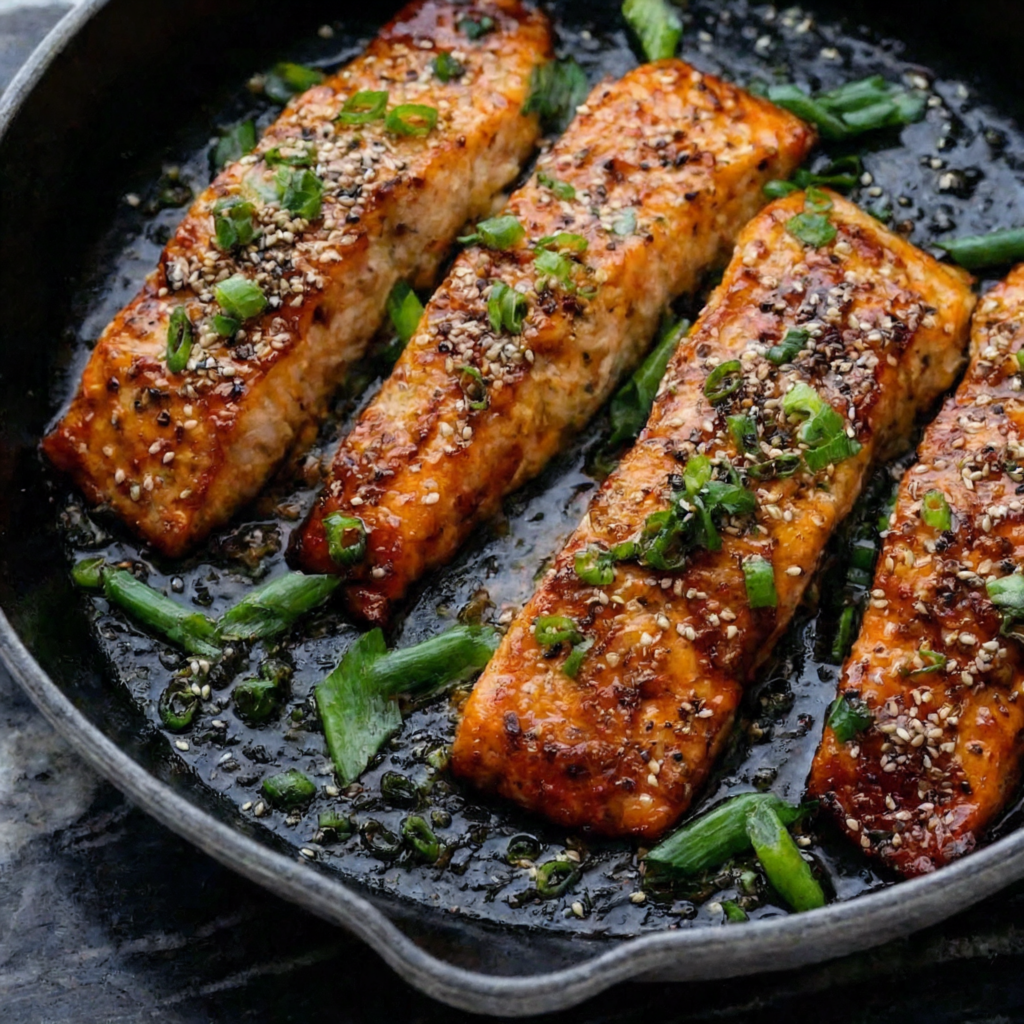
    The salmon turns tender and flaky, while the miso glaze forms a slightly sticky, deeply flavorful coating that tastes like it came from a high-end restaurant.

    The best part?

    It takes minimal prep and cooks quickly, making it perfect for both busy weeknights and special dinners.

    Let’s walk through the process step by step so you can achieve perfectly glazed, melt-in-your-mouth salmon every time.


    Ingredients You’ll Need

    • 4 salmon fillets (about 6 oz each), skin-on or skinless
    • 3 tablespoons white miso paste
    • 2 tablespoons mirin
    • 1 tablespoon soy sauce
    • 1 tablespoon honey (or brown sugar)
    • 1 tablespoon rice vinegar
    • 1 teaspoon sesame oil
    • 2 cloves garlic, finely minced
    • 1 teaspoon freshly grated ginger
    • 1 tablespoon olive oil (for the pan)
    • Optional garnish: sliced green onions, sesame seeds, lime wedges

    Step 1: Prepare the Miso Glaze

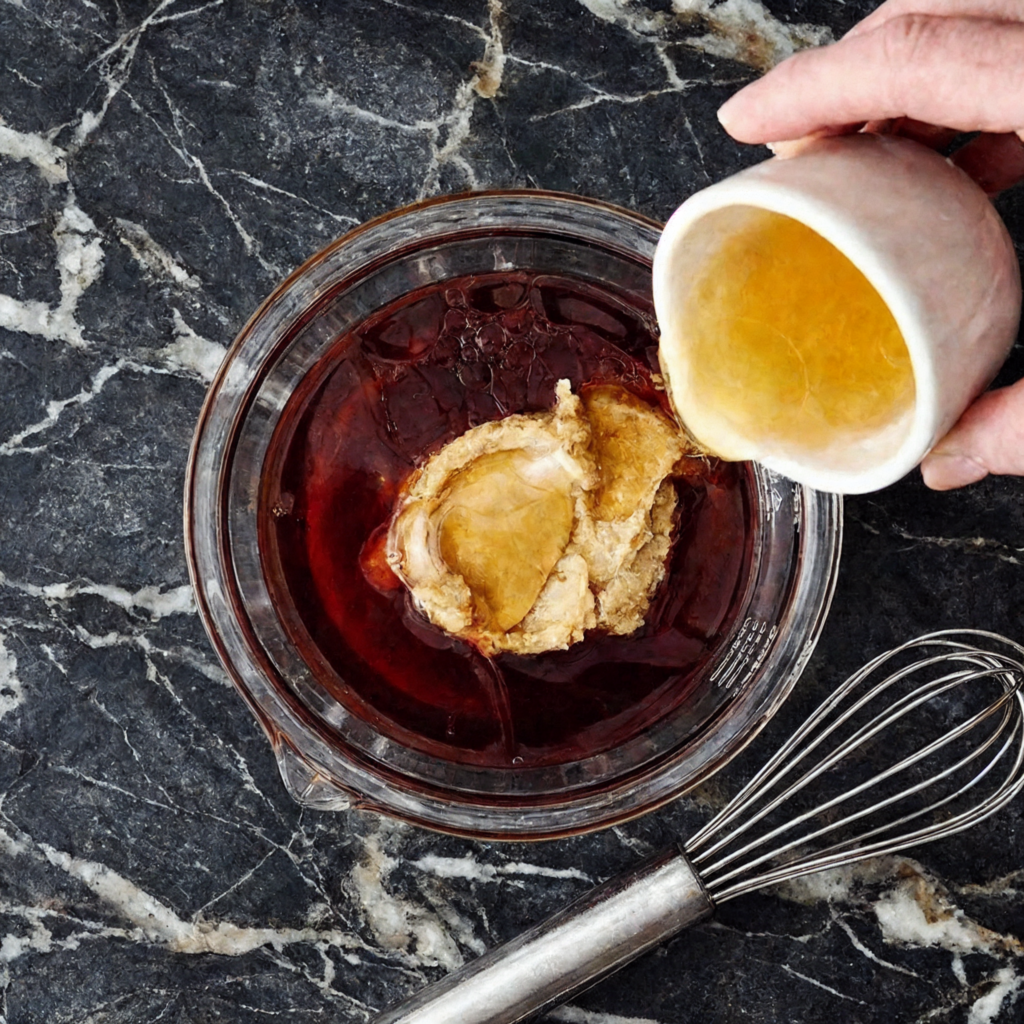
    In a medium bowl, whisk together the white miso paste, mirin, soy sauce, honey, rice vinegar, sesame oil, minced garlic, and grated ginger. Mix until smooth and fully combined.

    The glaze should be thick but spreadable. If it feels too thick, add a teaspoon of water to loosen it slightly. This mixture is the heart of the dish—it delivers sweet depth, savory umami, and a subtle tang.


    Step 2: Pat the Salmon Dry

    Use paper towels to gently pat the salmon fillets dry. Removing excess moisture helps the glaze adhere better and promotes caramelization.

    If your fillets have skin, check for any stray scales and remove them before cooking.


    Step 3: Marinate Briefly

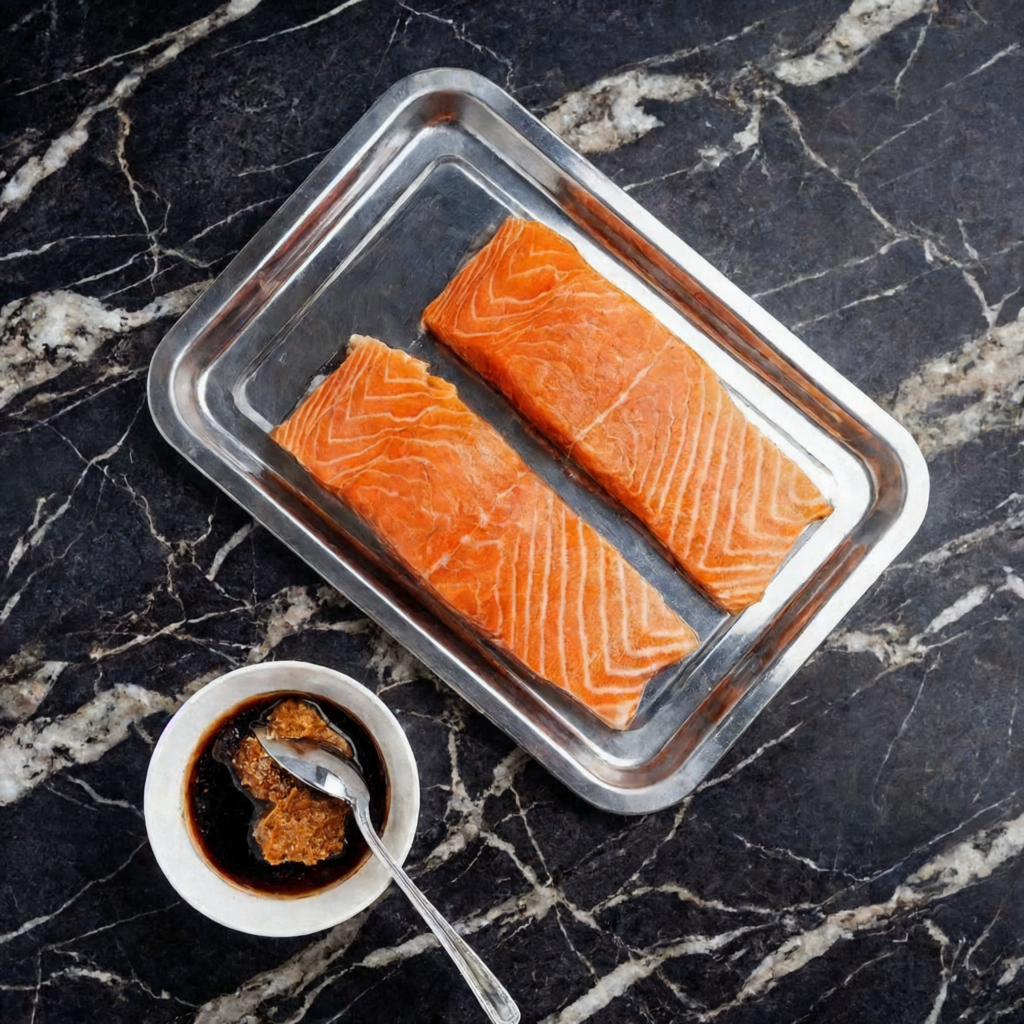
    Place the salmon in a shallow dish and spoon about half of the glaze over the top. Spread evenly to coat each fillet.

    Let the salmon marinate for 20–30 minutes in the refrigerator. Because miso is salty, avoid marinating much longer than 30 minutes to prevent overpowering flavor.

    Reserve the remaining glaze for brushing during cooking.


    Step 4: Preheat the Oven

    Preheat your oven to 400°F (200°C). Line a baking sheet with parchment paper or lightly oil a baking dish to prevent sticking.

    You can also cook this under the broiler, but baking first ensures even cooking before caramelizing the top.


    Step 5: Bake the Salmon

    Place the marinated salmon fillets on the prepared baking sheet, skin-side down if applicable. Bake for 10–12 minutes, depending on thickness.

    Salmon is done when it flakes easily with a fork and reaches an internal temperature of 125–130°F (52–54°C) for medium. Avoid overcooking, as salmon can dry out quickly.


    Step 6: Broil for Caramelization

    Switch the oven to broil for the final 1–2 minutes. Brush the tops of the salmon with the reserved glaze and broil until the surface becomes bubbly and slightly caramelized.

    Watch closely during this step—the sugars in the glaze can burn quickly. You’re looking for golden edges and a glossy finish.


    Step 7: Rest Before Serving

    Remove the salmon from the oven and let it rest for 3–5 minutes. This allows the juices to redistribute and ensures tender, moist fish.


    Step 8: Garnish and Serve

    Sprinkle sliced green onions and sesame seeds over the salmon for color and texture. Serve with lime wedges for a bright finishing touch.

    Miso glazed salmon pairs beautifully with:

    • Steamed jasmine rice
    • Stir-fried vegetables
    • Sautéed bok choy
    • Cucumber salad
    • Rice noodles

    Pro Tips for Perfect Miso Glazed Salmon

    • Use white miso paste for a milder, slightly sweet flavor.
    • Don’t over-marinate—miso is concentrated and can overpower the fish.
    • Pat the salmon dry to help the glaze stick.
    • Broil carefully for caramelization without burning.
    • Choose center-cut fillets for even thickness and consistent cooking.

    Flavor Variations

    Once you master the base recipe, try these delicious variations:

    • Spicy Miso: Add 1 teaspoon sriracha or chili paste to the glaze.
    • Maple Miso: Swap honey for pure maple syrup for deeper sweetness.
    • Citrus Twist: Add a teaspoon of orange zest to the glaze.
    • Grilled Version: Cook salmon on a grill over medium heat and brush with glaze during the final minutes.

    Storage and Reheating

    Store leftover salmon in an airtight container in the refrigerator for up to 3 days.

    To reheat, warm gently in a 300°F oven for 8–10 minutes. Avoid microwaving at high heat, as it can dry out the fish.

    Cold leftover miso salmon also works wonderfully flaked into salads or rice bowls.


    Why This Recipe Works

    Miso paste delivers deep umami flavor that pairs naturally with rich salmon.

    The sweetness from honey balances the saltiness, while ginger and garlic add aromatic warmth. High heat allows the glaze to caramelize, creating contrast between the crispy exterior and tender interior.

    The simplicity of the ingredients lets the salmon shine while still offering bold, layered flavor.


    Final Thoughts

    Miso Glazed Salmon is proof that impressive meals don’t have to be complicated. With a handful of pantry staples and under 30 minutes of active cooking time, you can create a dish that feels refined, balanced, and deeply satisfying.

    The glossy, caramelized glaze and flaky salmon make every bite memorable. Whether you’re cooking for family, entertaining guests, or simply upgrading your weeknight dinner routine, this recipe delivers consistent, delicious results.

    Once you try it, don’t be surprised if it becomes a weekly favorite. Sweet, savory, tender, and vibrant—this miso glazed salmon checks every box.

  • Stunning, Savory, and Full of Flavor: Layered Ratatouille Made Easy

    Stunning, Savory, and Full of Flavor: Layered Ratatouille Made Easy

    Ratatouille isn’t just a dish—it’s a visual masterpiece.

    The layered version, often called Confit Byaldi, transforms simple vegetables into a colorful, elegant dish where each bite bursts with flavor.

    With zucchini, eggplant, bell peppers, and tomatoes arranged in beautiful overlapping layers and roasted to perfection, this recipe is perfect for dinner parties, special occasions, or even a weeknight treat that feels extra special.

    The good news? Despite its fancy appearance, layered ratatouille is surprisingly approachable. With a little prep, careful layering, and a gentle roast, you’ll have a dish that looks like a work of art and tastes like heaven.


    Ingredients

    For the base sauce:

    • 2 tablespoons olive oil
    • 1 medium onion, finely chopped
    • 2 cloves garlic, minced
    • 1 (14-ounce) can crushed tomatoes
    • 1 teaspoon dried thyme
    • 1 teaspoon dried oregano
    • Salt and freshly ground black pepper, to taste

    For the vegetables:

    • 1 small eggplant, thinly sliced into rounds (¼ inch thick)
    • 1 medium zucchini, thinly sliced
    • 1 yellow squash, thinly sliced
    • 1 red bell pepper, thinly sliced
    • 1 yellow bell pepper, thinly sliced
    • 1 medium tomato, thinly sliced

    For finishing:

    • 2 tablespoons olive oil
    • 1 teaspoon dried herbs (thyme, oregano, or Herbes de Provence)
    • Fresh basil or parsley, chopped, for garnish

    Step 1: Prepare the Base Sauce

    Start by preheating your oven to 375°F (190°C).

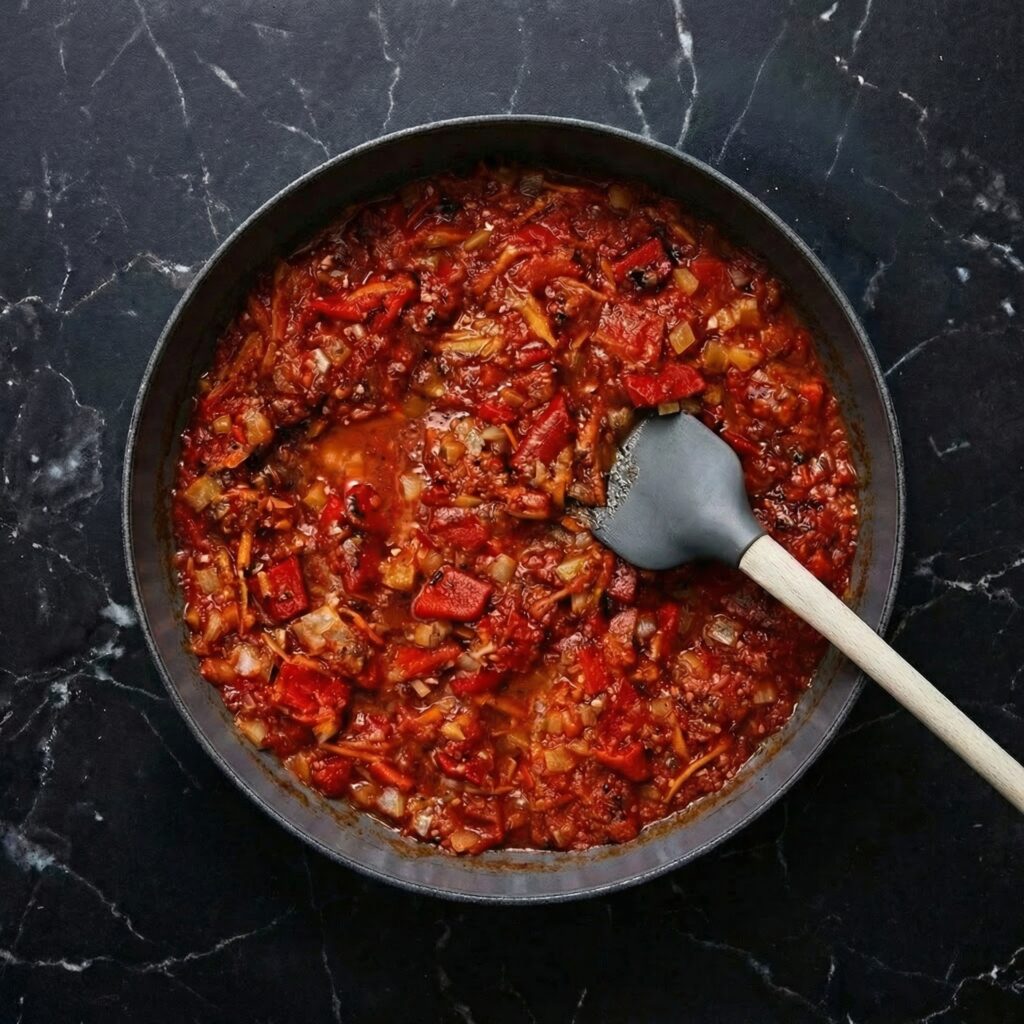
    In a medium skillet, heat 2 tablespoons of olive oil over medium heat. Add the chopped onion and sauté for 3–4 minutes until softened. Add minced garlic and cook for an additional 30 seconds until fragrant.

    Pour in the crushed tomatoes, then stir in the dried thyme, oregano, salt, and pepper. Simmer over low heat for 10–12 minutes until the sauce thickens slightly.

    This tomato base provides a savory, flavorful foundation for the vegetables, ensuring that every bite is moist and rich.


    Step 2: Prepare the Vegetables

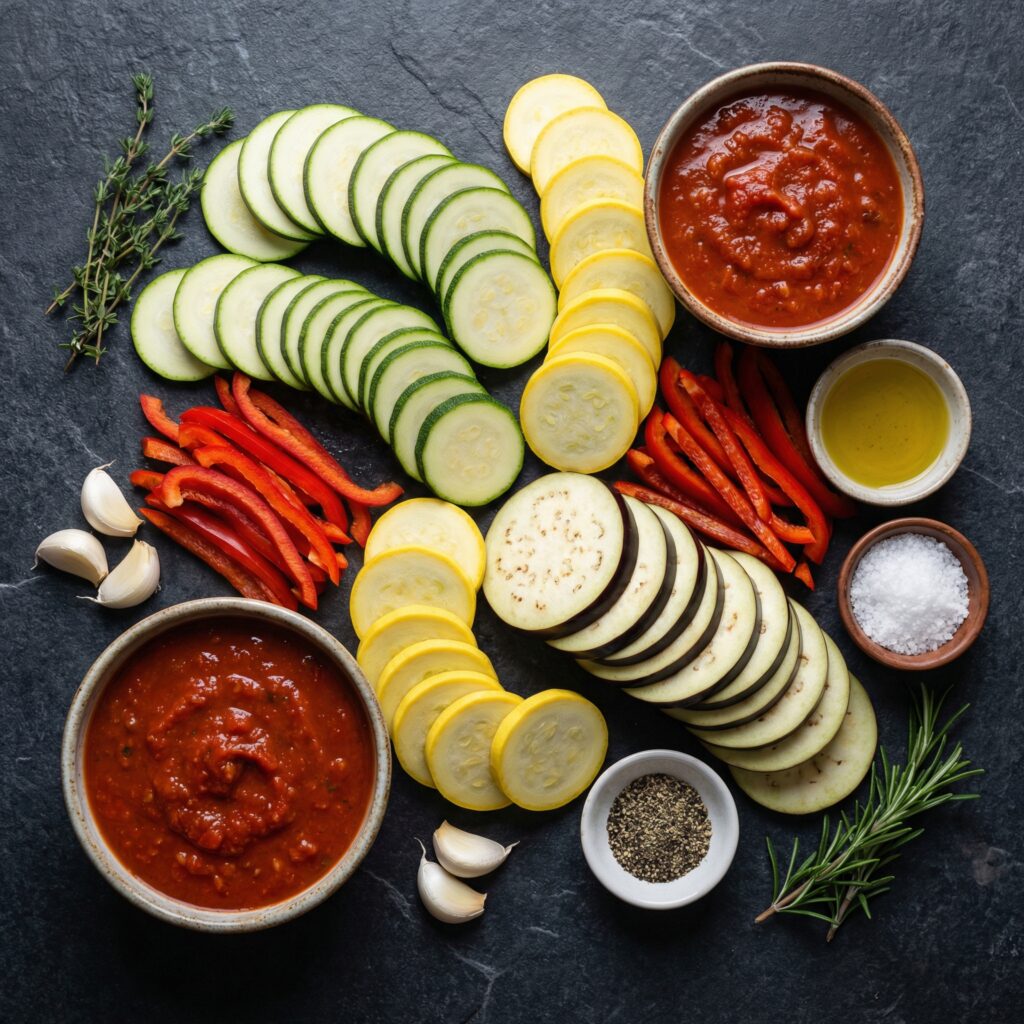
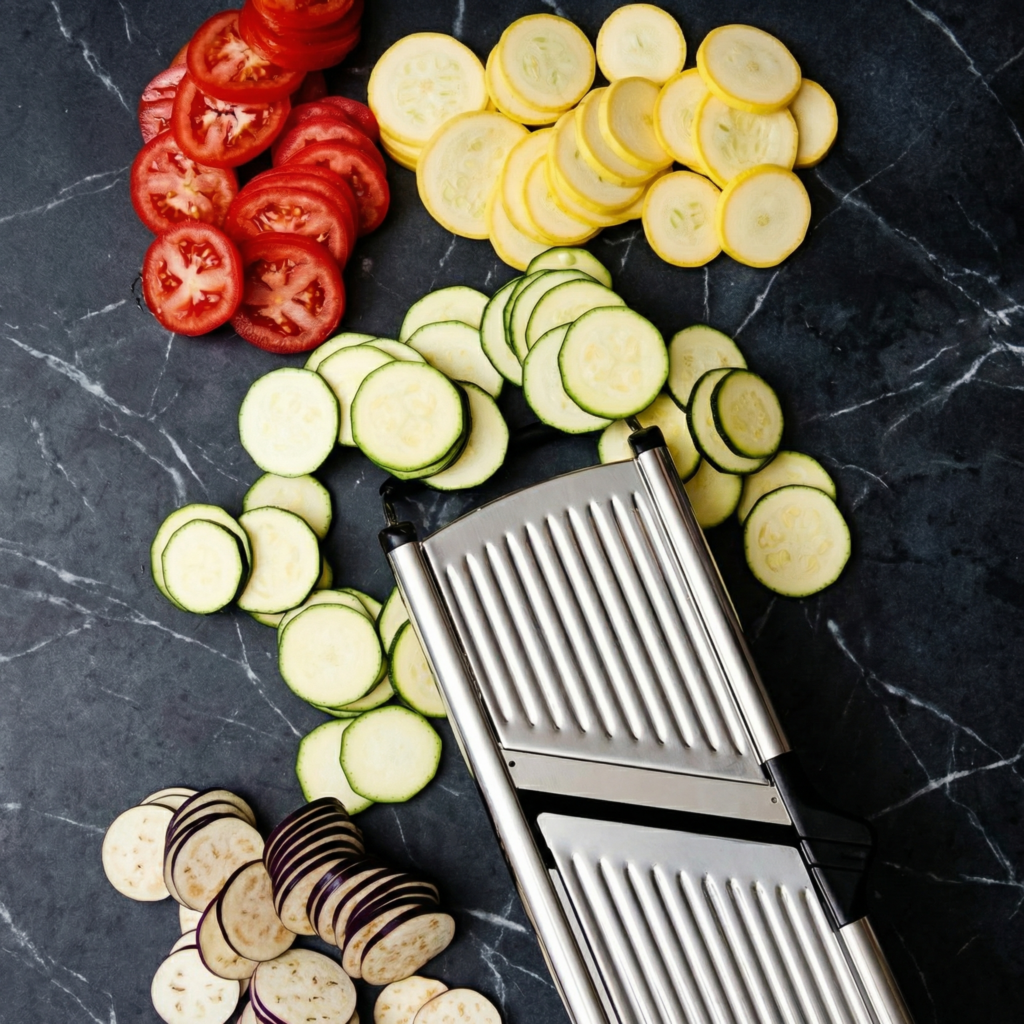
    Wash all vegetables thoroughly. Slice the eggplant, zucchini, yellow squash, bell peppers, and tomato into thin, uniform rounds or strips. Consistent size is key for even cooking and a visually stunning presentation.

    Tip: If your eggplant is particularly bitter or watery, sprinkle the slices with salt and let them sit for 10 minutes. Pat dry with a paper towel before layering.


    Step 3: Assemble the Base

    Spread the tomato sauce evenly on the bottom of a shallow baking dish or oven-safe skillet. This layer will infuse the vegetables with flavor and prevent them from sticking to the pan.


    Step 4: Layer the Vegetables

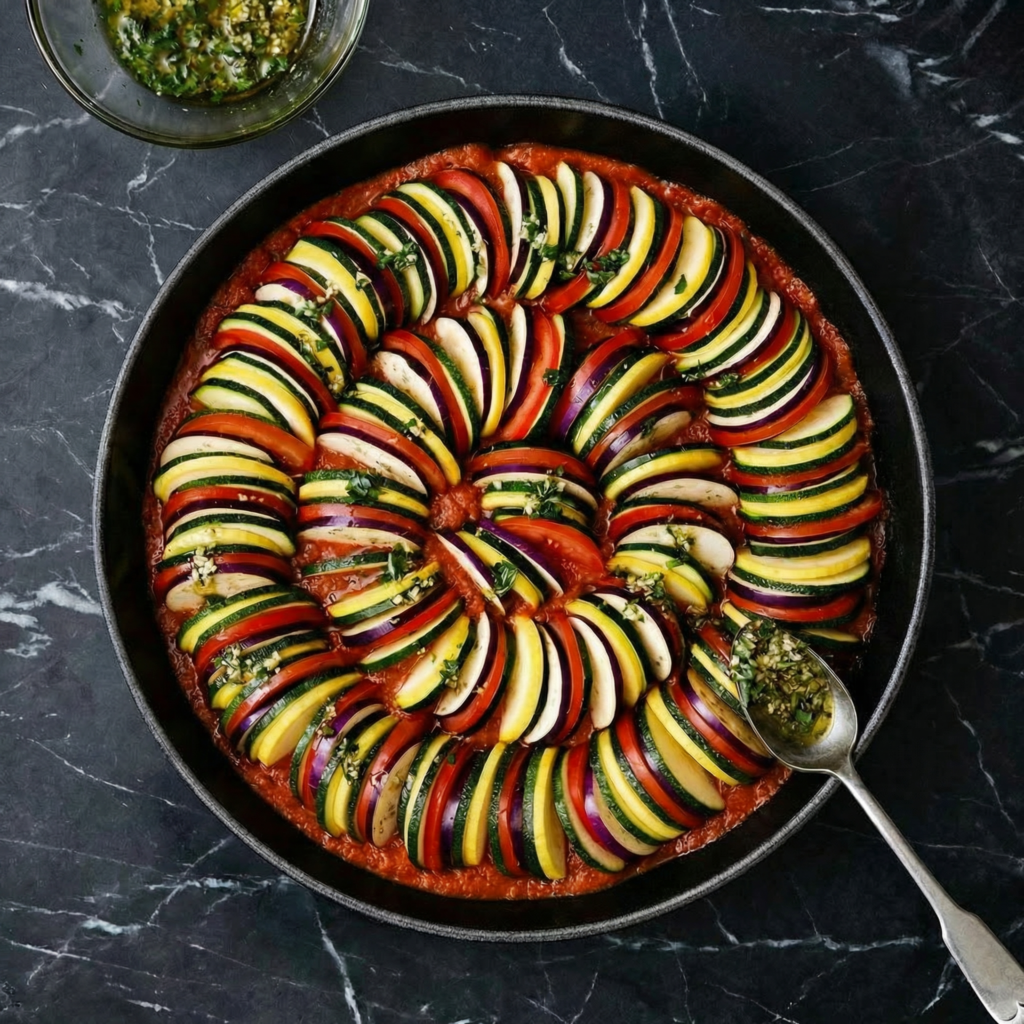
    Starting at one side of the dish, arrange the vegetables in an overlapping, alternating pattern: eggplant, zucchini, yellow squash, red bell pepper, yellow bell pepper, and tomato. Repeat until the dish is filled.

    The key is uniform layers and a tight, neat arrangement. This creates the signature spiral or linear pattern seen in classic layered ratatouille.


    Step 5: Season and Oil

    Drizzle 2 tablespoons of olive oil evenly over the arranged vegetables. Sprinkle additional dried herbs, salt, and freshly ground black pepper on top.

    The olive oil not only enhances flavor but also helps the vegetables roast beautifully, developing a caramelized exterior while staying tender inside.


    Step 6: Cover and Bake

    Cover the dish with aluminum foil and bake in the preheated oven for 30 minutes. Covering the dish allows the vegetables to steam slightly and cook evenly without drying out.


    Step 7: Uncover and Roast

    After 30 minutes, remove the foil and continue baking for another 15–20 minutes. The vegetables should be tender, with lightly caramelized edges and a fragrant aroma filling your kitchen.


    Step 8: Garnish and Serve

    Once baked, remove the dish from the oven. Let it rest for a few minutes to allow flavors to settle. Garnish with freshly chopped basil or parsley for color and freshness.

    Layered ratatouille can be served hot as a main dish, alongside grilled proteins, or even as a stunning side dish for a dinner party.


    Pro Tips for Perfect Layered Ratatouille

    • Uniform slices: Thin, even slices ensure that all vegetables cook at the same rate.
    • Don’t overcrowd: Overlapping is beautiful, but too many layers can prevent even cooking.
    • Salt the eggplant: This removes excess moisture and bitterness.
    • Use a shallow baking dish: This ensures even heat distribution and prevents soggy vegetables.
    • Let it rest: Allowing the dish to sit for a few minutes before serving enhances the flavor meld.

    Why This Recipe Works

    Layered ratatouille works because it balances flavor, texture, and visual appeal. The tomato base provides a savory, aromatic foundation. Each vegetable contributes its unique texture and flavor: tender zucchini, sweet bell peppers, and hearty eggplant. Olive oil and herbs tie everything together, creating a cohesive, flavorful dish.

    The baking process allows the natural sweetness of the vegetables to intensify while maintaining structure, resulting in a dish that is both elegant and comforting.


    Variations and Serving Ideas

    • Cheesy twist: Sprinkle grated Parmesan or crumbled feta over the vegetables before baking.
    • Protein boost: Serve alongside grilled chicken, fish, or tofu.
    • Herbal variation: Add rosemary or sage for a different aroma.
    • Roasted garlic: Include whole garlic cloves in the tomato sauce for a deeper flavor profile.
    • Meal prep: Prepare in advance and reheat gently for a weeknight dinner.

    Storage and Reheating

    Layered ratatouille keeps well in the refrigerator for 3–4 days. Store in an airtight container and reheat gently in the oven or on the stovetop. It also freezes beautifully for up to 2 months—simply thaw overnight in the fridge before reheating.


    The Takeaway

    Layered Ratatouille proves that vegetable dishes can be both visually stunning and deeply flavorful. By carefully layering thinly sliced vegetables over a savory tomato base and roasting them to perfection, you create a dish that looks like it belongs on a restaurant menu but is achievable at home.

    Whether for a cozy dinner, a dinner party, or a special occasion, this recipe highlights the natural beauty and flavor of summer vegetables. The combination of tender, caramelized vegetables with fragrant herbs and rich tomato sauce is irresistible, making this layered ratatouille a true showstopper.

    Once you try this recipe, you’ll see why layered ratatouille continues to be a timeless classic: elegant, satisfying, and unforgettable in both flavor and presentation.